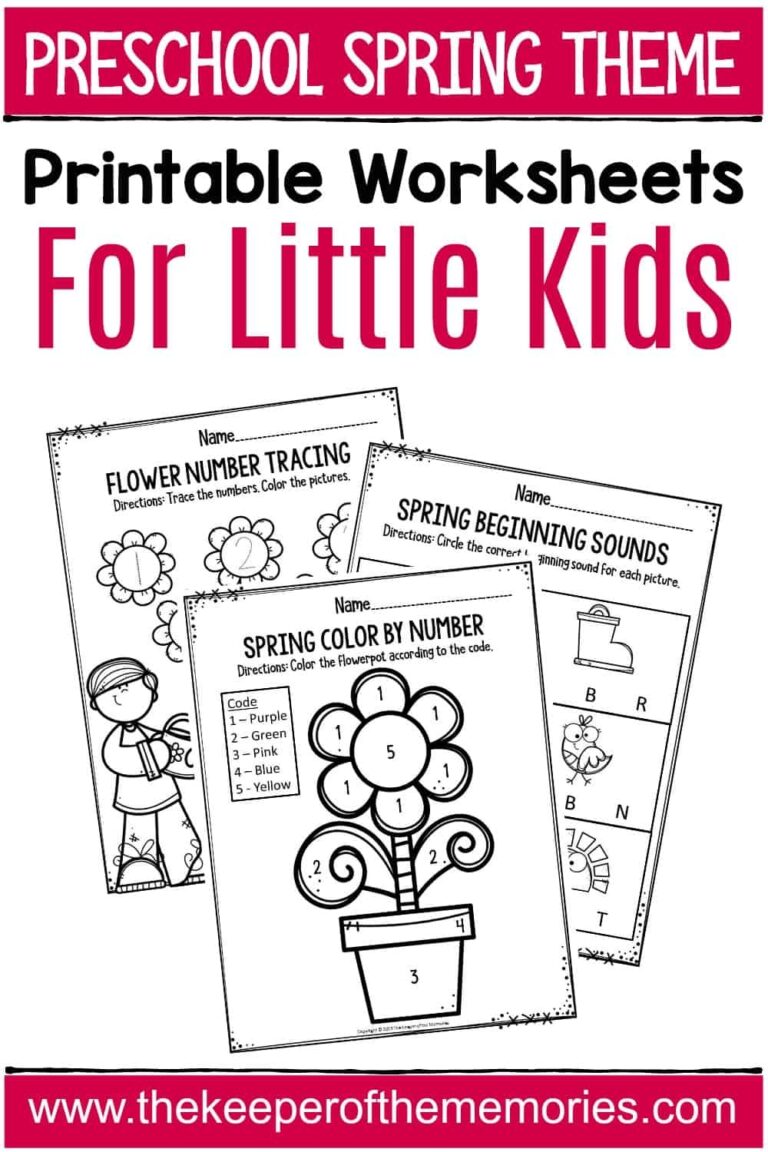
Pre School Work Sheet Age 4 And 5
Creating a structured and engaging learning environment for preschoolers aged 4 and 5 is essential. The Pre School Work Sheet Age 4 And 5 is a valuable resource that helps reinforce foundational skills through fun and interactive activities. These worksheets can be seamlessly integrated into daily lessons or used during home schooling sessions to support various learning objectives.
Importance of Worksheets in Early Childhood Education
Worksheets are not just busy work; they play a significant role in early childhood education. For children aged 4 and 5, these resources can help develop critical skills such as:
- Fine Motor Skills: Activities that involve writing, coloring, or cutting help improve hand-eye coordination and dexterity.
- Cognitive Development: Worksheets often include puzzles and matching activities that promote problem-solving skills and logical thinking.
- Language Skills: Many worksheets focus on vocabulary building, sentence structure, and comprehension, which are crucial for early literacy.
Incorporating worksheets into your teaching strategy ensures that children are practicing essential skills in a structured manner while also enjoying the learning process.
Types of Activities Included in the Worksheets
When selecting a Pre School Work Sheet Age 4 And 5, it’s important to consider the variety of activities included. Here are some common types:
Coloring Pages
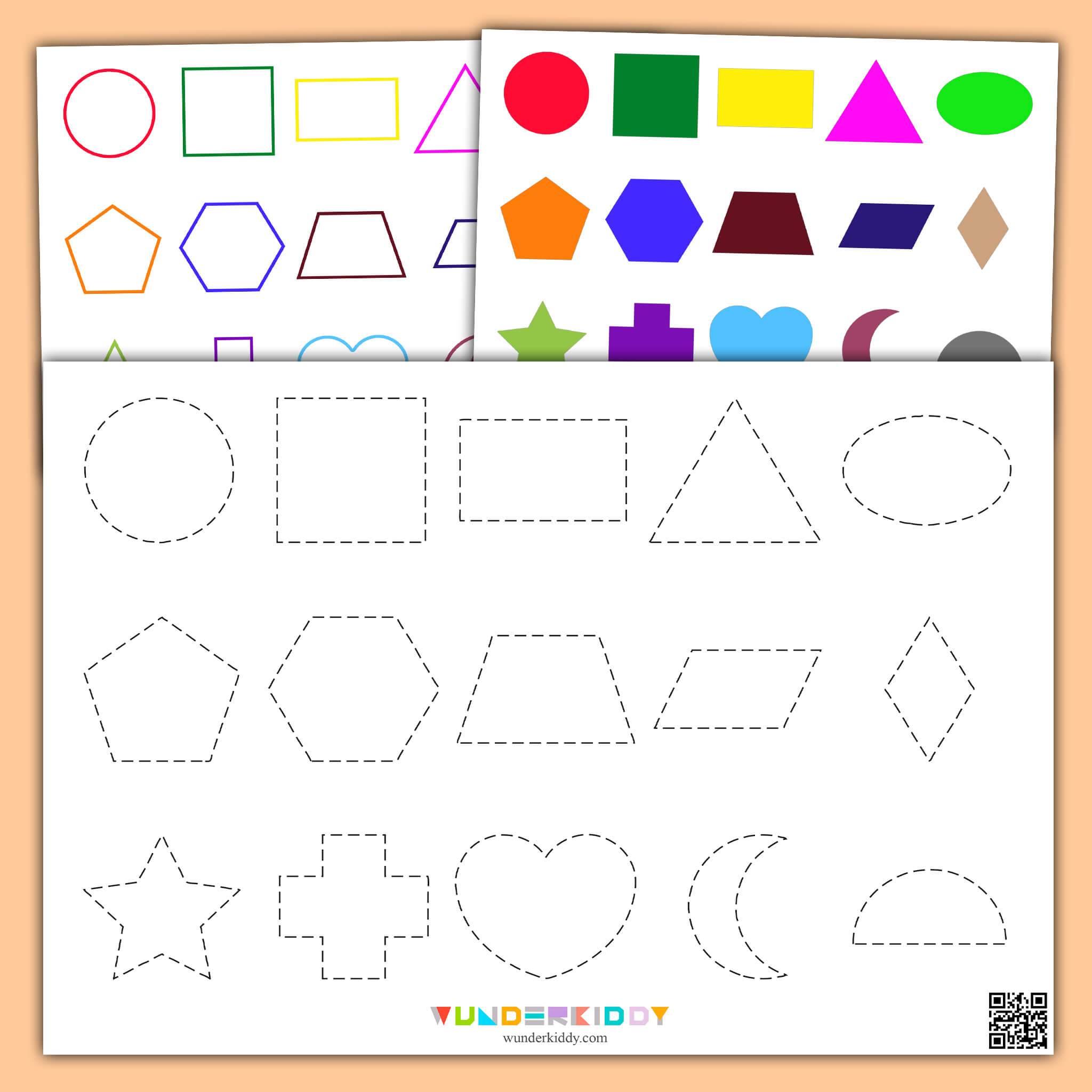
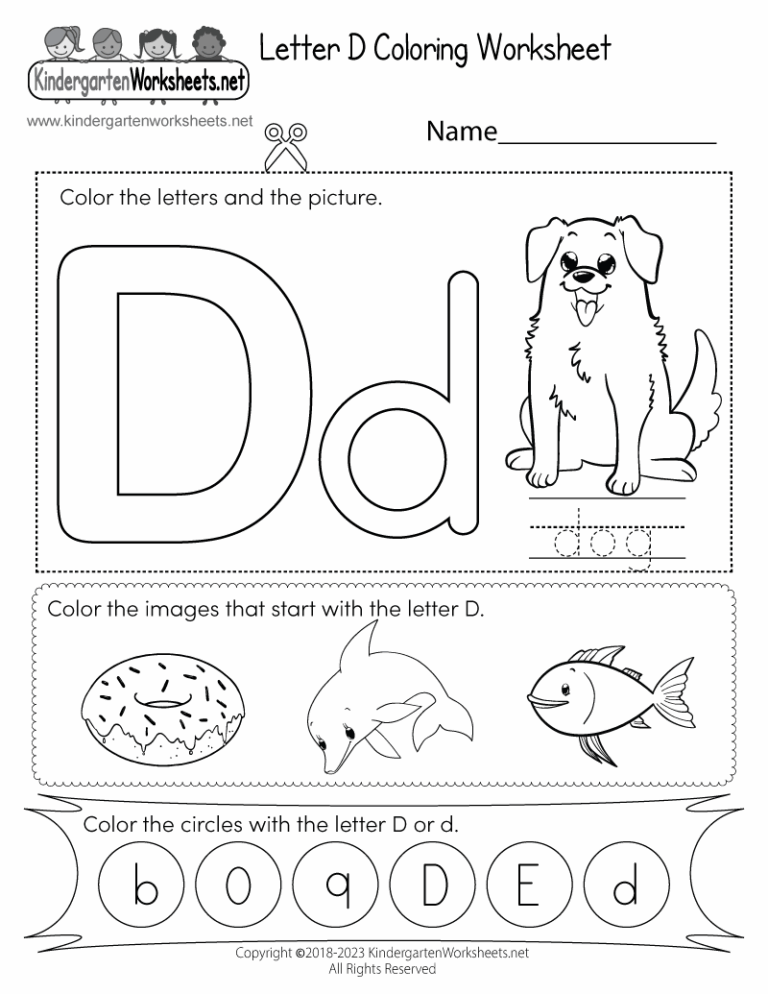
Coloring pages allow children to express their creativity while working on color recognition and fine motor skills. Providing different themes, like animals, seasons, or holidays, can keep children engaged.
Tracing and Writing Exercises
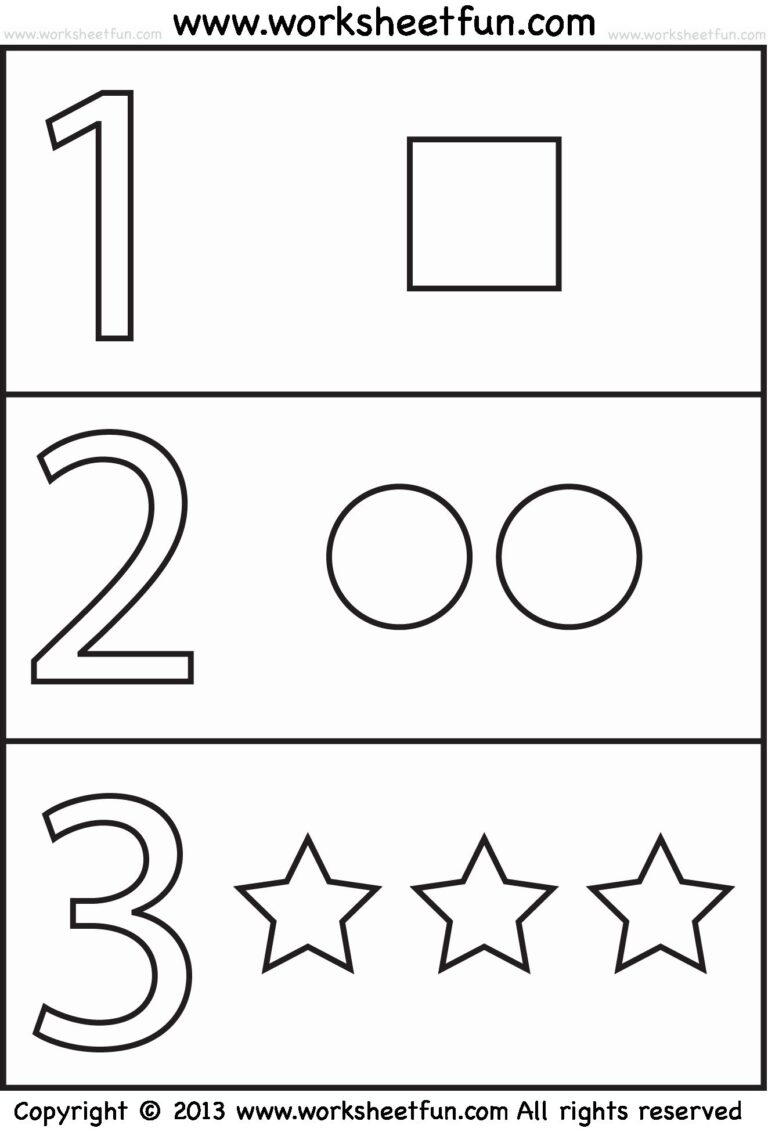
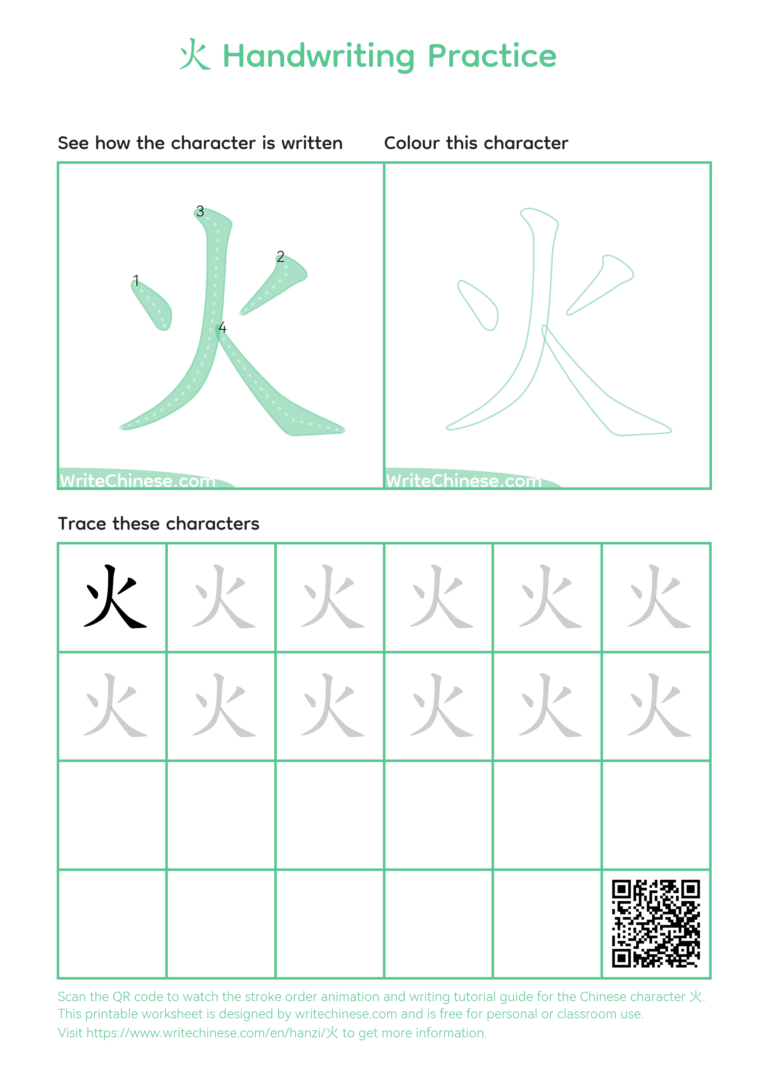
These activities help kids practice letter and number formation. Tracing worksheets can be designed with dotted lines that children can follow, gradually transitioning to blank lines as they improve.
Matching Games
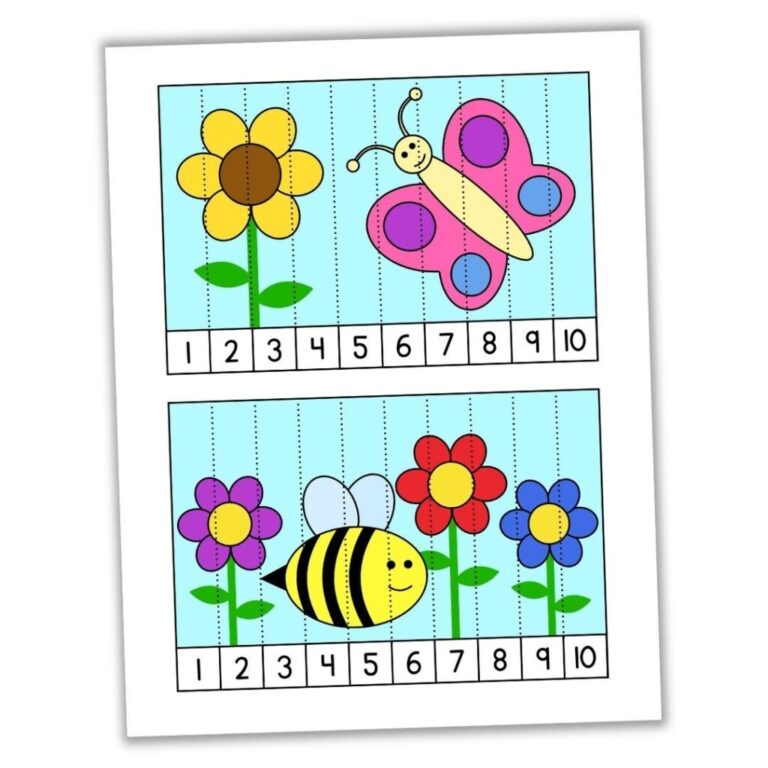
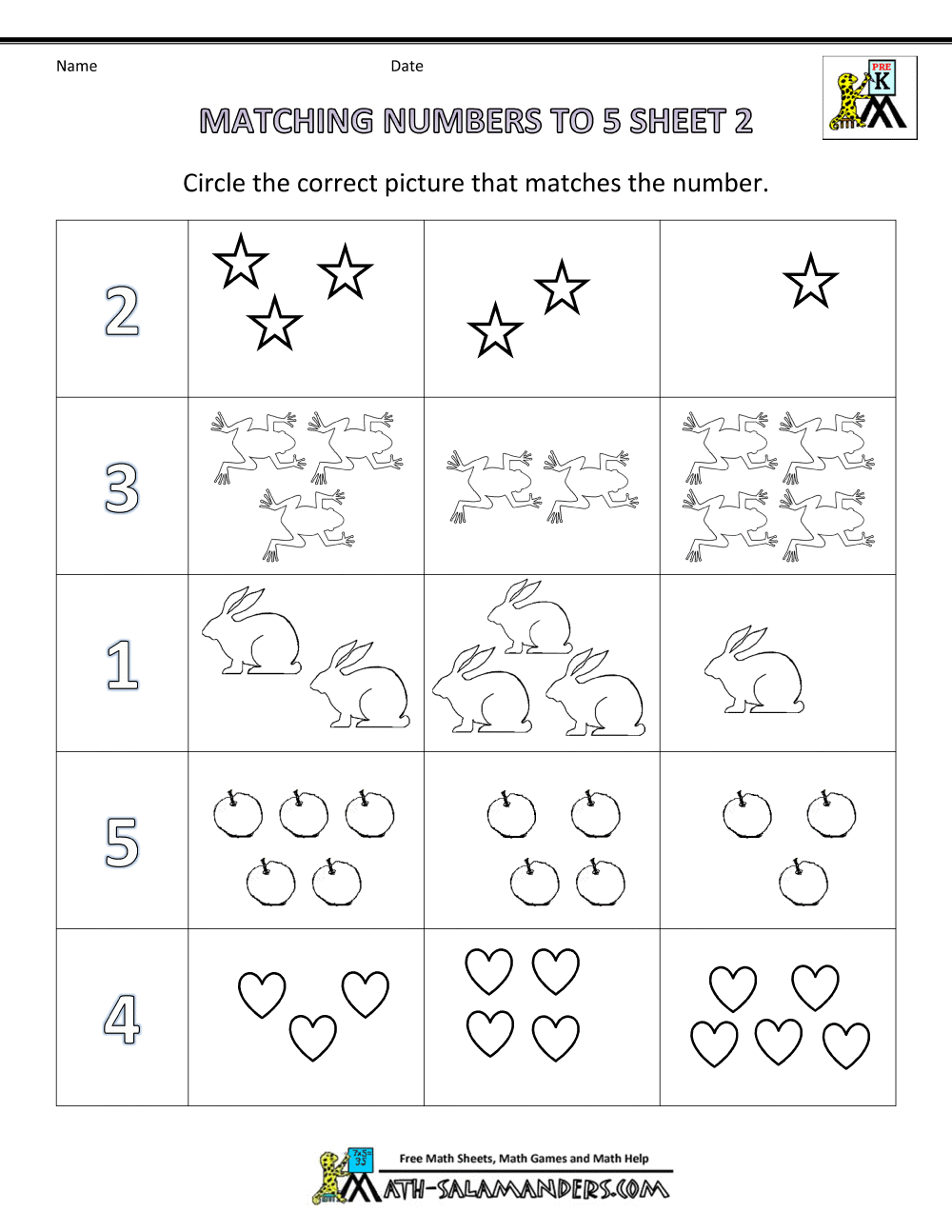
Matching games are excellent for enhancing memory and concentration. Simple worksheets can feature pictures or words that kids need to connect, reinforcing vocabulary and recognition skills.
Simple Math Problems
Basic addition and subtraction problems can be introduced through fun illustrations. For instance, using pictures of apples, children can solve how many apples are left after some are eaten.
How to Use Worksheets Effectively
To maximize the effectiveness of the Pre School Work Sheet Age 4 And 5, consider the following strategies:
Set a Routine
Incorporate worksheet activities into your daily routine. For example, start each day with a short worksheet session. This consistency helps children know what to expect and creates a structured learning environment.
Pair Worksheets With Hands-On Activities
Balance worksheet time with hands-on activities. For instance, after completing a math worksheet, you might have children use physical objects, like blocks or beads, to solve problems in a more tangible way.
Encourage Independence
While guidance is important, allowing children to work independently on their worksheets fosters a sense of accomplishment. Provide clear instructions and let them take the lead as much as possible.
Monitor Progress
Keep track of each child’s progress by reviewing their completed worksheets. This can help you identify areas where they may need additional support or practice.
Printable Resources for Easy Access
Finding and printing worksheets should be straightforward. Many websites offer free or low-cost printable resources specifically designed for preschool-aged children. When you look for the Pre School Work Sheet Age 4 And 5, consider these tips:
- Check for PDF Formats: PDF files are usually easier to print and maintain formatting across different devices.
- Look for Variety: Choose resources that provide worksheets covering various subjects, ensuring a well-rounded educational experience.
- Download and Print: Ensure that your printer is set up for the best quality. Using heavier paper can be beneficial if you plan to laminate the sheets for repeated use.
Adjusting Worksheets to Meet Individual Needs
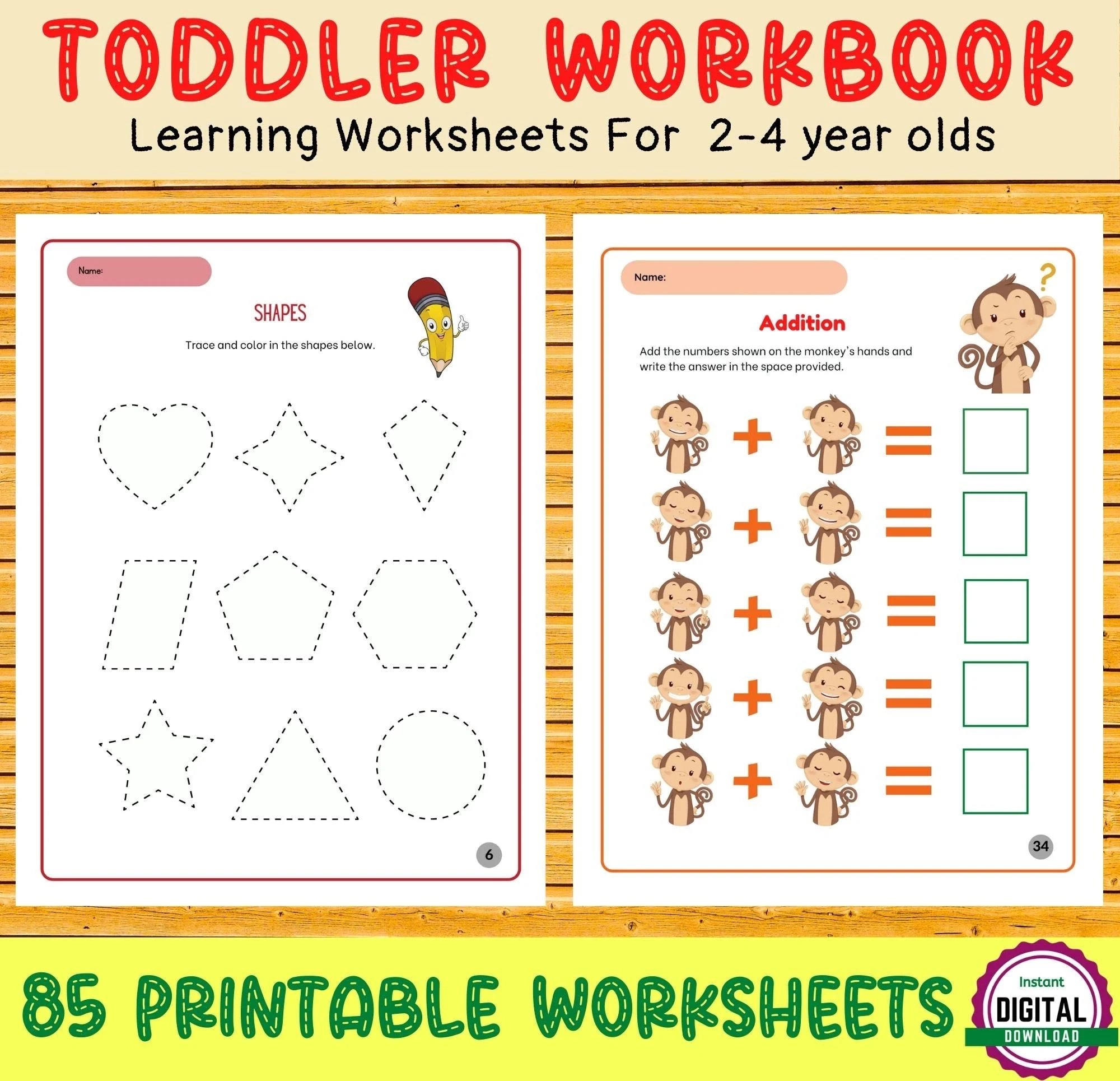
Each child learns at their own pace, so it’s essential to adapt worksheets to meet individual needs. Here’s how:
Modify Difficulty Levels
Some children may need simpler tasks, while others might be ready for more challenging activities. You can easily adjust the complexity of the worksheets by changing the number of problems or the types of activities included.
Provide Additional Resources
Supplement worksheets with additional resources such as books, games, or videos related to the topic. This can provide a deeper understanding and keep children engaged.
Offer Support When Needed
Be available to assist children with their worksheets, especially if they encounter difficulties. Sometimes, a little encouragement or clarification can make all the difference in their learning experience.