Pre School Worksheets For Kids
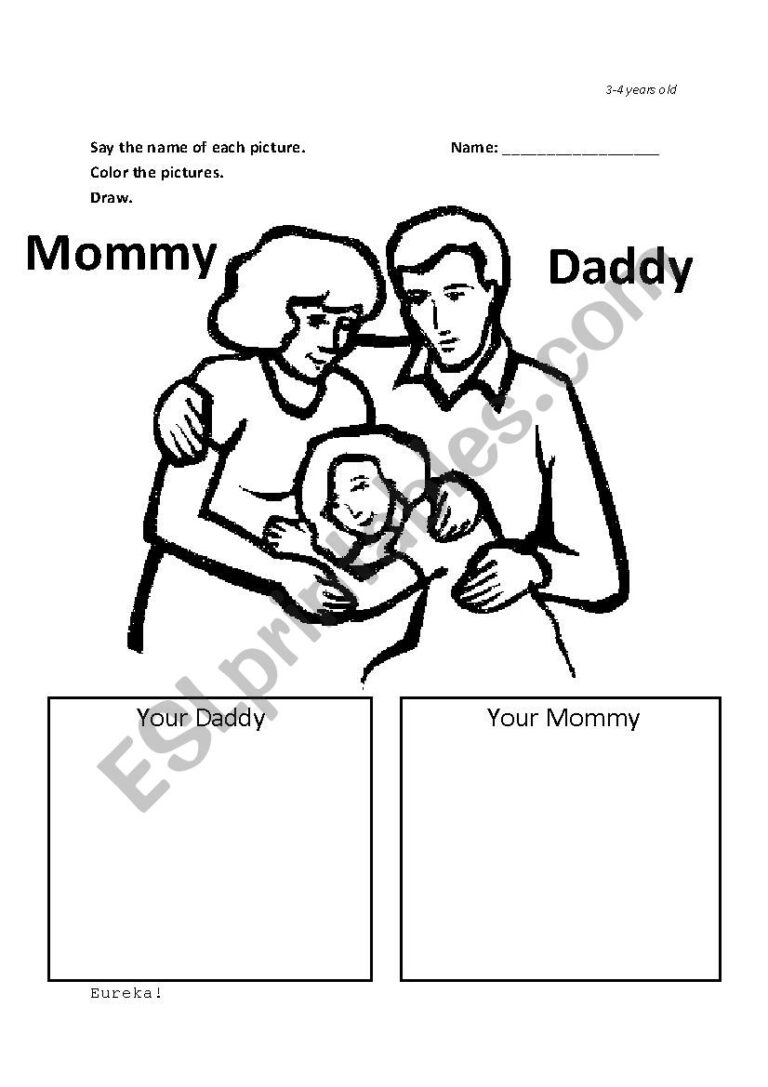
Pre School Worksheets For Kids are essential tools for early childhood education, helping young learners develop crucial skills in a fun and engaging way. These worksheets can cover a variety of topics, including numbers, letters, shapes, colors, and basic problem-solving. Teachers and parents alike can utilize these resources to ensure a well-rounded learning experience that caters to the unique needs of preschool-aged children.
Types of Pre School Worksheets
When looking for Pre School Worksheets For Kids, you’ll find a wide array of types tailored to different skills and subjects. Here are some common categories:
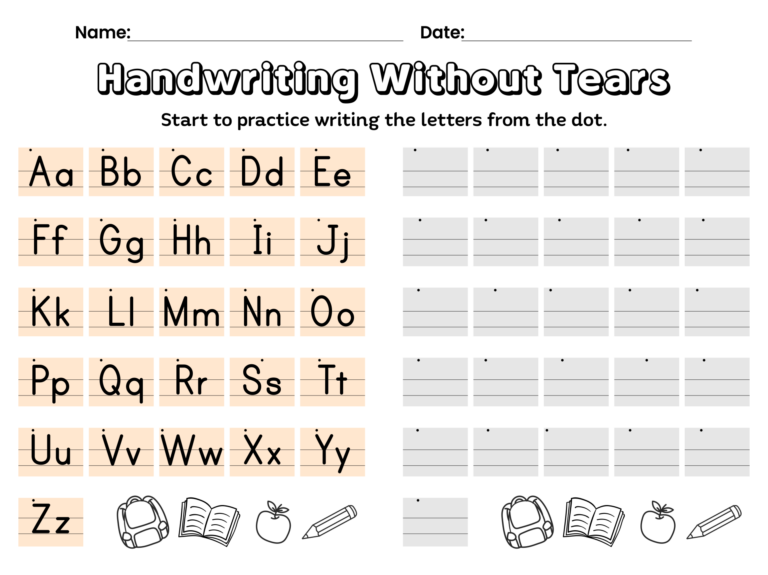
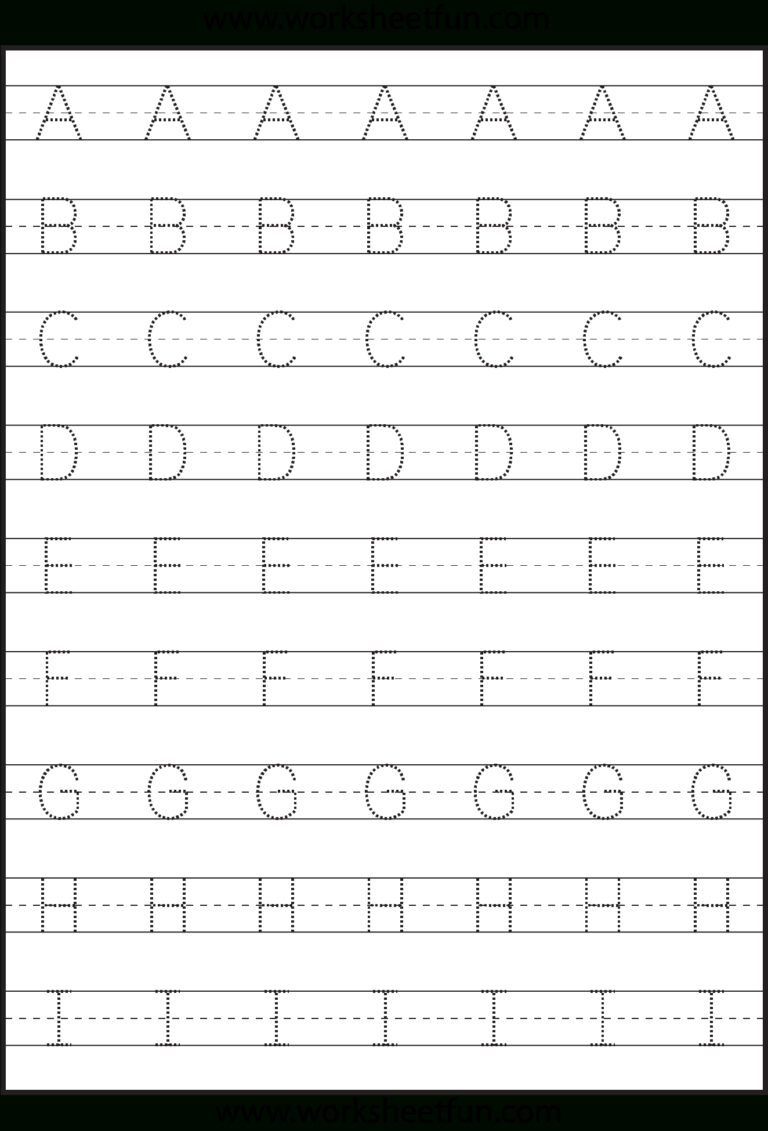
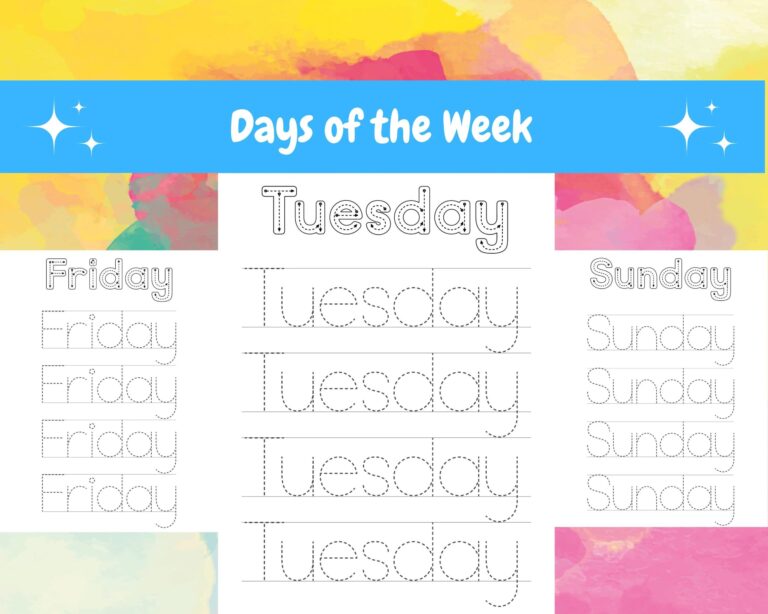
- Alphabet Worksheets: These help children recognize letters and their sounds, often including tracing and coloring activities.
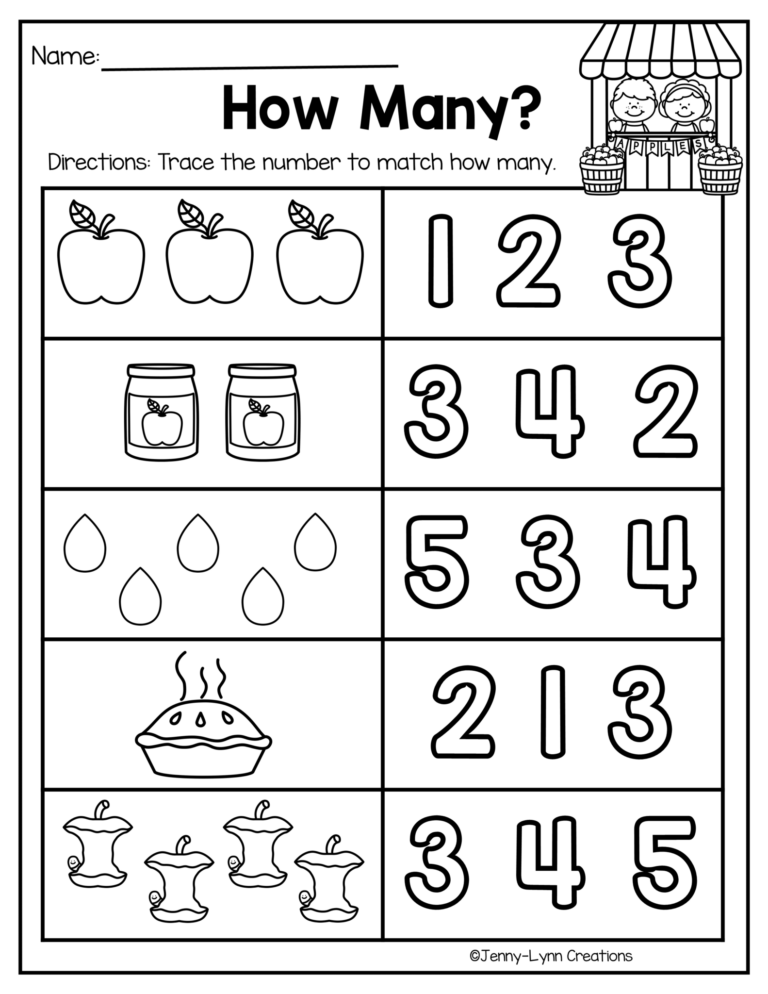
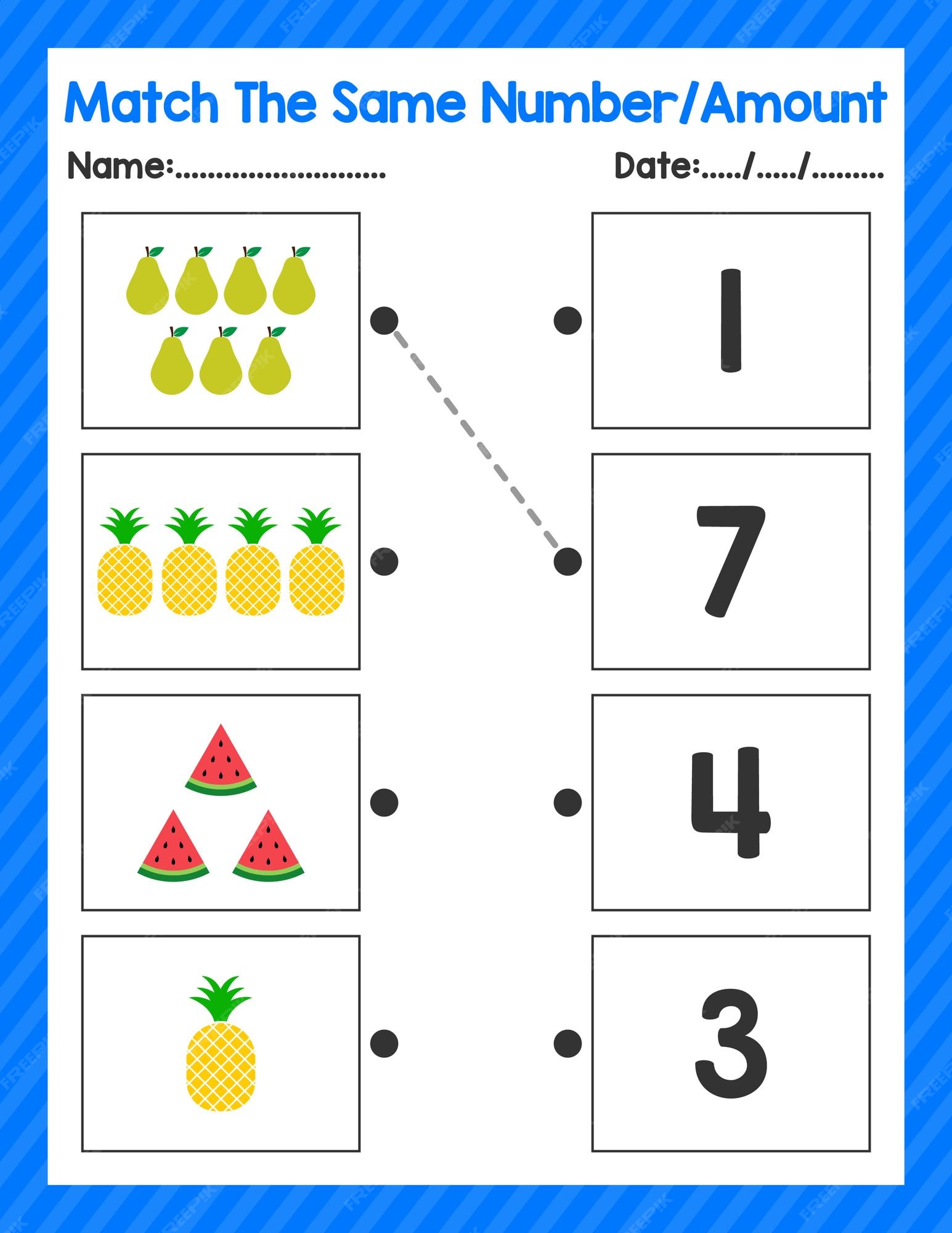
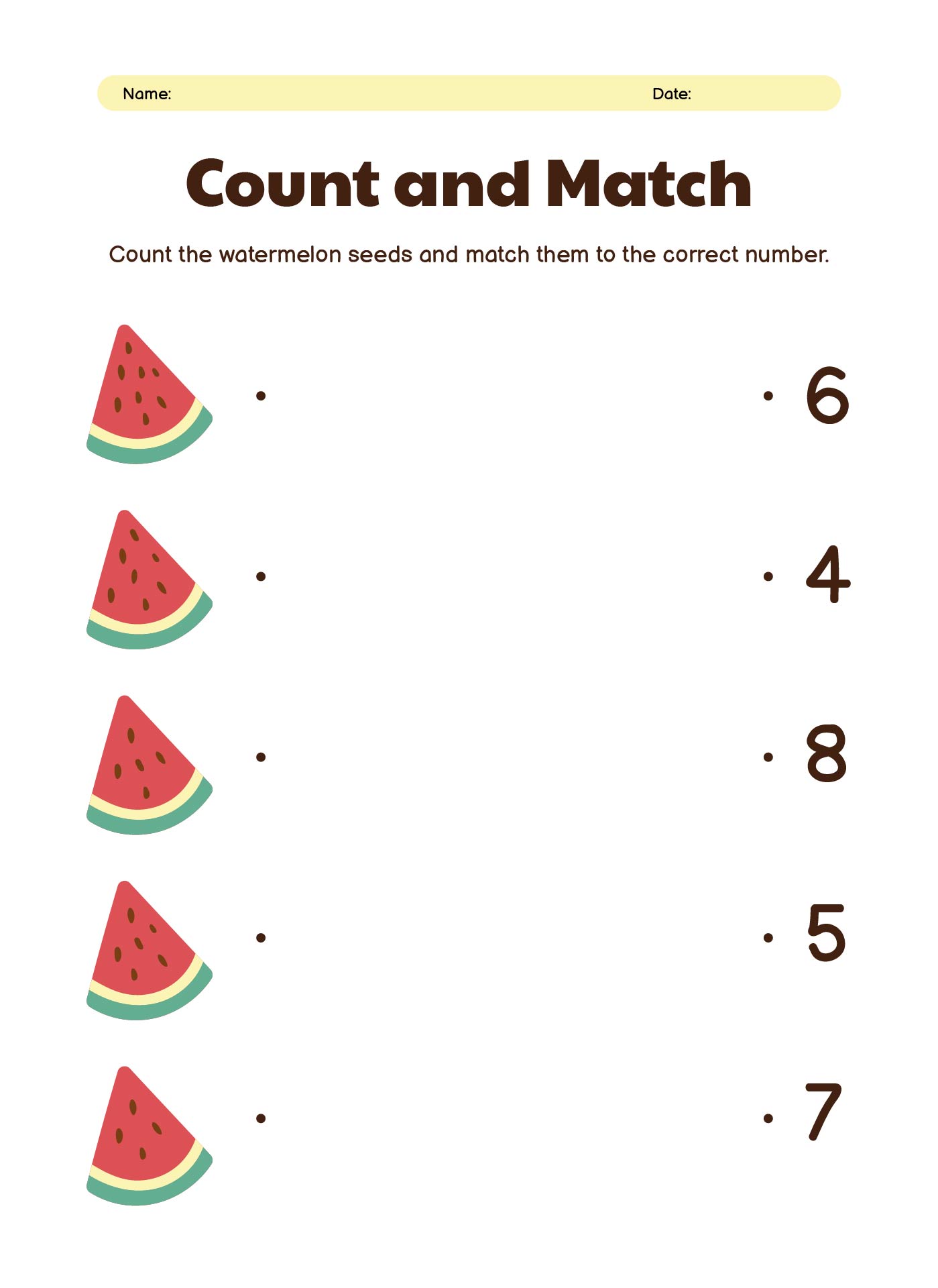
- Number Worksheets: Designed to introduce counting and number recognition, these worksheets might involve matching numbers with objects or tracing numbers.
- Shape and Color Worksheets: Activities focusing on shapes and colors help kids identify and differentiate between various geometric figures and colors.
- Basic Math Worksheets: Simple addition and subtraction problems can be introduced through engaging exercises that involve counting objects.
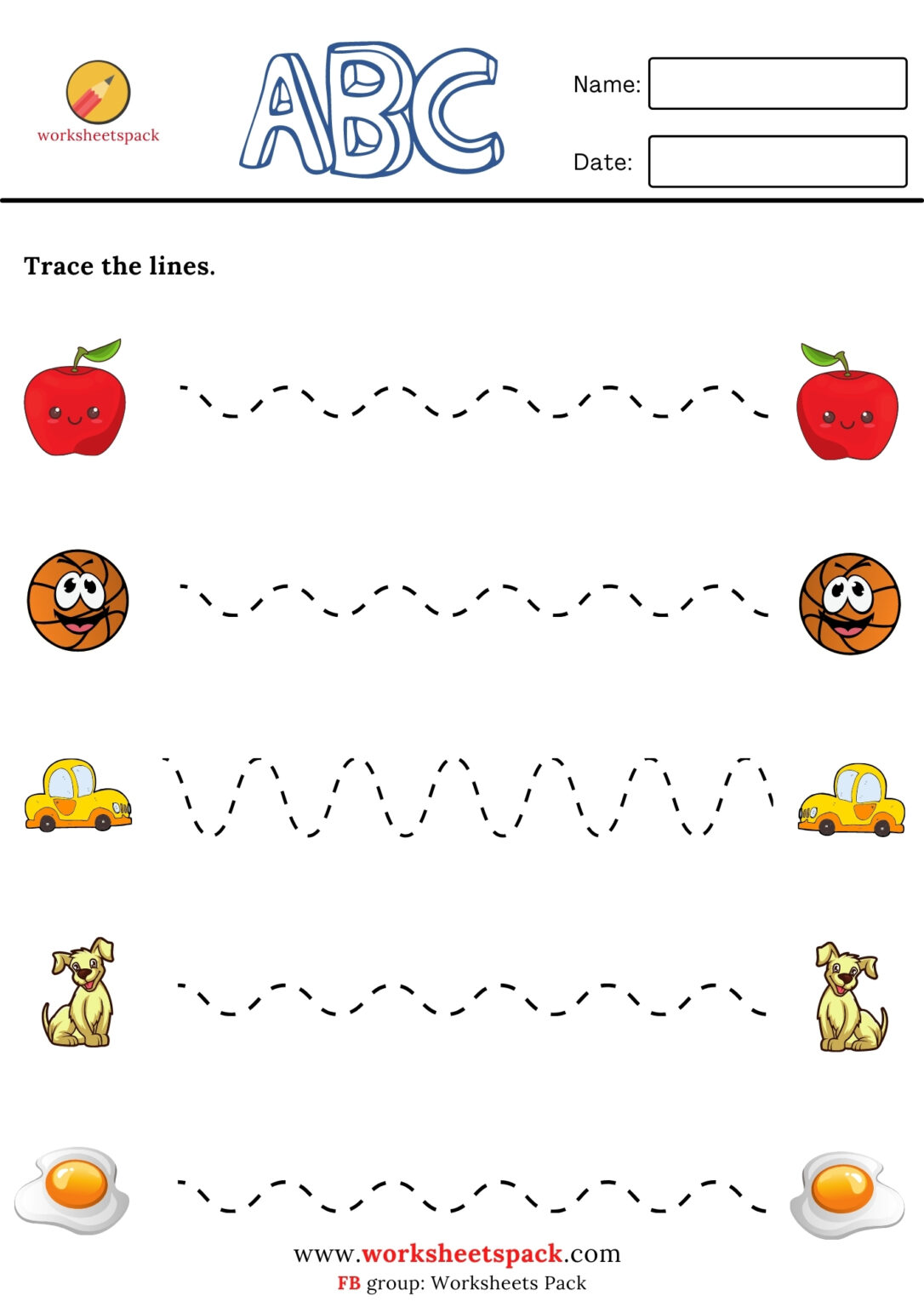
- Fine Motor Skill Worksheets: Activities that require cutting, pasting, or tracing can help improve hand-eye coordination and fine motor skills.
Each type of worksheet serves a specific educational purpose, making it easier for educators and parents to choose the most suitable materials for their children.
How to Use Worksheets Effectively
Using Pre School Worksheets For Kids effectively involves more than just handing them out. Here are some practical tips for integrating worksheets into your teaching or home-learning environment:
- Assessment of Skills: Before selecting worksheets, assess the child’s current skill level. This will help you choose appropriate worksheets that challenge them without causing frustration.
- Incorporate into Daily Routines: Integrate worksheets into daily activities. For example, after reading a story, you might have the child complete an alphabet worksheet related to the book.
- Pair with Hands-On Activities: Enhance the learning experience by pairing worksheets with hands-on activities. For example, after completing a shapes worksheet, you could have the child find real-life objects that match the shapes they’ve learned.
- Encourage Independence: Allow children to work on worksheets independently, fostering a sense of pride in their accomplishments. However, be available to provide support and guidance when needed.
- Use as Homework or Reinforcement: Worksheets can also serve as homework or reinforcement after lessons, giving children additional practice outside the classroom.
Finding Quality Worksheets
Not all Pre School Worksheets For Kids are created equal. When searching for high-quality worksheets, consider the following:
- Educational Value: Ensure that the worksheets are designed to meet educational standards and provide meaningful practice for the intended skills.
- Age Appropriateness: Worksheets should be age-appropriate, both in content and complexity. Look for resources specifically tailored for preschoolers.
- Engaging Design: Worksheets that are visually appealing and incorporate fun graphics can help keep children interested and engaged.
- Format and Accessibility: Opt for worksheets that are easy to print and download. PDF formats are often best to avoid formatting issues.
Many websites offer free or low-cost printable worksheets, making it easy to find resources that fit your needs. Always check reviews or recommendations to ensure quality.
Activities to Supplement Worksheets
While worksheets are a great resource, they should be supplemented with other activities to create a well-rounded learning experience. Here are some ideas:
- Story Time: Read books that align with the topics covered in the worksheets. This can help reinforce concepts and encourage a love of reading.
- Art Projects: Incorporate art by having children create their own versions of shapes or letters using various materials like clay, crayons, or paint.
- Outdoor Learning: Take learning outside by identifying shapes, colors, and numbers in nature. This can help children connect classroom learning with the real world.
- Games: Use educational games that reinforce the same skills as the worksheets. For example, counting games can support number recognition and basic math skills.
Creating a diverse learning environment can significantly enhance a child’s educational experience.
Adapting Worksheets for Different Learners
Every child learns differently, and it’s important to adapt Pre School Worksheets For Kids to meet the needs of individual learners. Consider these strategies:
- Modify Difficulty: If a worksheet is too challenging, simplify it by reducing the number of problems or providing additional hints. Conversely, if it’s too easy, consider adding extra challenges.
- Use Visual Supports: For children who struggle with reading or writing, use visual aids or manipulatives to support their understanding of the concepts.
- Offer Choices: Let children choose which worksheets they want to complete. This can increase their motivation and engagement.
- Collaborative Learning: Pair children to work on worksheets together. This encourages peer learning and can help children learn from each other.
Adapting worksheets ensures that all children can benefit from the learning experience.