Pre Writing Worksheets Free Printable
Pre Writing Worksheets Free Printable are a valuable resource for teachers and parents looking to support early writing skills in children. These worksheets provide structured activities that help young learners develop the foundational skills necessary for effective writing. By integrating these worksheets into daily routines, educators and caregivers can foster a love for writing while enhancing fine motor skills, letter formation, and creativity.
Understanding the Importance of Pre-Writing Skills
Before children can start writing sentences or paragraphs, they must first master pre-writing skills. These skills include hand-eye coordination, pencil grip, and the ability to form letters. Pre-writing worksheets help children practice these essential skills through engaging activities that are both fun and educational.
For example, tracing lines, shapes, and letters allows children to gain confidence in their writing abilities. Incorporating these worksheets into a classroom or home setting can provide measurable progress in a child’s writing journey. Parents and teachers can easily assess mastery by observing how well children complete these worksheets over time.
Types of Pre-Writing Worksheets Available
When searching for Pre Writing Worksheets Free Printable, it’s essential to consider the variety of formats and activities available. Here are some common types you might encounter:
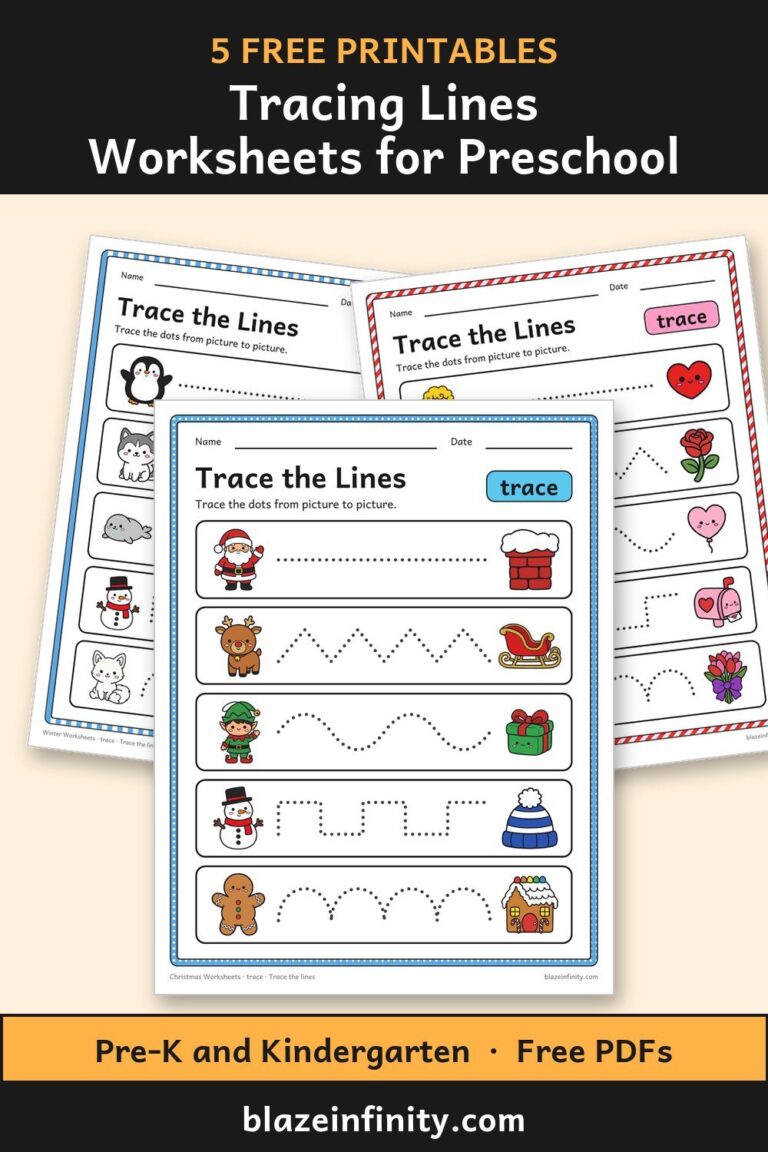
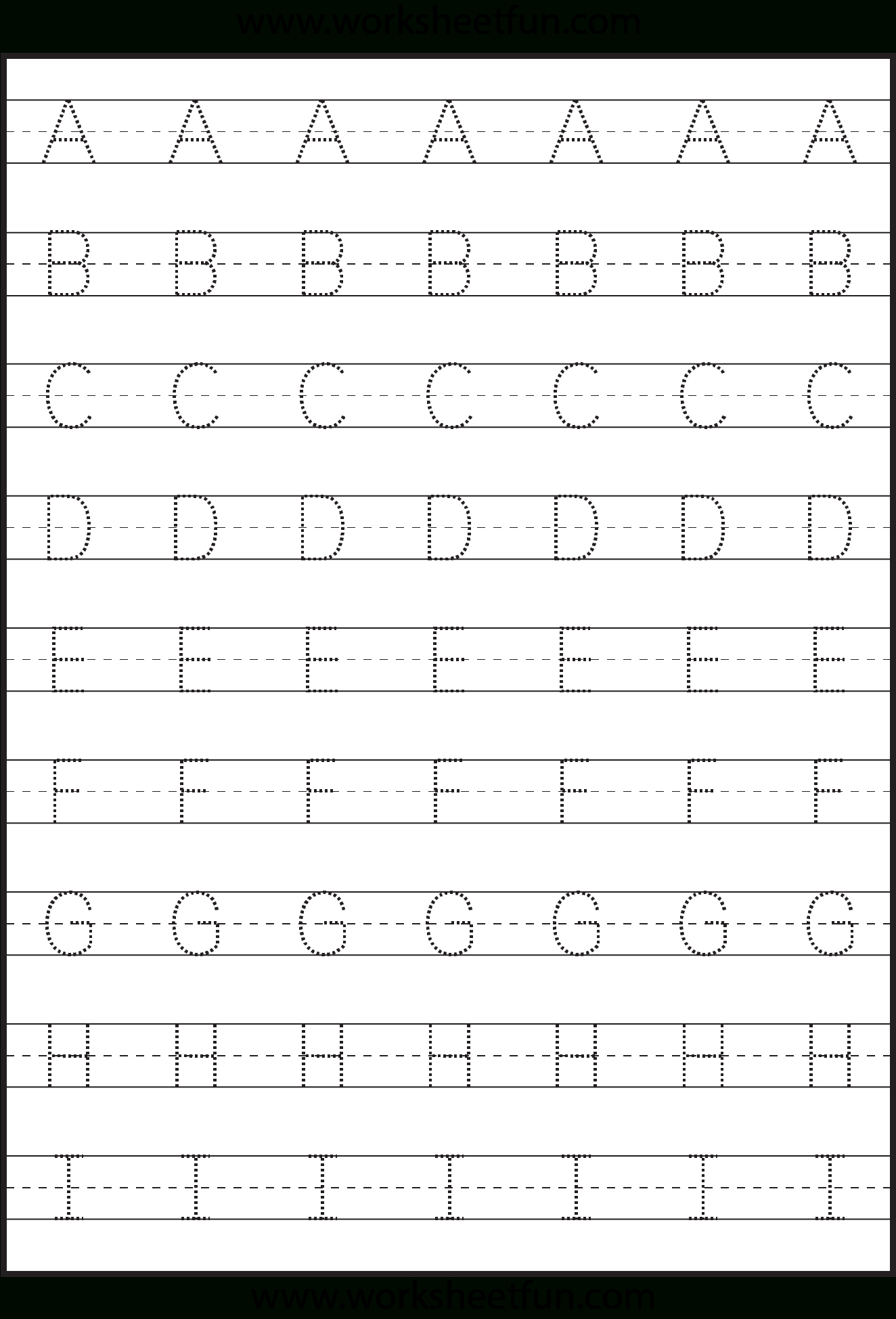
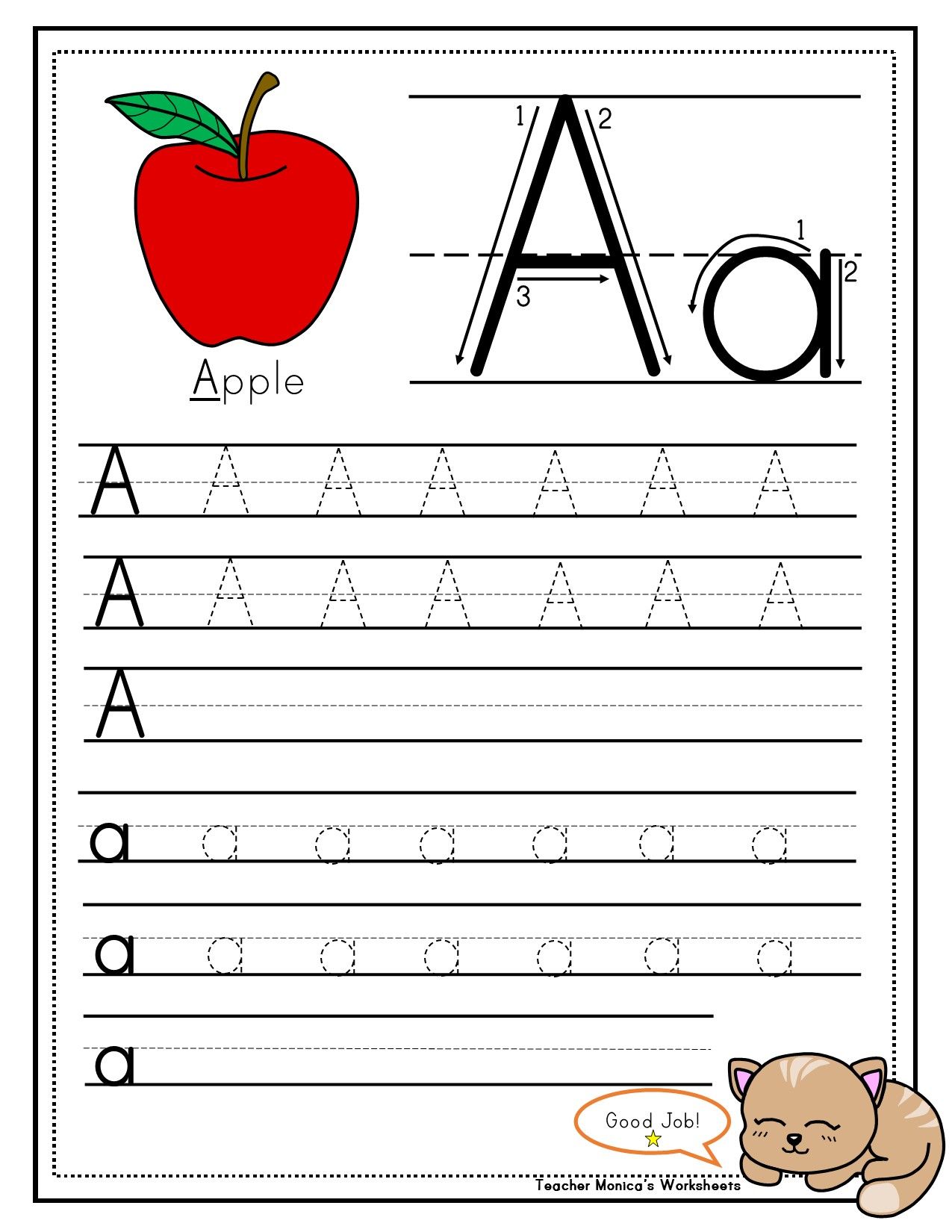
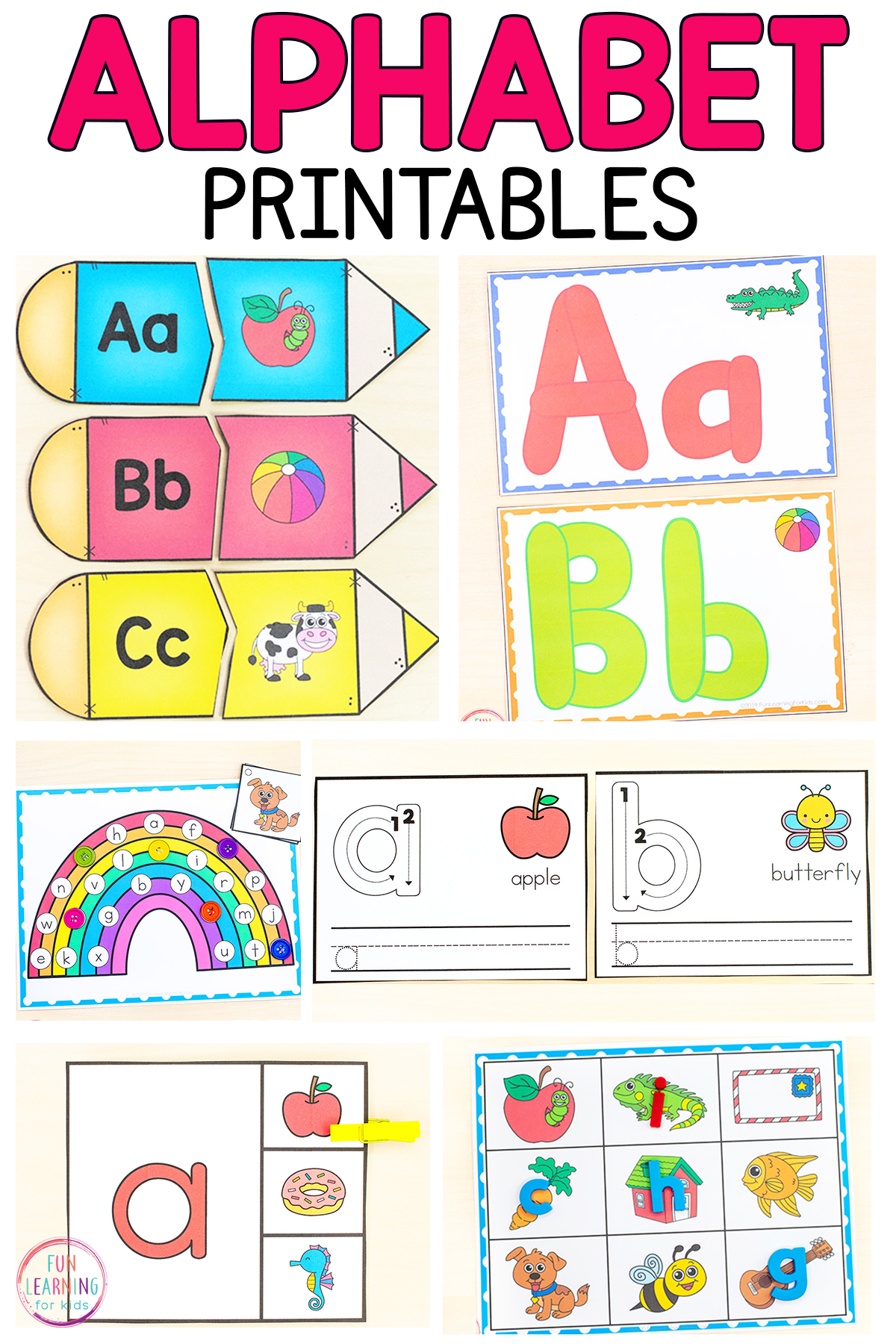
- Tracing Worksheets: These worksheets typically feature dotted outlines of letters, shapes, or pictures that children can trace over to practice their hand movements.
- Coloring Pages: Combining art with writing, these pages encourage children to color while also focusing on writing their names or words associated with the picture.
- Shape and Line Practice: These worksheets help children learn to draw basic shapes and lines, laying the groundwork for letter formation.
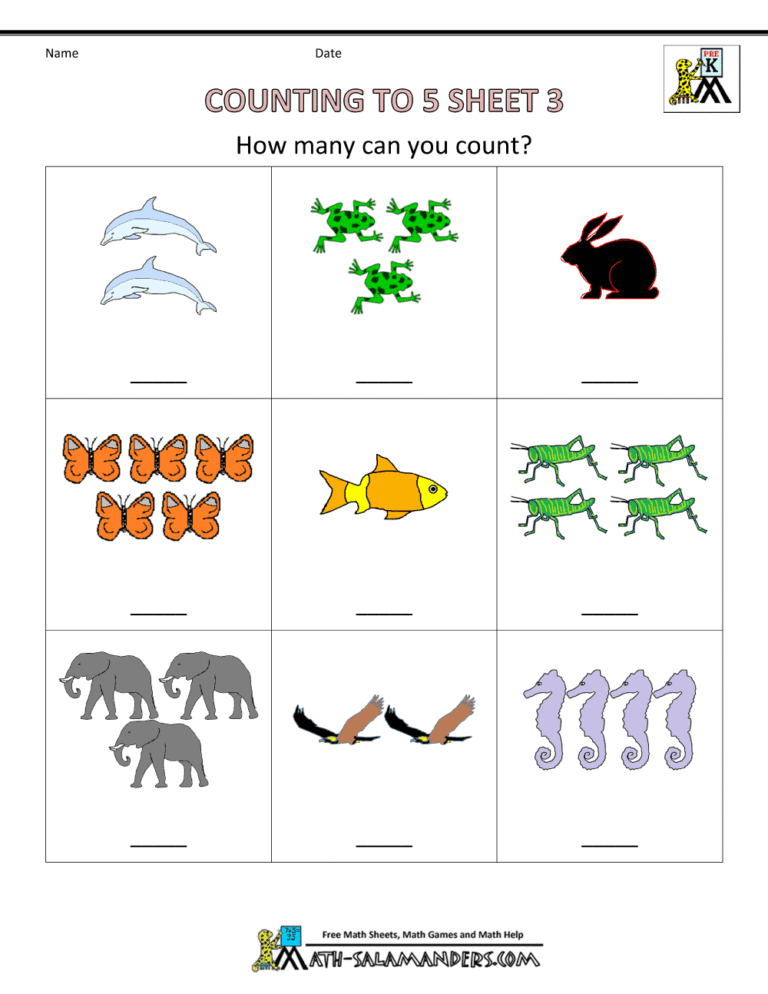
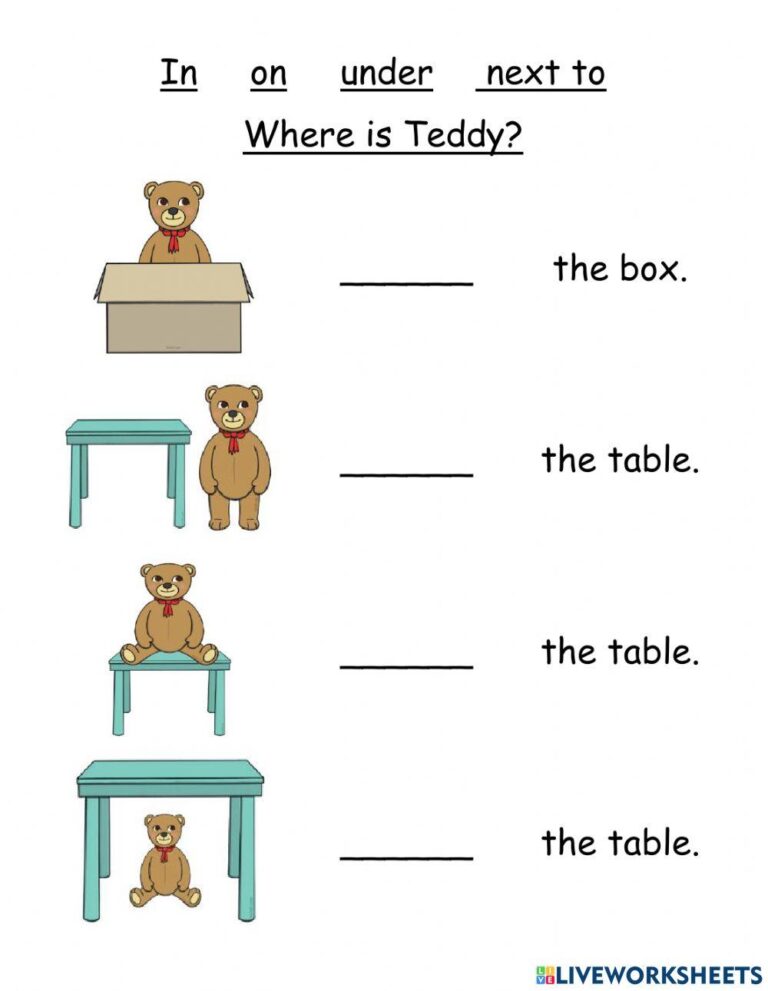
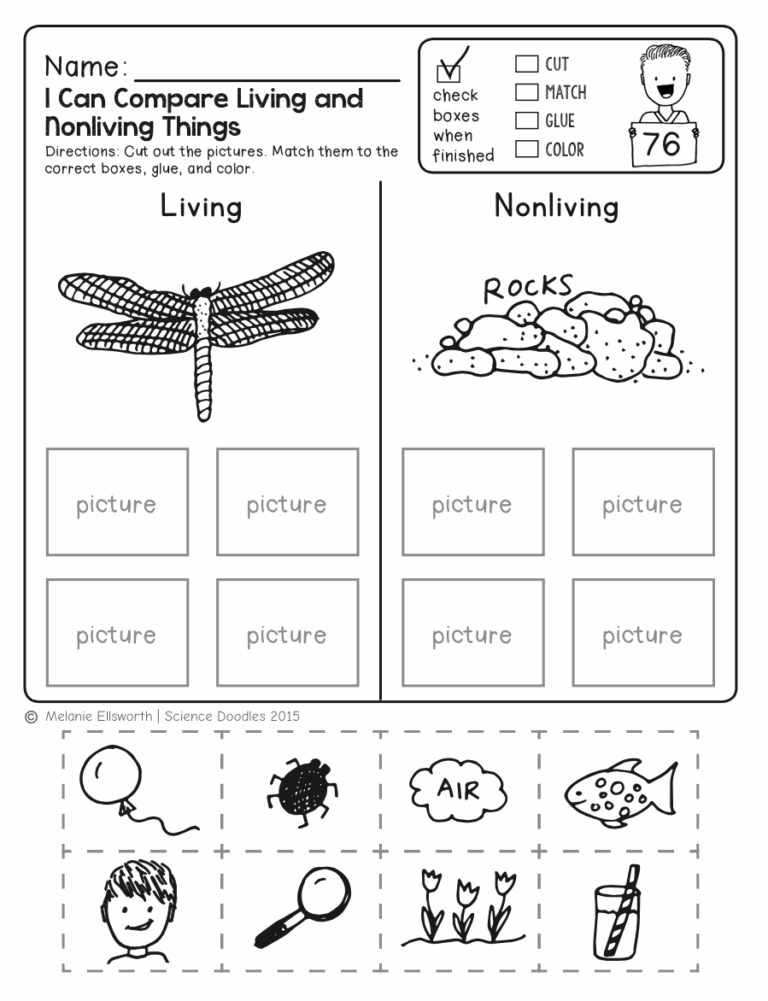
- Interactive Activities: Some worksheets include activities like connecting dots or matching pictures with words, which can enhance engagement.
Each type of worksheet can be tailored to different age groups and skill levels, making it easy for educators and parents to select the most appropriate resources.
Age Appropriateness and Skill Level
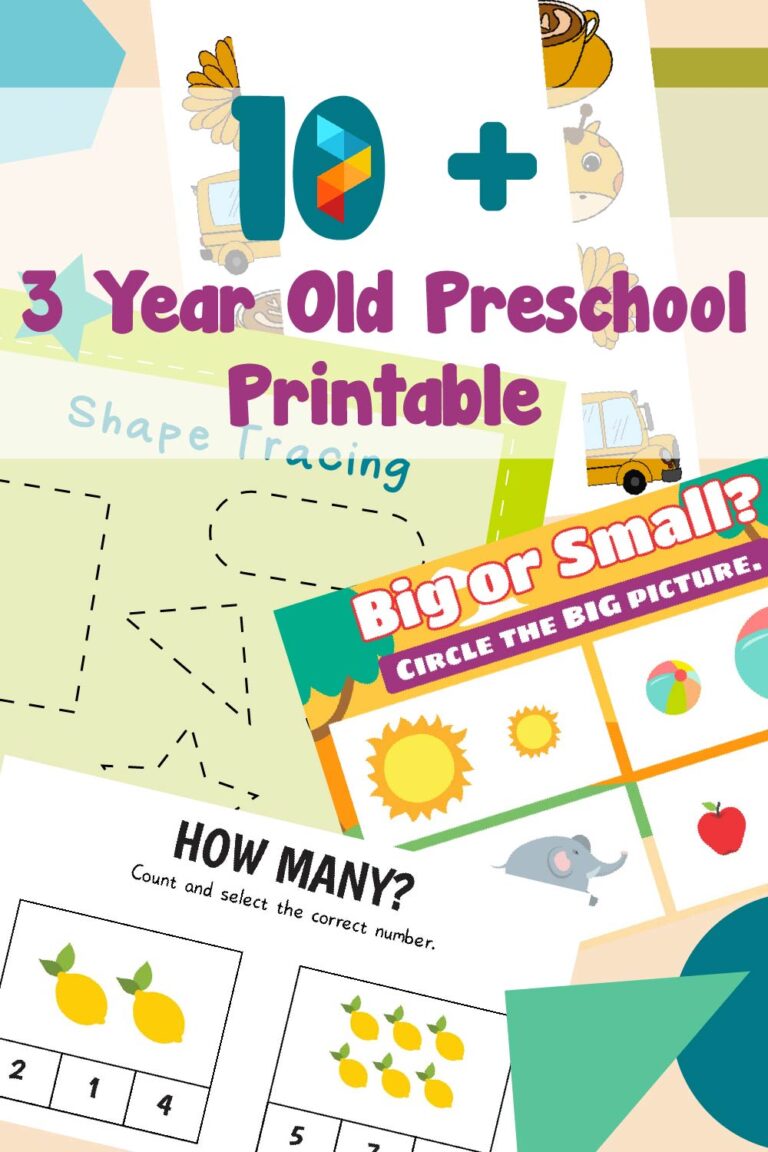
Pre-writing worksheets are suitable for children as young as 3 years old, typically starting in preschool. As children develop their fine motor skills, they can gradually progress to more complex worksheets that focus on letter formation and simple words.
For example, younger children may benefit from worksheets that focus on tracing shapes and lines, while older preschoolers might be ready for worksheets that require them to trace letters or words. It’s important for educators and parents to monitor each child’s progress and adjust the difficulty of the worksheets accordingly.
Incorporating Worksheets Into Daily Routines
Using Pre Writing Worksheets Free Printable can seamlessly fit into daily routines, whether in a classroom or at home. Here are some practical tips for incorporating these worksheets effectively:
- Daily Practice: Set aside a specific time each day for writing practice. This consistency helps children develop a habit and improves their skills over time.
- Themed Worksheets: Choose worksheets that align with holidays, seasons, or themes being taught in the classroom. This can make the activities more relevant and engaging for children.
- Combine with Storytelling: Encourage children to create stories based on the pictures or prompts in the worksheets. This not only enhances writing skills but also fosters creativity and imagination.
- Use Different Mediums: Consider printing worksheets on various types of paper, such as cardstock for durability, or using different writing tools, like crayons or markers, to keep children engaged.
By integrating these worksheets into daily activities, children can practice their skills in a relaxed and enjoyable environment.
Monitoring Progress and Assessing Mastery
One of the most significant benefits of using Pre Writing Worksheets Free Printable is the ability to track progress over time. Teachers and parents can assess a child’s mastery of specific skills by reviewing completed worksheets. Here are some indicators of progress to look for:
- Improved Control: As children practice, you should notice improvements in their pencil grip and control over their movements.
- Consistency: Look for consistency in letter formation and the ability to complete worksheets with less guidance over time.
- Engagement: Observe how engaged children are with the activities. Increased interest often indicates that the child is developing confidence and enjoyment in writing.
Regular assessment can help identify areas where a child may need additional support or practice, allowing for targeted intervention when necessary.