Big Tracing Letters For Preschool: Boost Writing Skills in 2026
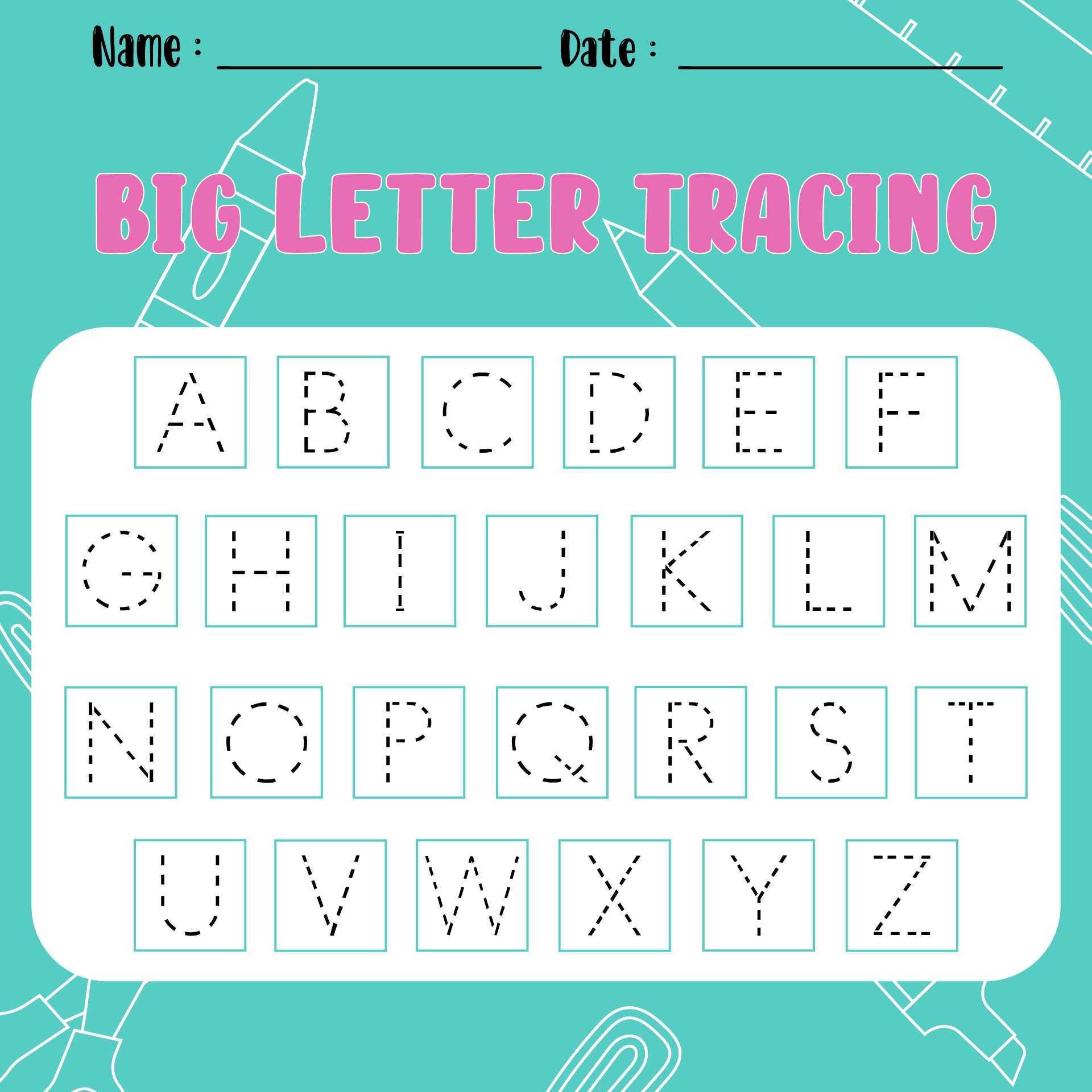
Big Tracing Letters For Preschool are a fantastic tool to help young children develop their writing skills in a fun and engaging way. Unlike other tracing resources, these large letters are specifically designed for preschoolers, making them easy to follow and perfect for little hands. By using these tracing letters, educators and parents can create an interactive learning experience that not only teaches letter formation but also fosters a love for writing from an early age.
Understanding the Importance of Tracing Letters
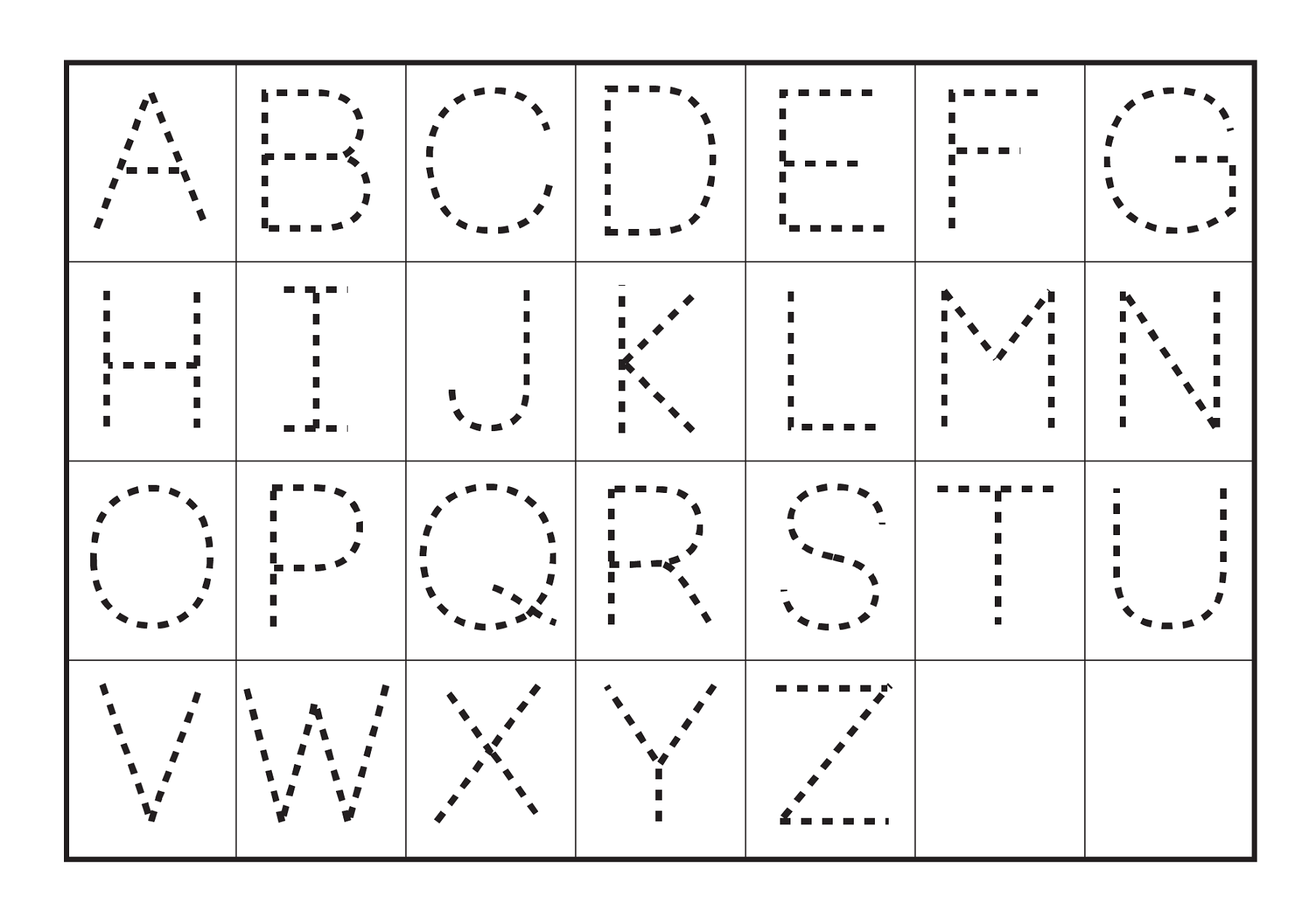
Tracing letters is a foundational skill for preschoolers, as it builds muscle memory and hand-eye coordination. This activity is not just about writing; it’s about developing fine motor skills that are crucial for many other tasks. When children trace big letters, they practice how to hold writing tools correctly while also learning the shapes of each letter. This is especially important for preschoolers who are just beginning their literacy journey.
For effective learning, it’s crucial to introduce tracing at the right time. Typically, preschoolers aged 3 to 5 are in the best position to benefit from tracing exercises, as they are developing their gross and fine motor skills rapidly.
Layout and Features of Big Tracing Letters
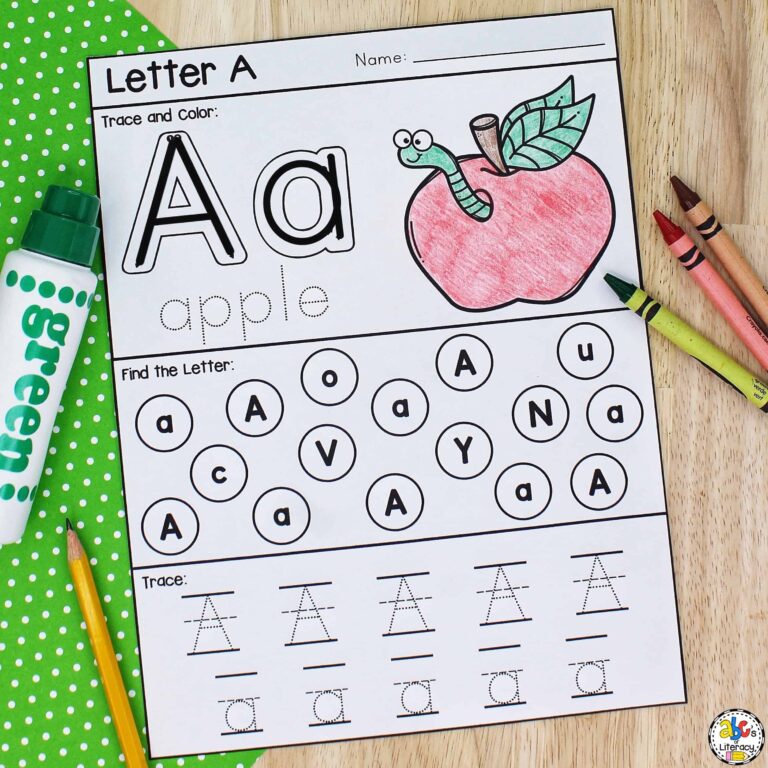
When you look at Big Tracing Letters For Preschool, the layout is designed with specific features that enhance usability:
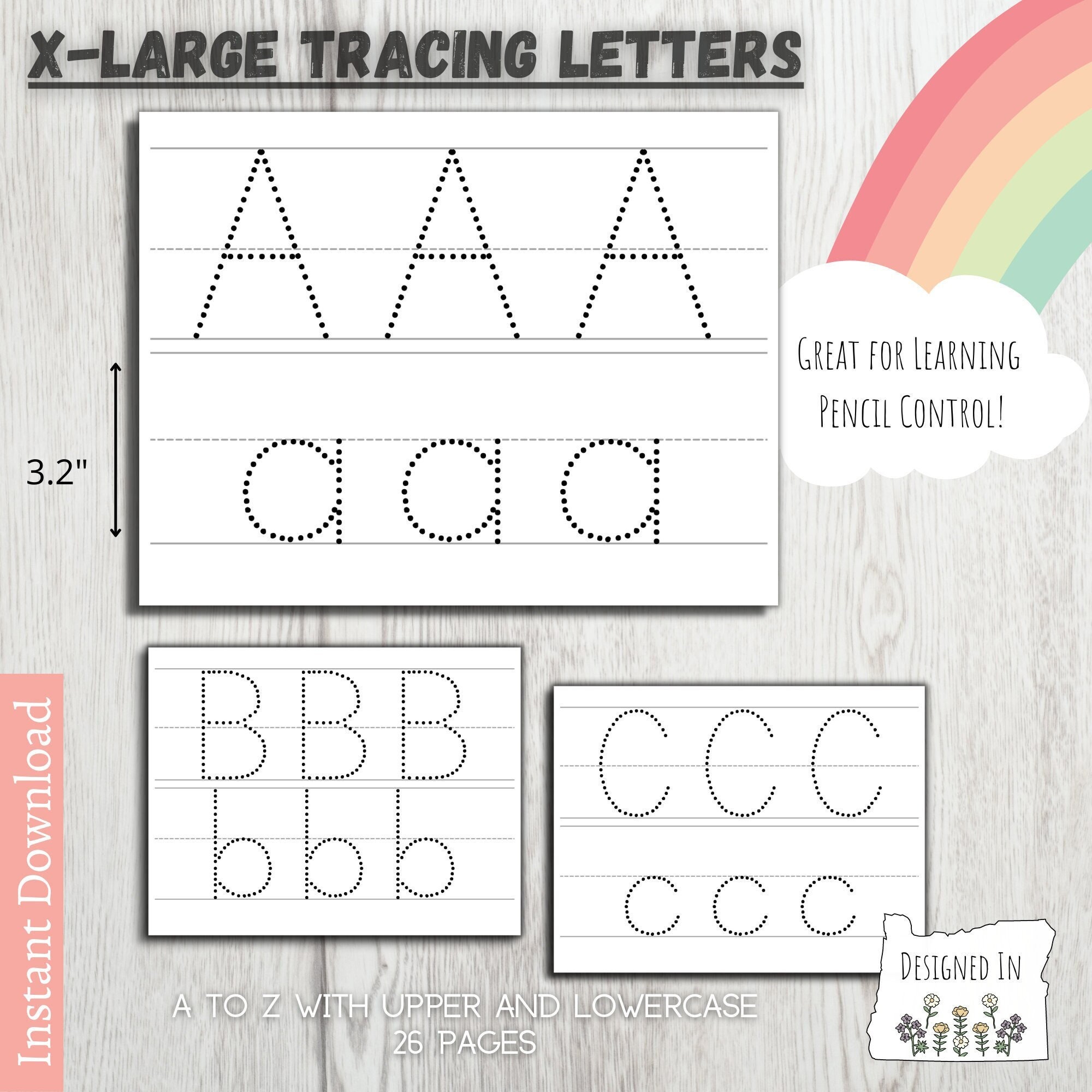
- Large Font Size: The letters are oversized, allowing children to see the shapes clearly and trace them without straining. This visual clarity helps them understand the structure of each letter.
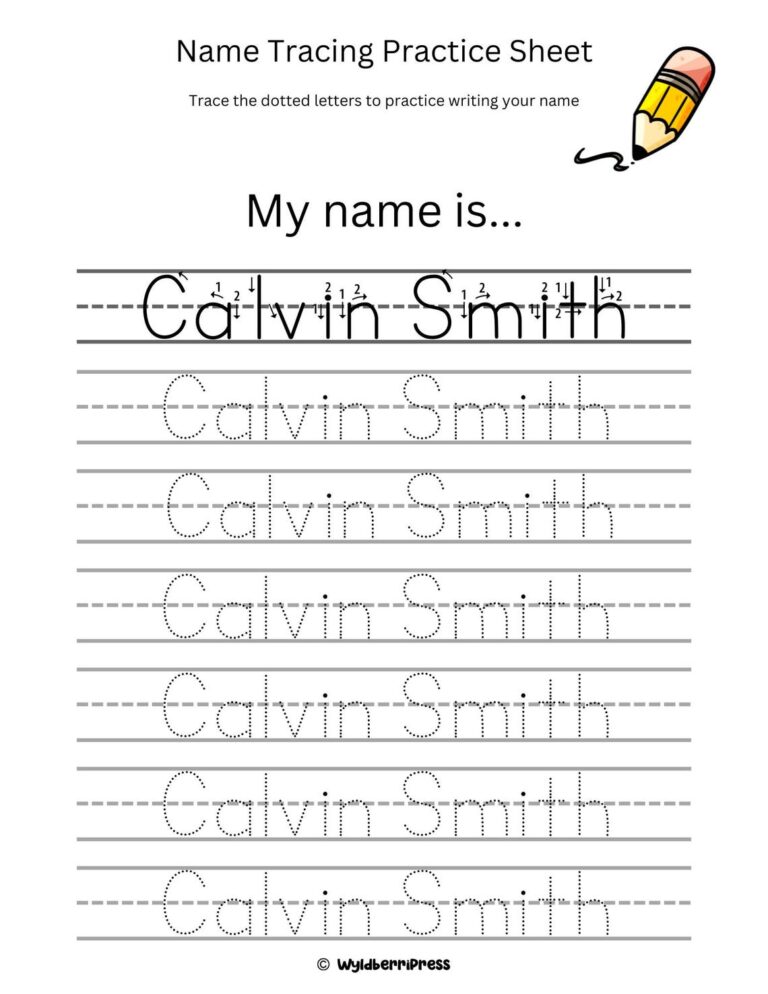
- Dotted Lines: The letters are often presented in dotted forms, providing a clear path for tracing. This can help children learn the direction and sequence of strokes needed to write each letter correctly.
- Variety of Fonts: Some resources offer different styles, such as print and cursive, allowing educators to choose what best fits their teaching plan.
- Printable Format: These resources are typically available in PDF format, which makes it easy to print multiple copies for classroom or home use.
This thoughtful design ensures that children can focus on their writing without being overwhelmed by too much information on the page.
How to Incorporate Tracing Letters Into Learning Sessions
Integrating Big Tracing Letters into your teaching routine can be done seamlessly with just a few simple steps:
- Set Up a Tracing Station: Create a dedicated space with all necessary materials, including tracing sheets, pencils, or crayons. Keeping this area organized will encourage children to engage with the activity.
- Demonstrate the Activity: Show children how to trace the letters properly. You might want to do a few examples on a whiteboard or with a marker to illustrate the correct movements.
- Encourage Independent Practice: Once children understand the task, let them practice on their own. This is where they will build confidence in their writing skills.
- Incorporate Games: Turn tracing into a game. For example, you can time how quickly they can trace a set of letters or use letter tracing as part of a themed lesson plan.
- Provide Feedback: After tracing, review their work with positive reinforcement. Highlight what they did well and provide gentle corrections where necessary.
By pacing the sessions and keeping them engaging, children will likely show improvement and a growing interest in writing.
Additional Activities to Complement Tracing
To further reinforce the skills learned through tracing, consider adding these activities:
- Letter Recognition Games: Use flashcards or letter magnets to help children identify letters before they begin tracing them. This builds their recognition skills.
- Sensory Tracing: Encourage children to trace letters in sand, rice, or even with their fingers on textured surfaces. This tactile experience can enhance their understanding of letter shapes.
- Storytime Integration: Incorporate books that focus on letters. After reading, have children trace letters that appear in the story.
These complementary activities not only provide variety but also help solidify the connection between letters and their use in language.