Blank Tracing Pages For Preschoolers: Enhance Learning in 2026
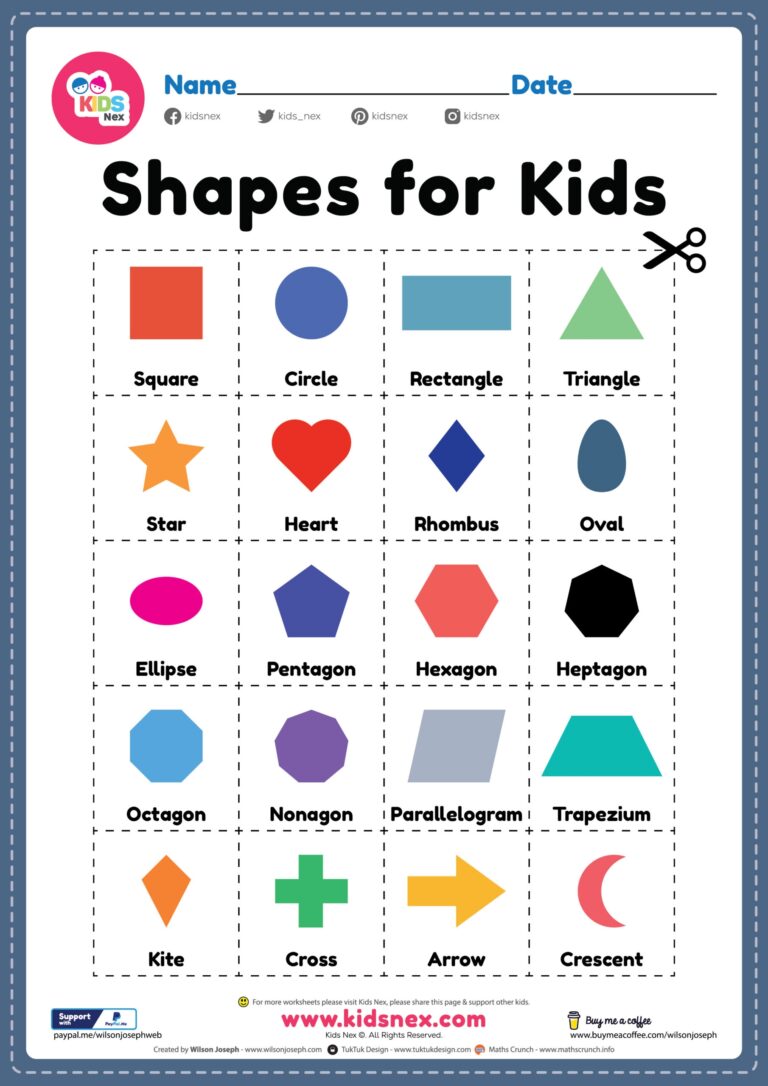
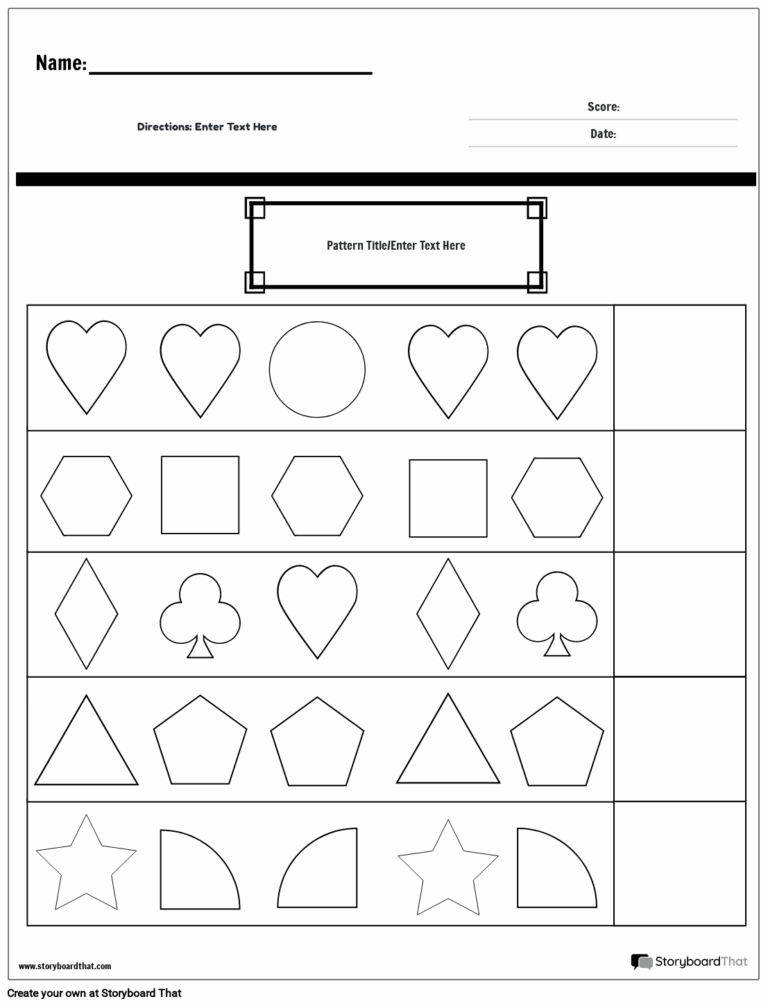
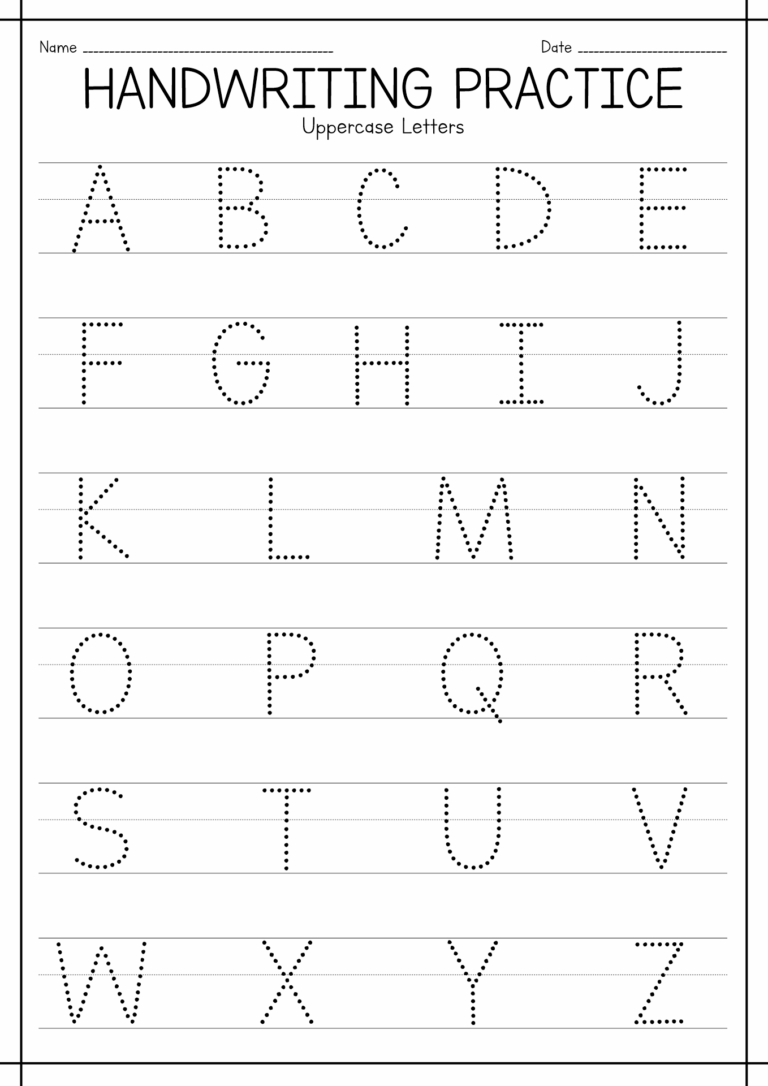
Blank Tracing Pages For Preschoolers are an excellent resource for enhancing fine motor skills and early literacy. Typically designed in an 8.5″ x 11″ format, these printable worksheets allow young children to practice tracing letters, numbers, shapes, and even simple images. Using these pages can significantly help preschoolers develop their writing abilities, hand-eye coordination, and confidence as they prepare for more advanced writing tasks.
Benefits of Using Blank Tracing Pages
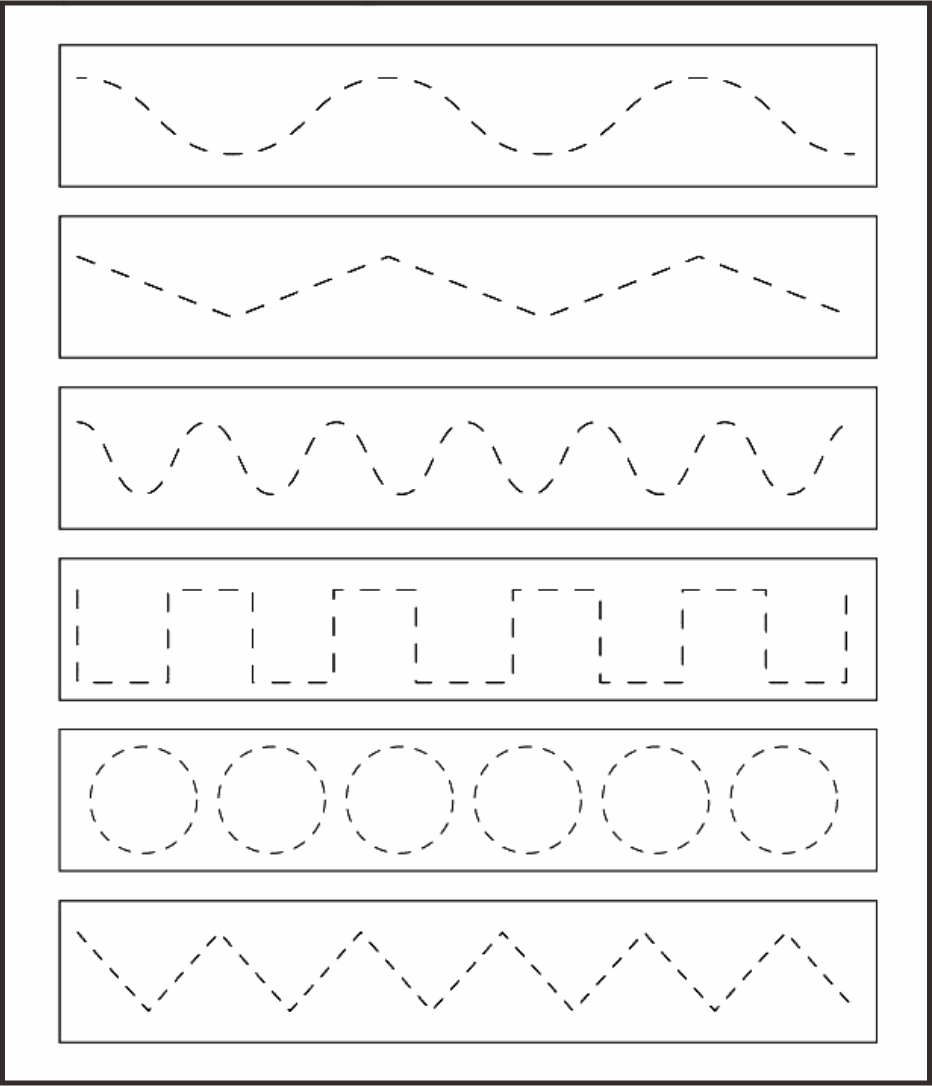
Blank tracing pages serve multiple educational purposes. They can be instrumental in:
- Fine Motor Skill Development: Tracing helps strengthen the small muscles in a child’s hands and fingers, preparing them for writing.
- Visual-Spatial Awareness: Children learn to understand the relationship between objects, which is crucial for geometry and art later on.
- Cognitive Skills: Tracing letters and numbers reinforces recognition and recall, aiding in early literacy and numeracy.
By incorporating these tracing pages into your teaching toolkit, you can provide preschoolers with a fun and engaging way to practice essential skills.
How to Use Blank Tracing Pages Effectively
When using Blank Tracing Pages For Preschoolers, consider the following practical approaches to maximize their effectiveness:
Structured Tracing Sessions
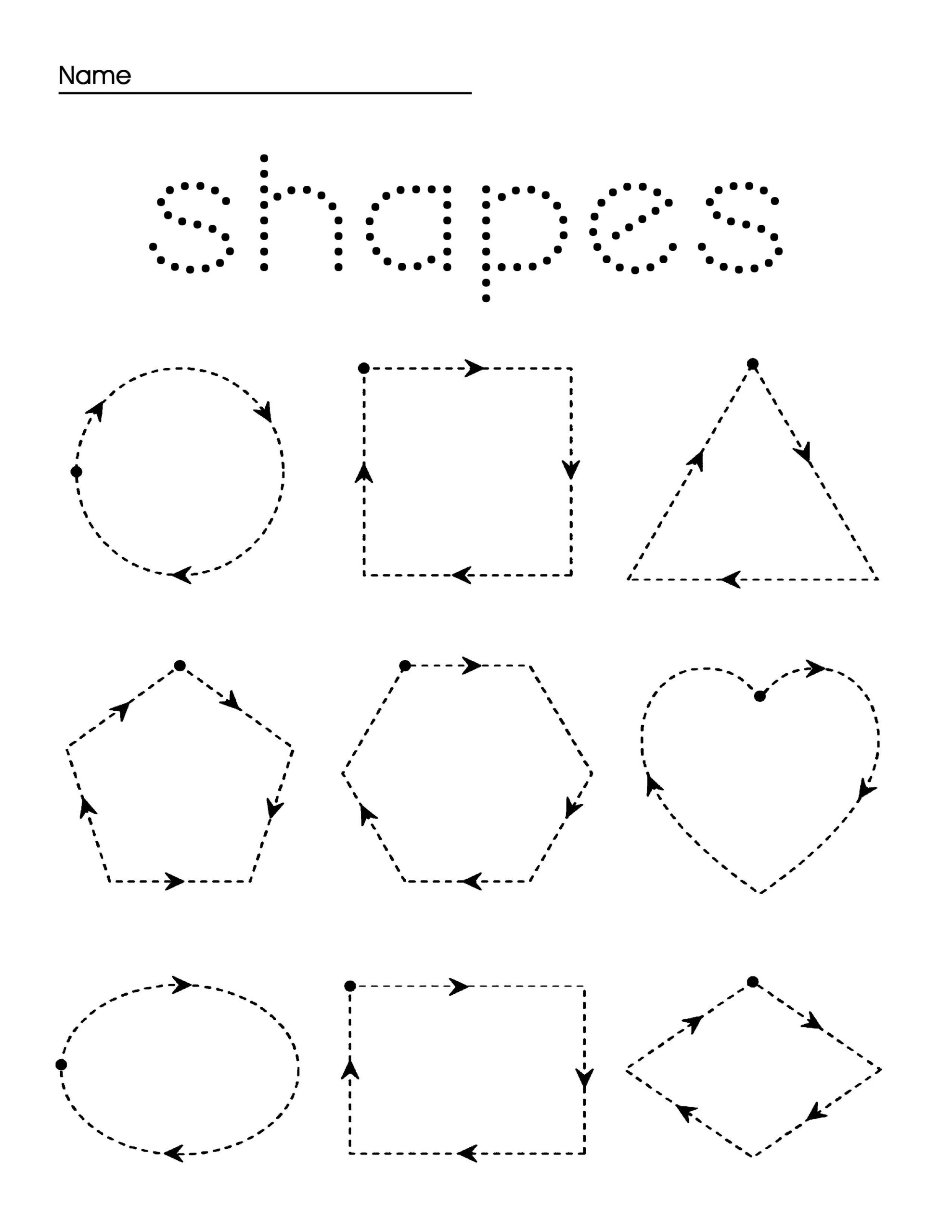
- Set Clear Objectives: Decide what skills you want the children to practice during each session. Whether it’s letters, shapes, or numbers, having a clear focus helps guide the activity.
- Provide Guidance: While the goal is for children to work independently, offer guidance initially. Show them how to hold a pencil correctly and encourage them to start tracing from the top of each letter or number.
- Encourage Consistency: Regular practice is key. Try to incorporate tracing pages into your daily routine. A few minutes each day can lead to significant improvements over time.
Incorporating Creativity
Encourage creativity by allowing children to decorate their traced letters or numbers. After tracing, they can color in the shapes or add their own designs. This not only makes the activity more enjoyable but also nurtures their artistic skills.
Choosing the Right Format
When selecting Blank Tracing Pages For Preschoolers, consider the layout and design. A few essential formats include:
- Portrait Orientation: This is the most common layout for tracing pages and works well with standard home printers.
- Landscape Orientation: Useful for larger letters or images, giving children more space to trace.
- Variations in Line Thickness: Some pages may have thicker or thinner lines, catering to different skill levels. Thicker lines are generally easier for younger children to trace.
If you plan to laminate the pages for repeated use, consider using cardstock, which holds up better than standard printer paper.
Where to Find Printable Resources
A variety of websites offer free and paid Blank Tracing Pages For Preschoolers. These resources often come with different themes or subjects, such as animals, seasonal motifs, or educational content. Look for sites that allow you to download, print, and use the materials immediately, so you can get started right away.
- Educational Websites: Many educational platforms provide free downloads. These can be great for creating thematic units around holidays or seasons.
- Teacher Resource Sites: Websites geared toward educators often have a wealth of printable materials, including tracing pages that align with specific curriculum standards.
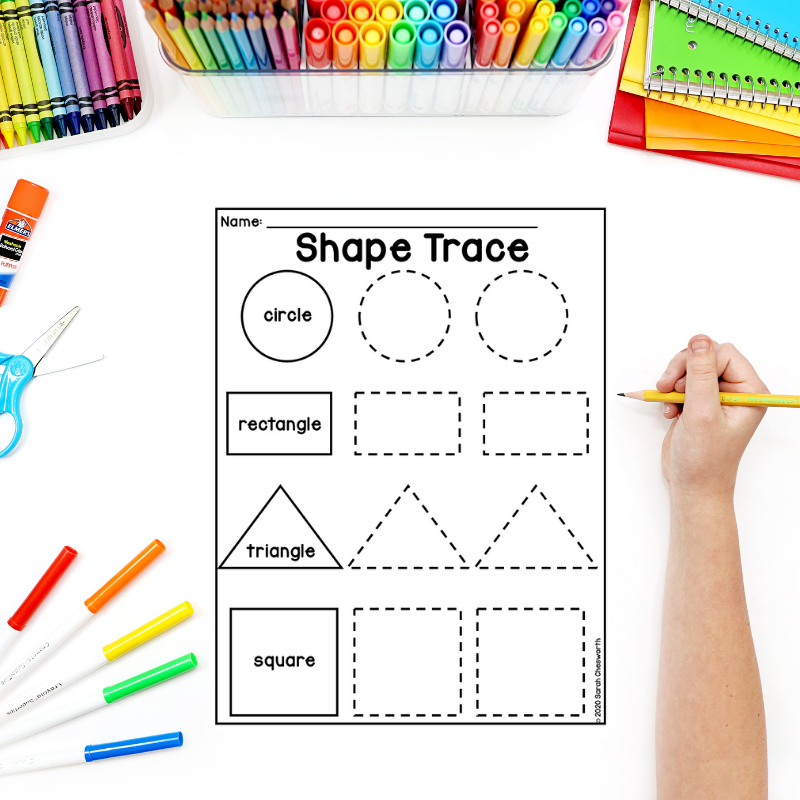
Tips for Enhancing the Tracing Experience
To make tracing more engaging for preschoolers, consider these additional tips:
- Use Fun Writing Tools: Let children use colored pencils, markers, or even crayons to make tracing more exciting. Different colors can motivate them to participate actively.
- Incorporate Technology: If you have access to tablets or computers, consider using tracing apps that allow children to practice writing digitally. This can be especially appealing to tech-savvy kids.
- Create a Reward System: Implement a simple reward system for completed tracing pages. Stickers or stamps can motivate children to continue practicing.
By enhancing the tracing experience with these strategies, you’ll likely see improved engagement and skill retention among your preschoolers.