Pre-K Abc Tracing Worksheets
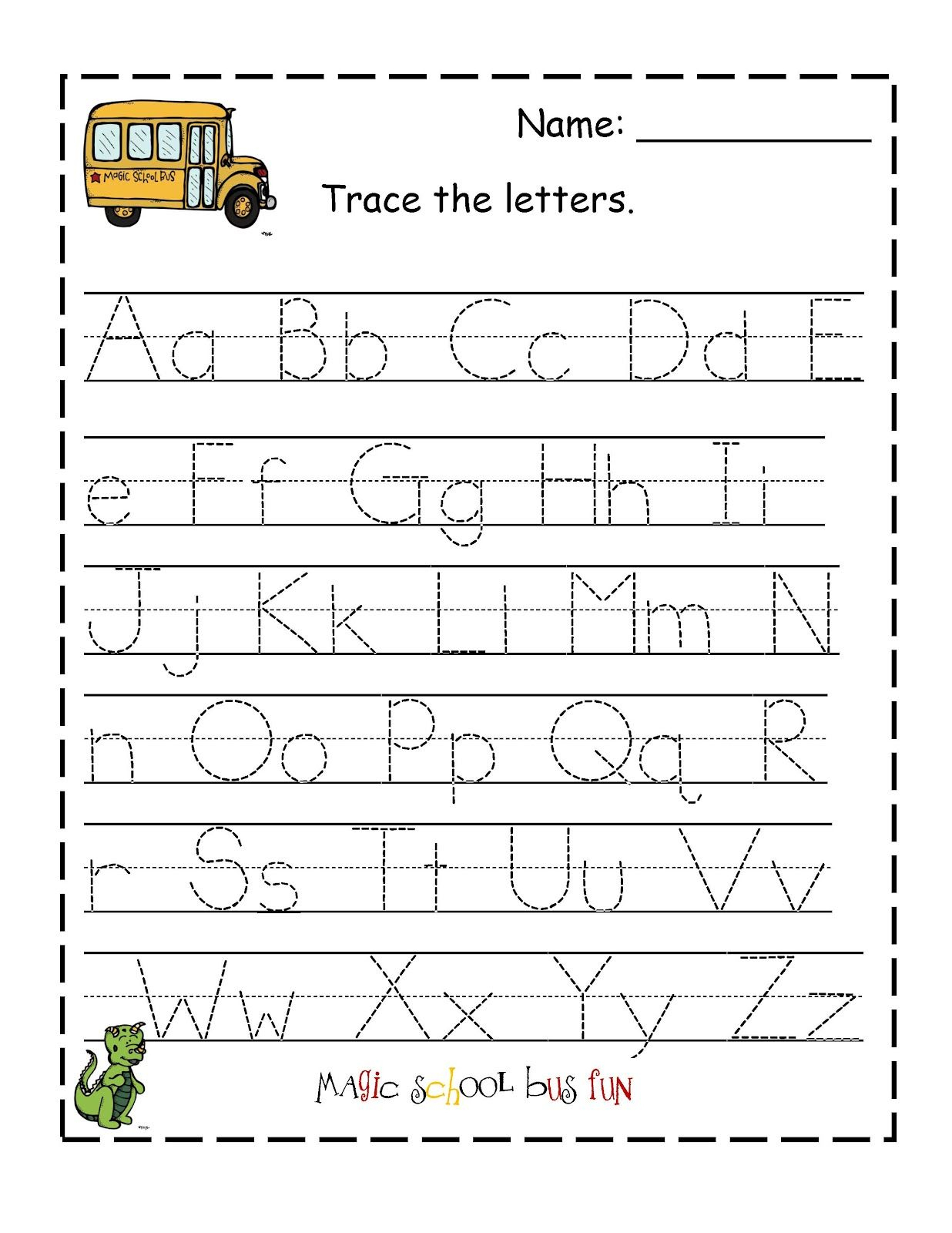
Pre-K Abc Tracing Worksheets are essential tools for young learners, designed to help them practice letter formation while developing their fine motor skills. These worksheets typically come in a printable format, making them easy to access and use at home or in a homeschool setting. With a focus on both upper and lower case letters, these worksheets provide children with the opportunity to trace, practice, and ultimately master the alphabet.
Understanding the Layout and Design
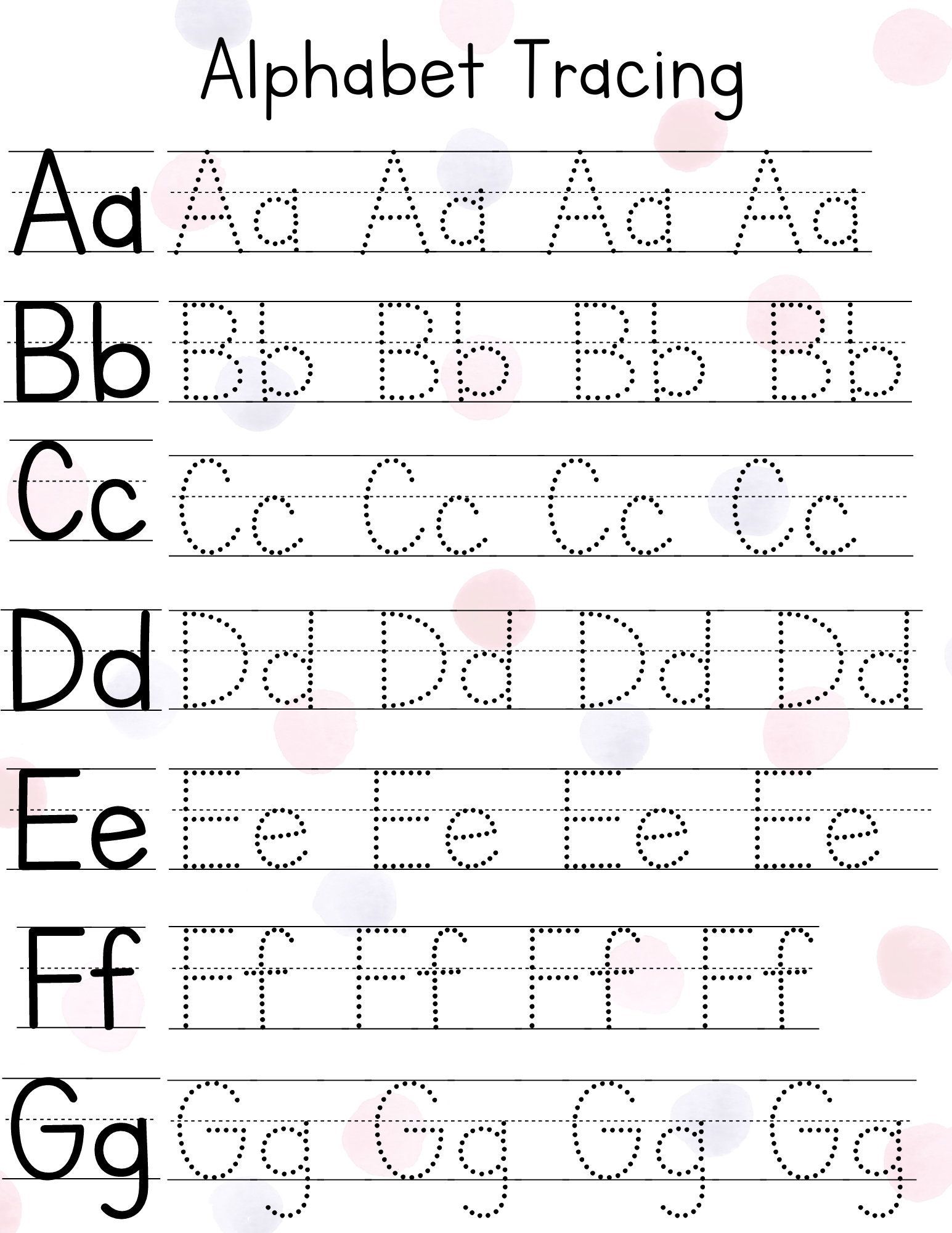
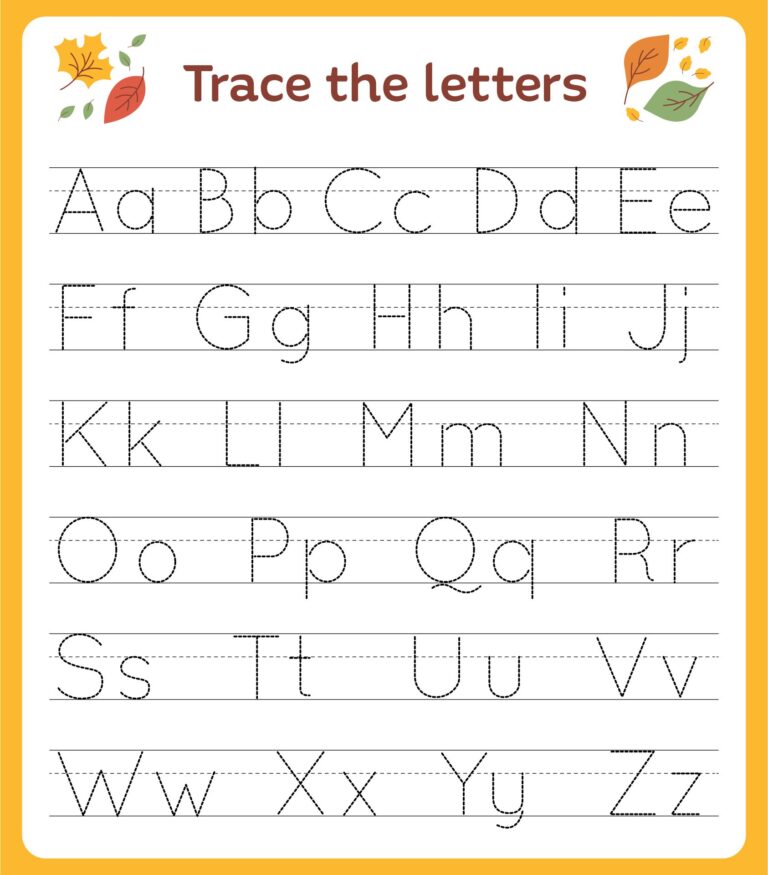
When selecting Pre-K Abc Tracing Worksheets, pay attention to the layout and design. Most worksheets feature a clear, user-friendly format. You’ll often find large, bold letters at the top of the page, allowing children to easily identify the letter they will be tracing. Beneath these letters, tracing lines are typically provided, often in a dashed format, which enables children to follow along as they practice writing.
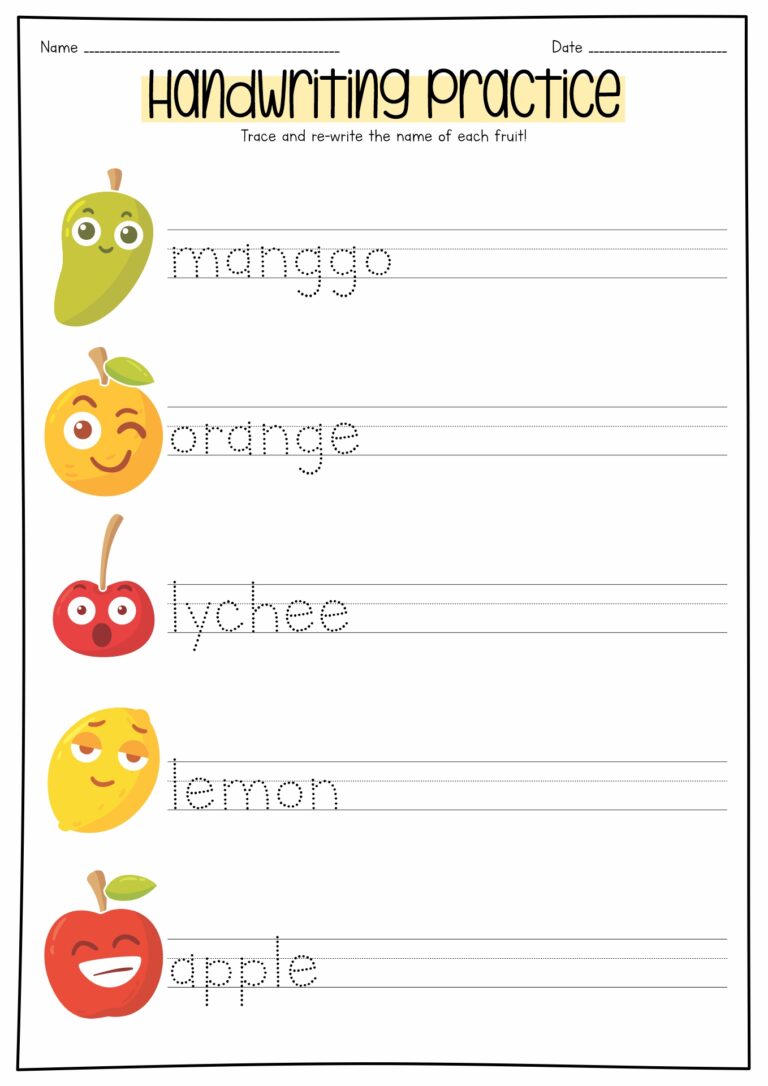
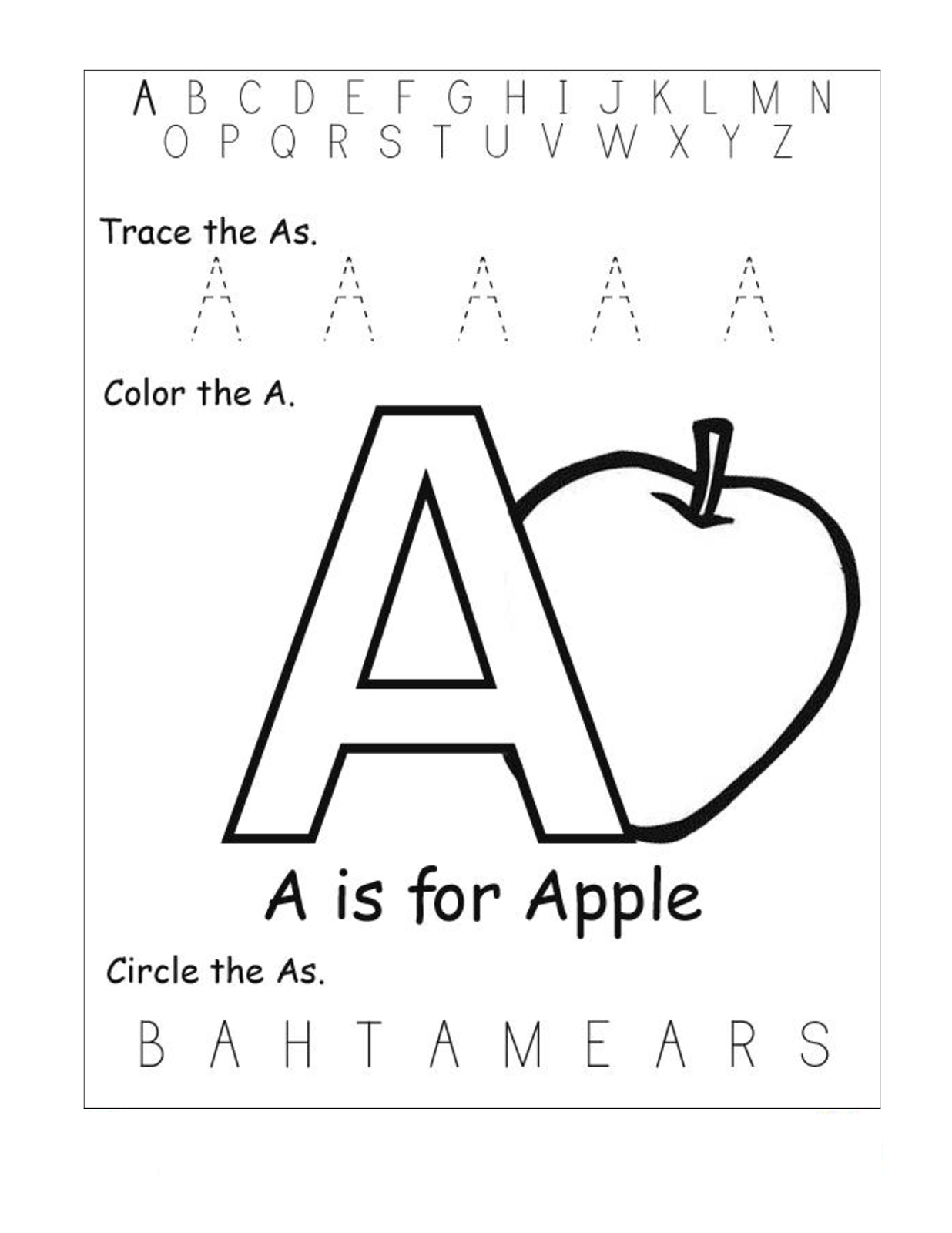
The design may also include playful illustrations or themes related to the letter being studied, which can engage children’s imaginations and make learning more enjoyable. For example, a worksheet focused on the letter “A” might feature an apple graphic alongside the tracing letters. This approach not only reinforces letter recognition but also builds vocabulary.
Activities to Enhance Learning
Integrating Pre-K Abc Tracing Worksheets into daily activities can significantly enhance a child’s learning experience. For instance, after tracing the letters, children can be encouraged to identify objects around the house that start with the same letter. This exercise reinforces letter-sound associations and can easily fit into a typical afternoon routine.
In addition to tracing, consider pairing these worksheets with creative activities. For example, after practicing the letter “B,” children can color in pictures of balloons or butterflies. This adds a tactile element to learning and helps solidify their understanding through multiple senses.
Choosing the Right Paper and Printing Options
When printing Pre-K Abc Tracing Worksheets, select appropriate paper to ensure durability. Standard printer paper works fine, but using cardstock can enhance the longevity of the worksheets, especially if they will be reused. If you plan to laminate the sheets for repeated use, cardstock is the better choice, as it holds up well under various conditions.
In terms of print settings, using a portrait orientation is typically more practical for most home printers. Ensure your printer settings are adjusted for high-quality printing to bring out the colors and details of any accompanying graphics.
Incorporating Worksheets Into a Daily Routine
For homeschoolers or parents, integrating Pre-K Abc Tracing Worksheets into a daily routine can be seamless. Set aside a specific time each day for focused learning, such as after lunch or as part of a morning routine. A consistent schedule helps children anticipate and look forward to their learning activities.
To make the tracing practice more interactive, consider using a reward system. For example, after completing a set number of worksheets, children can earn a small reward, such as extra playtime or a special treat. This motivates them to engage with the material and reinforces positive learning habits.
Exploring Variations of Tracing Worksheets
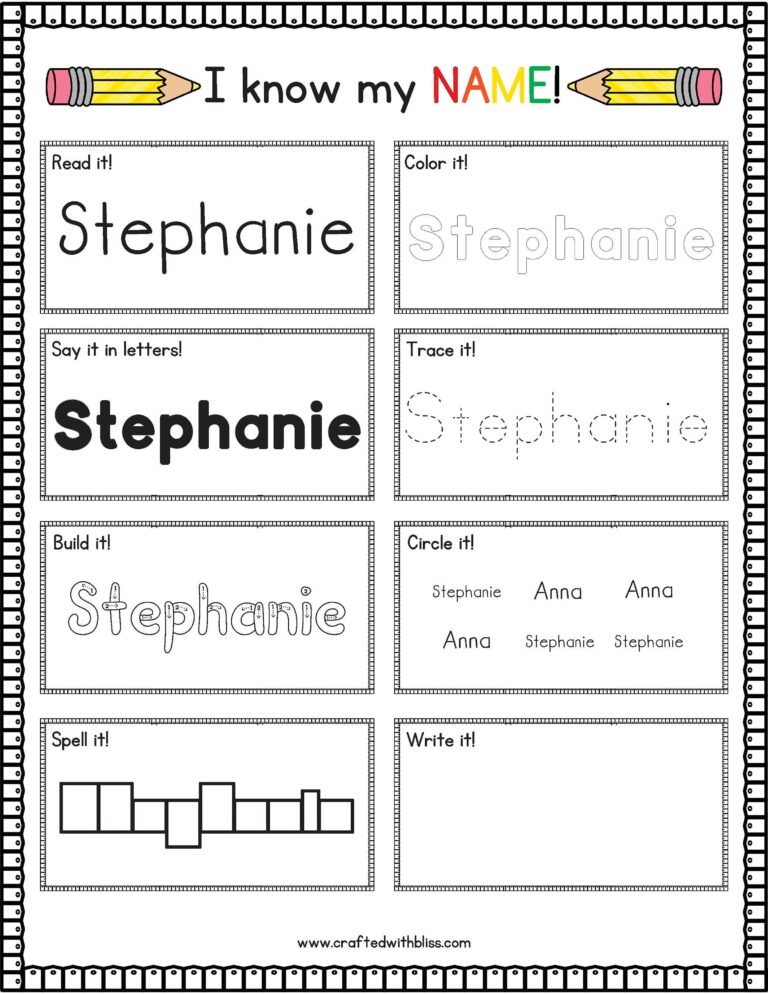
While the core purpose of Pre-K Abc Tracing Worksheets is to develop handwriting skills, variations can cater to different learning styles and preferences. Some worksheets incorporate additional elements, such as dots for guiding letter formation or space for children to write the letter independently after tracing.
Additionally, themed worksheets can align with holidays or seasons, making learning more relevant and exciting. For instance, worksheets themed around Halloween might feature pumpkins or ghosts, while spring-themed worksheets could include flowers and butterflies. This thematic approach can capture children’s interest and motivate them to practice their letters.
Final Tips for Effective Usage
To maximize the effectiveness of Pre-K Abc Tracing Worksheets, consider combining them with other literacy activities. Reading books that emphasize the letters being practiced can reinforce learning. For example, if children are working on the letter “S,” you might read a story featuring a snake or a star.
Another effective strategy is to incorporate multisensory activities. Using sand, finger paint, or even playdough for letter formation can enhance muscle memory and make the learning process more engaging. Children can trace letters in sand or mold them with playdough, reinforcing their understanding through tactile experiences.
Overall, Pre-K Abc Tracing Worksheets are a valuable resource for early literacy development. By choosing high-quality worksheets and incorporating them into structured learning routines, parents and educators can help children build a strong foundation in writing and letter recognition. Consider blending traditional tracing with innovative learning activities to create a well-rounded educational experience.