Blank Handwriting Worksheets For Preschool: Boost Writing Skills in 2026
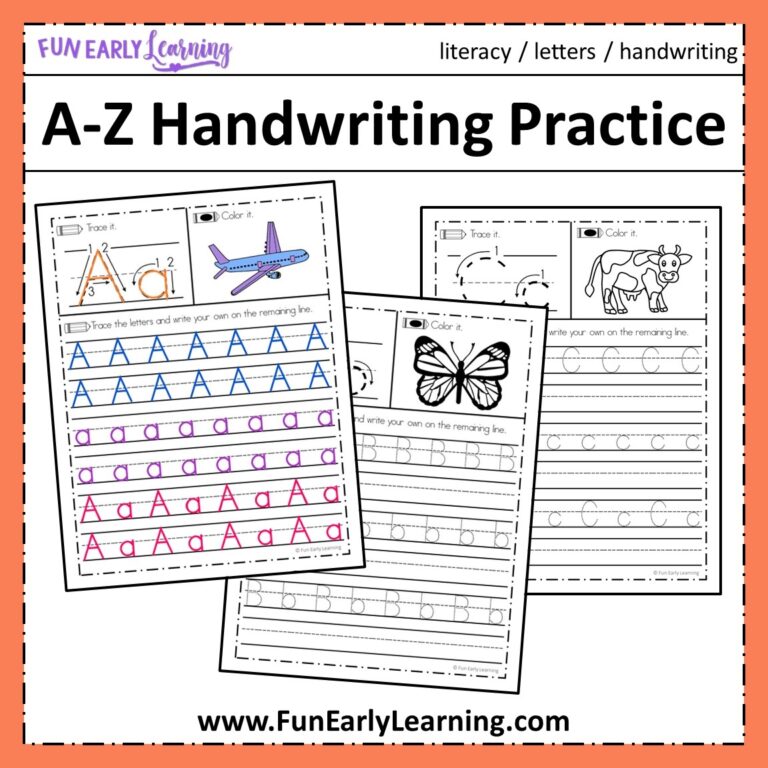
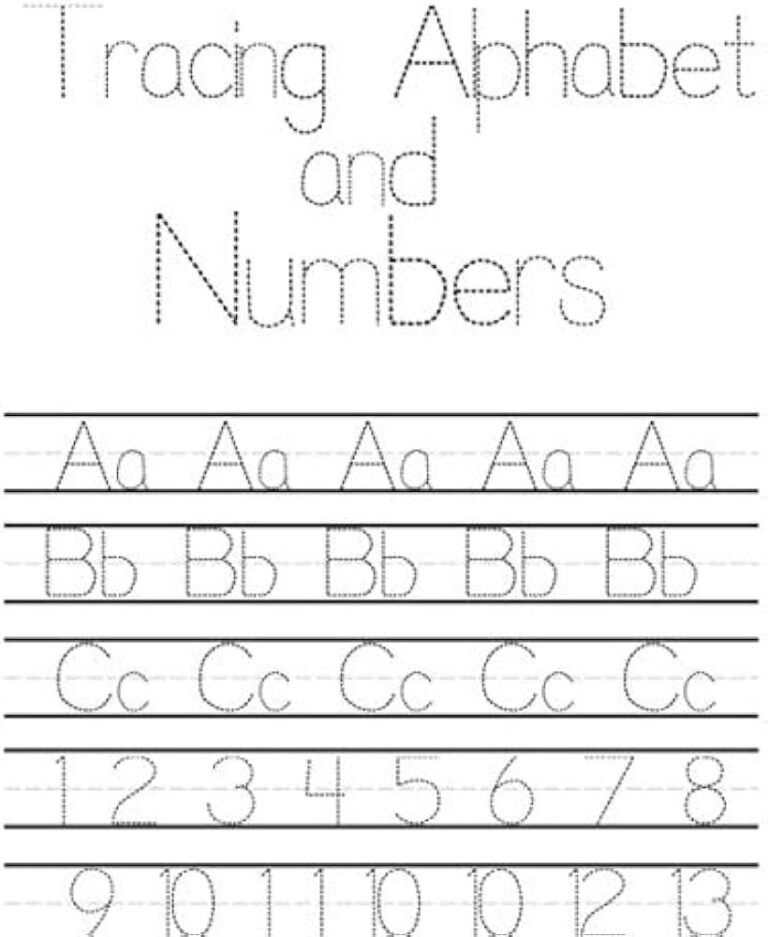
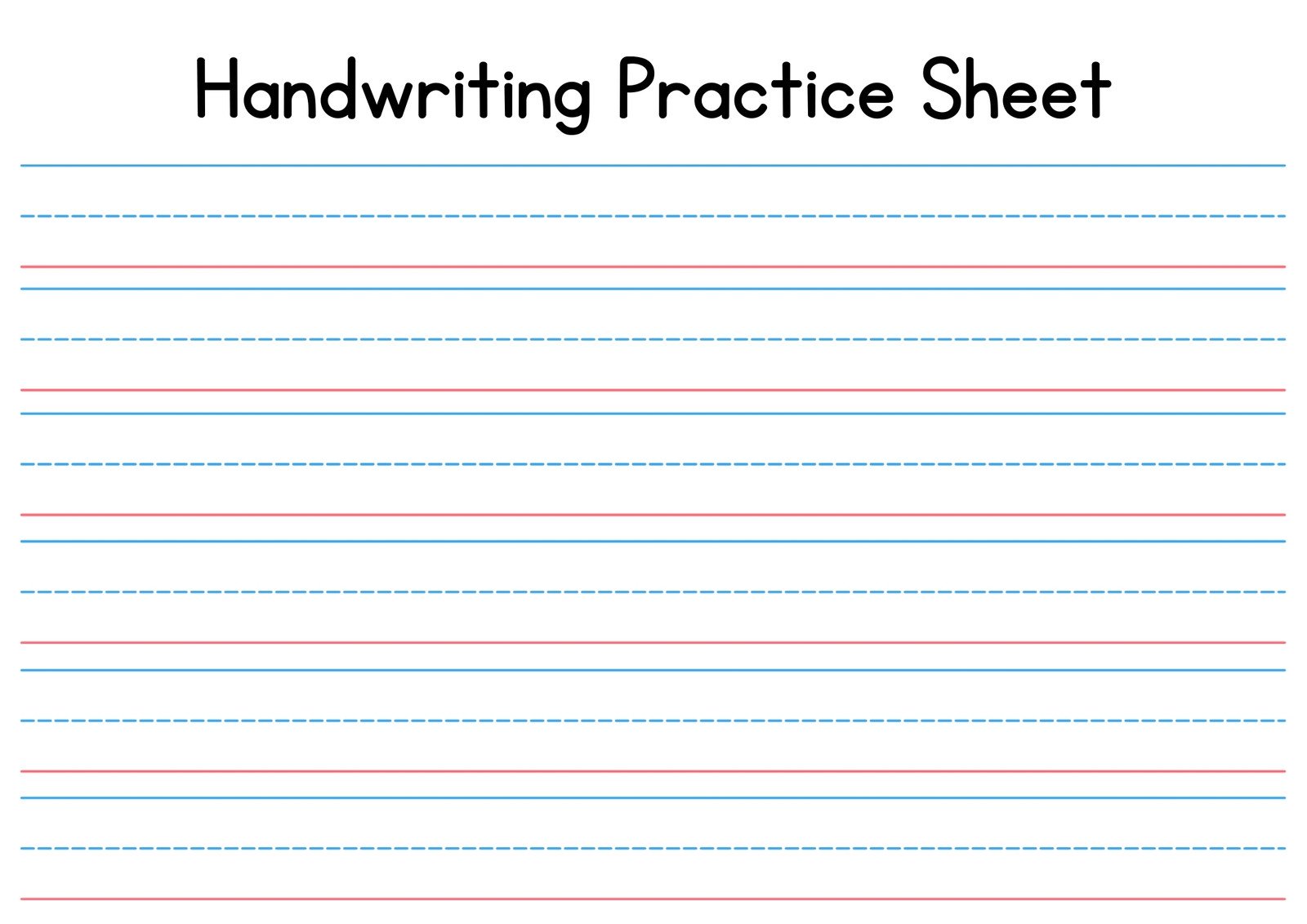
Blank Handwriting Worksheets For Preschool are essential tools for helping young children develop their writing skills. These worksheets typically feature a variety of lines and guides that encourage children to practice letter formation, spacing, and overall handwriting. As preschoolers embark on their writing journey, these specially designed resources provide a structured approach to learning that can be effectively used in both classroom and home settings.
Understanding Handwriting Development in Preschoolers
Handwriting development is a crucial aspect of early childhood education. At this stage, children are not just learning to write letters; they are also enhancing their fine motor skills, hand-eye coordination, and cognitive abilities. When using Blank Handwriting Worksheets For Preschool, it’s essential to understand the developmental milestones that children typically achieve between ages 3 to 5:
- Fine Motor Skills: Children strengthen their finger muscles and dexterity through activities like tracing and writing.
- Letter Recognition: Worksheets help children recognize both uppercase and lowercase letters.
- Understanding Directionality: Kids learn the correct direction to write letters, which is fundamental for proper writing skills.
By providing worksheets that cater to these developmental stages, you help nurture confidence and competence in young writers.
Key Features of Effective Handwriting Worksheets
When selecting Blank Handwriting Worksheets For Preschool, it’s important to look for specific features that enhance learning and engagement. Here are some characteristics to consider:
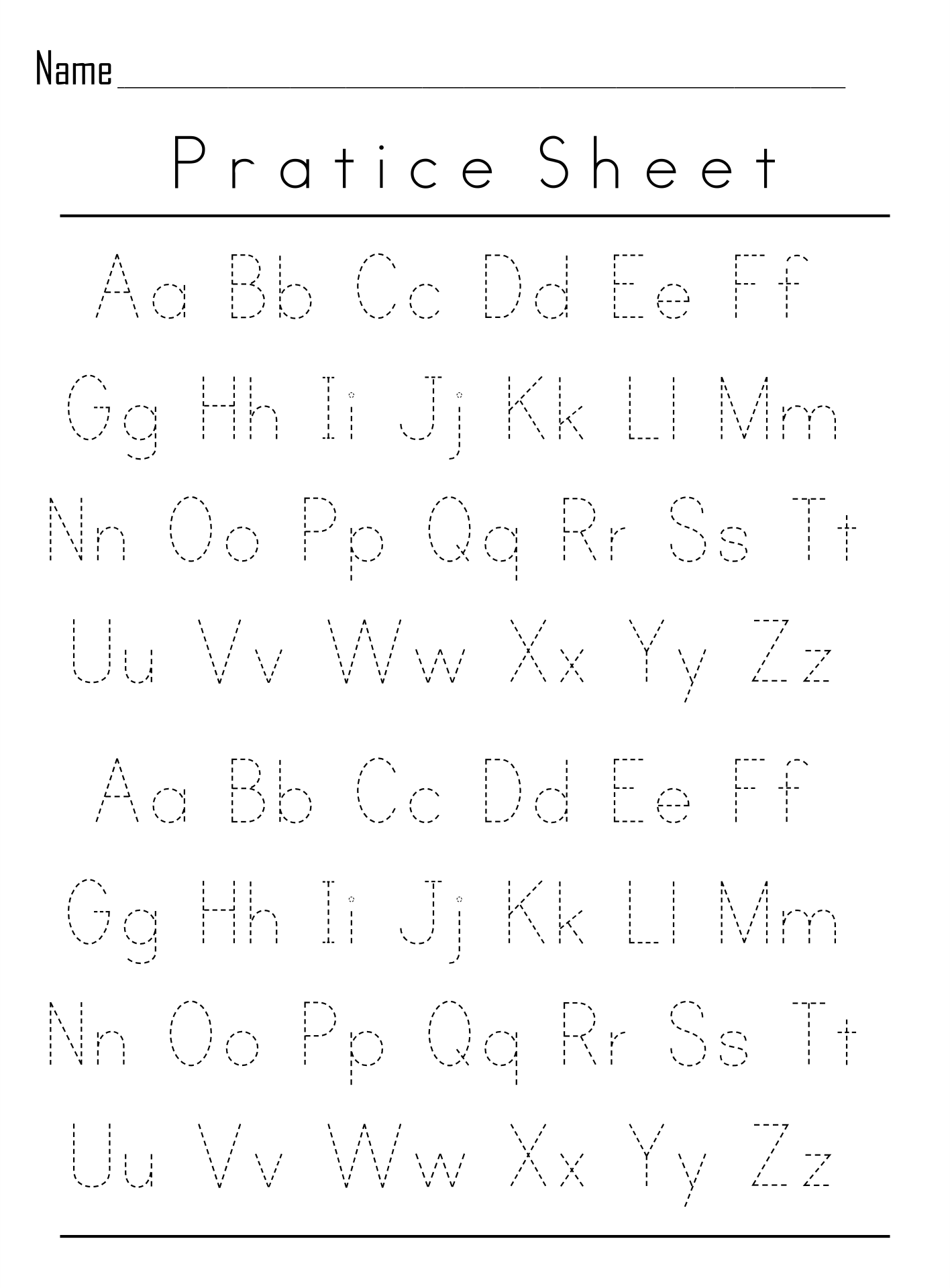
- Variety of Letter Formats: Worksheets should include both uppercase and lowercase letters, as well as numbers and shapes.
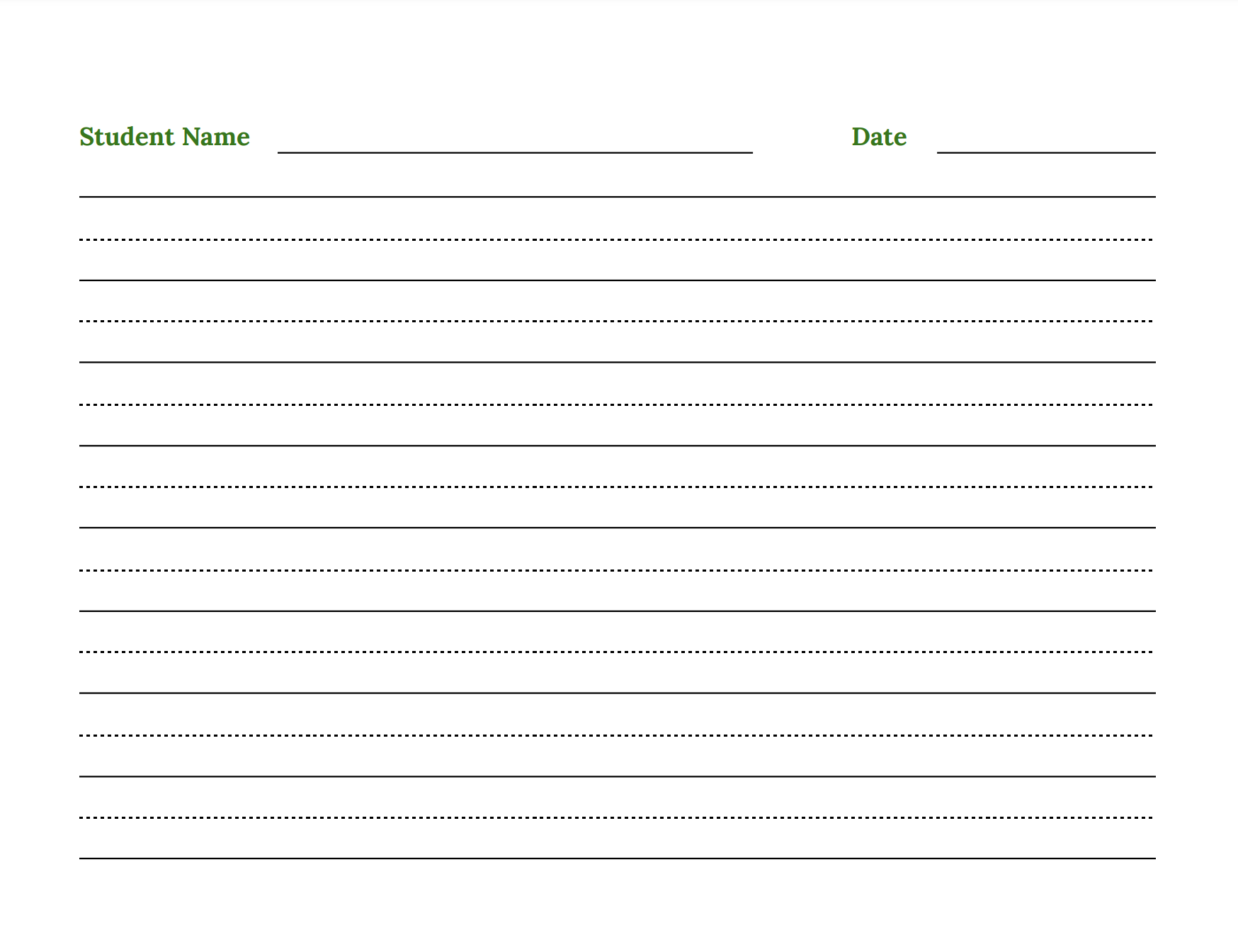
- Guided Lines: Worksheets should have dashed or dotted lines to help children learn where to start and stop when forming letters.
- Themed Worksheets: Incorporating themes (e.g., animals, seasons, holidays) can make practice more enjoyable and relevant to children’s interests.
- Space for Drawing: Some worksheets provide space for children to draw, which helps them express creativity while practicing writing.
These features not only make the worksheets more effective but also keep children motivated and excited about learning.
How to Use Blank Handwriting Worksheets in the Classroom
Integrating Blank Handwriting Worksheets For Preschool into your teaching can be straightforward and rewarding. Here are some practical tips for educators to maximize their use:
- Routine Practice: Incorporate handwriting practice into your daily schedule. Even 10-15 minutes of focused writing can yield significant improvements over time.
- Use Different Mediums: Encourage children to practice writing not only on paper but also with crayons, markers, or even in sand. This multisensory approach can reinforce learning.
- Model Writing: Demonstrate how to correctly form letters and words. Show students the proper grip and posture for holding writing instruments.
- Create a Writing Center: Designate a space in your classroom where children can access writing materials, including worksheets, pencils, and other creative tools. This encourages independent practice.
- Track Progress: Keep samples of students’ work to track their progress over time. This can help you identify areas where they may need additional support.
Tips for Parents Using Handwriting Worksheets at Home
Parents can also effectively utilize Blank Handwriting Worksheets For Preschool to support their children’s learning at home. Here are some strategies to enhance the experience:
- Set Up a Writing Station: Create a dedicated space at home with all the necessary supplies, including worksheets, pencils, erasers, and fun decorative items.
- Incorporate Play: Turn handwriting practice into a game. For example, use a timer to see how many letters they can write in a minute or create a story using words they learned.
- Positive Reinforcement: Celebrate achievements, no matter how small. Praise their efforts and display completed worksheets on the refrigerator to boost their confidence.
- Daily Writing Practice: Encourage children to write about their day or create simple stories. This helps them apply their handwriting skills in a meaningful way.
Downloading and Printing Handwriting Worksheets
When looking for Blank Handwriting Worksheets For Preschool, consider the following practical tips for downloading and printing:
- File Formats: Look for worksheets available in PDF format, as these maintain quality and formatting when printed.
- Printer Settings: For best results, use a standard letter size (8.5 x 11 inches) and set your printer to ‘fit to page’ if needed. Portrait layout is generally better for handwriting worksheets.
- Paper Type: Regular printer paper works fine, but if you expect the worksheets to be reused or if you want to laminate them for durability, consider thicker cardstock.
- Accessibility: Many websites offer free or low-cost resources, so check for licensing terms. Some may even require an account to download materials.
By following these guidelines, you can ensure a smooth experience when utilizing handwriting worksheets, making it easier for both teachers and parents to support children’s writing development.