Cutting Shapes Worksheets For Preschoolers
Cutting shapes worksheets for preschoolers are fantastic tools for helping young children develop their fine motor skills while learning about different shapes. These worksheets provide an enjoyable way for kids to practice cutting, which is an essential skill for their overall development. As parents, you’re always on the lookout for educational resources that are not only effective but also fun. In this article, I’ll guide you through the benefits of these worksheets, how to use them effectively, and what to look for when choosing the best ones for your little learners.
Why Use Cutting Shapes Worksheets?
Cutting shapes worksheets are designed specifically for preschoolers, making them ideal for children aged 3 to 5 years. These worksheets serve multiple purposes:
- Fine Motor Skills Development: Cutting helps strengthen hand muscles, improve hand-eye coordination, and refine grip, which are crucial for future writing skills.
- Shape Recognition: As kids cut out various shapes, they become more familiar with them, helping to enhance their vocabulary and shape identification skills.
- Focus and Patience: Engaging in cutting activities teaches children to concentrate and follow directions, which are important skills in their educational journey.
- Creativity and Imagination: Once they cut out the shapes, children can use them for crafts or projects, allowing them to express their creativity.
How to Incorporate Cutting Shapes Worksheets Into Learning Routines
Integrating cutting shapes worksheets into your child’s daily routine can be simple and enjoyable. Here are some practical tips:
Set Up a Designated Craft Space
Create a dedicated area for cutting activities. This could be a small table with all necessary supplies like scissors, a cutting mat, coloring tools, and the worksheets. Keeping everything in one place makes it easy for your child to access and encourages them to engage in cutting activities regularly.
Combine With Storytime
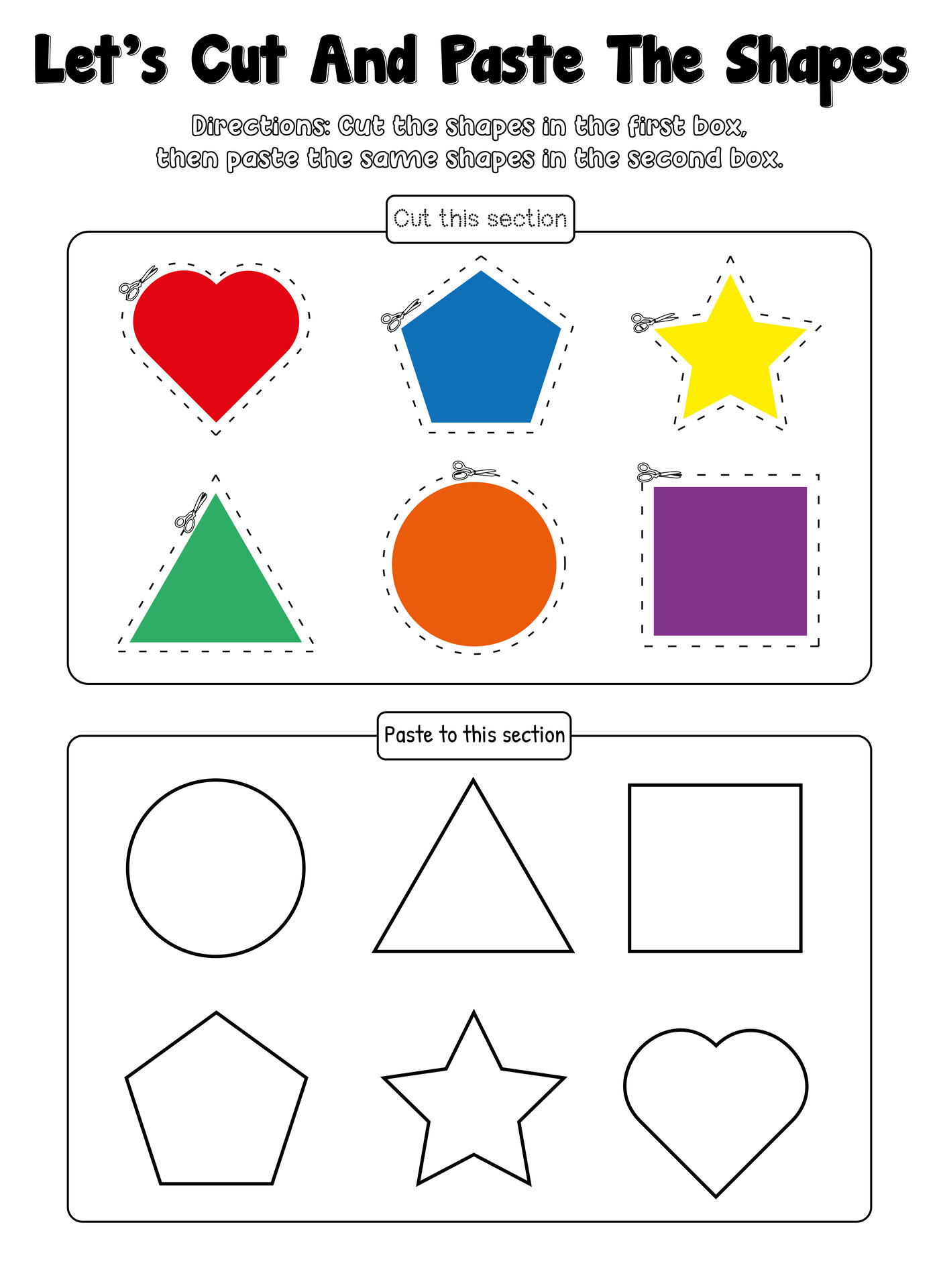
After reading a story that includes shapes, you can use the worksheets to reinforce what your child has learned. For instance, if the story featured a triangle, circle, and square, you can find worksheets that include these shapes. This reinforces learning through different modalities.
Use as a Transition Activity
Cutting worksheets can serve as a great transition activity between more structured learning and free play. After a focused lesson, take a break with these worksheets to refresh your child’s mind while still being educational.
Choosing the Right Cutting Shapes Worksheets
When selecting cutting shapes worksheets for preschoolers, keep these factors in mind:
Age Appropriateness
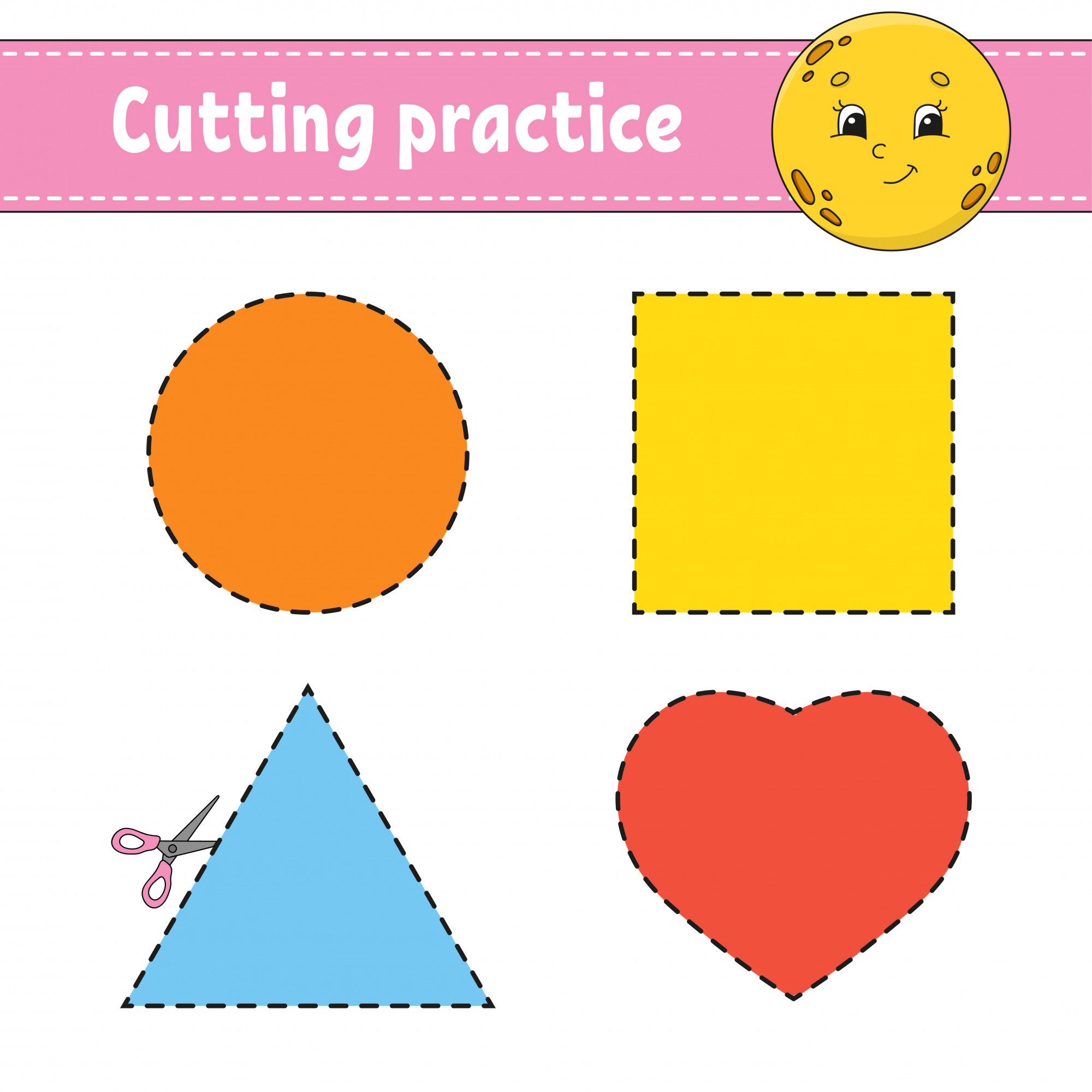
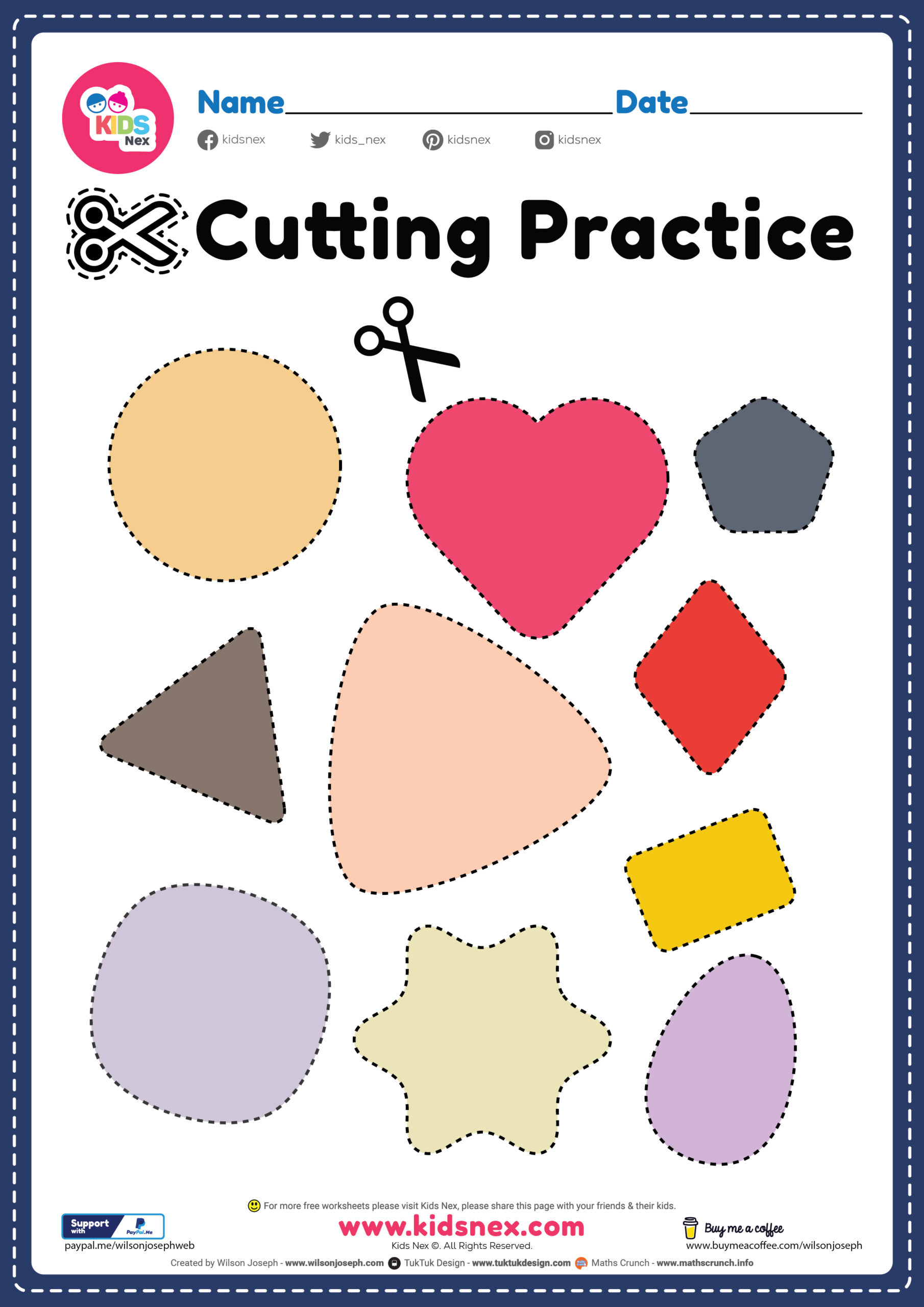
Ensure that the worksheets are designed for preschoolers. They should feature large, simple shapes that are easy for small hands to cut. Avoid worksheets with intricate designs that may frustrate your child.
Clear Instructions
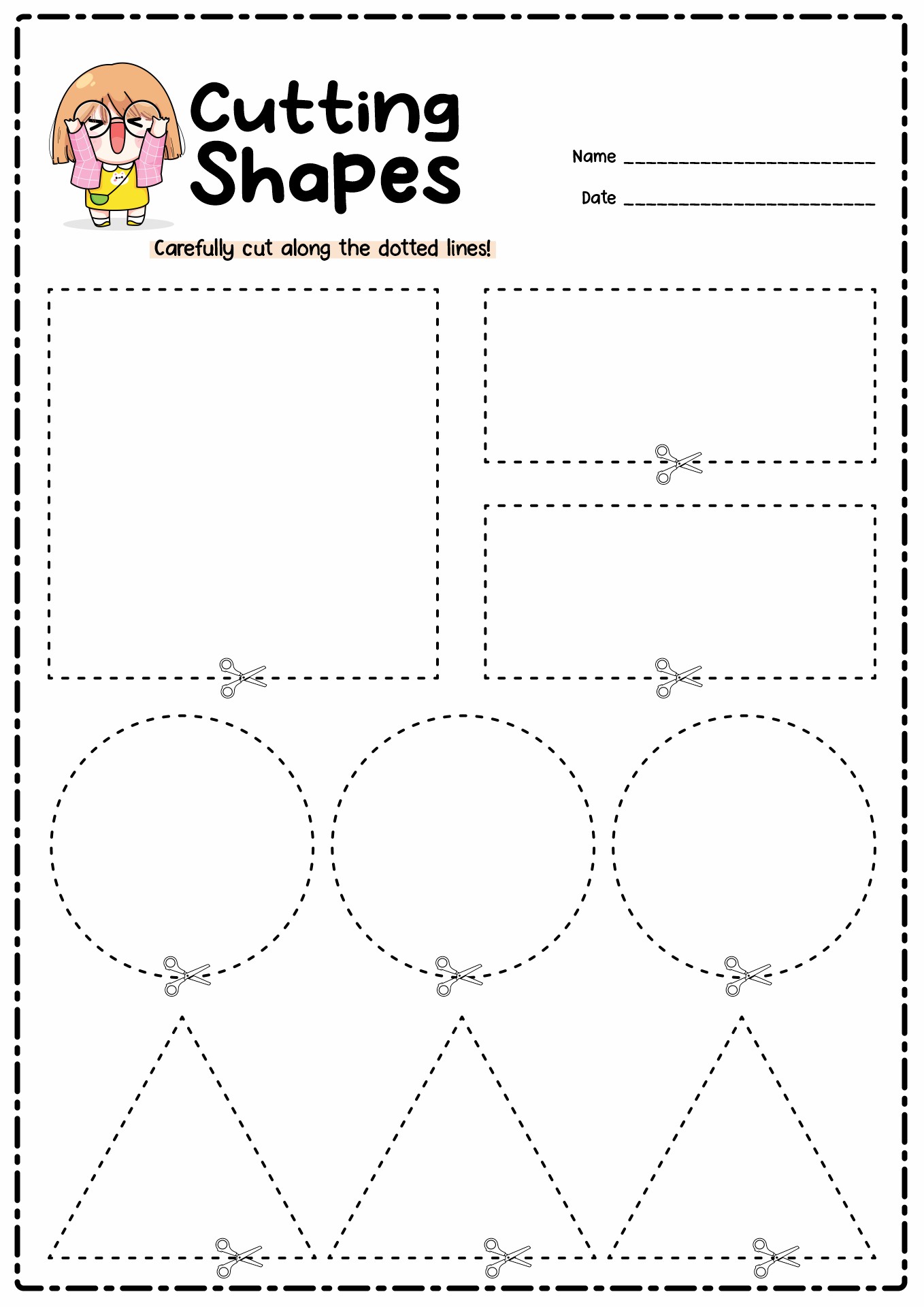
Look for worksheets that provide clear and simple instructions. This helps your child understand what they need to do without becoming overwhelmed. If the instructions are visual, that’s even better, as young learners often respond well to pictures.
Variety of Shapes
Choose worksheets that include a variety of shapes—circles, squares, triangles, and more. This variety will not only keep your child engaged but also help them learn to recognize and name different shapes.
Printable and Downloadable Options
Many resources are available online for free or for purchase. Look for printable and downloadable options that you can easily access and print at home. PDFs are often the best format since they preserve the layout and quality when printed.
Engaging Activities After Cutting
Once your child has cut out the shapes, there are numerous activities to keep them engaged:
Shape Sorting
Encourage your child to sort the cut-out shapes into different categories based on attributes like color, size, or type. This activity reinforces their understanding of shapes while practicing organizational skills.
Craft Projects
Use the cut shapes for various craft projects. For example, you can help your child create a shape collage, make decorations for a party, or even design greeting cards. This adds an extra layer of creativity to the cutting process.
Shape Games
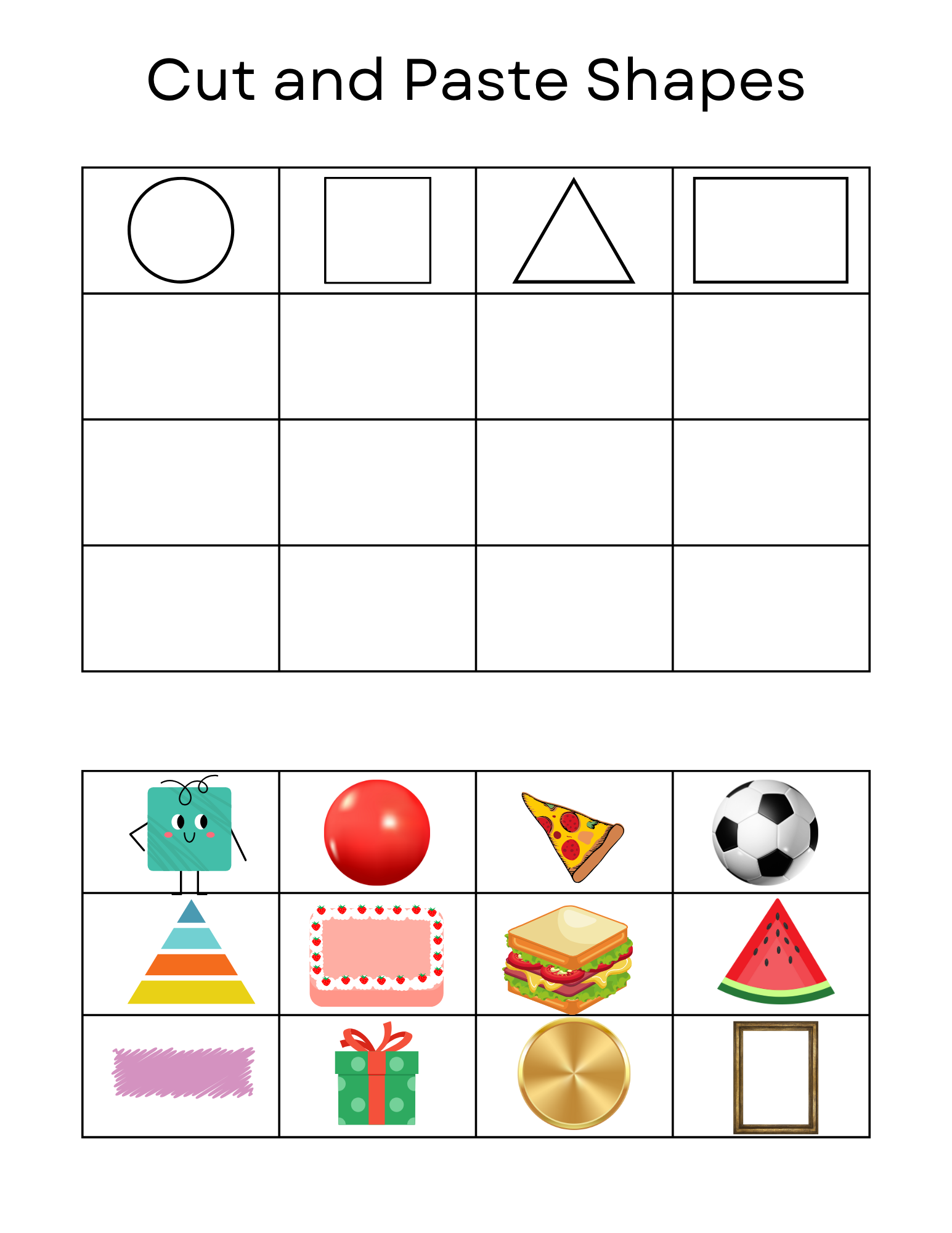
Turn the cut shapes into a fun game. For instance, you can hide the shapes around the house and have your child find them. Alternatively, you can play a matching game, where they match cut shapes to corresponding pictures or objects.
Common Mistakes to Avoid
When using cutting shapes worksheets, consider some common pitfalls that might hinder your child’s learning experience:
Choosing Too Complex Worksheets
Avoid selecting worksheets that are too complicated for your child’s age. If the shapes are too small or intricate, your child may become frustrated. Stick to simple designs that they can handle confidently.
Not Providing the Right Tools
Ensure that your child has age-appropriate scissors. Safety scissors are great for preschoolers as they are designed to prevent accidents. Also, provide a cutting mat or a thick piece of cardboard to protect your surfaces.
Skipping the Practice
Practice is key! Encourage your child to cut regularly, not just once or twice. Incorporating cutting into their routine will help them become more proficient.
Where to Find Cutting Shapes Worksheets
There are plenty of resources available online where you can find high-quality cutting shapes worksheets for preschoolers. Websites dedicated to educational resources often offer free downloads or printable worksheets. Ensure that the source is reputable, and look for reviews or recommendations from other parents.
Some popular sites to check include:
- Education.com
- Teachers Pay Teachers
- Twinkl
- Super Teacher Worksheets
With these resources, you can easily find a variety of shapes worksheets that meet your needs.
In summary, cutting shapes worksheets for preschoolers are an excellent way to foster essential skills while making learning fun. By incorporating these worksheets into your child’s routine and using creative follow-up activities, you can enhance their educational experience and help them develop confidence in their abilities. So gather those scissors and shapes, and watch your little one thrive!
Cutting Shapes Worksheets For Preschoolers Gallery