Dice Addition Worksheet Writing Combinations For Preschool
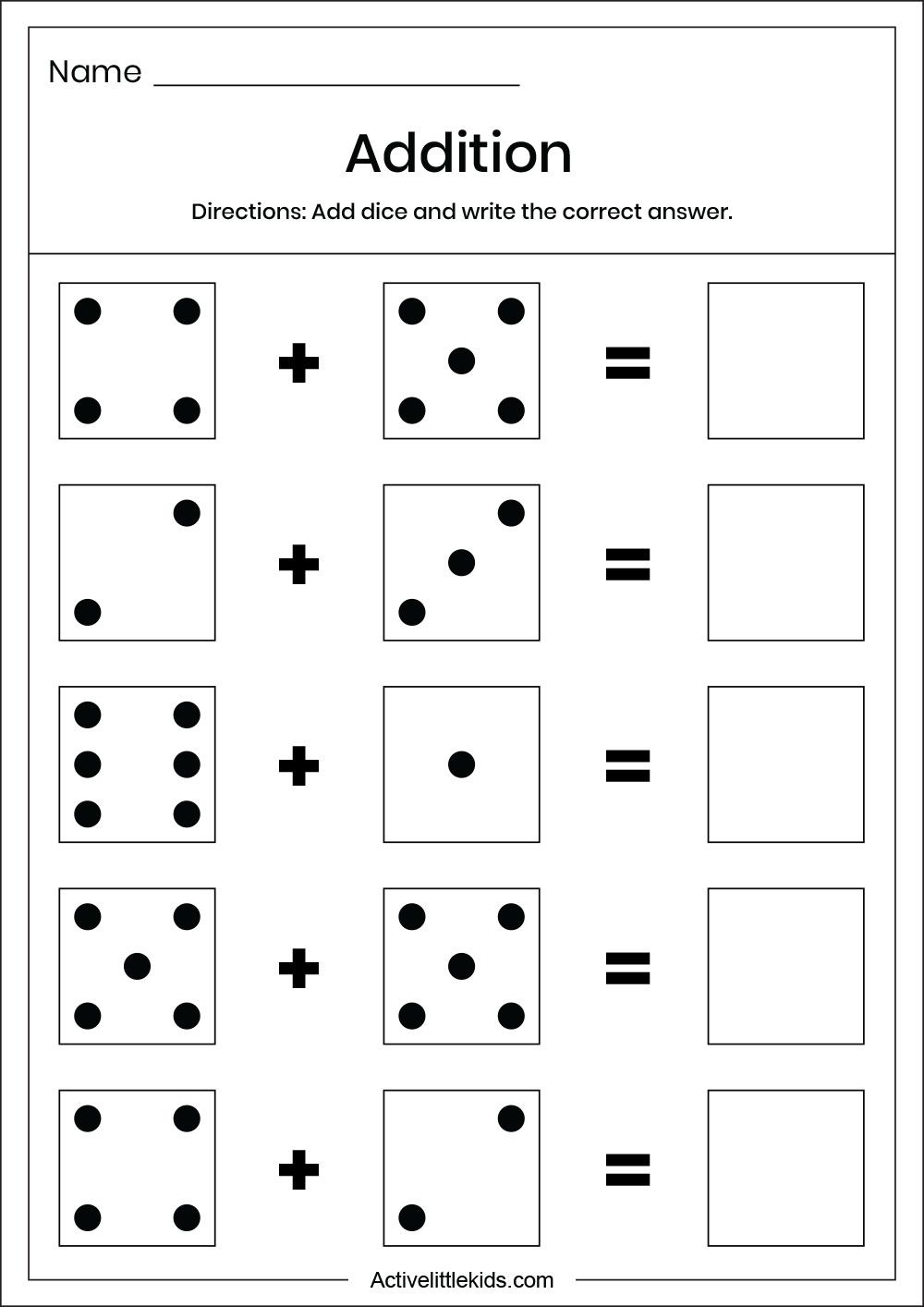
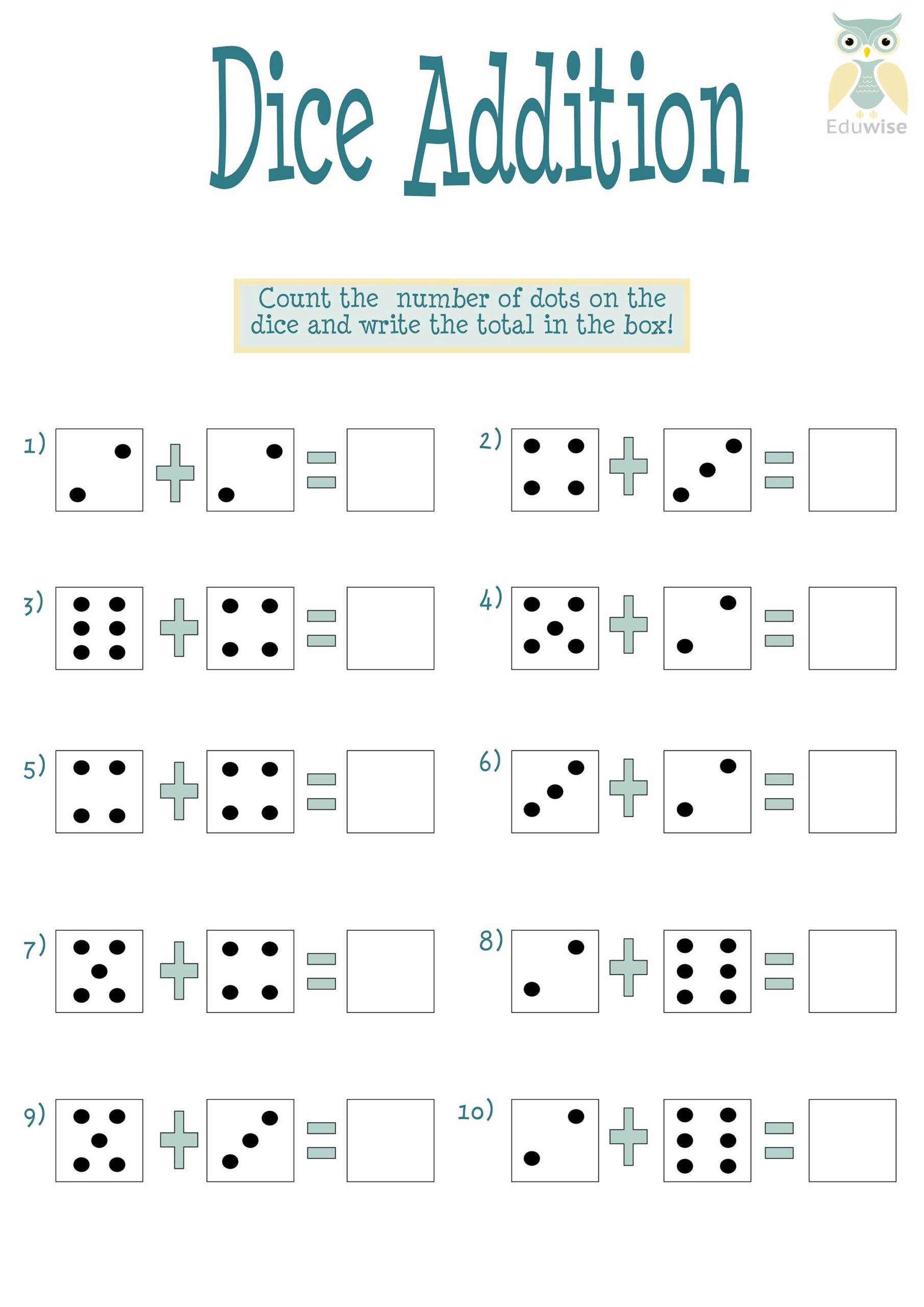
Using a Dice Addition Worksheet Writing Combinations For Preschool can be a fun and engaging way for young learners to practice basic math skills. These worksheets provide a visual and interactive approach to addition, helping preschoolers understand number combinations through play. By incorporating dice into the learning process, children can enjoy a hands-on experience while developing essential early math skills.
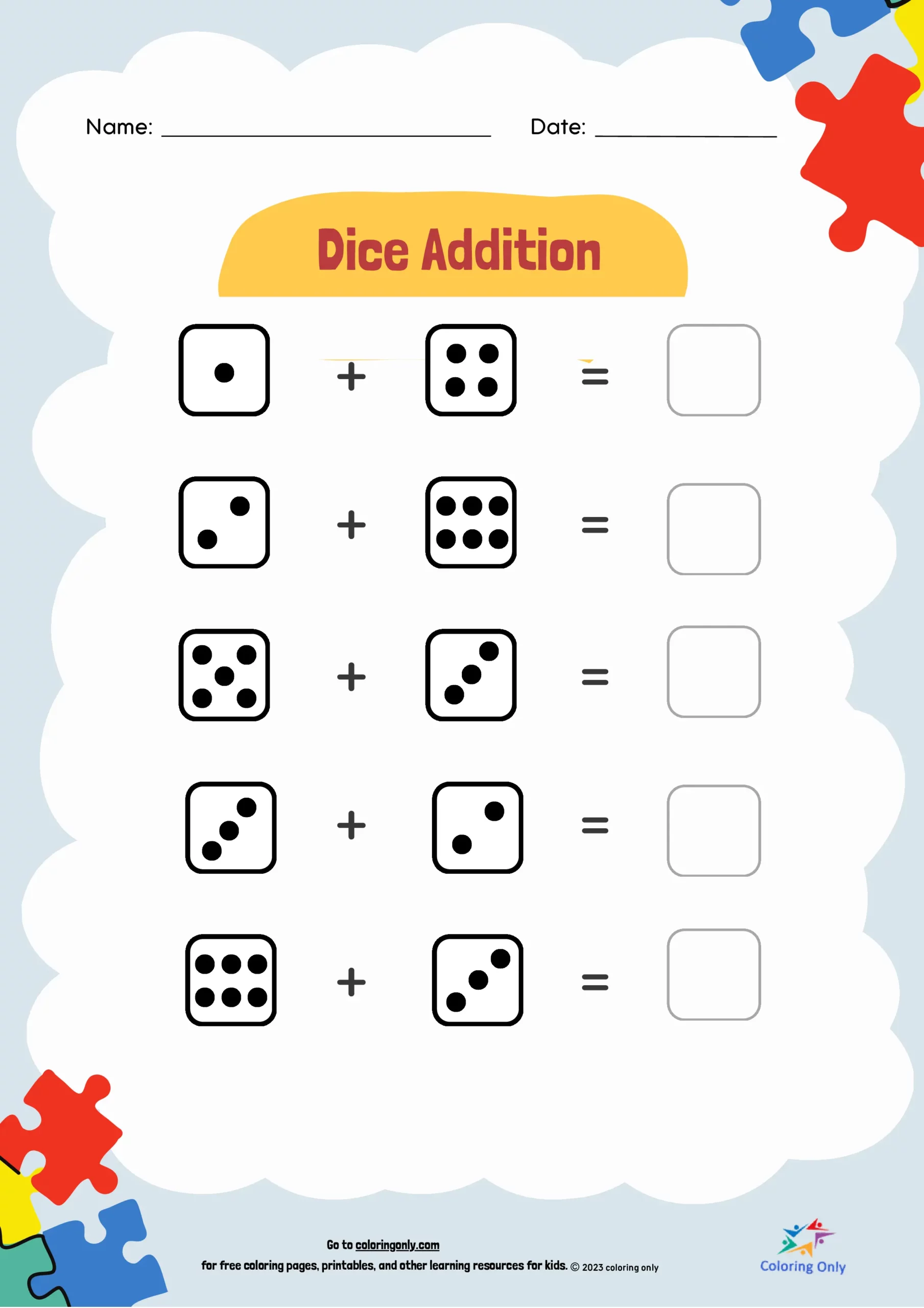
The Importance of Dice Addition Worksheets
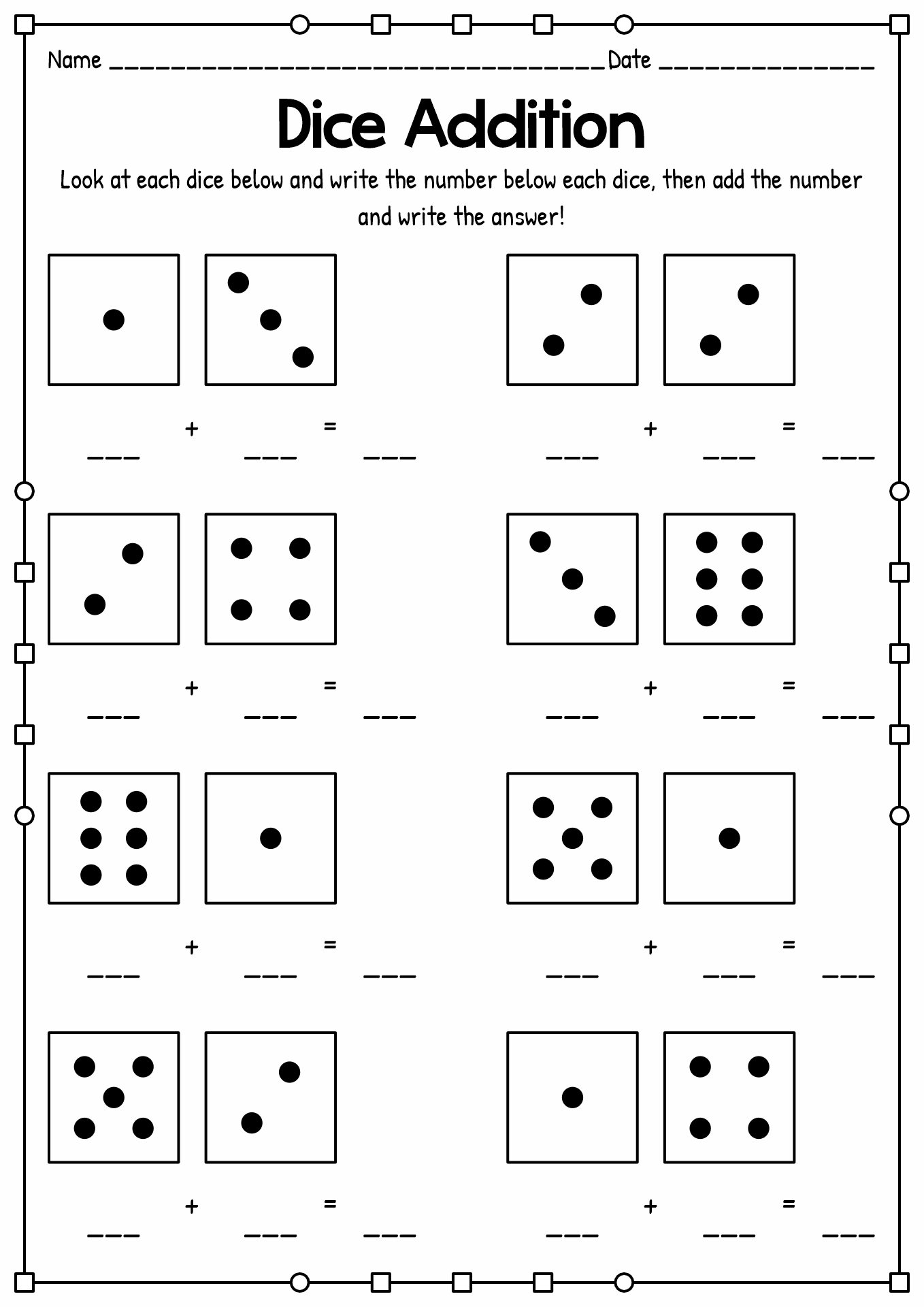
In early childhood education, it’s crucial to make learning enjoyable. Dice addition worksheets serve as an excellent tool for preschoolers to explore addition in a playful manner. The act of rolling dice and writing down the combinations helps them to visualize numbers and fosters a deeper understanding of addition.
Here are a few reasons why these worksheets are beneficial:
- Engagement: Young children are naturally curious and often enjoy games. Incorporating dice adds an element of fun, which can motivate them to learn.
- Motor Skills Development: Rolling dice and writing down combinations helps improve fine motor skills, essential for young learners.
- Visual Learning: The visual representation of numbers on the dice aids in comprehension and retention of mathematical concepts.
Understanding the Layout of the Worksheet
Typically, a Dice Addition Worksheet includes spaces for children to write the numbers rolled on the dice and the corresponding sums. Here’s how to read and fill it out:
- Roll the Dice: Have the child roll two dice.
- Record the Numbers: They should write down the numbers they rolled in the designated spaces.
- Calculate the Sum: Next, they will add the two numbers together and write the result in the sum section.
- Repeat: Encourage them to roll the dice multiple times to practice different combinations.
This layout not only organizes their work but also allows them to see patterns in addition as they progress through various rolls.
Practical Tips for Using the Worksheet
To get the most out of a Dice Addition Worksheet, consider these practical tips:
- Use Colorful Dice: Brightly colored dice can capture a child’s attention and make the activity more engaging.
- Laminate for Reuse: If you want to use the worksheet multiple times, consider laminating it. This allows for dry-erase markers to be used, making cleanup easy.
- Set a Timer: To add a fun challenge, set a timer for a certain period and see how many combinations the child can complete within that time.
- Pair with Other Activities: To reinforce learning, pair the worksheet with physical games that involve counting or addition, such as hopscotch with number spaces.
Where to Find Printable Worksheets
You can easily find printable Dice Addition Worksheets tailored for preschoolers online. Look for resources that offer various designs and difficulty levels. Here are some features to consider when choosing:
- Age Appropriateness: Ensure the worksheets are designed for preschoolers, with simple addition problems.
- Variety: Look for worksheets that provide different formats, such as grids or colorful templates, to keep the activity fresh.
- Download Options: PDF formats are often preferable, as they maintain layout integrity when printed.
Many educational websites and printable resources offer free downloads, so you can quickly access a variety of worksheets.
Common Mistakes to Avoid
When using Dice Addition Worksheets, keep an eye out for common pitfalls that can hinder learning:
- Inconsistent Number Recognition: Ensure that children are comfortable recognizing numbers before starting the worksheets. If they struggle with number identification, it may be beneficial to spend some time reinforcing this skill first.
- Rushing Through the Activity: Encourage children to take their time with each roll and addition. Rushing may lead to mistakes and frustration.
- Limited Practice: While one or two worksheets can be beneficial, consistent practice is essential. Incorporate these worksheets into your regular learning routine to reinforce skills.
Encouraging Progress Tracking
Tracking progress is vital for both you and your child to see how they are improving. Here are a few methods to track their development:
- Create a Progress Chart: Use a simple chart where you can record the number of combinations they complete each week. This visual representation can motivate them to keep practicing.
- Celebrate Milestones: Set small goals, such as completing a certain number of worksheets in a week, and celebrate when they achieve these milestones.
- Discuss Improvements: Regularly talk with your child about what they are learning. Ask them questions about the numbers and sums to encourage them to articulate their understanding.
One concrete tip to implement immediately is to roll the dice together with your child and create a fun competition to see who can come up with the highest sum. This not only reinforces the learning but also makes it a memorable bonding experience.
Dice Addition Worksheet Writing Combinations For Preschool Gallery