Different Mood Worksheets For Preschool
Understanding emotions can be tricky for preschoolers. That’s where Different Mood Worksheets For Preschool come in! These worksheets are not just about coloring or filling in the blanks; they’re designed to help kids identify and express their feelings in a fun and engaging way. Typically formatted as printable PDFs, these resources can easily be downloaded, printed, and used at home or in the classroom.
The Importance of Mood Worksheets for Preschoolers
Preschool is a crucial time for emotional development. Children are learning not only how to interact socially but also how to recognize and manage their emotions. Different Mood Worksheets serve several purposes:
- Emotional Recognition: They help children identify their feelings, whether it’s happiness, sadness, anger, or excitement.
- Communication Skills: By discussing these feelings, kids learn to articulate their emotions better.
- Coping Strategies: Some worksheets include activities that teach children how to cope with various emotions, providing them tools for emotional regulation.
Using these worksheets can create a strong foundation for emotional intelligence, which benefits children now and in their future relationships.
Types of Different Mood Worksheets
When it comes to Different Mood Worksheets for Preschool, variety is key! Here are some common types you’ll find:
Emotion Faces Worksheets
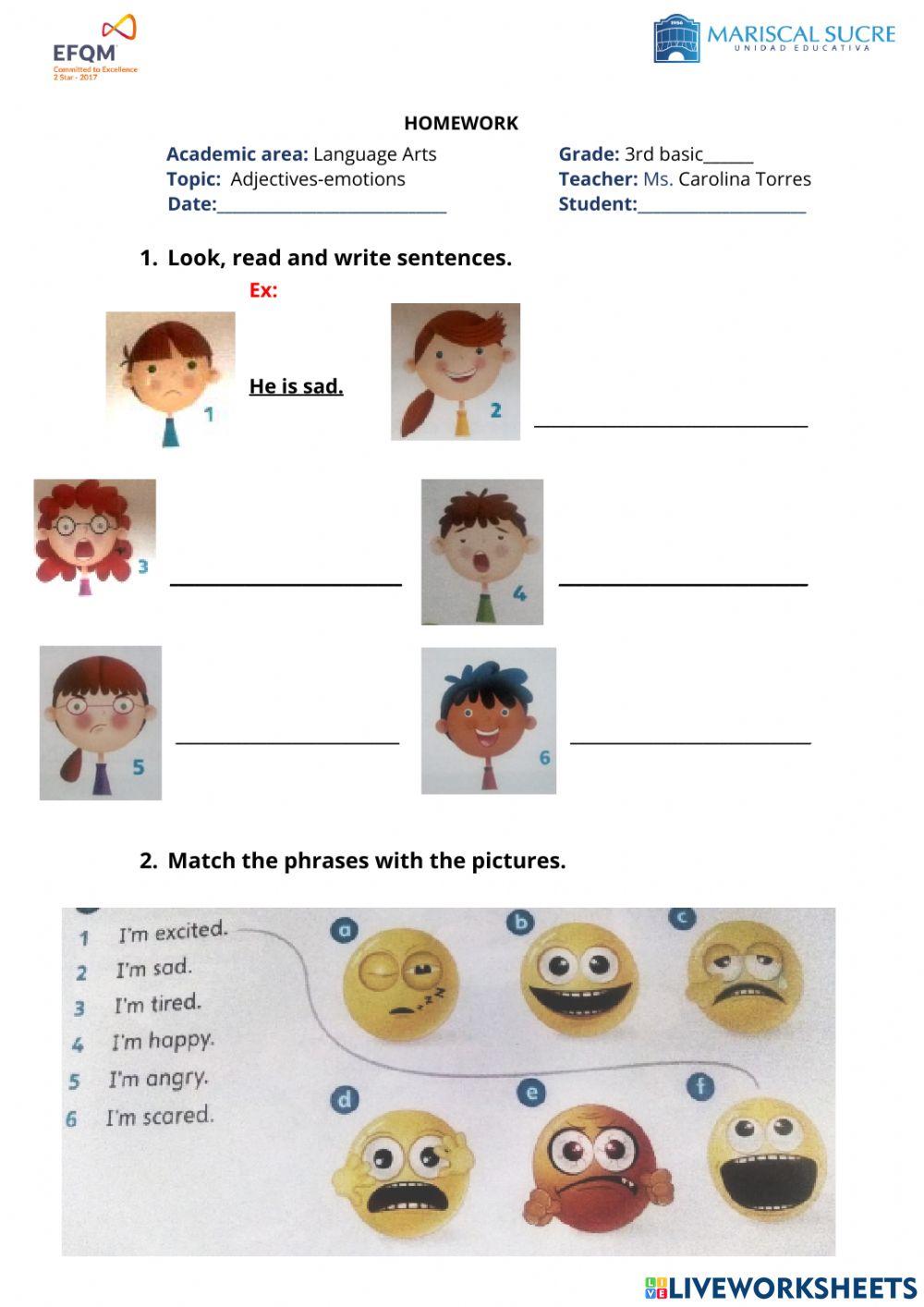
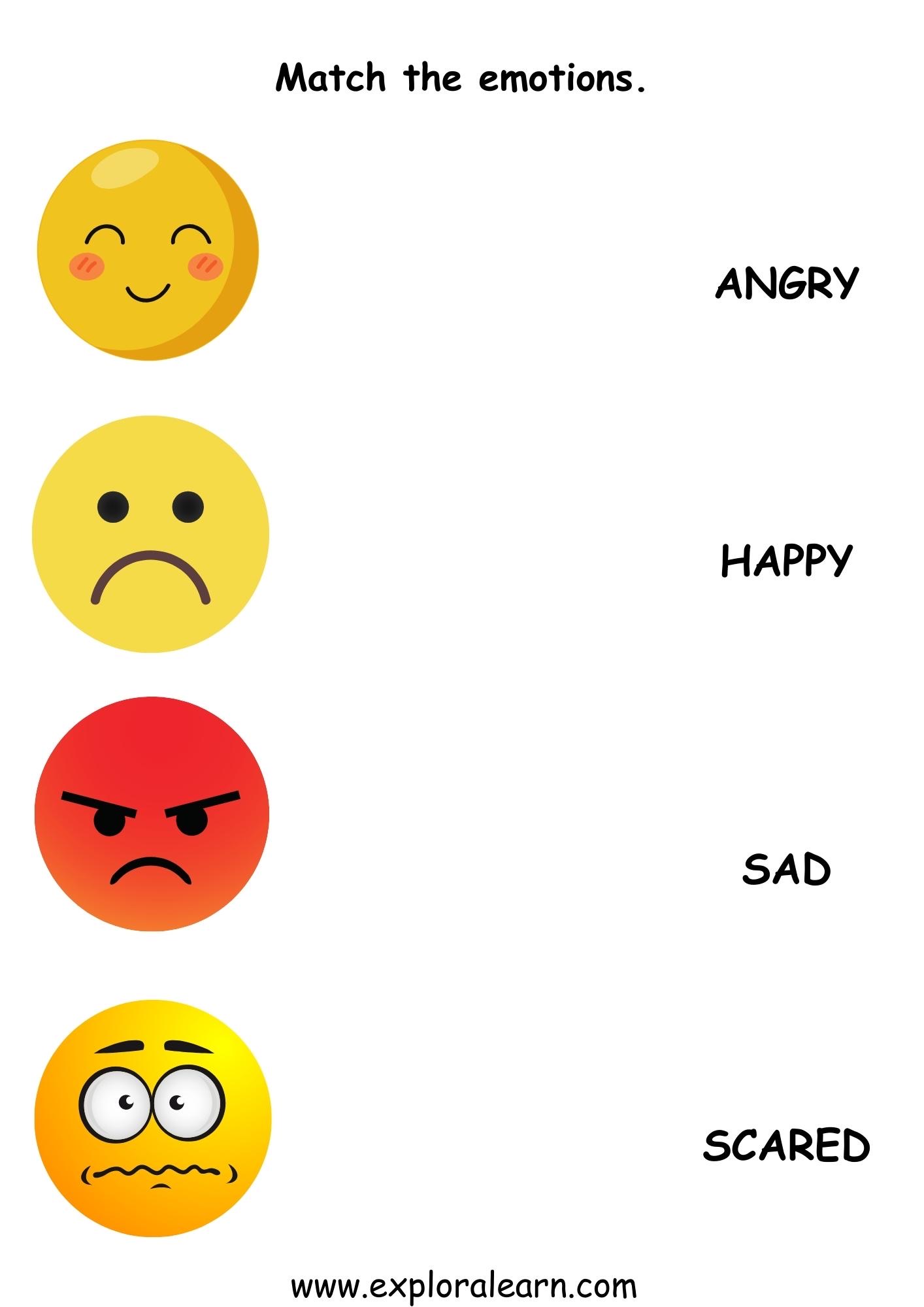
These worksheets typically feature a range of cartoon faces displaying different emotions. Children can color these faces and label the emotions they represent.
- How to Use: Encourage your child to express when they feel these emotions. Ask questions like, “When do you feel happy?” or “What makes you feel sad?” This promotes conversation and deeper understanding.
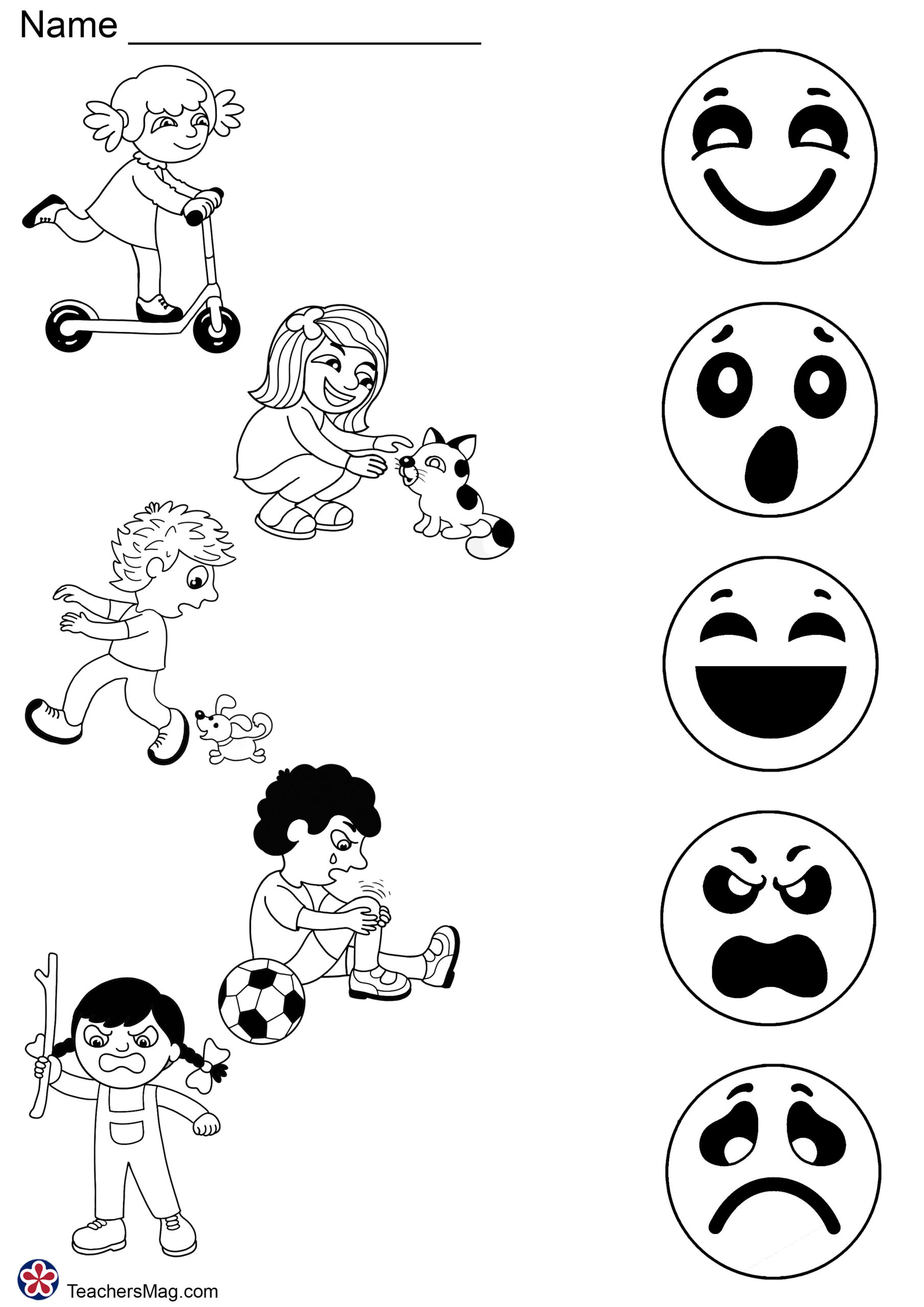
Emotion Matching Games
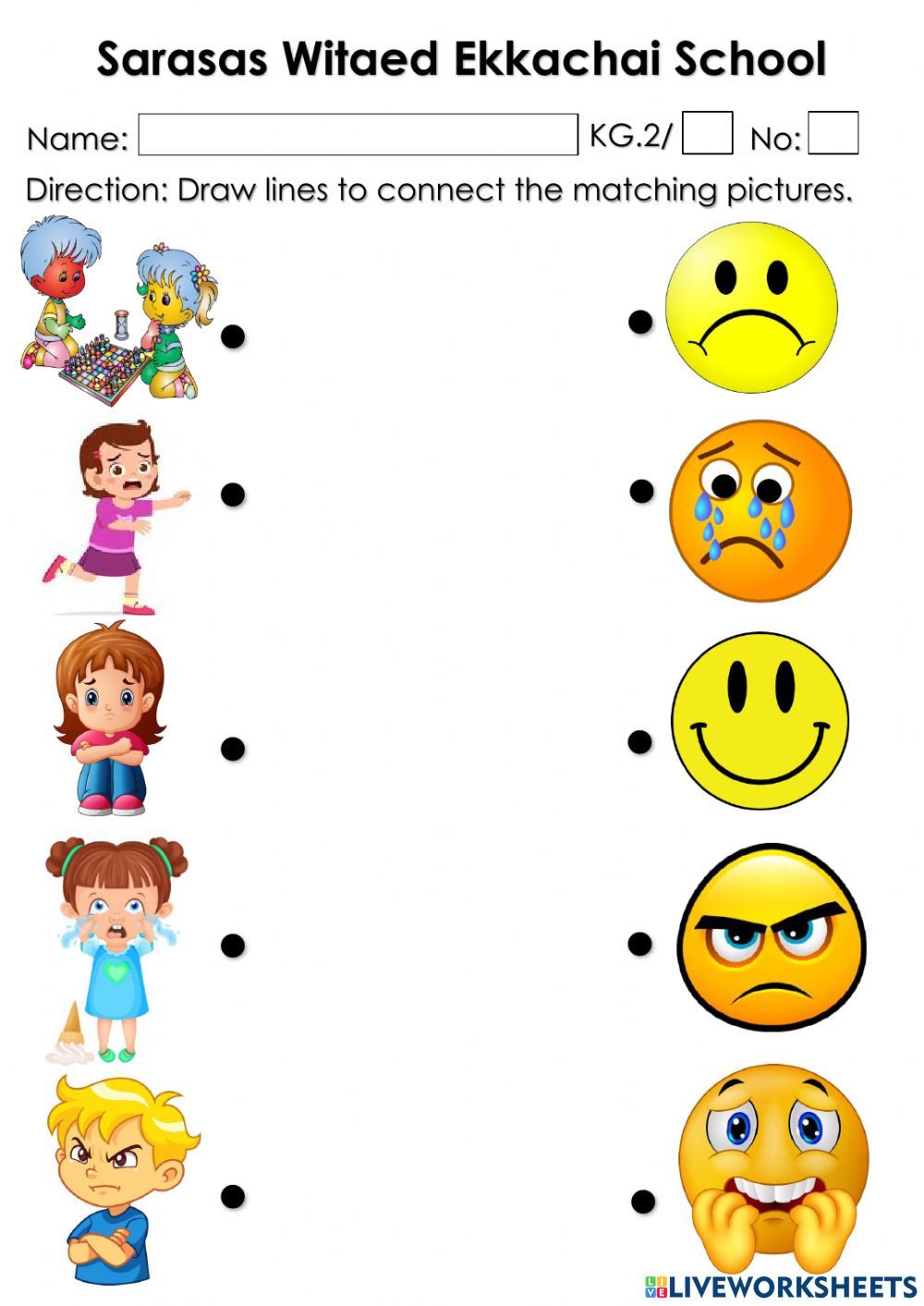
These worksheets often include pictures of emotions paired with scenarios or situations. Kids match the emotion to the correct situation, reinforcing their understanding of feelings.
- How to Use: After completing the matching activity, discuss why certain situations evoke specific emotions. This can lead to discussions about empathy and understanding others’ feelings.
Mood Journals
Some worksheets are designed as mini journals where kids can draw or write about their feelings each day.
- How to Use: If you can, set aside a specific time each day for your child to reflect on their feelings. This could be a fun end-of-the-day routine where they share their drawings or writings with you.
Layout and Design Elements
The design of Different Mood Worksheets plays a significant role in how children interact with them. Here are some elements you might notice:
- Bright Colors: Bright and engaging colors attract preschoolers’ attention, making them more likely to participate.
- Simple Language: Clear, age-appropriate language helps children understand the instructions without confusion.
- Interactive Fields: Many worksheets include spaces for drawing or coloring, allowing children to express themselves creatively.
Printable Formats
Most Different Mood Worksheets are available in PDF format, which is ideal for printing. Here are some details to keep in mind:
- Paper Size: Standard letter size (8.5 x 11 inches) is common, making it easy to print at home or at a local print shop.
- Laminating: If you plan to reuse the worksheets, consider laminating them. This way, your child can use dry-erase markers to fill them out multiple times.
Where to Use Different Mood Worksheets
You can incorporate Different Mood Worksheets into various settings. Here are some ideas:
- At Home: Set up a cozy corner where your child can work on their worksheets. Add some crayons and stickers for a creative touch!
- In the Classroom: Teachers can use these worksheets as part of a social-emotional learning curriculum. They can even be integrated into circle time discussions.
- During Playdates: If your child has friends over, these worksheets can serve as a fun, interactive activity that sparks conversations about feelings.
Common Mistakes to Avoid
While using Different Mood Worksheets can be beneficial, there are some common pitfalls to watch out for:
- Forcing Participation: If your child shows reluctance, don’t push it. Instead, try to make the activity more engaging by turning it into a game or a fun discussion.
- Overlooking Discussion: Simply filling out the worksheets isn’t enough. Make sure to engage your child in conversation about their feelings as they work.
- Neglecting Variety: Sticking to one type of worksheet may lead to boredom. Mix it up with different styles and activities to keep things fresh and interesting.
Different Mood Worksheets For Preschool Gallery