Drawing Preschooler Preschool Coloring Worksheets
When it comes to nurturing creativity in our little ones, few resources are as enjoyable and effective as Drawing Preschooler Preschool Coloring Worksheets. These worksheets are designed specifically for preschool-aged children, offering a delightful blend of art and learning that can be used at home or in the classroom. They not only entertain but also help develop fine motor skills, hand-eye coordination, and even early literacy skills. In this article, I’ll guide you through the layout and features of these worksheets, how to use them effectively, and some practical tips for maximizing their benefits.
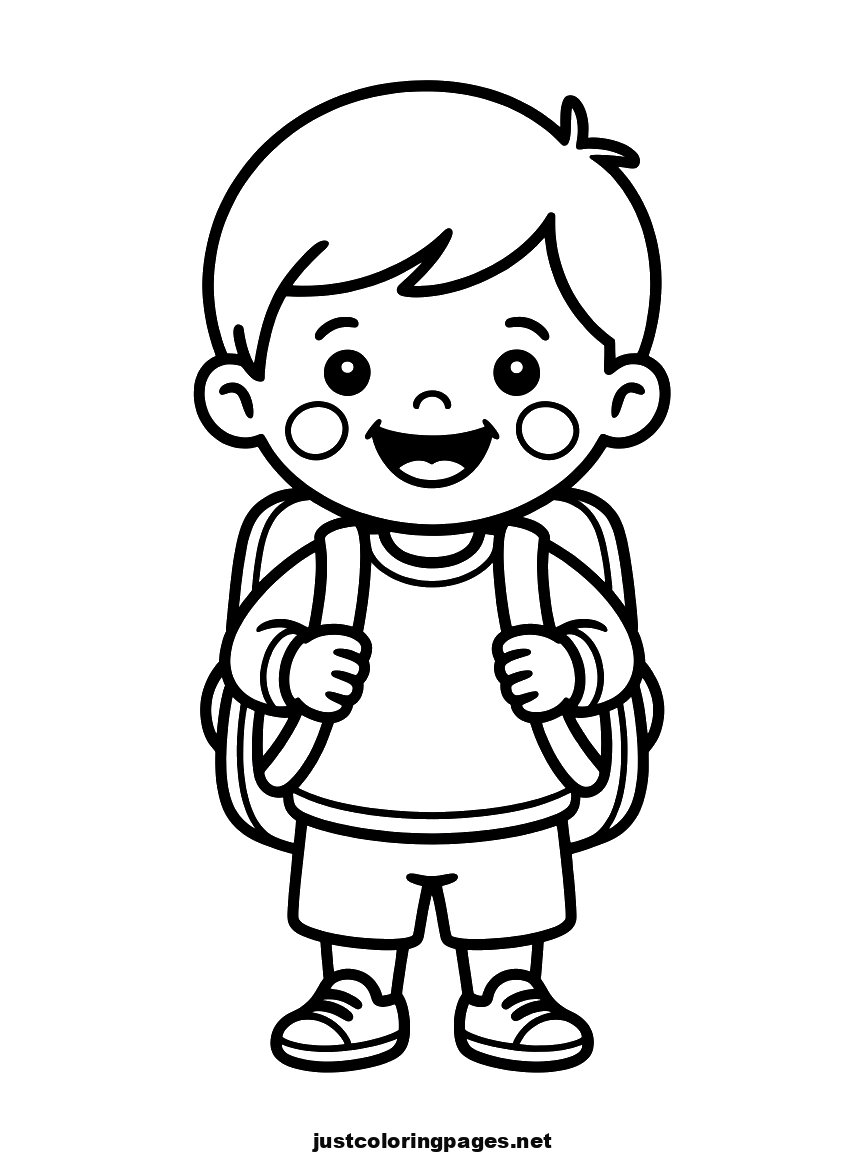
Understanding the Layout of Coloring Worksheets
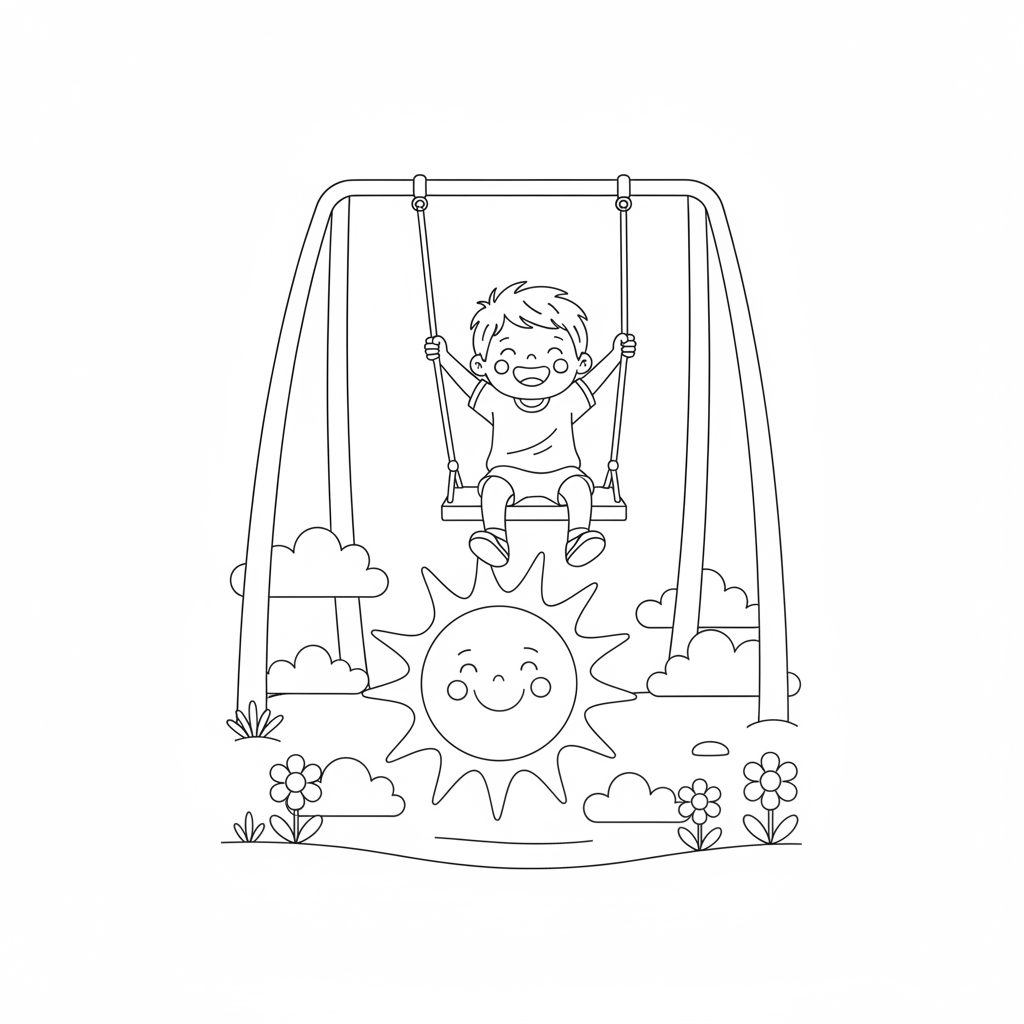
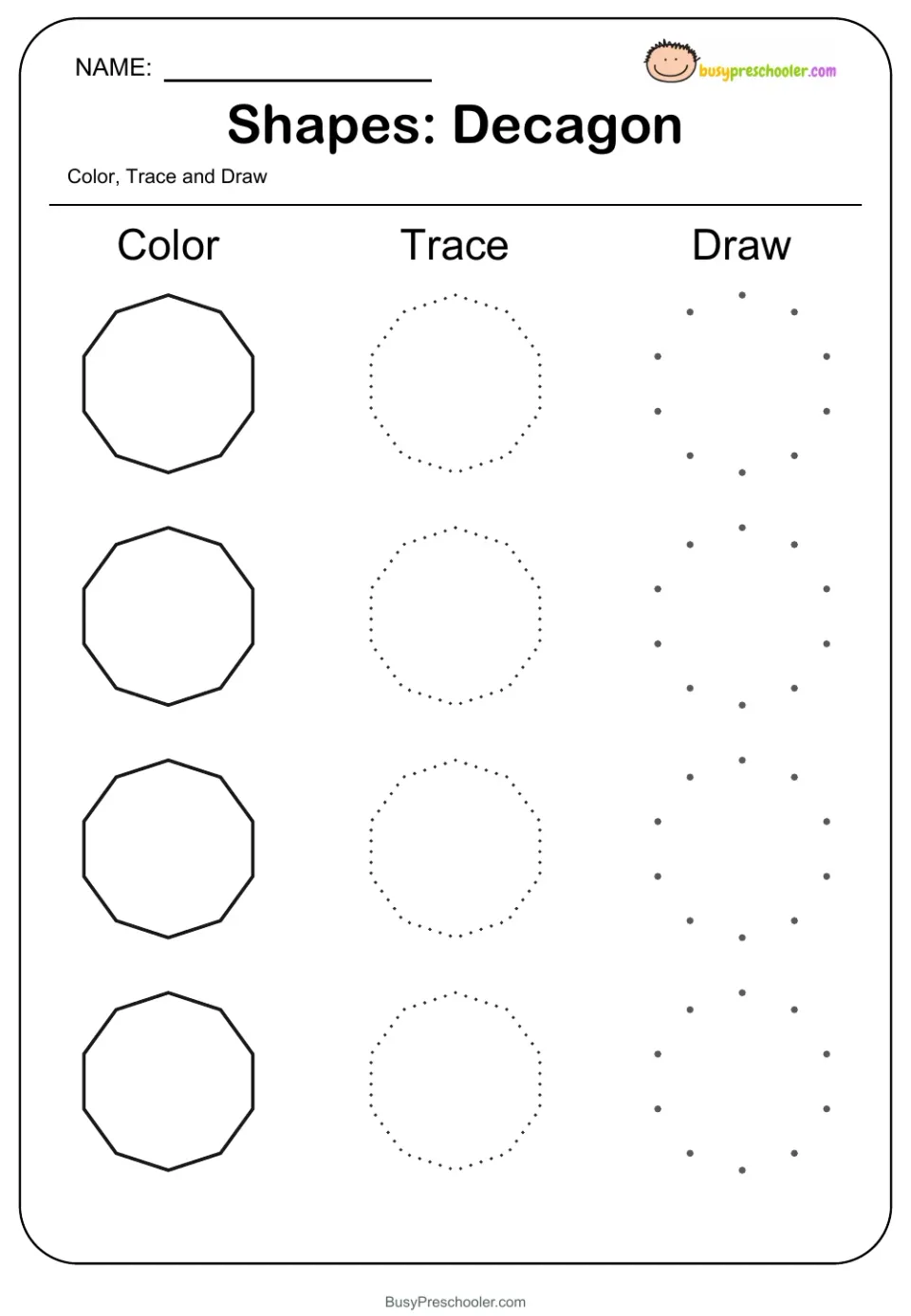
The first thing you’ll notice about Drawing Preschooler Preschool Coloring Worksheets is their user-friendly layout. Typically, these worksheets feature large, clear images alongside simple prompts or instructions. This design is intentional, as it caters to the developmental needs of preschoolers.
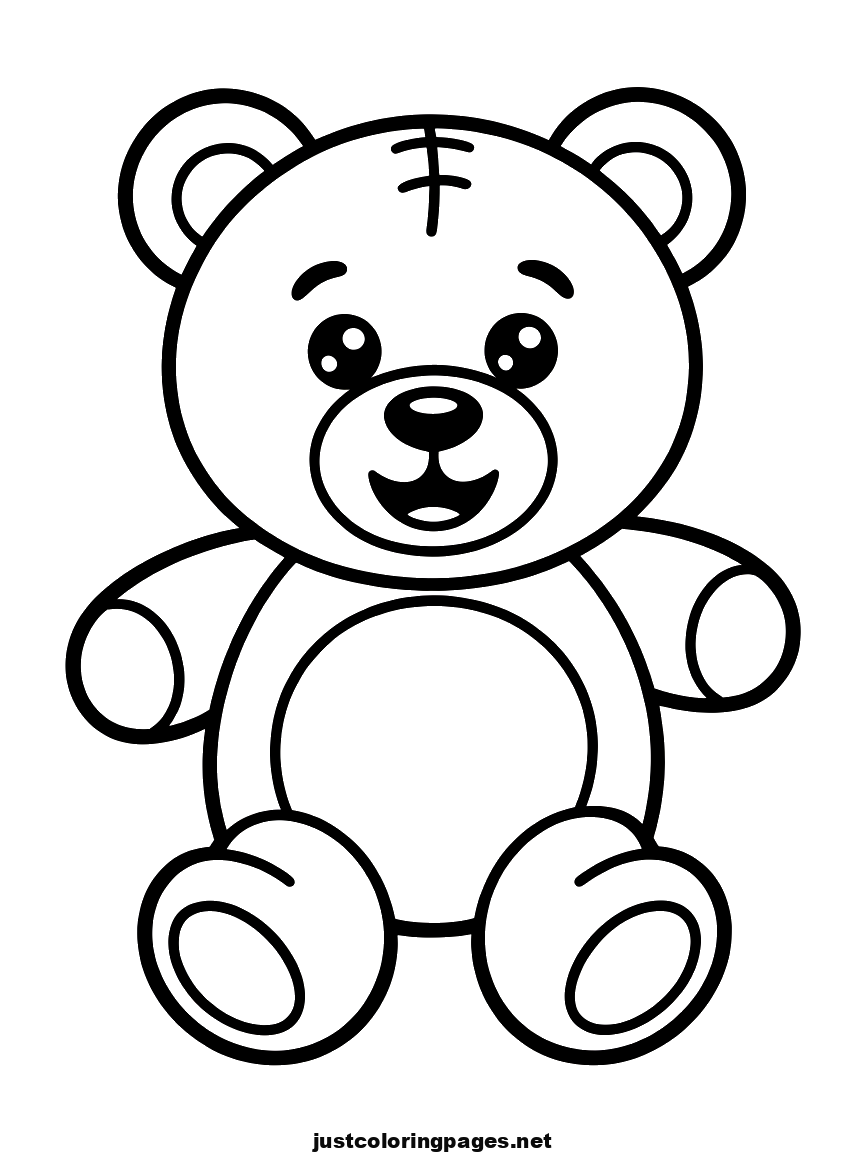
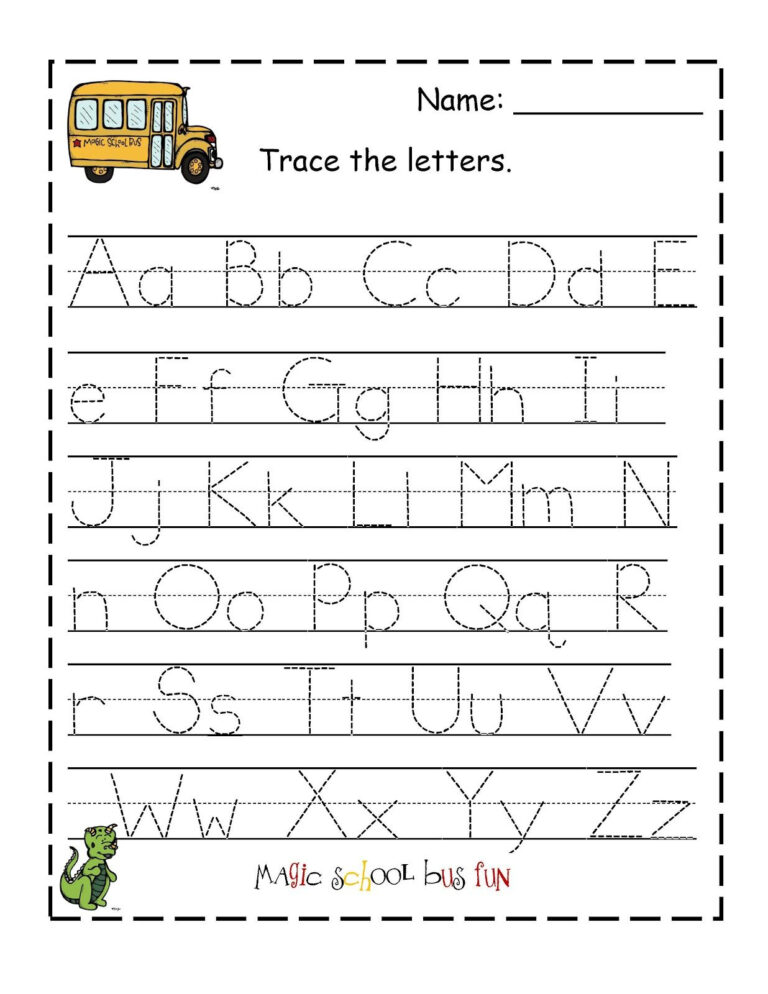
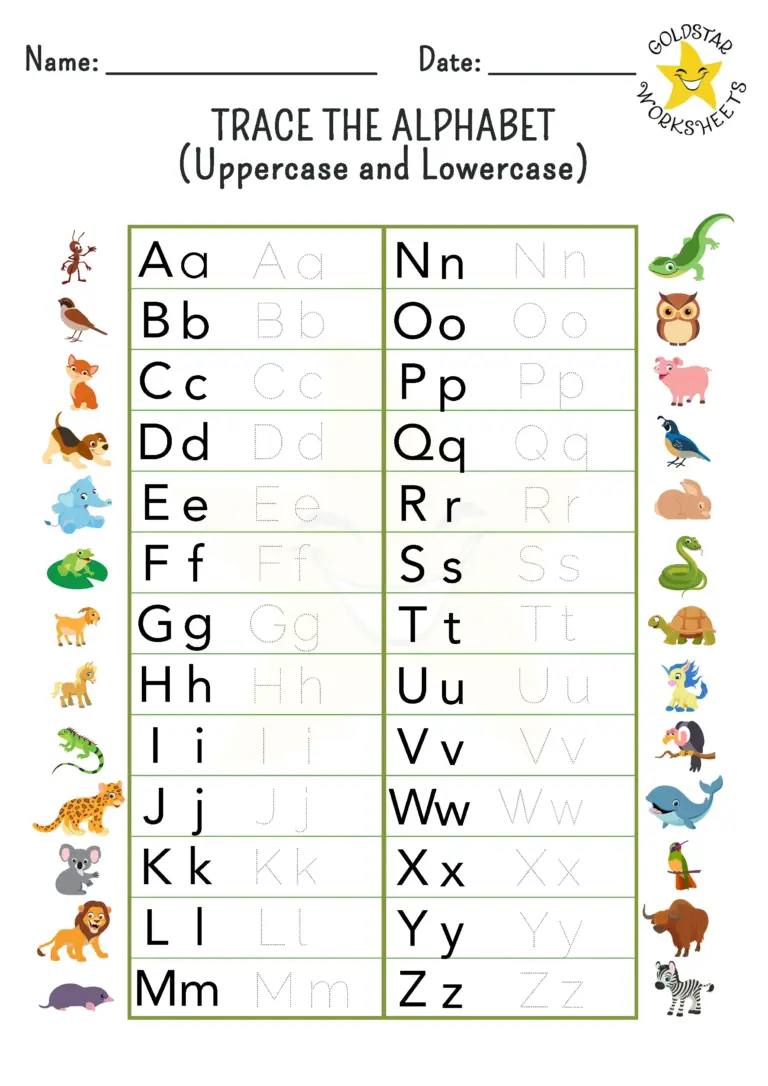
Most worksheets are printed on standard letter-sized paper (8.5 x 11 inches), which makes them easy to handle for little hands. The images are often outlined in bold, thick lines to make coloring easier and more enjoyable. You’ll also find that many worksheets include spaces for children to practice writing their names or labeling colors, which adds an educational aspect to the fun.
And the variety is what keeps things interesting. From simple shapes to more complex scenes, these worksheets cater to different skill levels and interests, ensuring that every child can find something they love.
How to Use Drawing Worksheets Effectively
To make the most out of Drawing Preschooler Preschool Coloring Worksheets, consider when and how you’ll incorporate them into your routine. Here are some practical ideas:
- Quiet Time: Use these worksheets during quiet time to engage your child in a calming activity. It’s a great way to encourage independent play while fostering creativity.
- Group Activities: If you’re a teacher or organizing a playdate, these worksheets can be a wonderful group activity. Set up a coloring station where kids can work together, share crayons, and showcase their artwork.
- Learning Centers: In a classroom setting, these worksheets can be part of a learning center. Pair them with books that relate to the themes in the worksheets for a comprehensive learning experience.
When it comes to filling out the worksheets, encourage your child to use various coloring techniques. This could include coloring in patterns, using different colors for the same object, or even adding stickers for an extra touch of creativity.
Choosing the Right Materials
While coloring worksheets are designed to be fun, the materials you use can make a significant difference in the overall experience. Here are some tips on what materials to consider:
- Paper Quality: For best results, print the worksheets on heavier paper, such as cardstock. This prevents tearing and allows for more vigorous coloring without bleed-through.
- Coloring Tools: Crayons, markers, and colored pencils all have their advantages. Crayons are great for beginners, while markers can provide bright, bold colors. Colored pencils offer more precision, which may be appealing as your child develops their skills.
- Protective Covers: If your child enjoys coloring repeatedly, consider using a dry-erase sleeve. This way, they can reuse the same worksheet, practicing their skills without wasting paper.
Remember, the goal is to make coloring a joyful and pressure-free experience. Let your child express themselves freely without worrying about making mistakes.
Incorporating Educational Elements
One of the best parts of Drawing Preschooler Preschool Coloring Worksheets is their potential for educational integration. Here are some ways to enhance the learning aspect:
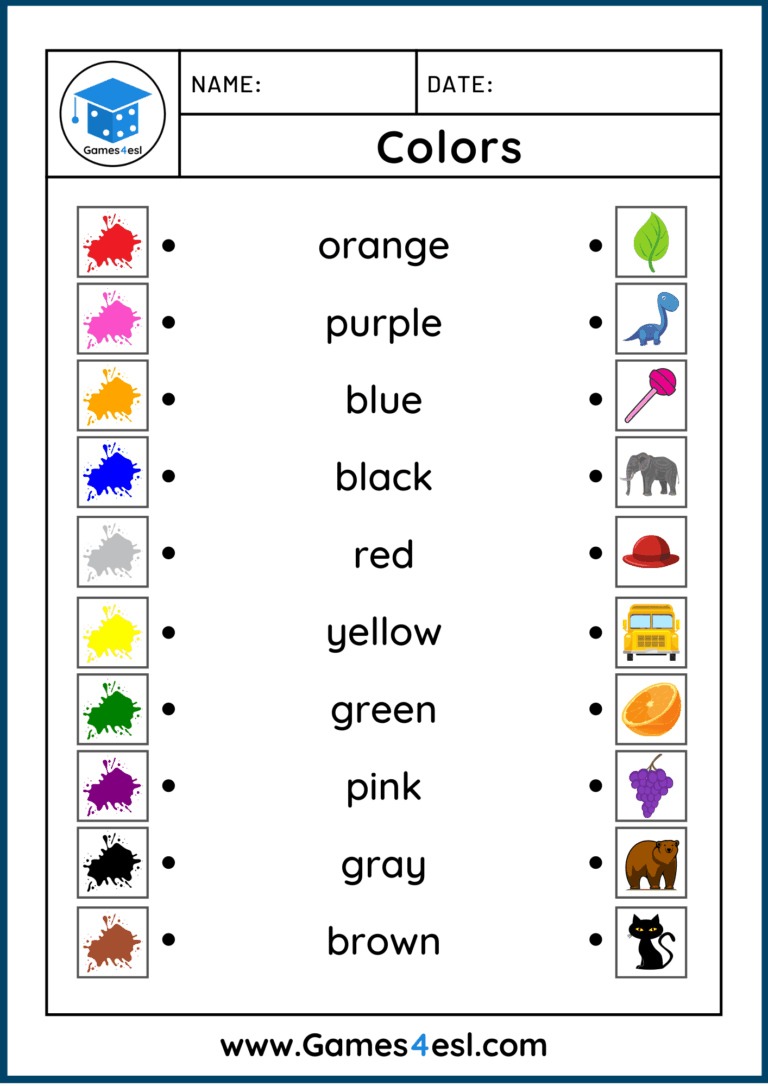
- Color Recognition: Ask your child to identify colors as they color. This simple exercise can reinforce their understanding of color names and improve vocabulary.
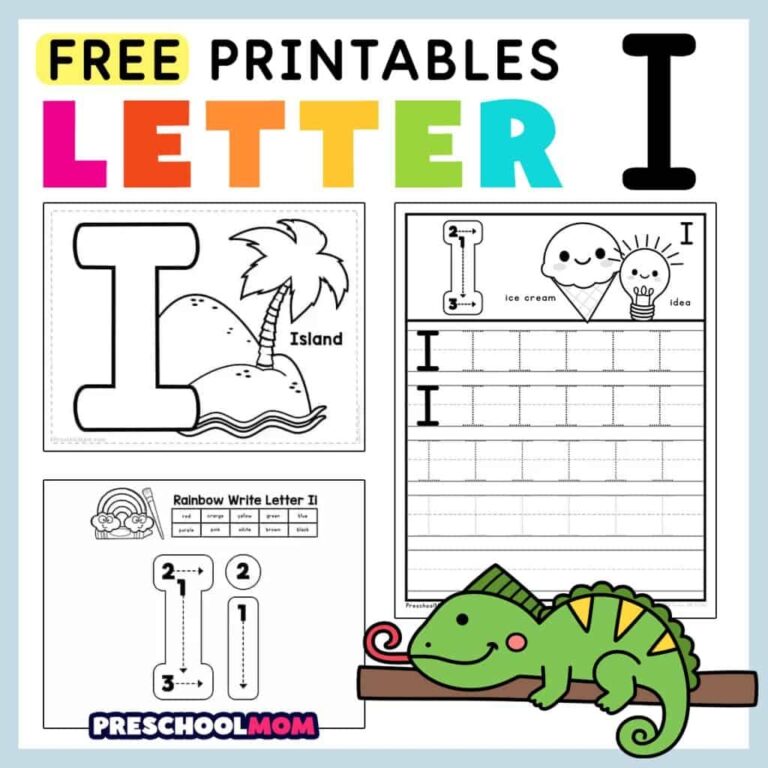
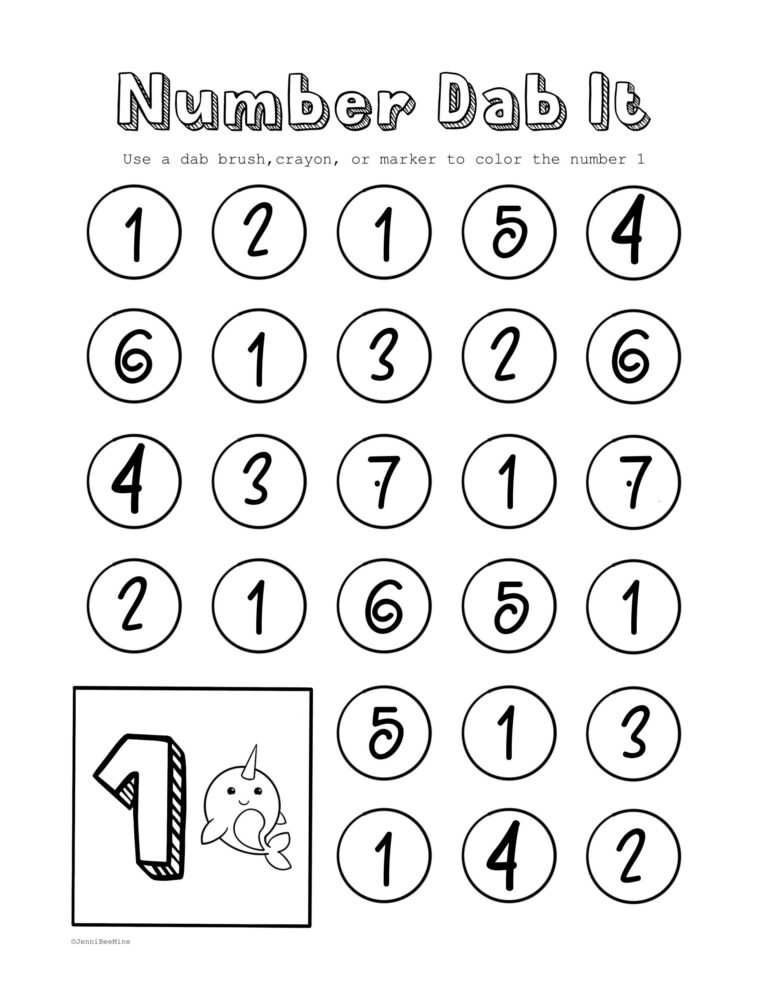
- Shape and Number Recognition: Many worksheets include shapes and numbers. Use these opportunities to teach your child about different shapes or practice counting as they color.
- Storytelling: Encourage your child to create a story based on the images they’re coloring. This not only boosts creativity but also enhances their language skills.
By adding these educational components, you can turn a fun activity into a comprehensive learning experience.
Finding and Downloading Worksheets
Accessing Drawing Preschooler Preschool Coloring Worksheets is easy, thanks to various online resources. Many websites offer free or low-cost downloads, allowing you to print as many copies as you need. Here are a few tips for finding the best worksheets:
- Search for Specific Themes: If your child is interested in animals, seasons, or holidays, search for themed worksheets to keep their interest piqued.
- Check for Age Appropriateness: Ensure that the worksheets are suitable for preschoolers. Look for those labeled specifically for early childhood education.
- Verify Print Quality: Before downloading, check reviews or previews to ensure that the worksheets are high-resolution and print well.
Once you’ve found the right worksheets, print them out and get ready for some creative fun!
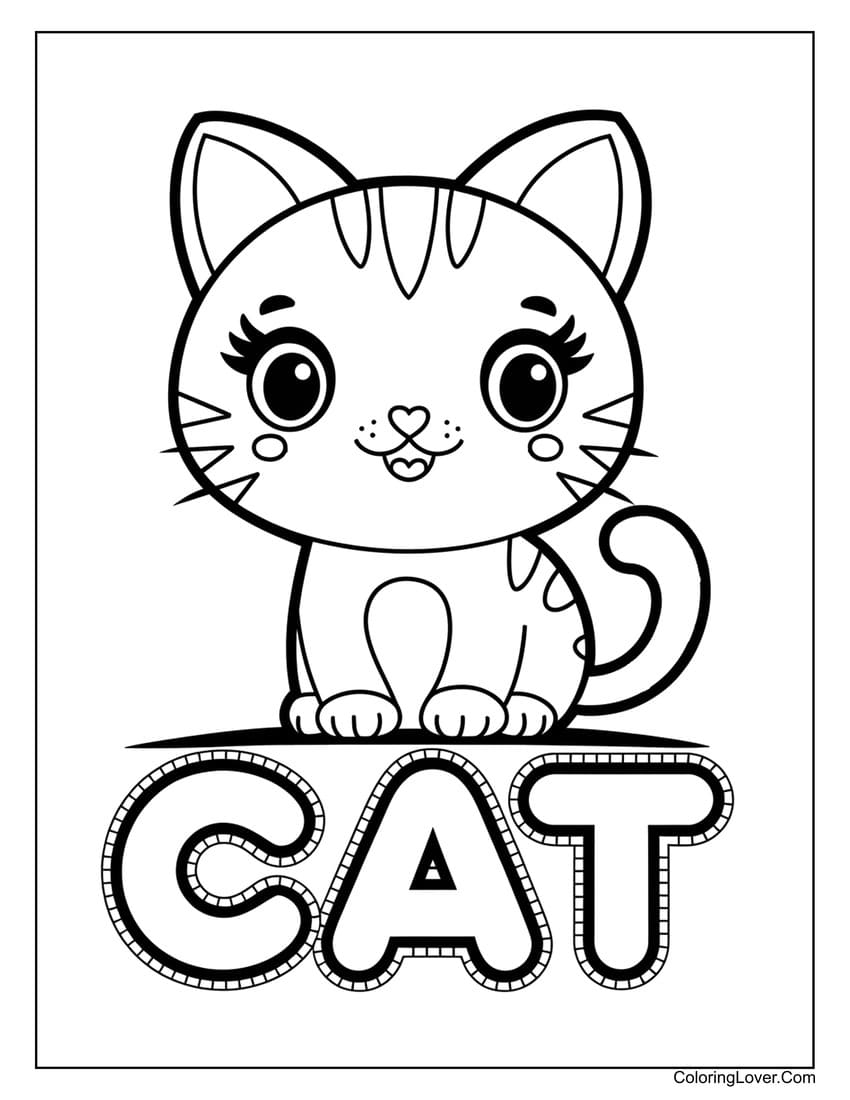
Making the Most of Coloring Time
To ensure that coloring time is both productive and enjoyable, consider these additional tips:
- Create a Comfortable Workspace: Set up a dedicated coloring area that is comfortable and free from distractions. A well-lit space with a table and chair suited for your child’s size will make a big difference.
- Limit Screen Time: Encourage your child to engage in coloring instead of turning to screens. This not only boosts creativity but also helps to develop focus and patience.
- Celebrate Their Work: Display your child’s completed worksheets on the fridge or a wall to give them a sense of pride in their accomplishments. You can even create a scrapbook of their best works over the year.
The most useful detail to keep in mind is that these worksheets can also foster conversations about emotions and creativity. Ask your child how they feel about their artwork or what inspired their color choices. This dialogue can enhance their emotional intelligence and self-expression.
Drawing Preschooler Preschool Coloring Worksheets Gallery