Feature Based Matching Preschool Worksheet
When looking for an effective way to engage preschoolers in learning, a Feature Based Matching Preschool Worksheet can be incredibly useful. These worksheets help young children develop essential cognitive skills by encouraging them to compare and match objects based on specific features. This activity not only makes learning fun but also helps in reinforcing their understanding of similarities and differences.
Understanding the Feature Based Matching Preschool Worksheet
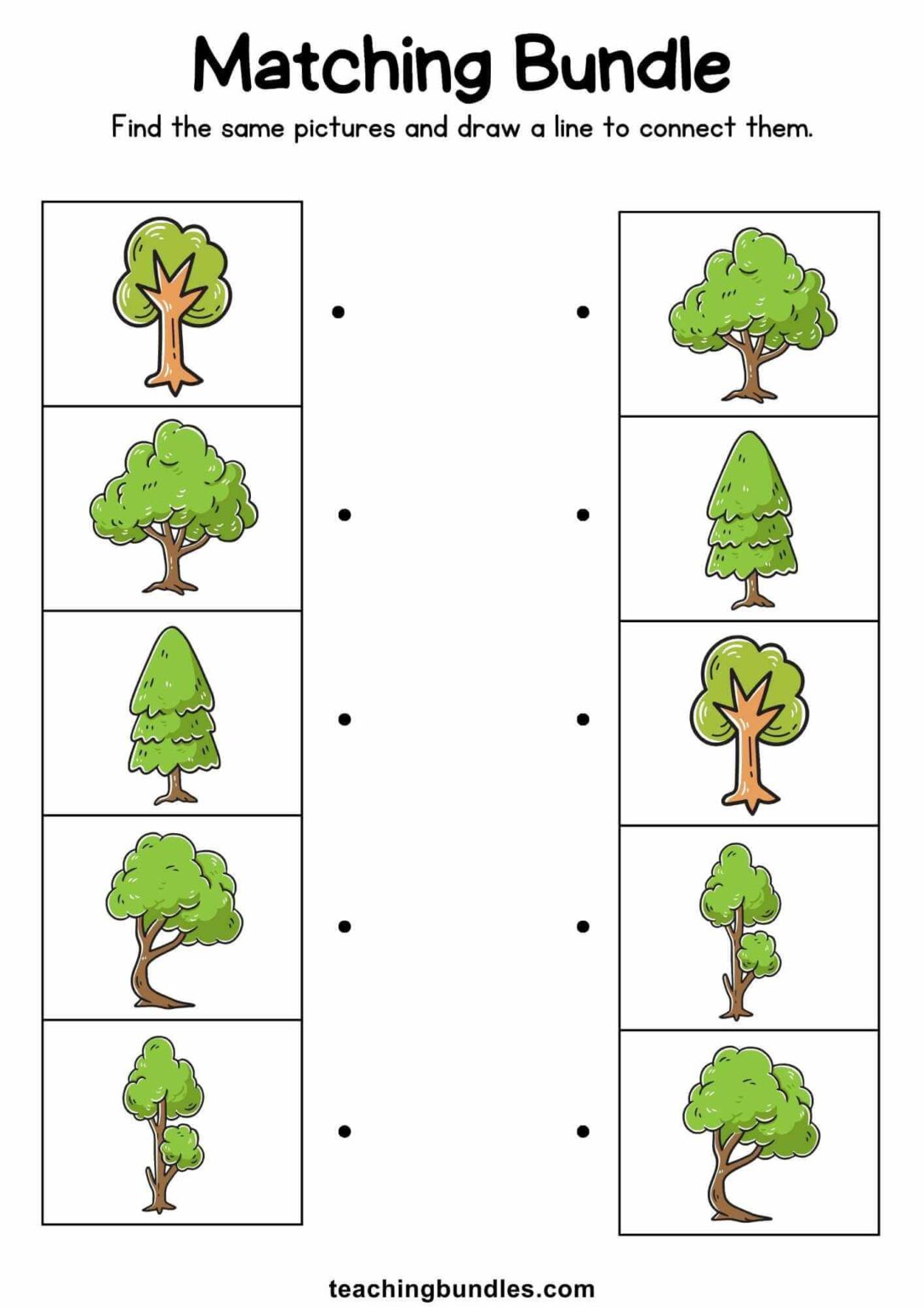
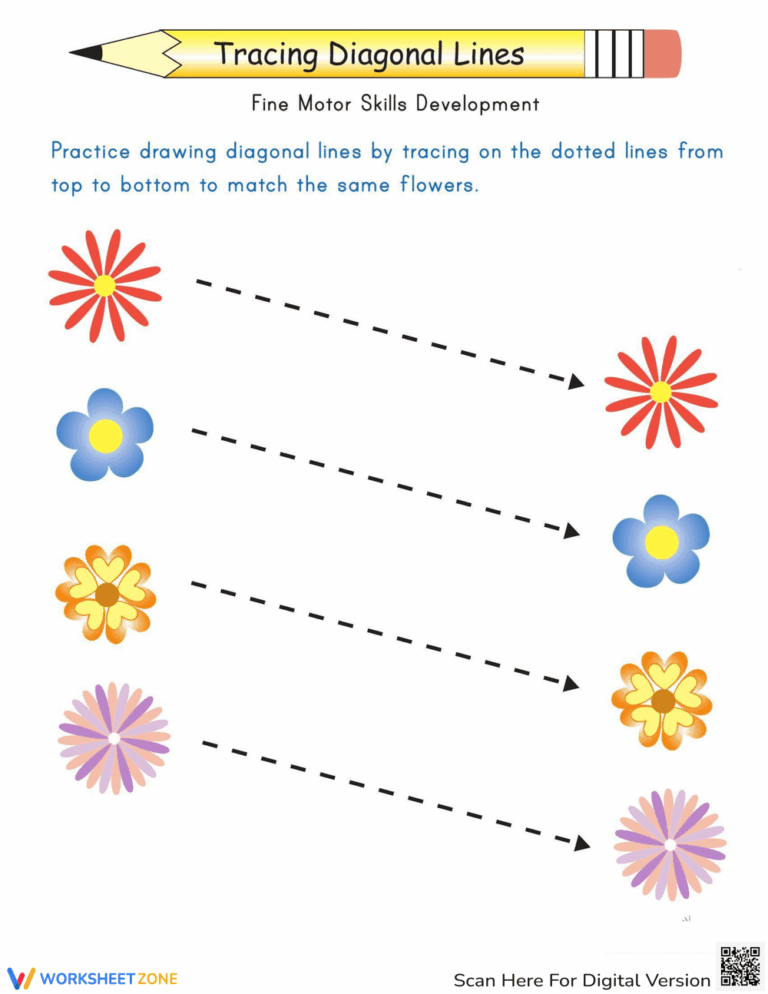
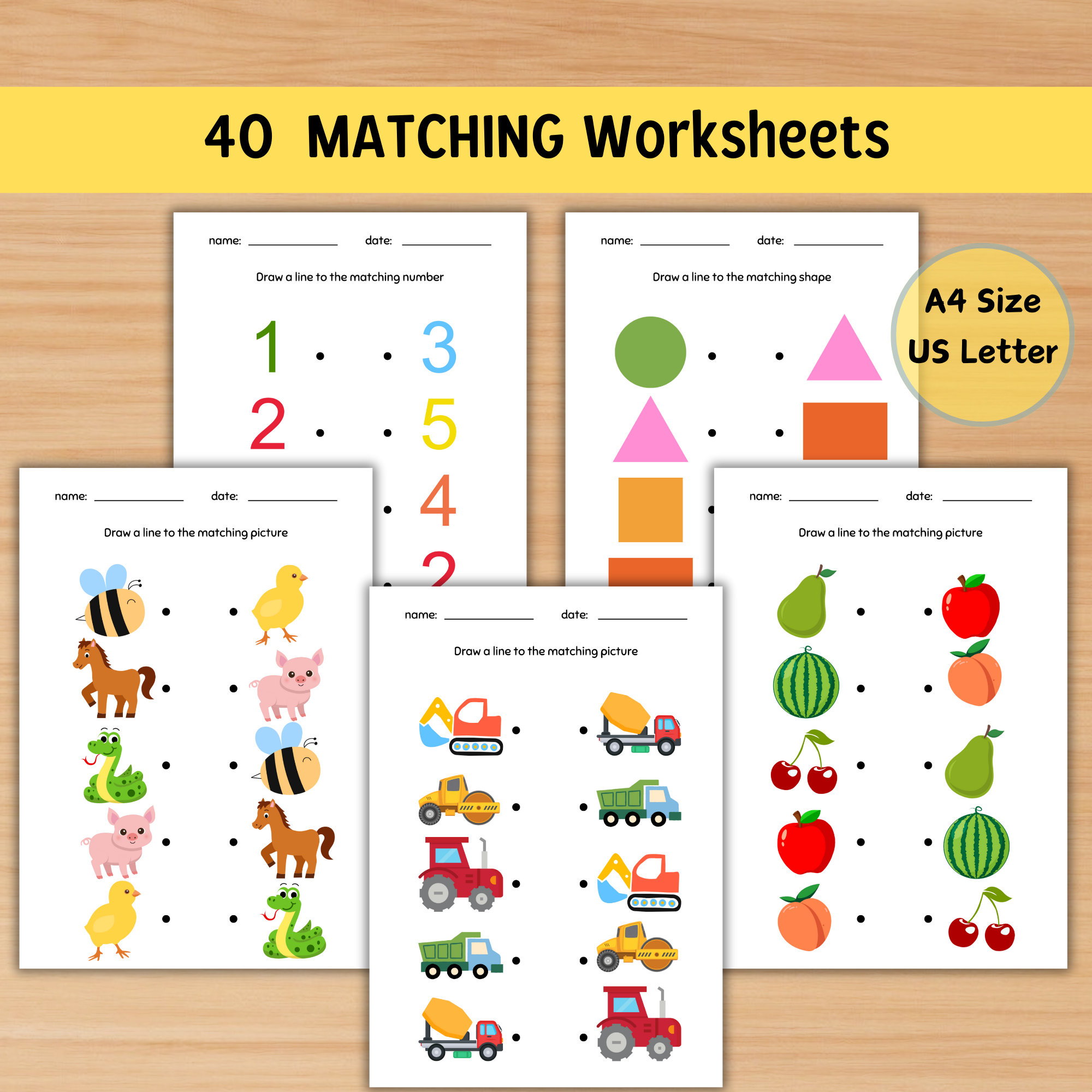
Feature based matching worksheets typically involve presenting a variety of images or objects and asking children to identify those that share common characteristics. This could be colors, shapes, sizes, or patterns. For preschoolers, this exercise is foundational, as it lays the groundwork for more complex reasoning and analytical skills they’ll encounter in later grades.
Key Components of the Worksheet
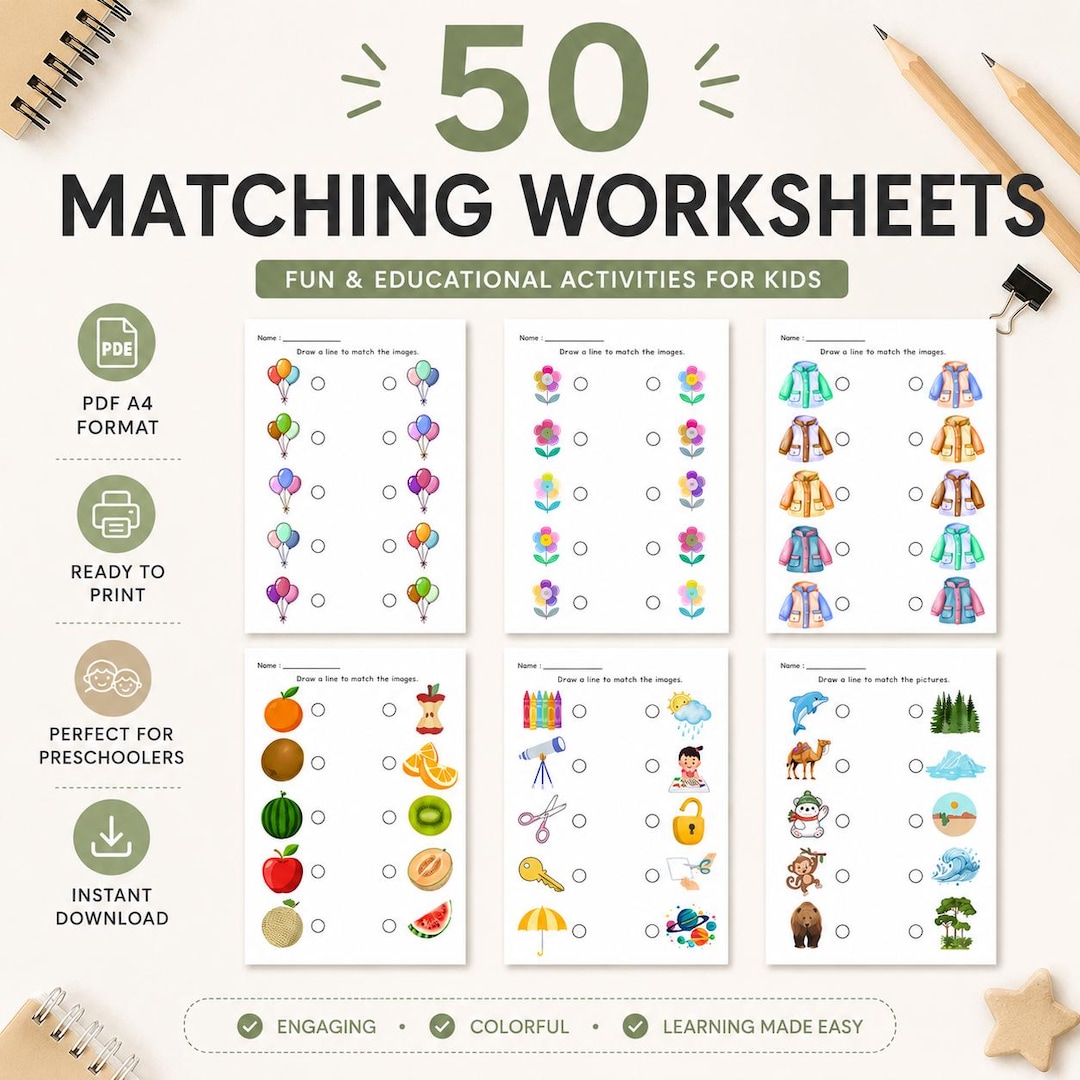
- Images or Objects: The primary focus is on carefully selected images or objects that are visually distinct yet share common features.
- Instructions: Clear, simple instructions guide the children on how to complete the worksheet. These instructions are crucial for ensuring that they understand the task at hand.
- Variety: Including a mix of features (like animals, shapes, or everyday objects) keeps the activity engaging and prevents monotony.
When to Use the Feature Based Matching Worksheet
Knowing when to introduce this worksheet can help maximize its effectiveness. Here are some scenarios:
- In the Classroom: Teachers can use these worksheets during lessons on shapes, colors, or animals. It’s a great way to assess children’s understanding of the concepts being taught.
- At Home: Parents can use these worksheets as a fun activity during family time. It can also be a great tool for homeschooling families looking to add structure to their learning.
- During Playdates: Incorporating this worksheet into playdates can encourage cooperative learning, as kids can work together to solve the matching tasks.
How to Fill Out the Worksheet
Filling out a Feature Based Matching Preschool Worksheet is straightforward, but here are some tips to ensure it’s done effectively:
- Read the Instructions Together: Before starting, read the instructions aloud with the child. This will help them understand exactly what is expected.
- Encourage Exploration: Allow the child to explore the images before starting the matching process. This builds curiosity and can enhance learning.
- Use Different Colors and Materials: If you have the option, print the worksheet on colored paper or use colored pencils for filling it out. This can make the activity visually stimulating.
Tips for Effective Usage
- Print Quality: Use a good quality printer to ensure that the images are clear and vibrant. This is especially important for younger children who rely on visual cues.
- Paper Type: For durability, consider using cardstock instead of regular printer paper. This will allow the worksheet to withstand handling, especially if multiple children are using it at once.
- Orientation Matters: Landscape orientation tends to provide more space for images and matching tasks, which can be easier for young children to navigate.
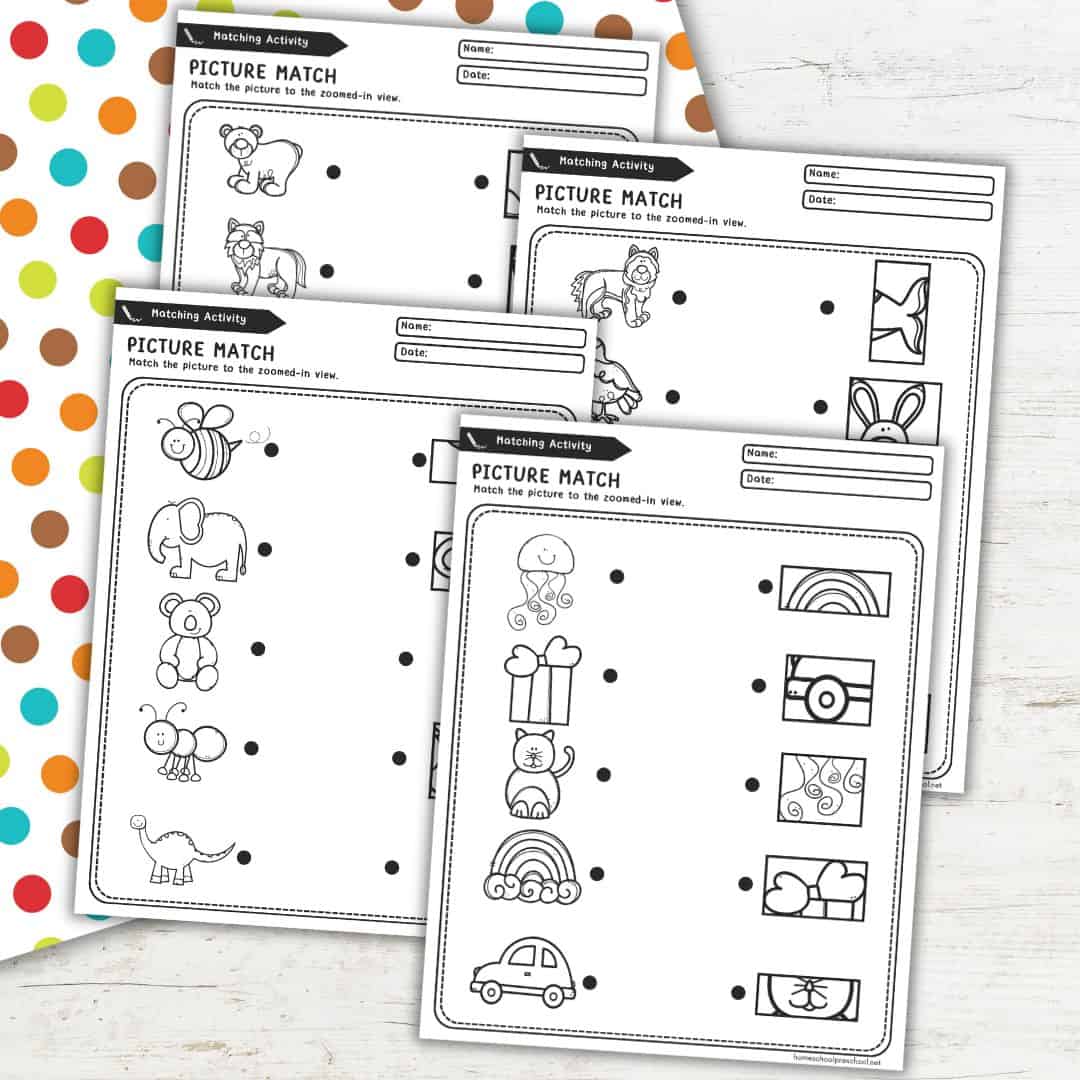
Additional Features to Consider
When selecting a Feature Based Matching Preschool Worksheet, consider the following additional features that can enhance its effectiveness:
- Variety of Difficulty Levels: Some worksheets offer different levels of complexity, which can help cater to children’s varying abilities. Starting with simpler tasks and gradually increasing difficulty can keep children engaged.
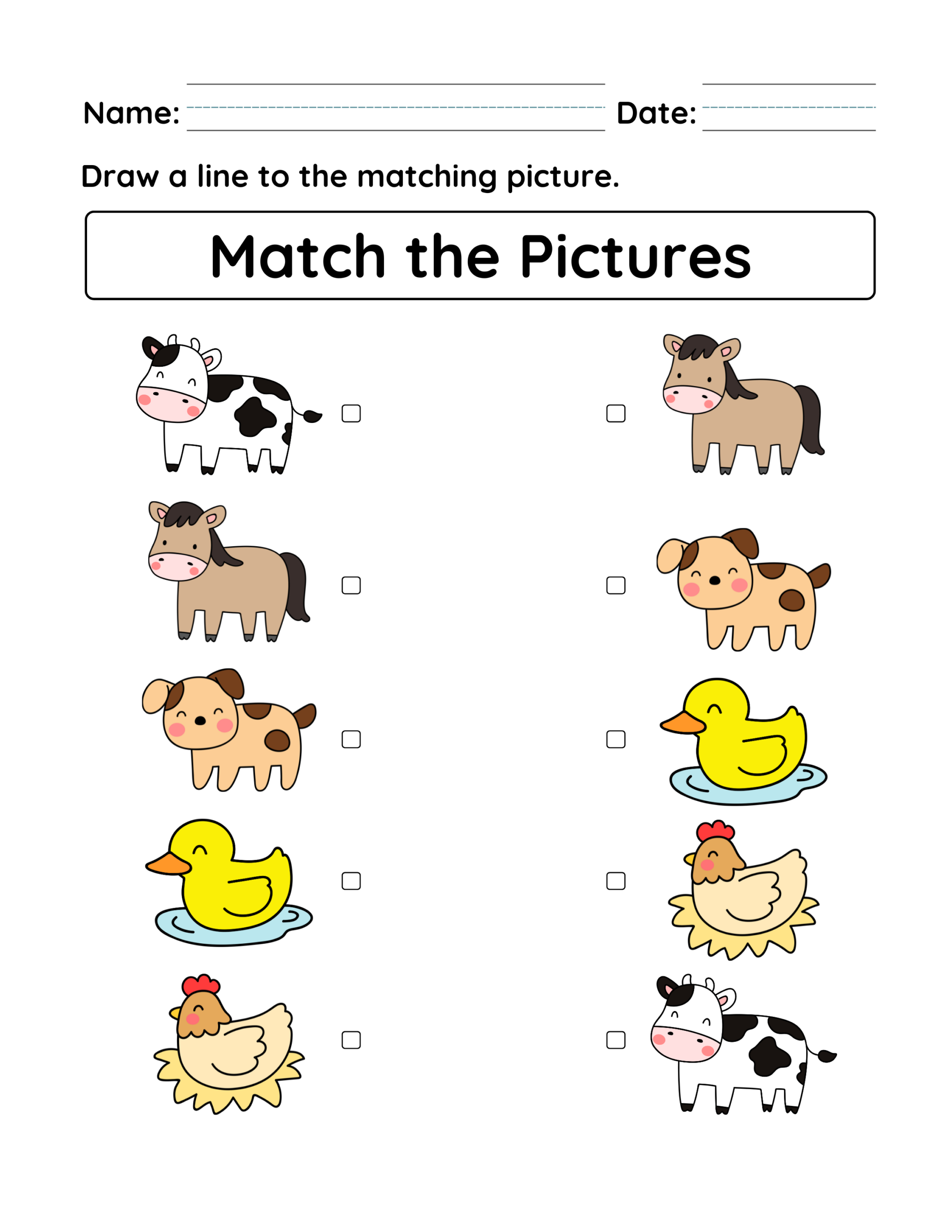
- Themes: Worksheets themed around popular children’s topics (like dinosaurs, space, or farm animals) can capture children’s interest and make learning more relatable.
- Interactive Elements: Some worksheets may include stickers or movable parts that children can use. This tactile element can further engage younger learners.
Feature Based Matching Preschool Worksheet Gallery