Diagonal Line Worksheets For Preschoolers
When teaching preschoolers, you might wonder how to engage them in meaningful activities that boost their fine motor skills and creativity. Diagonal Line Worksheets For Preschoolers can be a fantastic resource. These worksheets help young children practice drawing diagonal lines, which is crucial for developing their writing skills. In this article, we’ll explore how these worksheets can fit into your daily routine, what to look for when selecting them, and how to maximize their use.
Understanding Diagonal Line Worksheets
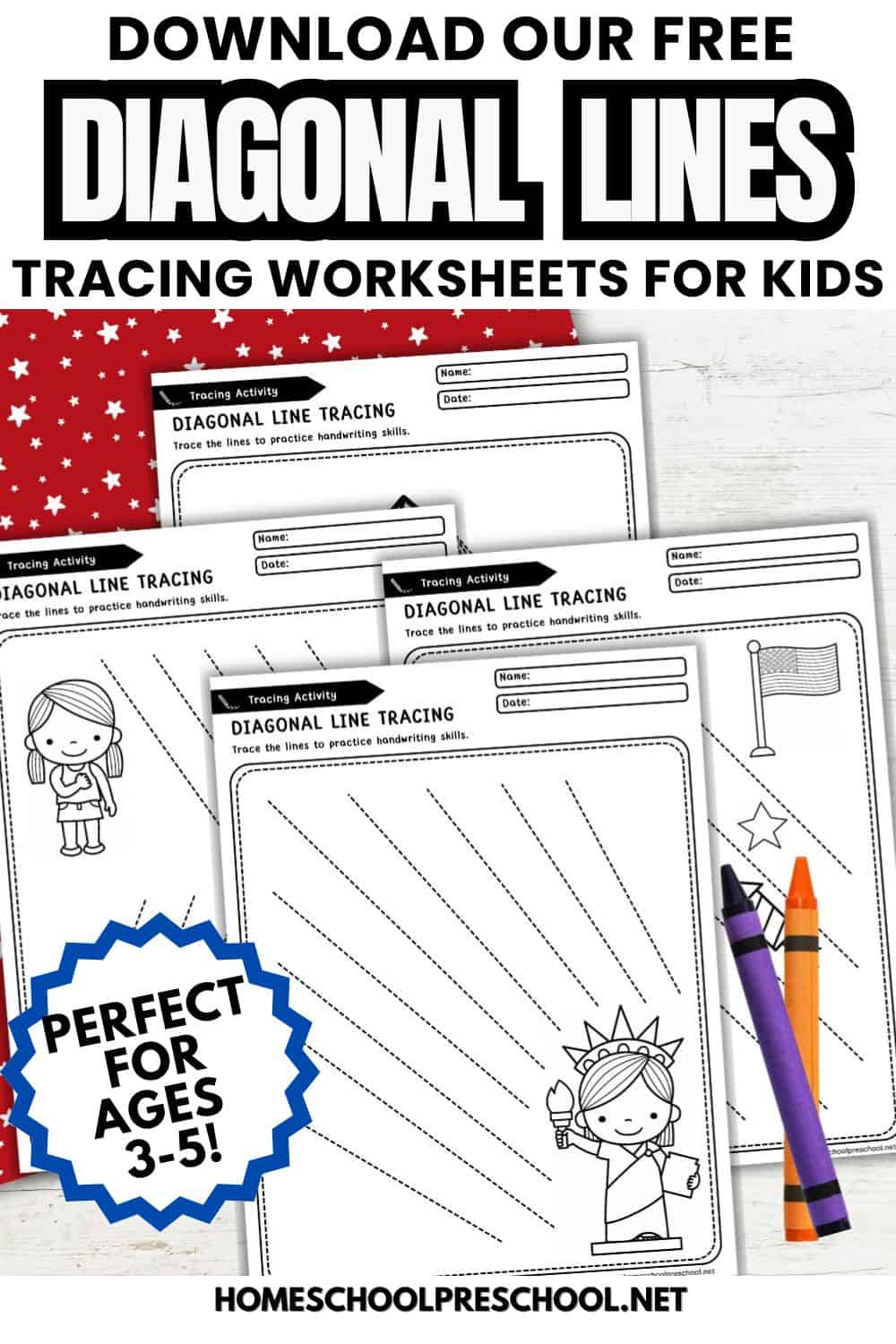
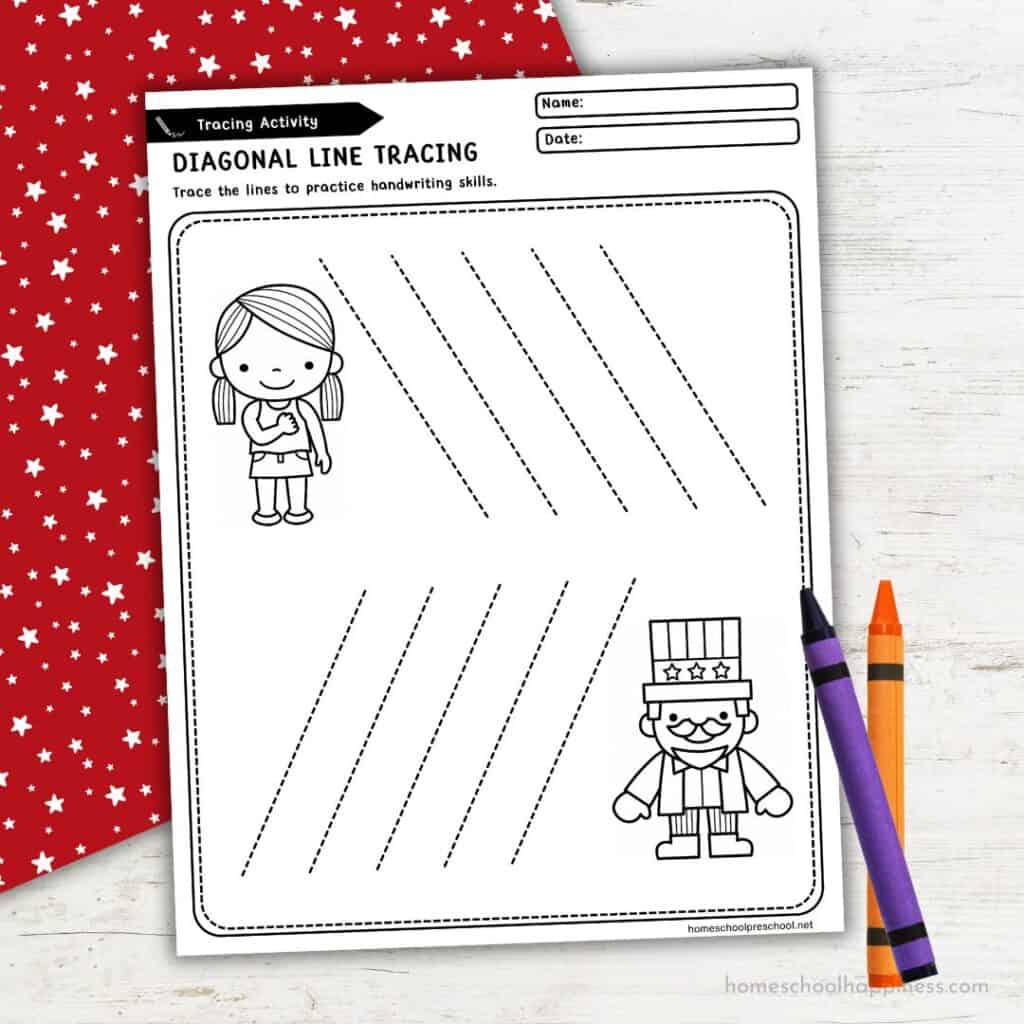
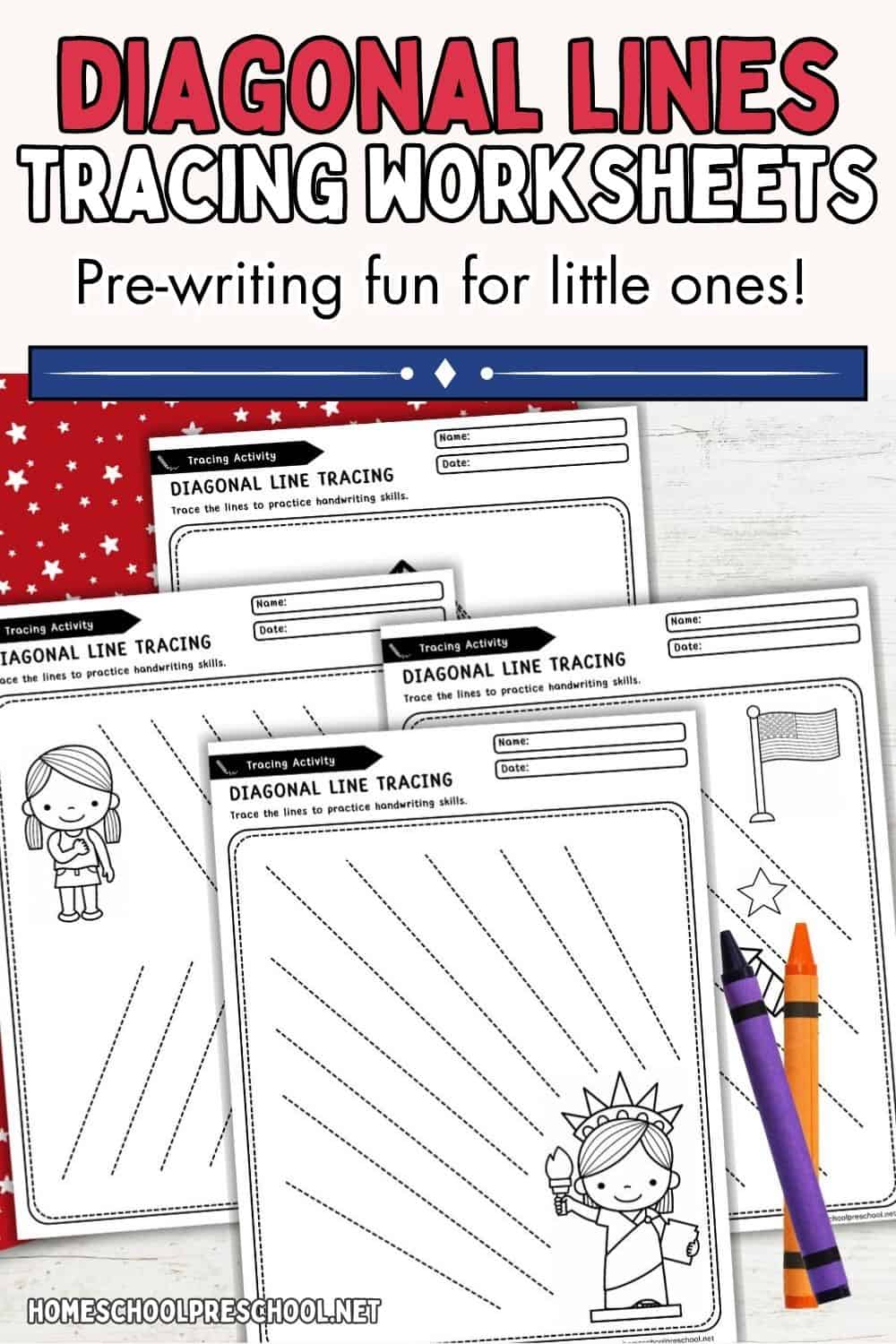
Diagonal line worksheets are specifically designed to help preschoolers understand and practice drawing diagonal lines. These lines are essential building blocks for later skills, such as letter formation and drawing shapes. The worksheets often feature various activities, including tracing, coloring, and even connecting dots.
When choosing worksheets, look for ones that are visually appealing and age-appropriate. Bright colors and fun illustrations can make the learning experience enjoyable for your child. Additionally, consider the complexity of the lines. Simple diagonal patterns are best for beginners, while more intricate designs can be introduced as your child progresses.
Why Diagonal Lines Matter for Preschoolers
Understanding diagonal lines is an important part of early childhood education. These lines appear in many shapes and letters, such as the letter “A” or triangles. By practicing diagonal lines, children develop hand-eye coordination and improve their pencil grip.
Moreover, these worksheets encourage creativity. As children color and trace, they express themselves and start to see how lines form part of larger shapes and images. Incorporating these worksheets into your learning routine can set a strong foundation for your child’s future academic success.
How to Use Diagonal Line Worksheets Effectively
To get the most out of diagonal line worksheets, consider the following practical tips:
- Set the Right Environment: Create a comfortable, distraction-free area for your child to work in. A well-lit space with a sturdy table is ideal.
- Use the Right Supplies: Equip your child with the right tools. A good set of crayons or colored pencils can enhance their experience. If your child is ready, try introducing a pencil for tracing.
- Incorporate Routine: Make these worksheets part of your daily routine. Set aside specific times for practice, such as after breakfast or before naptime. Consistency helps reinforce learning.
- Encourage Independence: Allow your child to work through the worksheets on their own. Offer guidance when needed but encourage them to try first. This builds confidence in their abilities.
- Mix in Other Activities: Combine the worksheets with other fine motor skill activities. Play dough, scissors practice, or even finger painting can complement their learning experience.
Types of Diagonal Line Worksheets Available
When searching for Diagonal Line Worksheets For Preschoolers, you’ll find a variety of formats. Here are some common types:
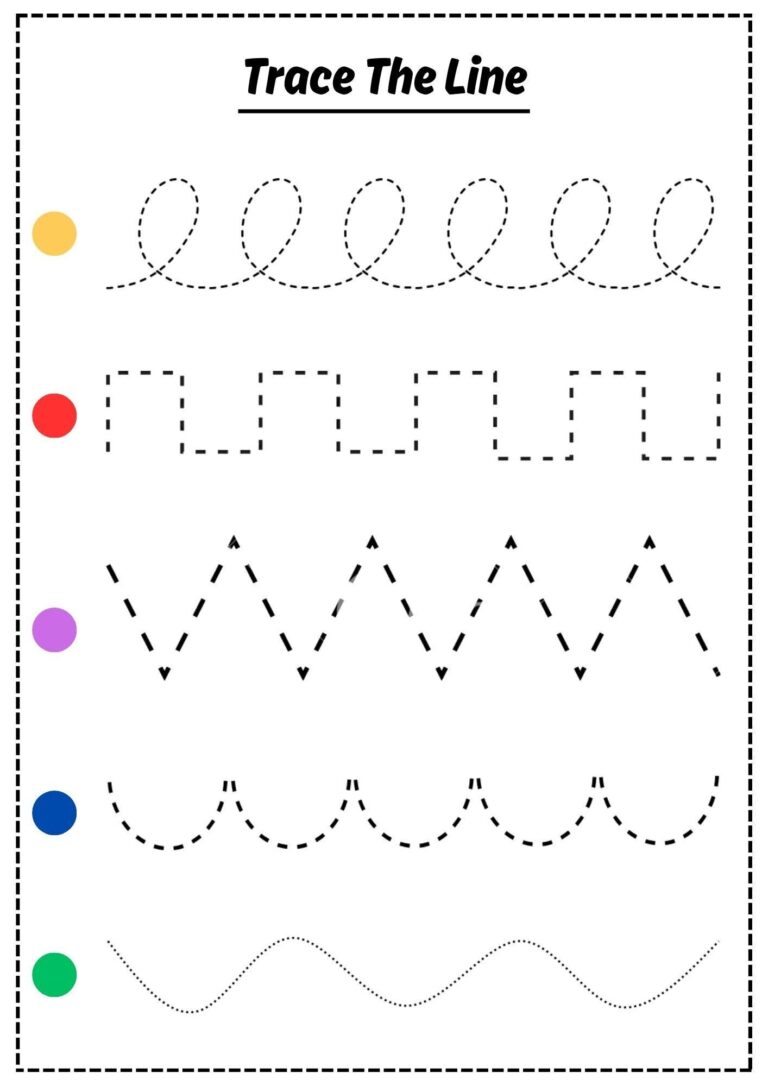
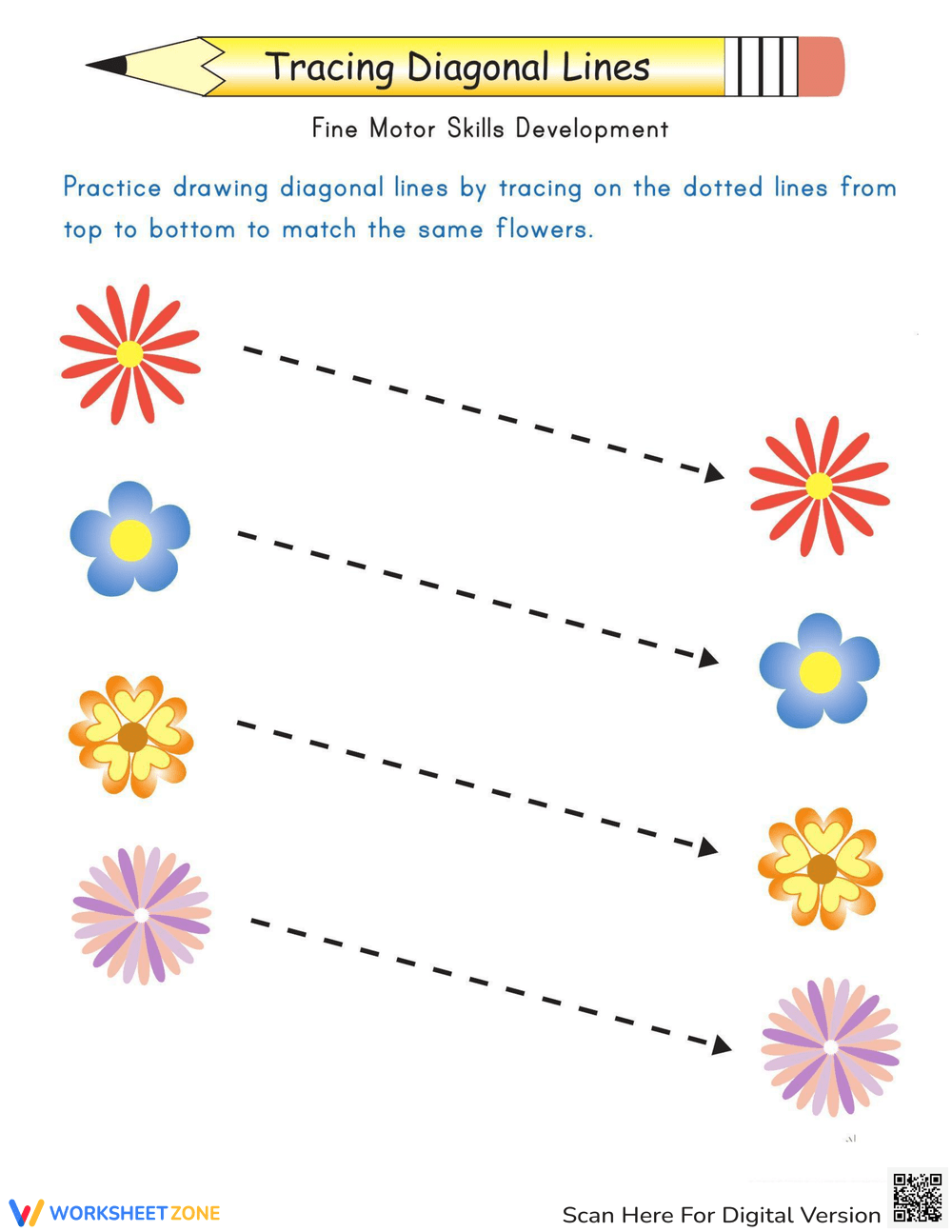
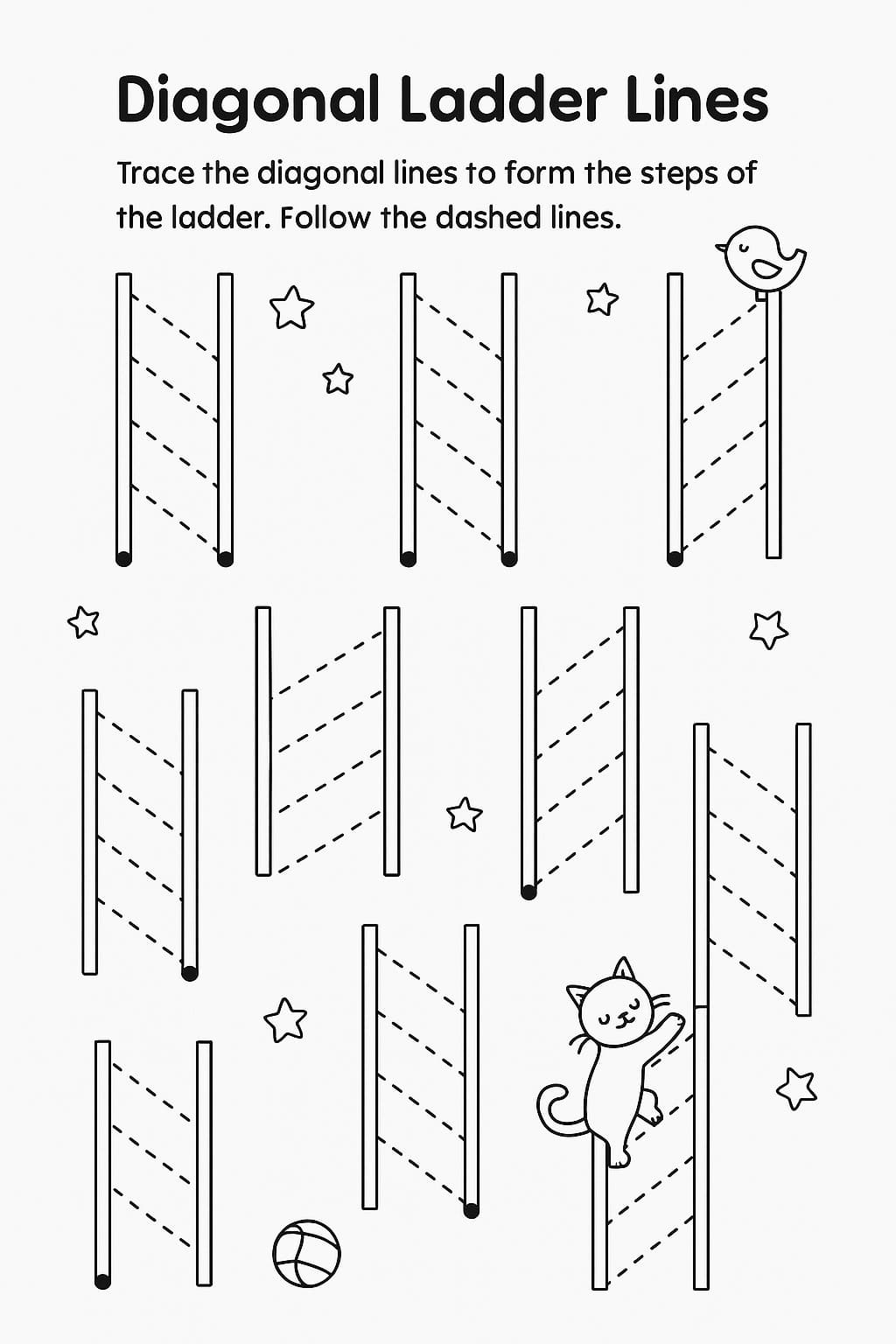
- Tracing Worksheets: These worksheets feature dashed diagonal lines for children to trace over. They help improve control and precision with a writing instrument.
- Coloring Sheets: Some worksheets incorporate diagonal lines into fun images that can be colored in, making the activity more engaging.
- Connect the Dots: These worksheets require children to connect dots in a diagonal pattern, helping them understand the concept of diagonal lines in a fun way.
- Interactive Printables: Some resources may include interactive elements, like stickers or cut-out shapes, that children can use alongside their worksheets.
Tips for Printing and Presenting Worksheets
To ensure your Diagonal Line Worksheets are effective, pay attention to how you print and present them:
- Paper Type: For durability, print on cardstock or heavy paper. This prevents tearing and allows for better coloring and tracing.
- Size Matters: Standard letter size (8.5 x 11 inches) is common, but consider printing larger versions if your child benefits from more space.
- Orientation: Portrait orientation usually works best for worksheets. This layout fits nicely on most tables and is easier for young children to manage.
- Lamination for Reuse: If you want to use the worksheets multiple times, consider laminating them. This way, your child can use dry-erase markers to trace and color repeatedly.
Incorporating Worksheets Into Learning Themes
You can also integrate diagonal line worksheets into broader learning themes. For instance, if you’re teaching about shapes, use worksheets that incorporate diagonal lines into triangles and squares. This not only reinforces the line practice but also connects it to other concepts.
Seasonal themes can add excitement too. For example, during autumn, use worksheets that feature diagonal lines in the context of drawing leaves or pumpkins. This keeps the learning relevant and fun.
Next Steps for Parents
Now that you understand the value of Diagonal Line Worksheets For Preschoolers, it’s time to put them into action. Start by downloading a few worksheets that suit your child’s skill level. As they engage with the materials, observe their progress and adjust the complexity of the worksheets as needed.
Remember to celebrate their achievements, no matter how small. Positive reinforcement will encourage your child to continue practicing and exploring their creativity. By integrating these worksheets into your routine, you’re not only helping your child develop essential skills but also fostering a love for learning.
Diagonal Line Worksheets For Preschoolers Gallery