Detect The Impossible Shape Worksheet Preschool
In the realm of preschool education, worksheets play a crucial role in aiding children’s cognitive development. One such resource is the Detect The Impossible Shape Worksheet Preschool. This printable worksheet is designed specifically for young learners, helping them identify and understand shapes in a fun and engaging way. With its clear layout and interactive design, it’s perfect for nurturing early math skills.
Understanding the Worksheet Layout
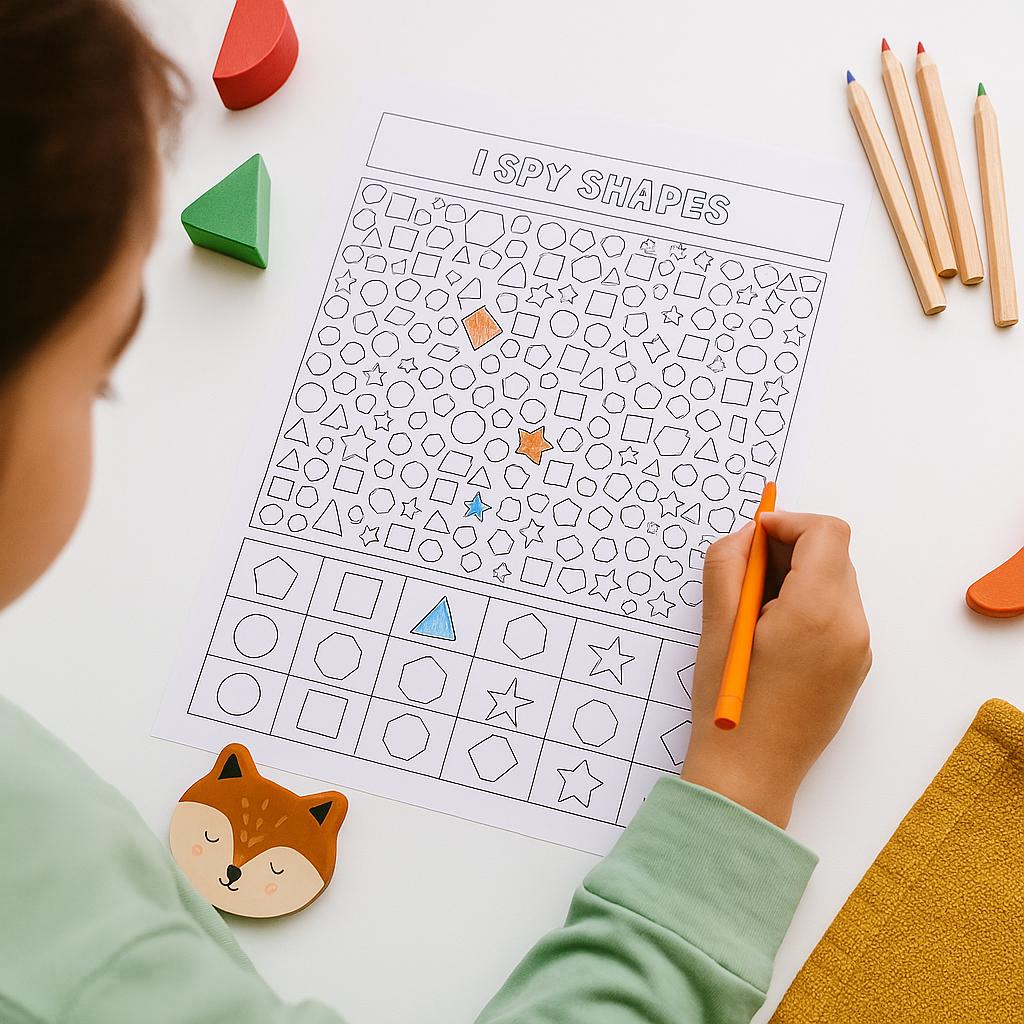
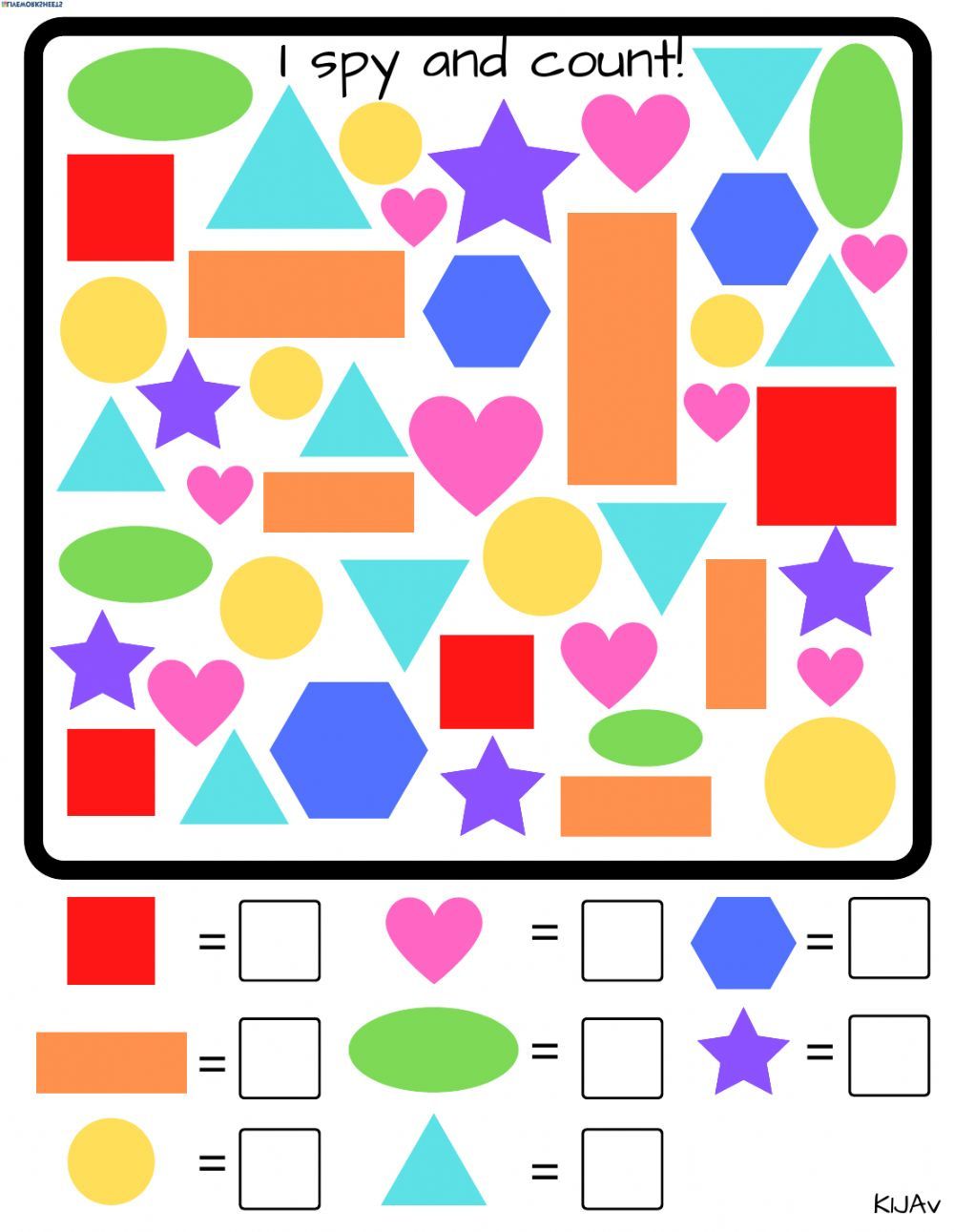
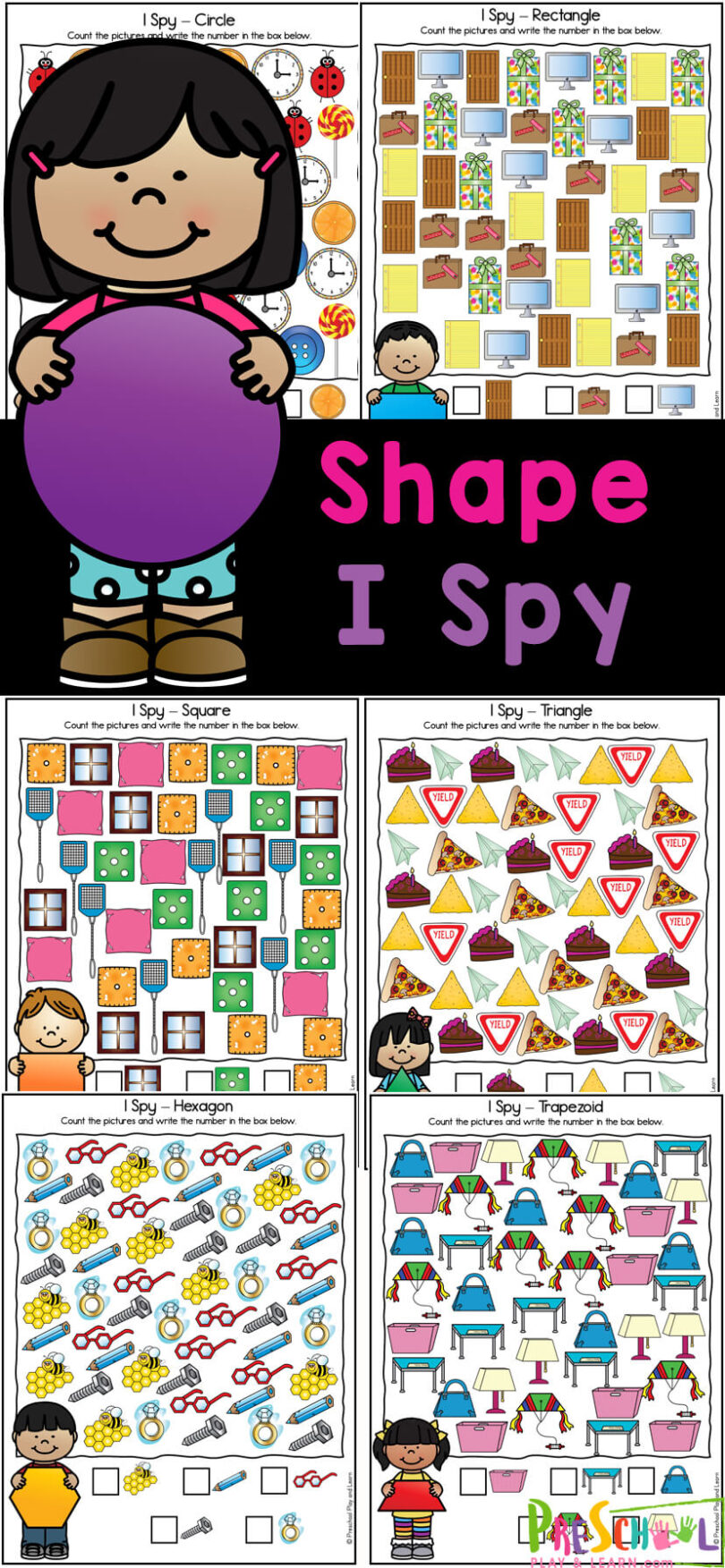
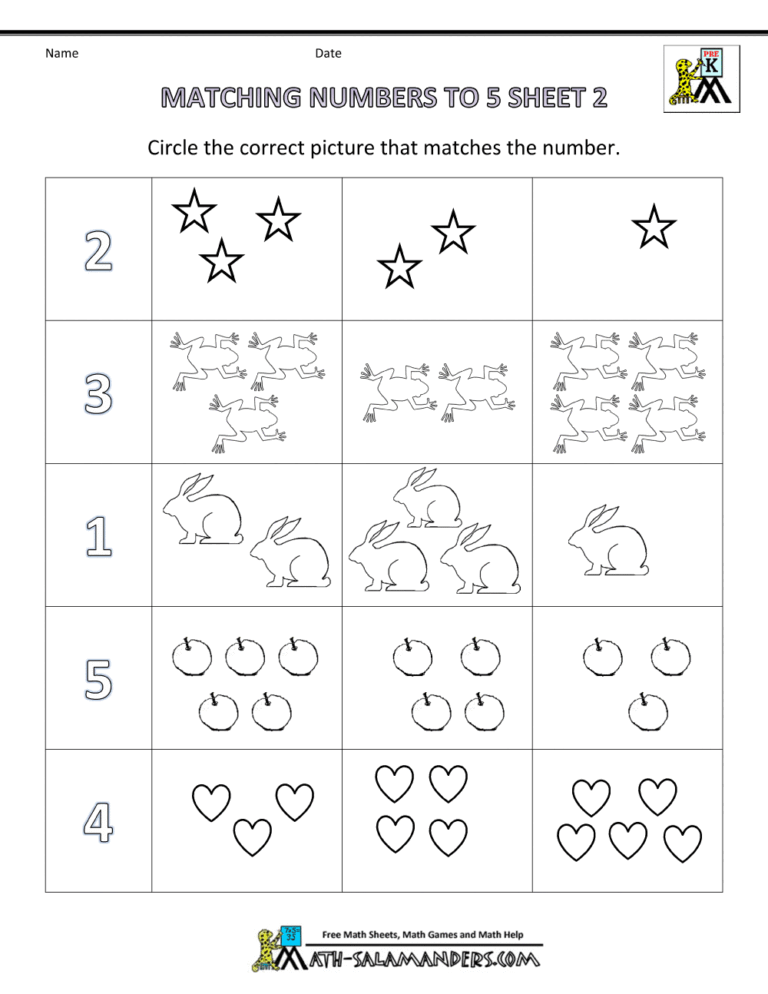
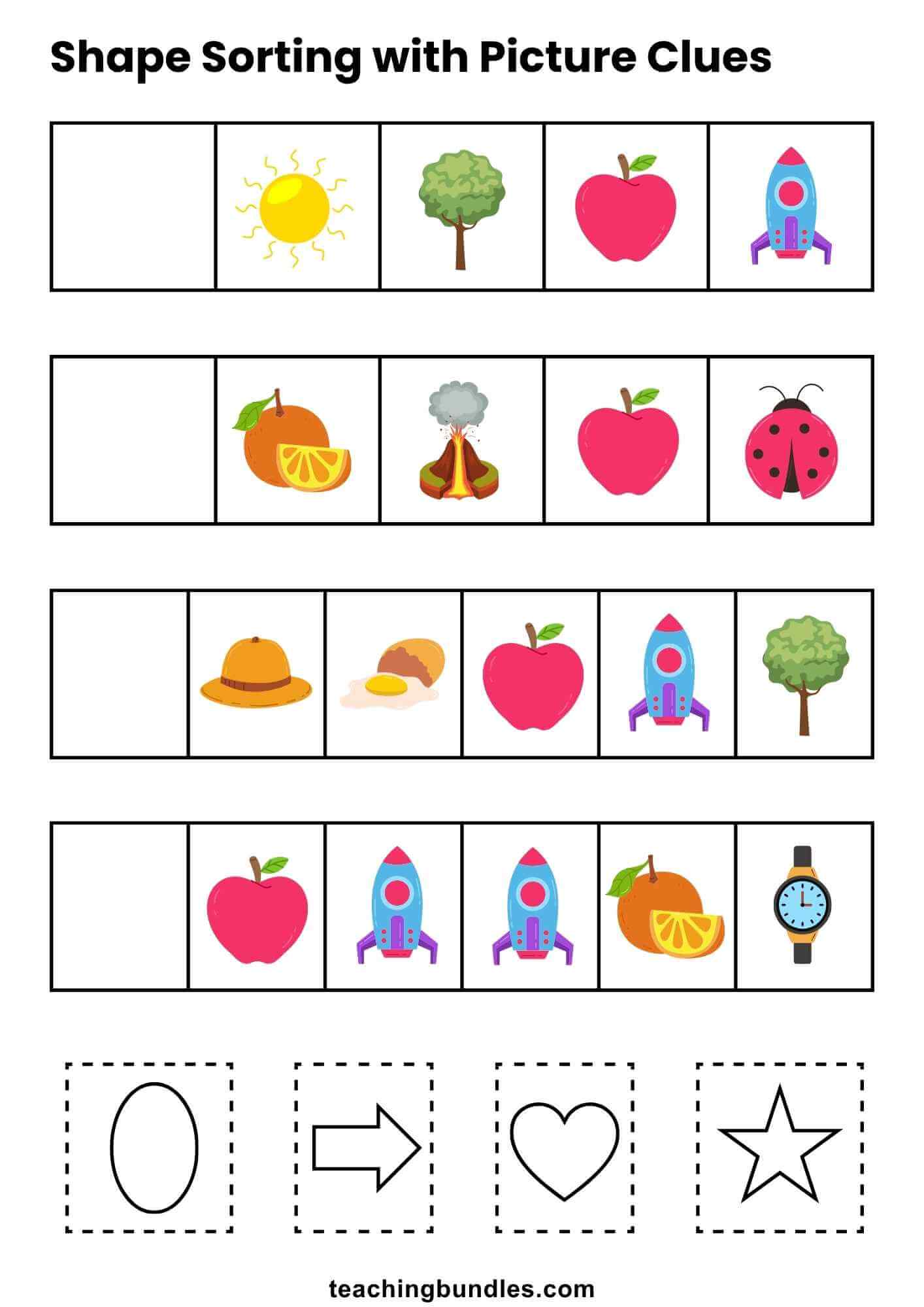
The Detect The Impossible Shape Worksheet is typically formatted on a standard 8.5 x 11-inch sheet, making it easy to print from home or school. The layout features a variety of shapes, some of which are recognizable while others are intentionally distorted or impossible. This design encourages children to critically analyze each shape presented.
At the top of the worksheet, you’ll find a brief instruction section that guides young learners on what to do. This is usually followed by a series of shapes arranged in a grid format. Each shape is enclosed in a box, making it easy for kids to focus on one at a time. The clarity of the layout is essential; it allows children to work through the shapes without feeling overwhelmed.
How to Use the Worksheet Effectively
Using the Detect The Impossible Shape Worksheet Preschool is straightforward, but there are several strategies to maximize its effectiveness. Here’s how you can guide your child through the process:
- Introduce the Concept: Before handing over the worksheet, take a moment to explain the types of shapes they will encounter. Discuss what makes a shape “impossible” and give examples. This sets the stage for critical thinking.
- Encourage Observation: As your child works through the worksheet, ask them to describe each shape. What do they see? What makes the shape look unusual? This encourages them to articulate their thoughts and engage with the material.
- Provide Tools: Consider using colored pencils or crayons to allow your child to mark the shapes they find interesting or confusing. This not only makes the activity more engaging but also helps in visual learning.
- Review Together: After completing the worksheet, take some time to go through the answers together. Discuss why certain shapes are impossible and celebrate correct answers. This reinforces learning and boosts confidence.
Fields and Sections of the Worksheet
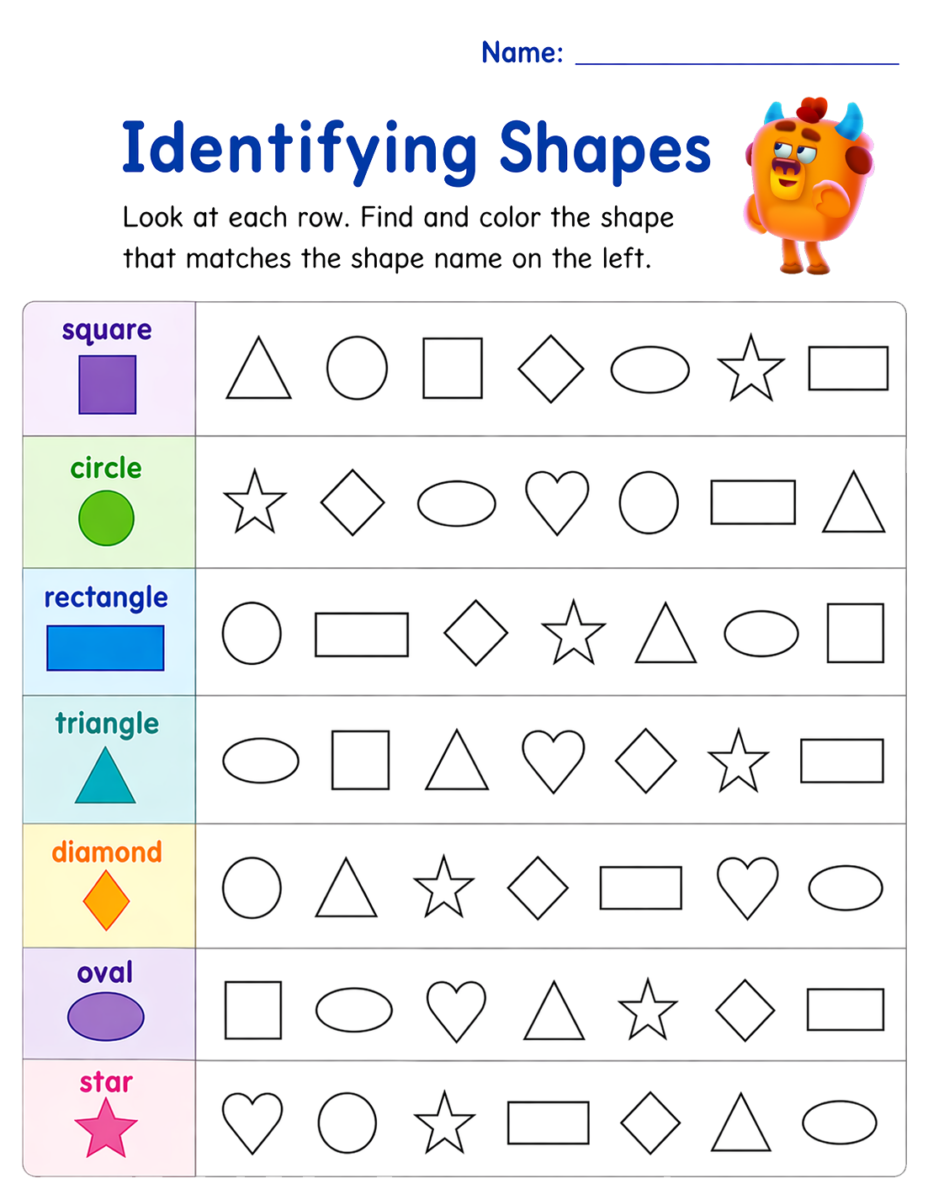
The Detect The Impossible Shape Worksheet Preschool features several distinct sections that help organize the learning process. Here’s a breakdown of what to expect:
- Title Section: Clearly states the purpose of the worksheet.
- Instruction Area: Provides simple, clear instructions for the activity. This is crucial for preschoolers who may struggle with complex directions.
- Shape Grid: The main area where children will interact with the shapes. Typically, this grid includes:
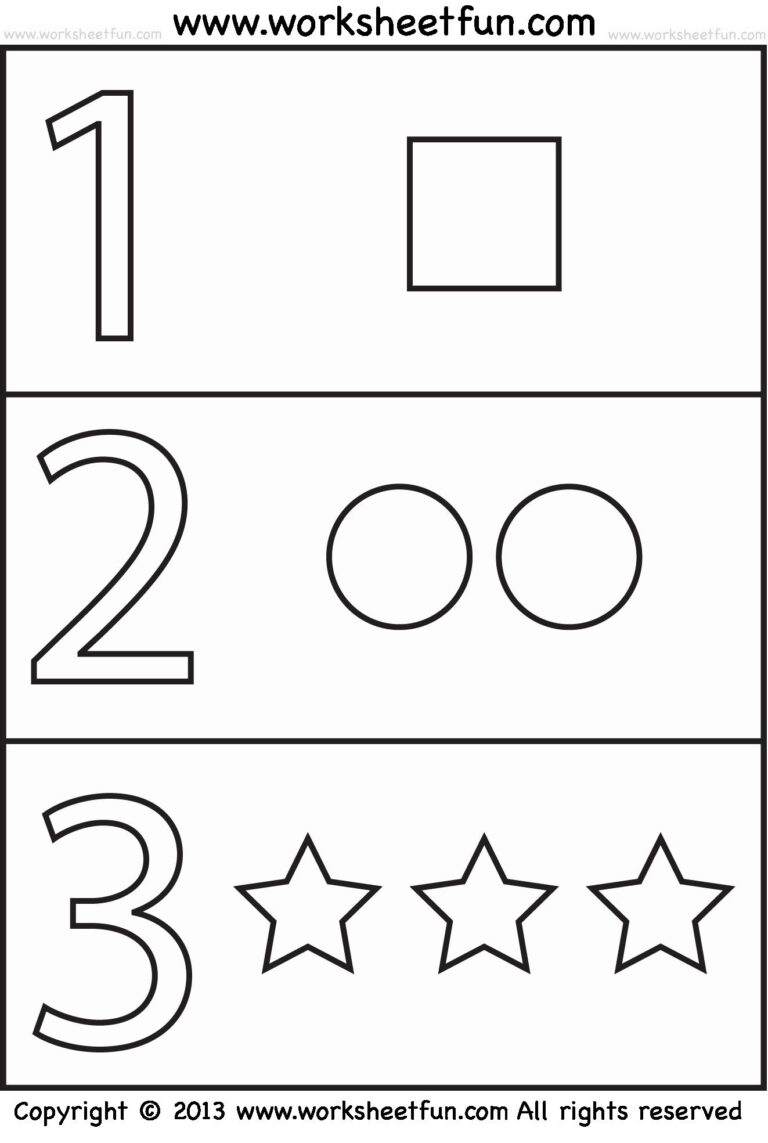
- Recognizable Shapes: Common shapes like circles, squares, and triangles.
- Impossible Shapes: Distorted shapes that challenge perception.
- Reflection Section: At the bottom, many worksheets include a small area for kids to express what they learned. This could be a couple of lines for them to draw or write about their favorite shape.
Benefits of Using the Worksheet
Incorporating the Detect The Impossible Shape Worksheet Preschool into your child’s routine has several benefits:
- Encourages Critical Thinking: By challenging children to identify impossible shapes, the worksheet promotes problem-solving skills and critical thinking.
- Enhances Shape Recognition: Regular practice helps reinforce knowledge of basic shapes, a fundamental math skill that serves as a building block for future learning.
- Promotes Fine Motor Skills: Activities involving drawing, coloring, or circling shapes help develop fine motor skills, which are essential for writing and other tasks.
Making It a Part of Your Routine
Integrating the Detect The Impossible Shape Worksheet Preschool into your daily or weekly routine can be highly beneficial. Here are a few ideas to make it a regular activity:
- Weekly Math Day: Designate a day each week as “Math Day” where you focus on different worksheets and activities. This keeps learning consistent and fun.
- Combine with Other Resources: Pair the worksheet with shape-related games or crafts. For instance, after completing the worksheet, you might create shapes using playdough or cut out shapes from colored paper.
- Use as a Review Tool: As your child learns new shapes, revisit the worksheet periodically to reinforce their knowledge. This can also serve as an assessment tool to gauge their understanding over time.
By making the Detect The Impossible Shape Worksheet Preschool a part of your child’s educational journey, you’re not just filling time; you’re actively engaging their minds and fostering a love for learning.
Tips for Printing and Preparation
When it comes to printing the worksheet, there are a few considerations to keep in mind to ensure the best results:
- Paper Type: Use standard printer paper for a simple printout, but if you plan to laminate the worksheet for repeated use, consider cardstock. It holds up better over time and is more durable for young hands.
- Printer Settings: For the best quality, set your printer to a high-quality print setting. This ensures that the shapes are crisp and clear, which is especially important for young learners who may be struggling with shape recognition.
- Color vs. Black and White: If your child enjoys color, printing in color can make the activity more engaging. However, black and white printing is perfectly fine if you want to save on ink.
The Detect The Impossible Shape Worksheet Preschool is a valuable resource that combines fun and education. By understanding its layout, how to use it effectively, and incorporating it into your routine, you can support your child’s learning journey and foster essential skills that will benefit them in the future.
Detect The Impossible Shape Worksheet Preschool Gallery