Fill In The Blank Worksheets For Preschoolers
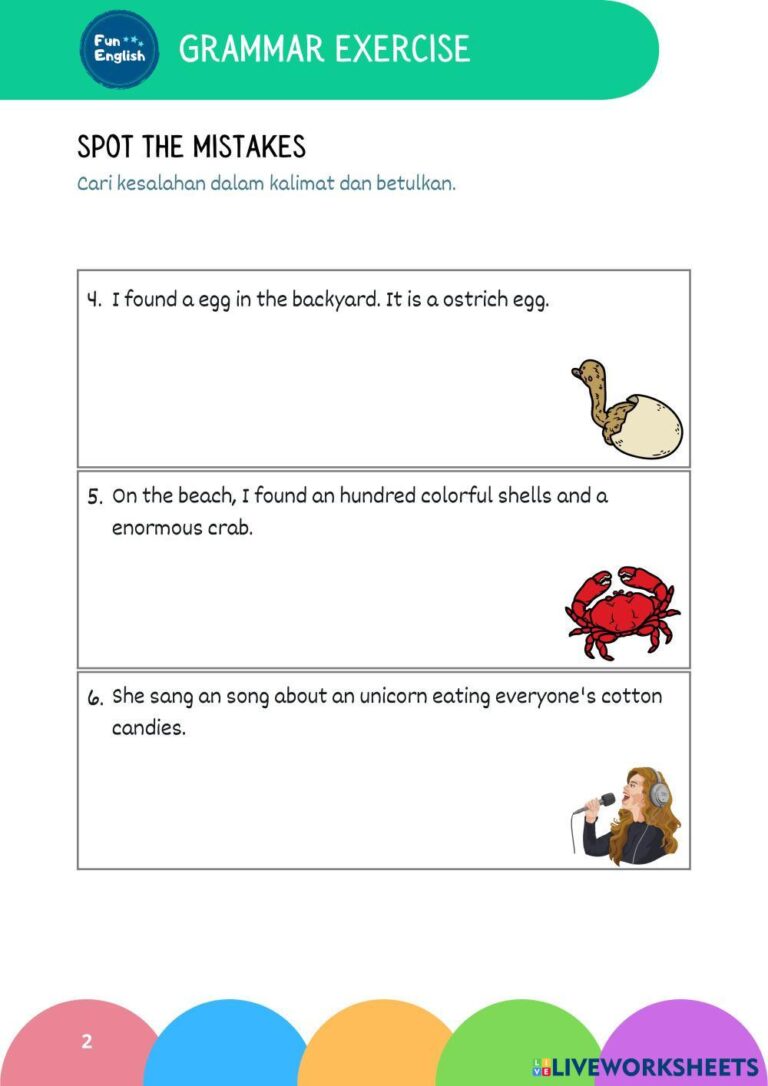
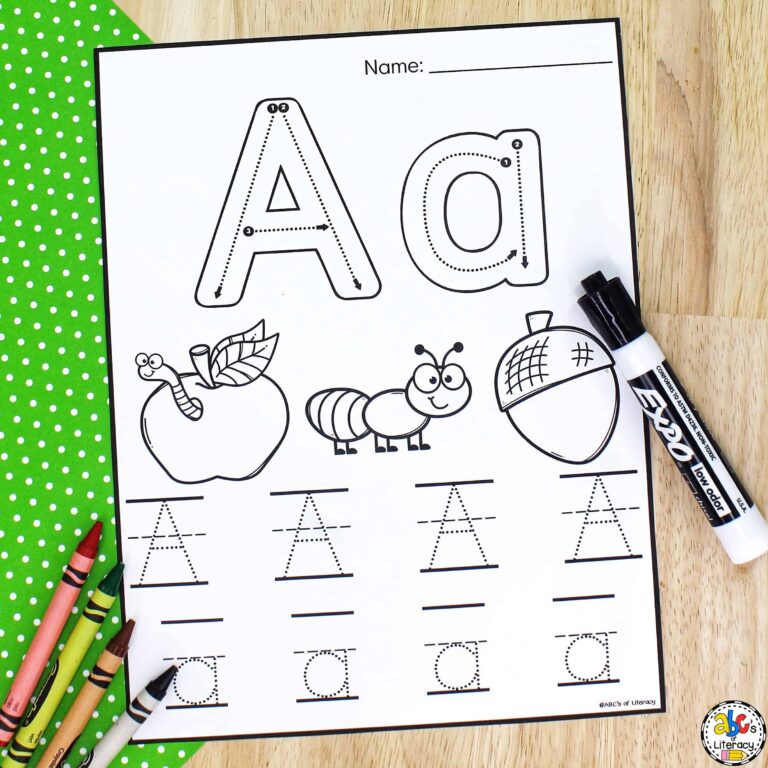
When it comes to fostering early literacy and critical thinking skills, Fill In The Blank Worksheets For Preschoolers are an invaluable resource. These worksheets not only engage young minds but also help children learn vocabulary, sentence structure, and even basic grammar in a fun and interactive way. In this article, I’ll guide you through the importance of these worksheets, how to effectively use them, and tips for printing and presenting them beautifully.
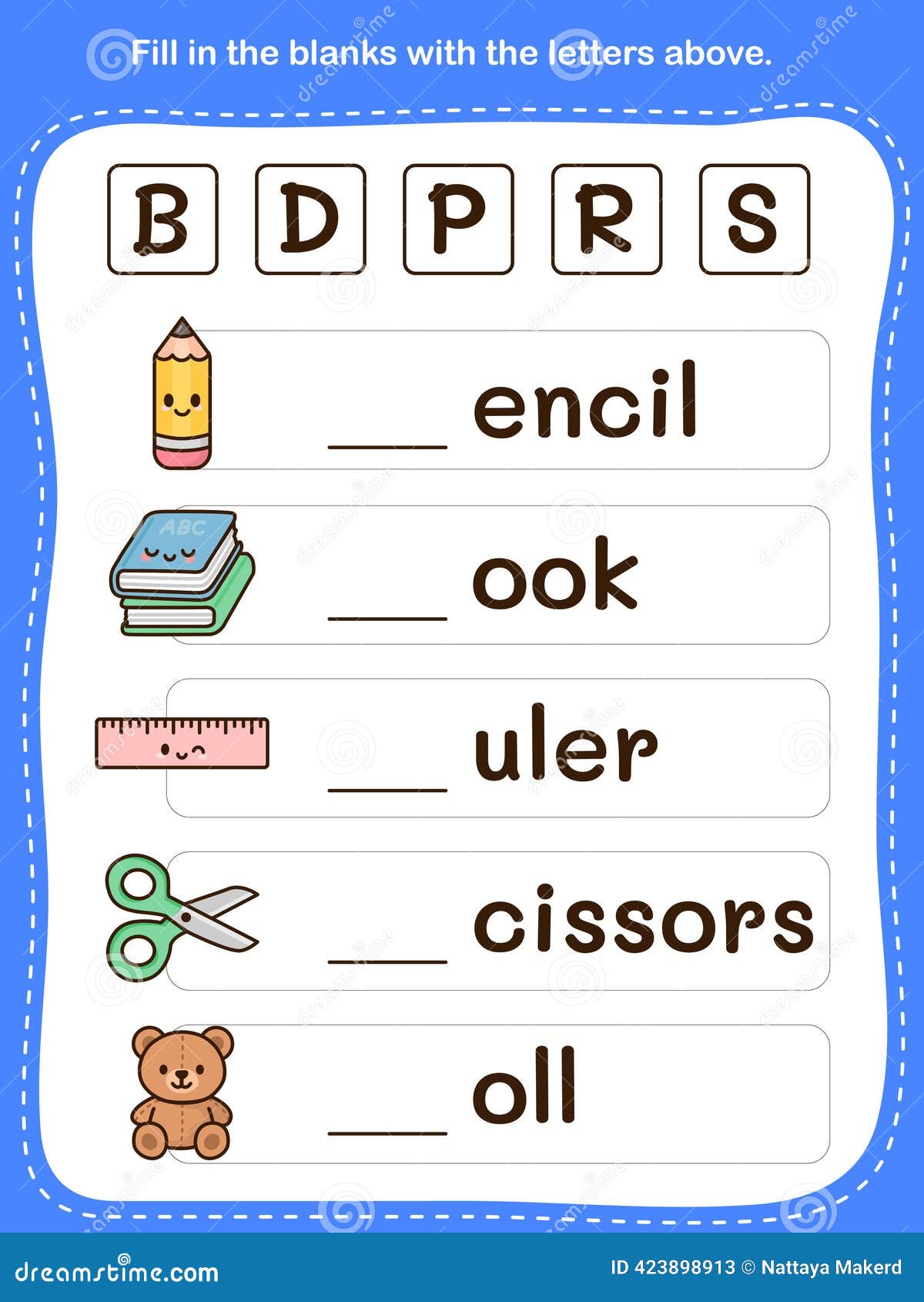
Why Use Fill In The Blank Worksheets?
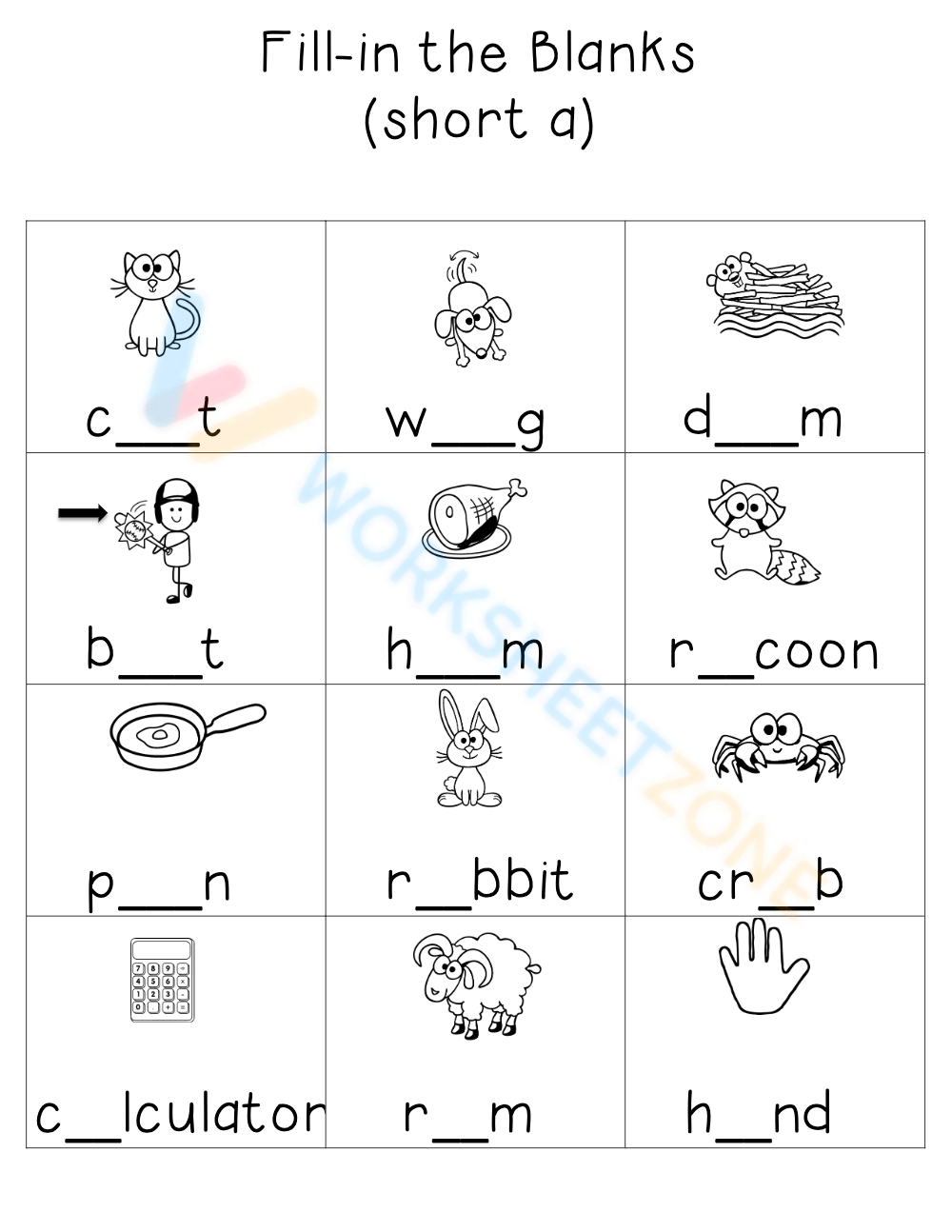
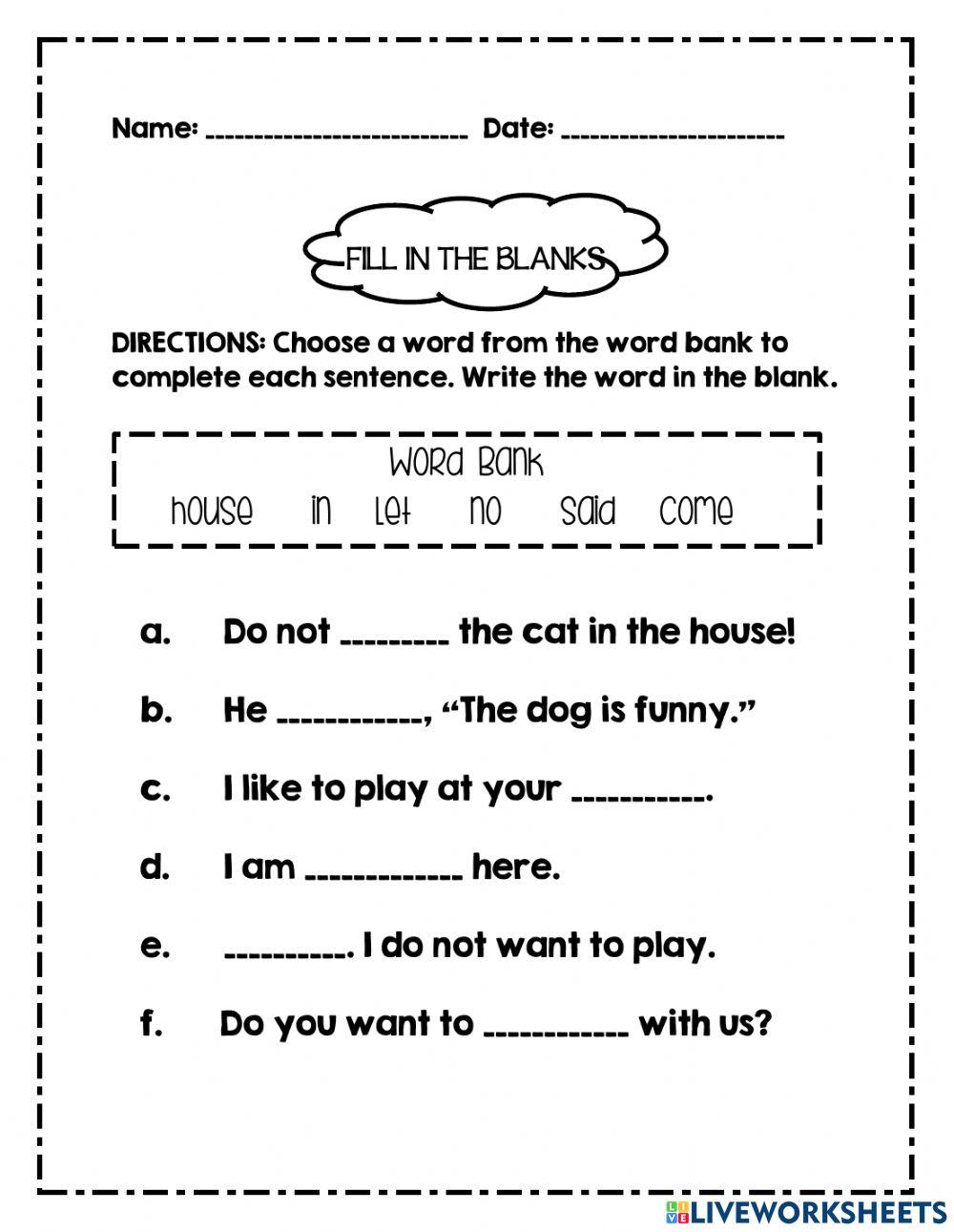
Fill In The Blank Worksheets are designed to challenge preschoolers while keeping learning enjoyable. These resources can be used to reinforce vocabulary from stories, introduce new concepts, or provide practice for spelling. By prompting children to think about which words fit into a sentence, you’re encouraging them to develop critical reading comprehension skills.
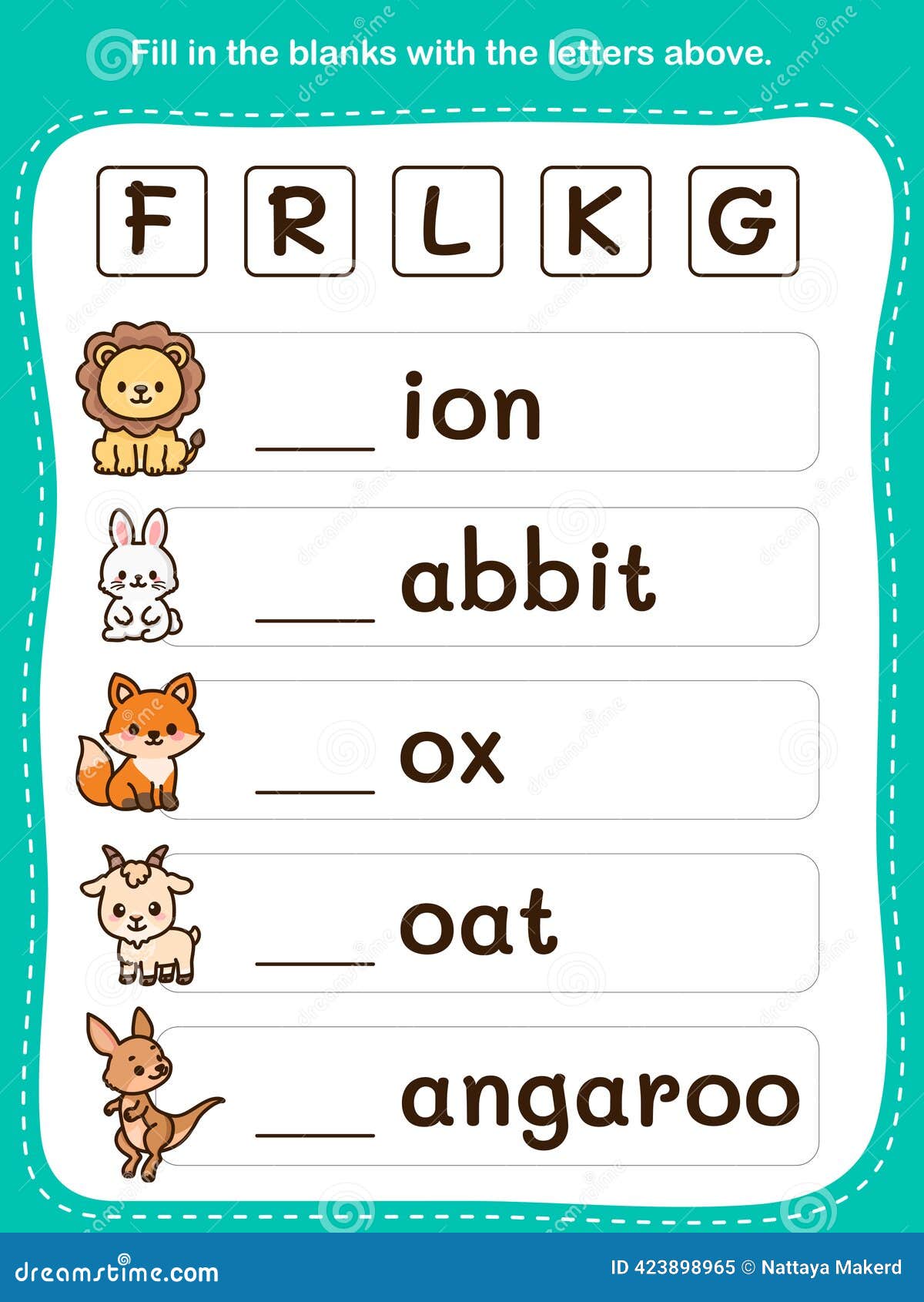
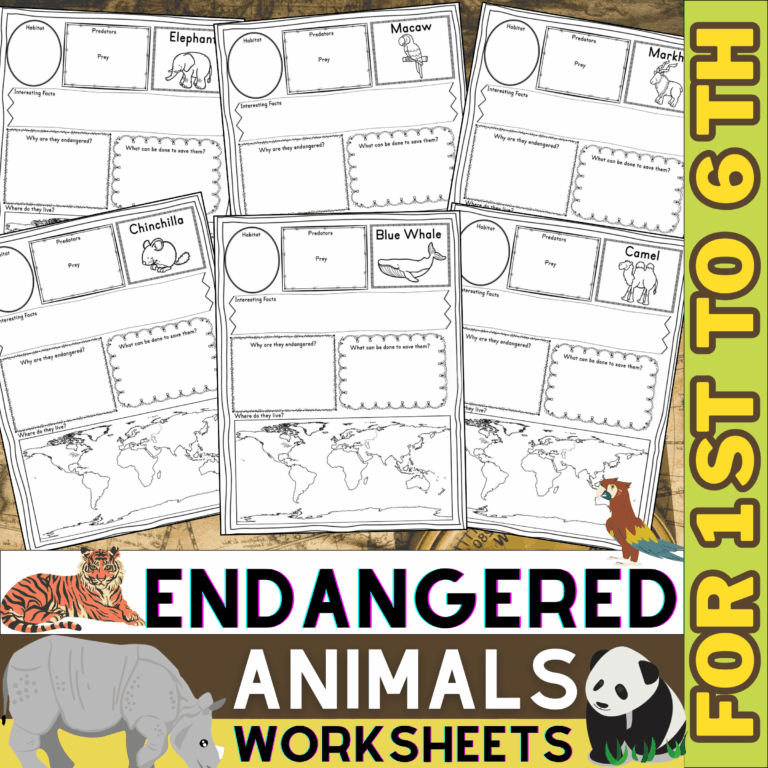
Additionally, these worksheets can be tailored to fit various themes or subjects. For example, you might have worksheets focusing on animals, seasons, or even holidays. The versatility of these worksheets makes them suitable for both home and classroom settings.
How to Use Fill In The Blank Worksheets Effectively
To get the most out of Fill In The Blank Worksheets, consider the following strategies:
- Select Appropriate Themes: Choose worksheets that align with what your child is currently learning. This could be based on a book you’ve read together or a topic they are curious about.
- Encourage Discussion: Before filling in the blanks, discuss the sentences together. Ask questions about the context and what words might fit. This promotes critical thinking.
- Make It Fun: Use colorful crayons or markers to fill in the blanks. Encourage creativity by allowing your child to illustrate the completed sentences.
- Review Together: Once the worksheet is complete, read through the sentences together. This helps reinforce learning and gives a sense of accomplishment.
- Integrate with Other Learning Activities: Pair worksheets with related activities. For example, if the worksheet is about animals, you might visit a zoo or watch a documentary about wildlife.
Choosing the Right Format for Printing
When it comes to printing your Fill In The Blank Worksheets, there are a few factors to consider that can enhance the learning experience:
- Paper Quality: Use sturdy paper, such as cardstock, especially if your child will be using markers or paints. This prevents bleed-through and ensures the worksheet lasts longer.
- Size Matters: Standard letter size (8.5 x 11 inches) is usually sufficient, but if you have access to larger paper, consider using 11 x 17 inches to give more space for writing and creativity.
- Portrait vs. Landscape: Most worksheets are designed in portrait layout, which fits standard printers well. However, if your worksheet has a lot of illustrations or requires more horizontal space, landscape orientation might be better.
- Color vs. Black and White: While color adds vibrancy, black and white prints are often more economical. You can encourage your child to color the images afterward, adding a personal touch.
Where to Find Printable Fill In The Blank Worksheets
There are numerous online resources where you can find printable Fill In The Blank Worksheets tailored for preschoolers. Here are some trusted options:
- Educational Websites: Websites like Education.com and Teachers Pay Teachers offer a range of free and paid worksheets that cater to different themes and learning objectives.
- Printable Resource Sites: Many sites focus exclusively on printable resources for parents and educators. They often have a dedicated section for preschool worksheets.
- DIY Templates: If you prefer creating custom worksheets, consider using templates available in word processing software or educational platforms that allow for easy customization.
Tips for Presenting Worksheets to Preschoolers
How you present these worksheets can significantly influence your child’s engagement and enjoyment. Here are some tips:
- Create a Learning Station: Set up a designated area with all necessary supplies — crayons, scissors, stickers, and the worksheets themselves. Having a specific space can make learning feel special.
- Incorporate Themes: If you’re using a worksheet about the ocean, consider playing ocean sounds or reading a related story beforehand to set the mood.
- Celebrate Achievements: Display completed worksheets on the fridge or in a scrapbook. This not only boosts confidence but also encourages your child to keep learning.
- Regular Schedule: Establish a routine where you include worksheet time. This could be a daily or weekly activity, making it a fun part of your child’s learning journey.
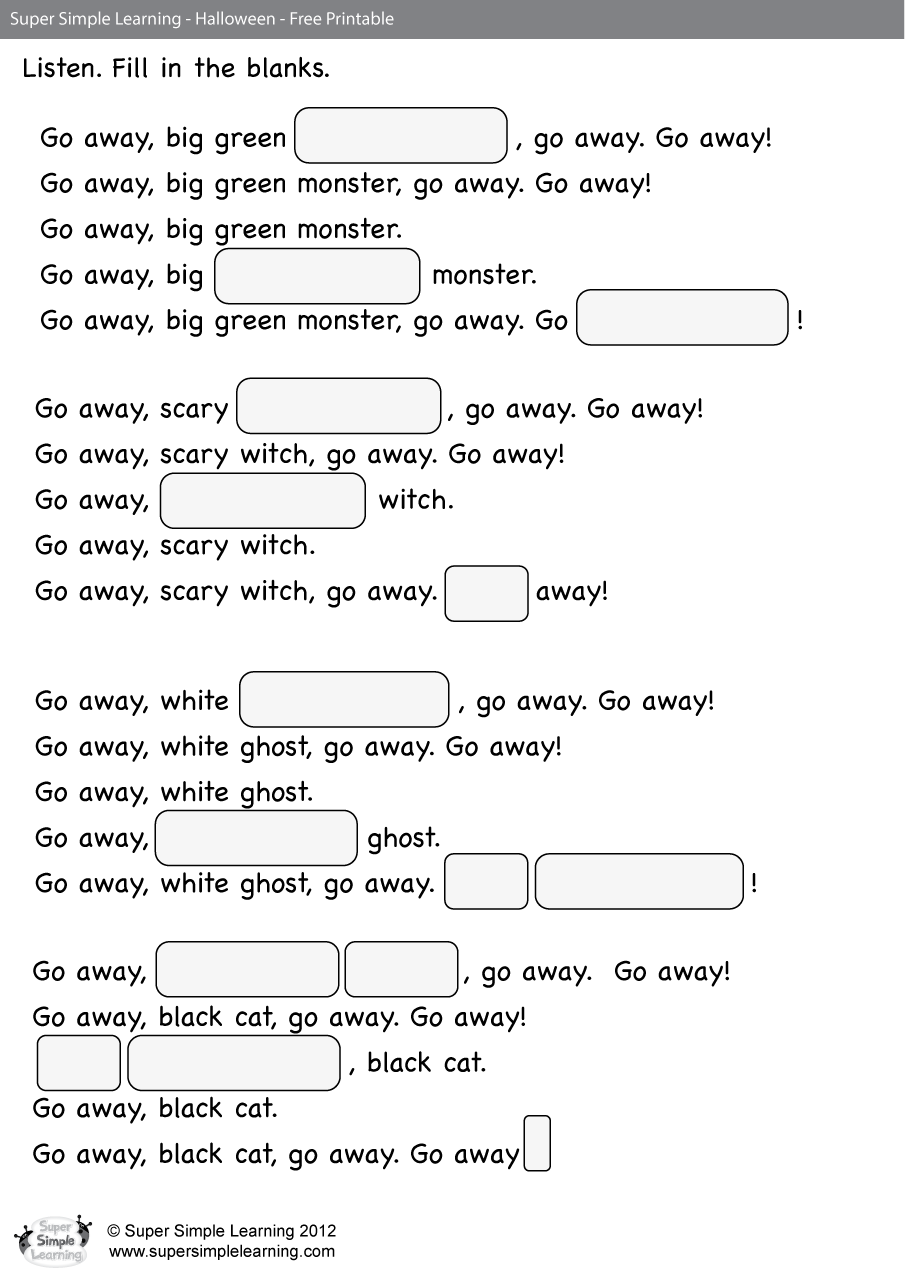
Answering Common Questions About Fill In The Blank Worksheets
You might still have questions about how to implement Fill In The Blank Worksheets for preschoolers in your home or classroom. A common concern is whether these worksheets are suitable for all preschoolers. The answer is generally yes, as they can be adapted to various skill levels.
For instance, you can start with simple sentences for younger or less experienced learners and gradually increase the complexity as their skills develop. Additionally, consider your child’s interests; worksheets that align with their favorites will likely be more engaging.
In summary, Fill In The Blank Worksheets For Preschoolers are not just educational tools; they’re gateways to creativity and critical thinking. By choosing the right resources and presenting them thoughtfully, you can create a rich learning environment that encourages your preschooler to explore language in a fun and meaningful way.
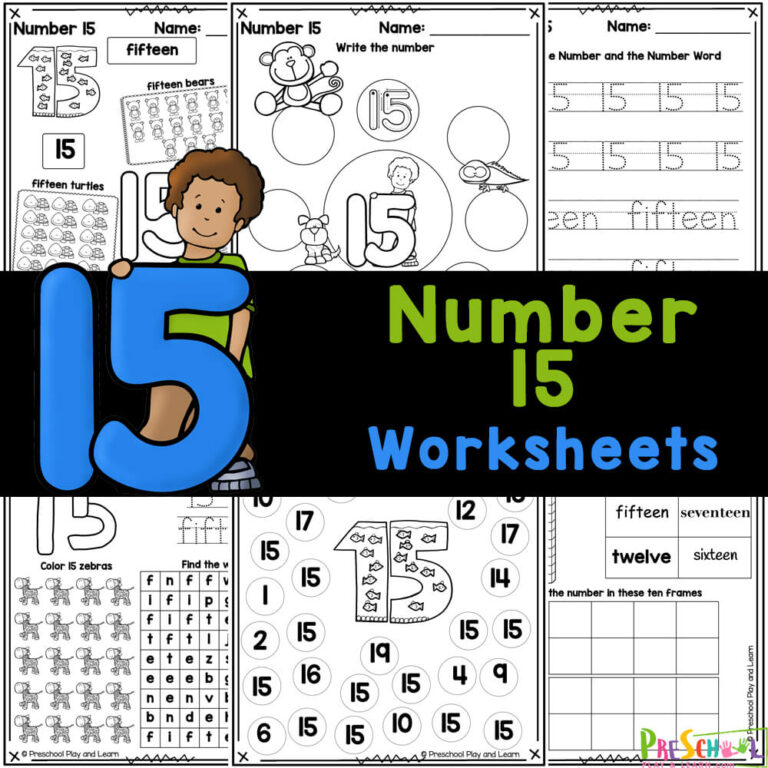
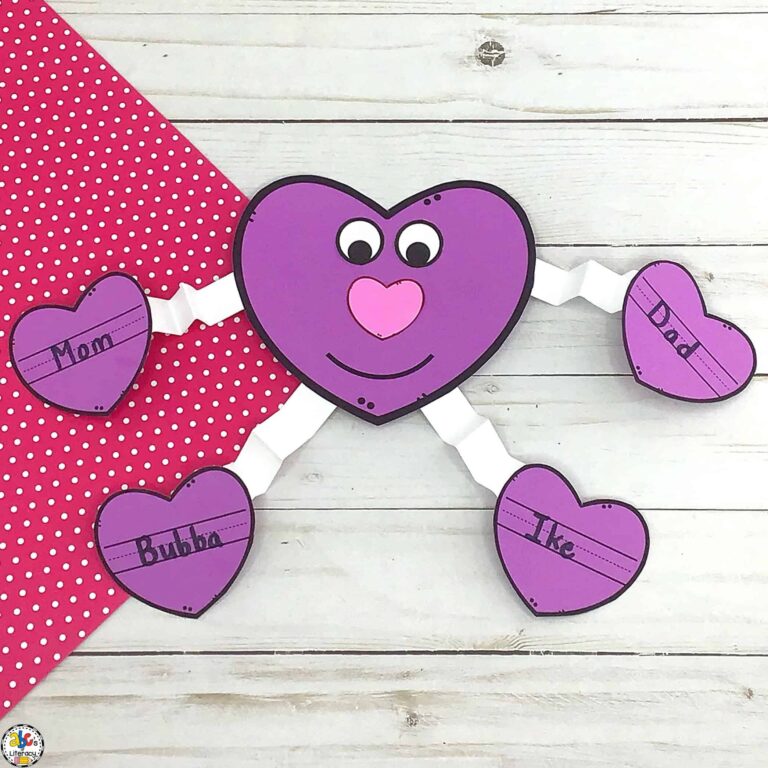
Fill In The Blank Worksheets For Preschoolers Gallery