Emotion Triggers Worksheets For Preschoolers
Emotion triggers worksheets for preschoolers are essential tools for helping young children identify and manage their emotions. Emotions can be complex, especially for little ones who are still learning how to express themselves. These worksheets provide a structured way for children to explore their feelings, making them an invaluable resource for parents and educators alike.
What Are Emotion Triggers Worksheets?
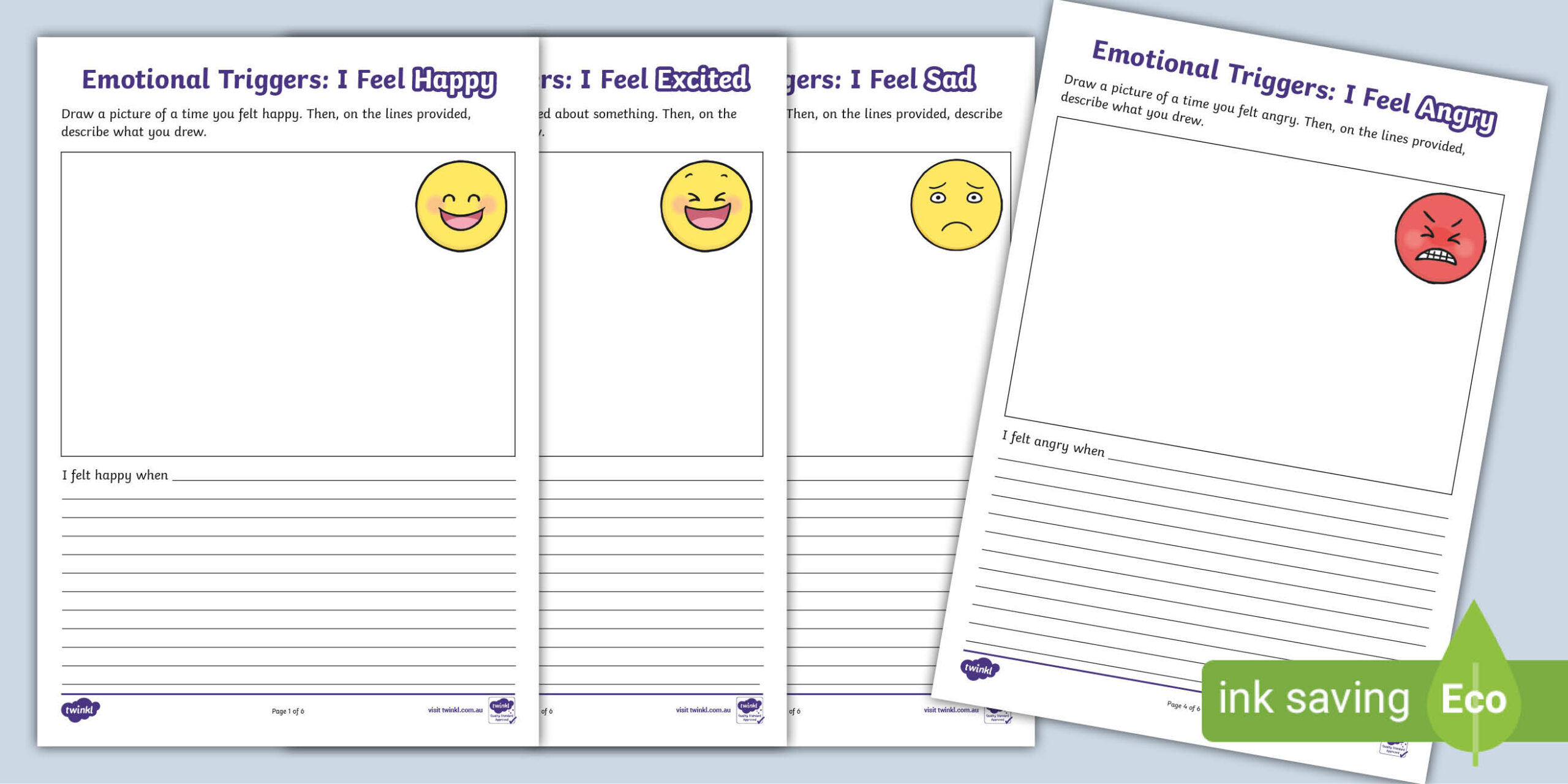
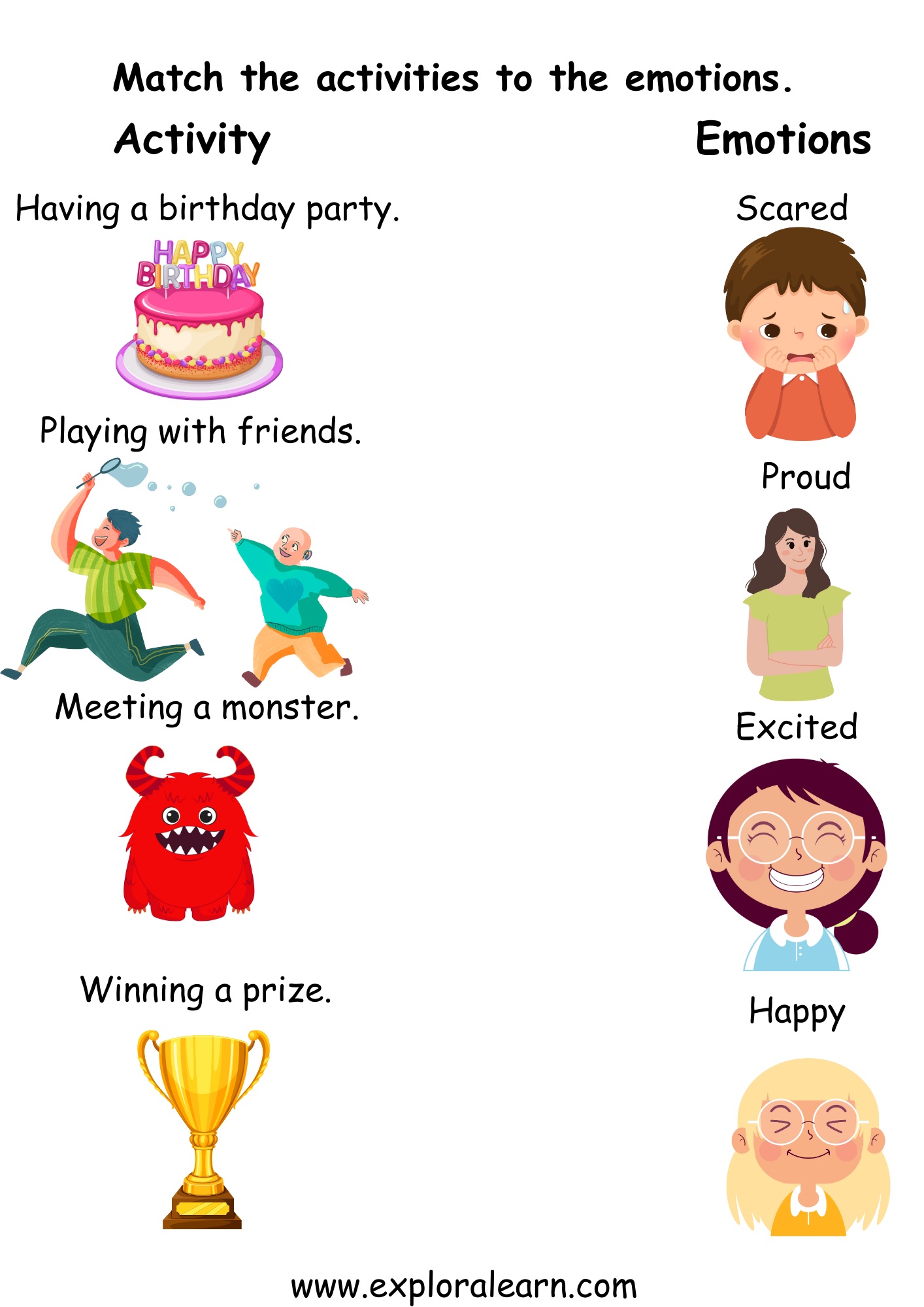
Emotion triggers worksheets are designed to help preschoolers recognize and articulate their feelings in a safe and engaging way. They typically include prompts that encourage children to think about situations that evoke specific emotions—like happiness, sadness, anger, or fear. By filling out these worksheets, kids can learn to associate particular feelings with experiences, which is crucial for emotional development.
Key Components of the Worksheets
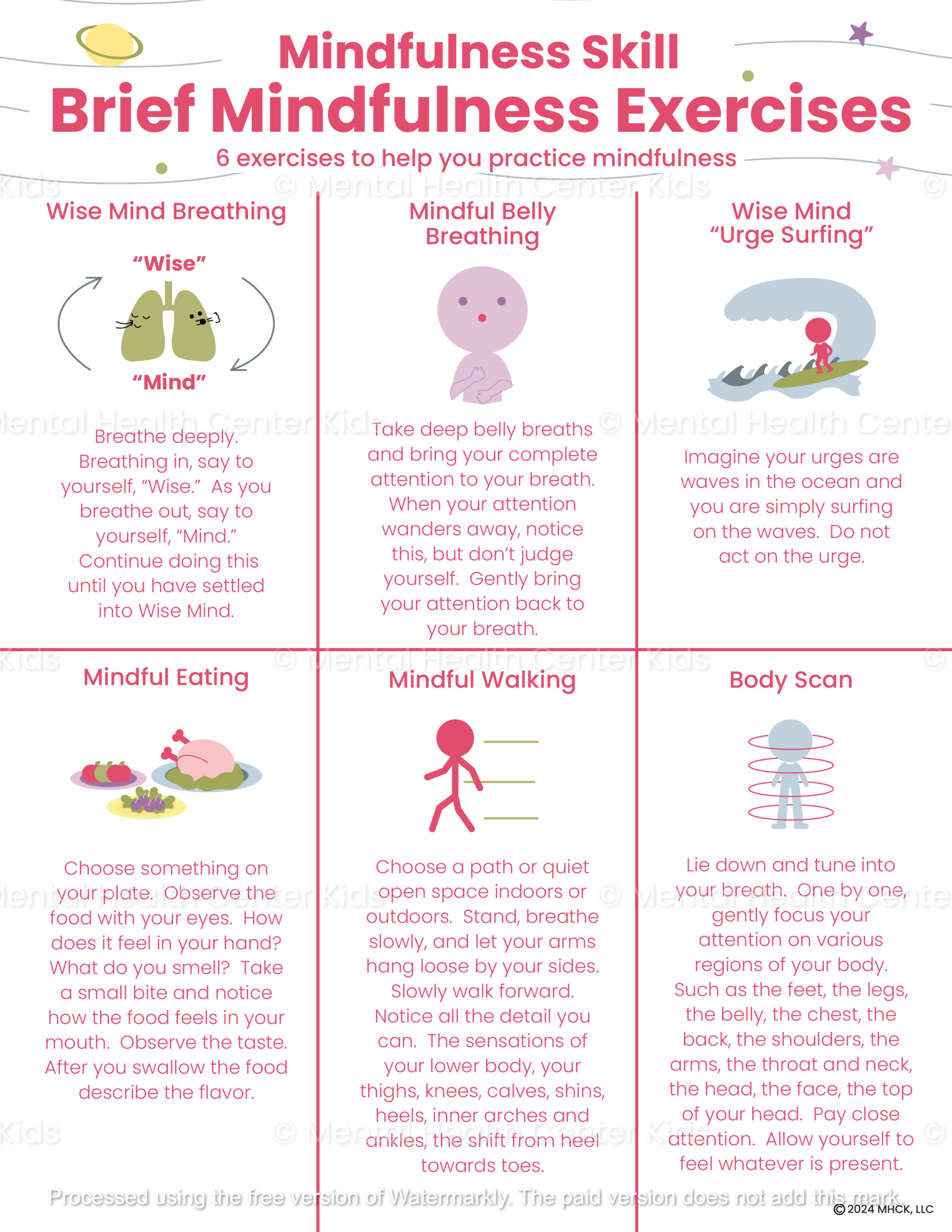
When looking for emotion triggers worksheets, it’s helpful to know what to expect. Here are some common components:
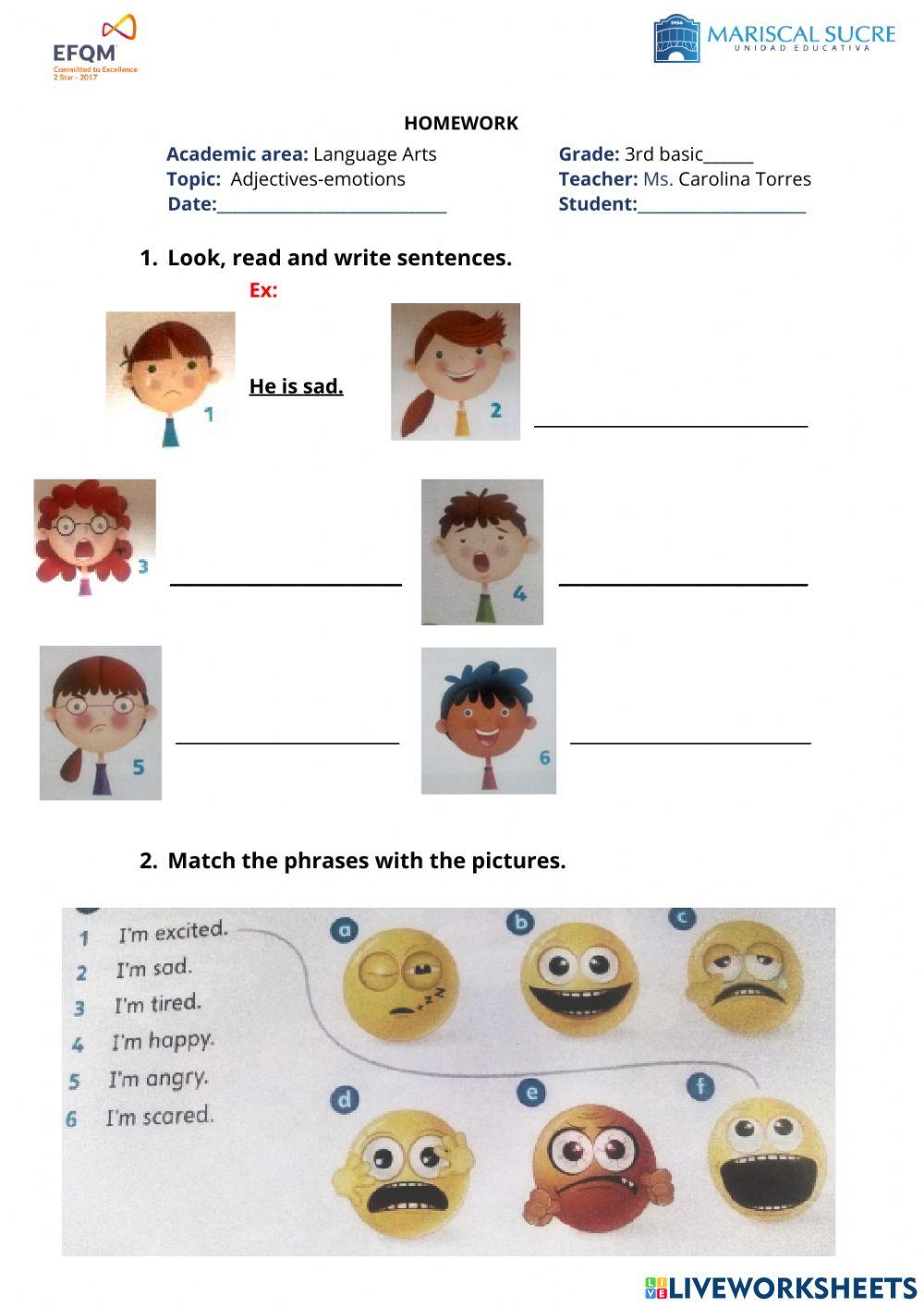
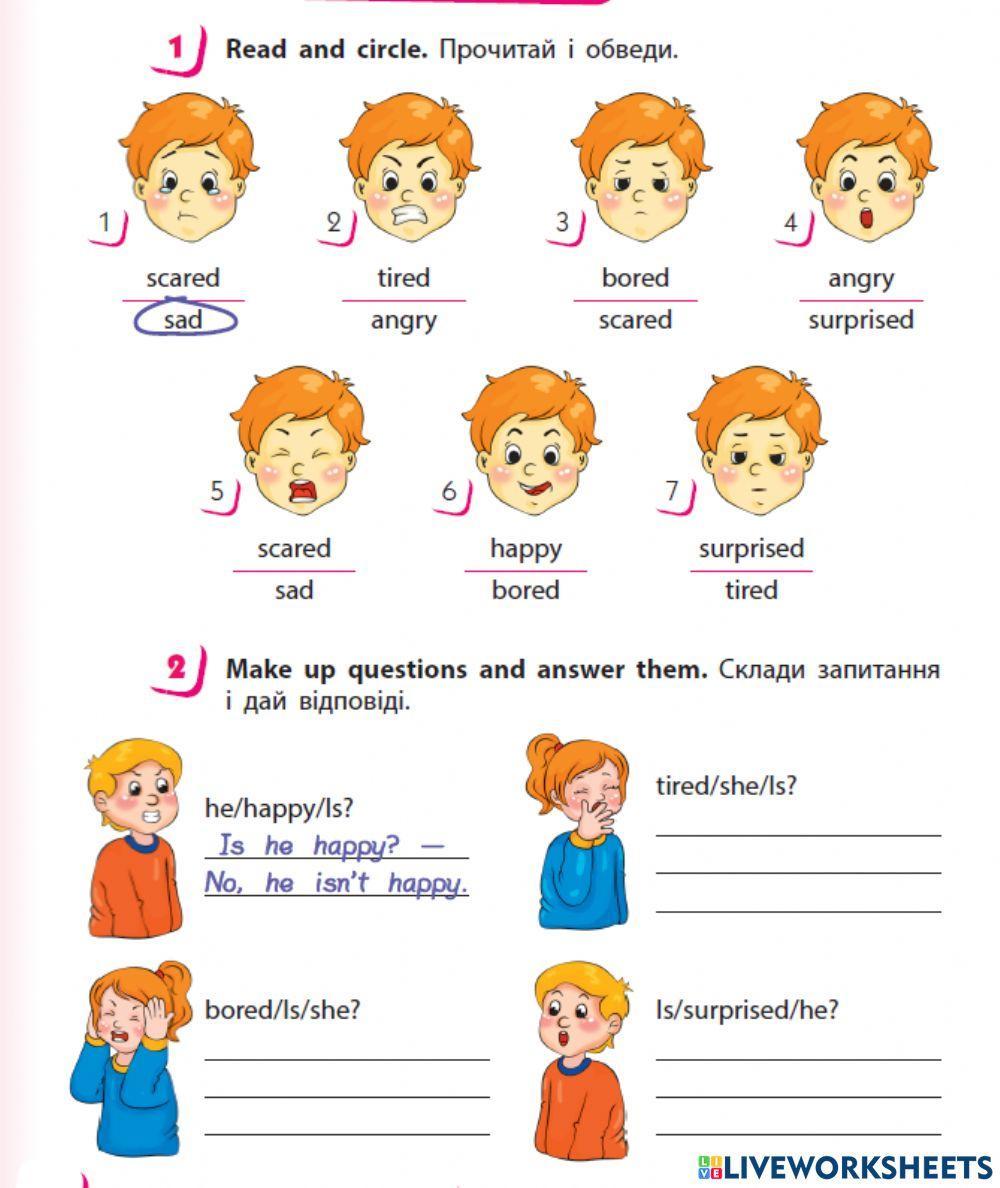
- Visual Aids: Many worksheets feature images or icons that represent different emotions. This is particularly useful for preschoolers who may not yet have the vocabulary to describe how they feel.
- Scenario-Based Questions: Worksheets may include prompts that ask children to describe a time when they felt a certain way, or what might make them feel that emotion again.
- Emotion Charts: Some worksheets provide charts for kids to mark their feelings throughout the day, helping them track emotional changes and understand their triggers better.
These elements work together to create a comprehensive learning experience that promotes emotional literacy.
How to Use Emotion Triggers Worksheets
Incorporating emotion triggers worksheets into your child’s routine can be both fun and educational. Here’s a step-by-step guide on how to effectively use them:
- Choose the Right Time: Set aside a calm moment when your child is receptive to discussing emotions. After a challenging day or during a quiet afternoon can be great times.
- Explain the Purpose: Tell your child that these worksheets are here to help them express how they feel. Use simple language they can understand.
- Engage with Visuals: If the worksheet has visual aids, point to them and ask your child to identify their feelings. This can help bridge the gap between feelings and words.
- Discuss Scenarios Together: As your child fills out the worksheet, encourage them to share stories about their emotions. Ask open-ended questions like, “Can you tell me more about that time you felt happy?”
- Review and Reflect: After completing the worksheet, take a moment to review it together. Discuss what they learned about their emotions and how they can respond to them in future situations.
Benefits of Using Emotion Triggers Worksheets
Using emotion triggers worksheets can have multiple benefits for preschoolers. Here are a few key advantages:
- Emotional Awareness: Kids gain a better understanding of their emotions, which can lead to improved self-regulation.
- Communication Skills: These worksheets encourage children to articulate their feelings, boosting their language skills and confidence in expressing themselves.
- Problem-Solving Skills: By identifying triggers, children can learn how to cope with difficult emotions. This lays the groundwork for effective problem-solving as they grow.
Where to Find Printable Emotion Triggers Worksheets
If you’re looking for printable emotion triggers worksheets, there are numerous resources available online. Here are a few tips to help you find the right ones:
- Educational Websites: Many educational platforms offer free downloadable worksheets designed specifically for preschoolers. Look for reputable sites that focus on early childhood education.
- Printable Resource Websites: Websites dedicated to printable resources often feature a variety of emotion-related worksheets. These are typically easy to download and print.
- Social Media and Parenting Blogs: Many parents and educators share their homemade worksheets online. A quick search on platforms like Pinterest can yield creative and unique options.
When choosing worksheets, consider your child’s specific needs and emotional development. Some worksheets may be more visual, while others may involve more writing. Select those that will resonate best with your child’s learning style.
Tips for Supporting Emotional Development Beyond Worksheets
While emotion triggers worksheets are a great start, there are additional strategies you can employ to support your preschooler’s emotional development:
- Model Emotional Expression: Show your child how you express your own feelings. Use phrases like “I feel frustrated when…” to demonstrate healthy emotional communication.
- Create a Feelings Corner: Designate a space in your home where your child can go when they need to express their emotions. Fill it with comforting items like stuffed animals, pillows, or calming visuals.
- Encourage Storytelling: Use books to explore emotions. Reading stories where characters experience a range of feelings can help your child identify and relate to those emotions.
These strategies combine well with worksheets and can create a holistic approach to emotional learning.
Tracking Progress With Emotion Triggers Worksheets
As you use emotion triggers worksheets with your preschooler, tracking their progress can offer valuable insights into their emotional growth. Here are some ways to do that:
- Keep a Portfolio: Save completed worksheets in a folder. Over time, you’ll notice patterns in their emotional triggers and how they articulate their feelings.
- Regular Check-Ins: Have routine discussions about their feelings. Ask them how they feel about the worksheets and if they find them helpful.
- Celebrate Achievements: Acknowledge their progress, no matter how small. Celebrating their ability to express emotions can boost their confidence and encourage continued use of the worksheets.
By consistently engaging with emotion triggers worksheets and tracking progress, you can foster a deeper understanding of emotions within your preschooler, setting a strong foundation for their emotional intelligence as they grow.
Using these practical tools, you can help your child navigate their feelings and understand the world around them better. Emotion triggers worksheets for preschoolers are not just worksheets; they’re gateways to emotional literacy that can benefit your child for years to come.
Emotion Triggers Worksheets For Preschoolers Gallery