Eye Hand Coordination Worksheets For Preschoolers
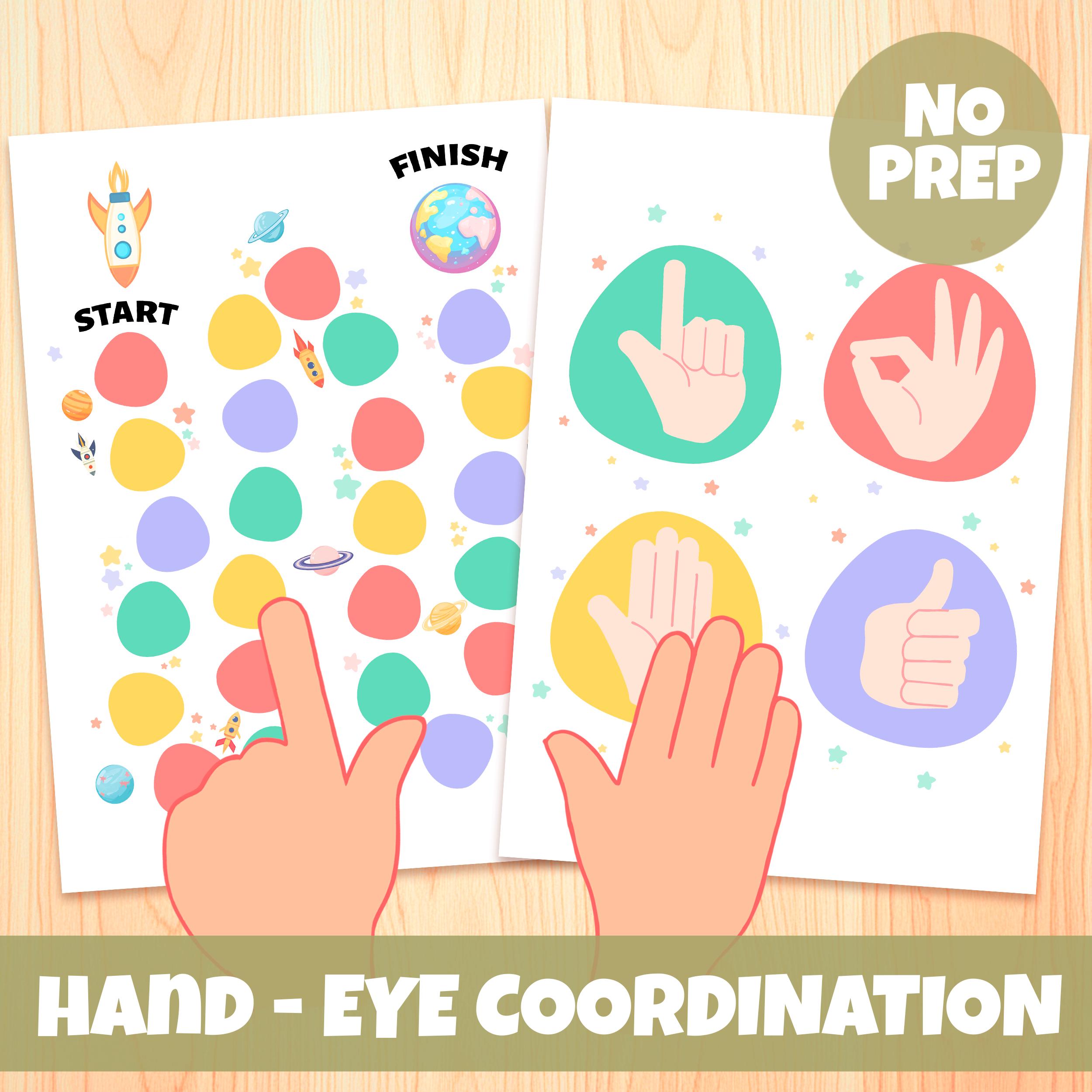
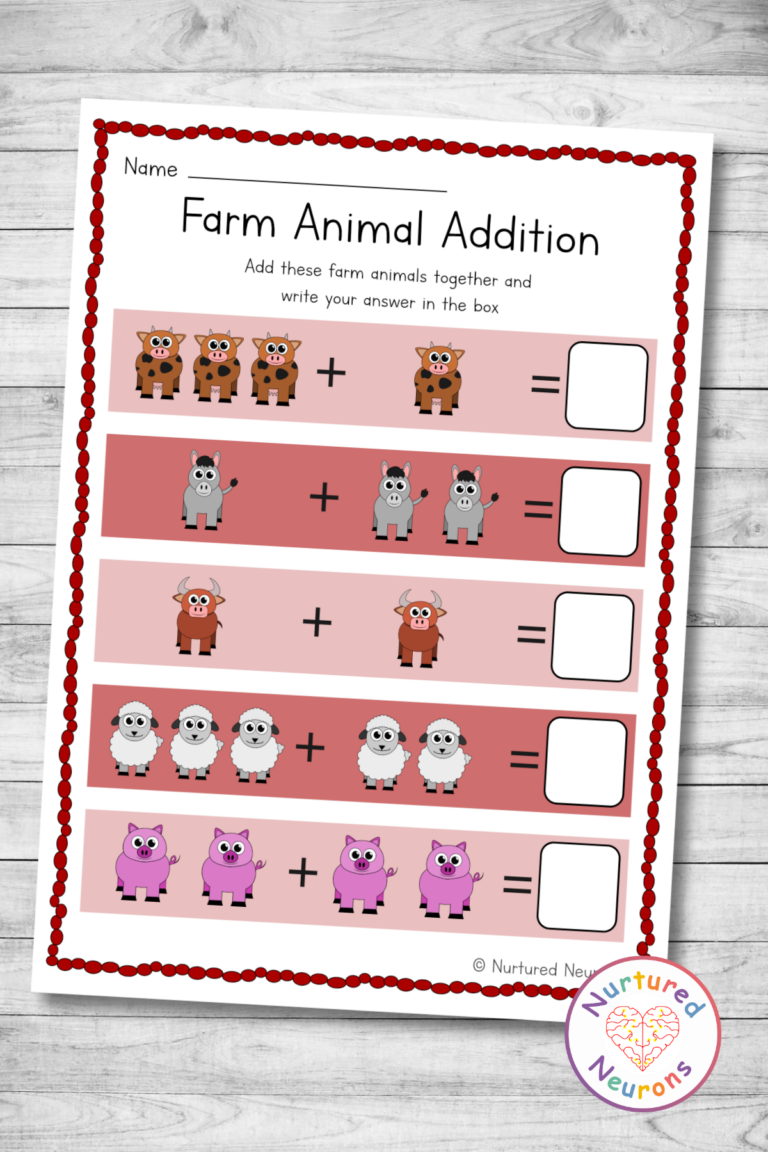
Eye hand coordination is a crucial skill for preschoolers, as it lays the foundation for many everyday activities, from writing to playing sports. Eye Hand Coordination Worksheets For Preschoolers are a fantastic resource that can help children improve their coordination through engaging and fun activities. In this article, I’ll guide you through how to effectively use these worksheets, what to look for when downloading them, and how they fit into your child’s routine.
Understanding Eye Hand Coordination
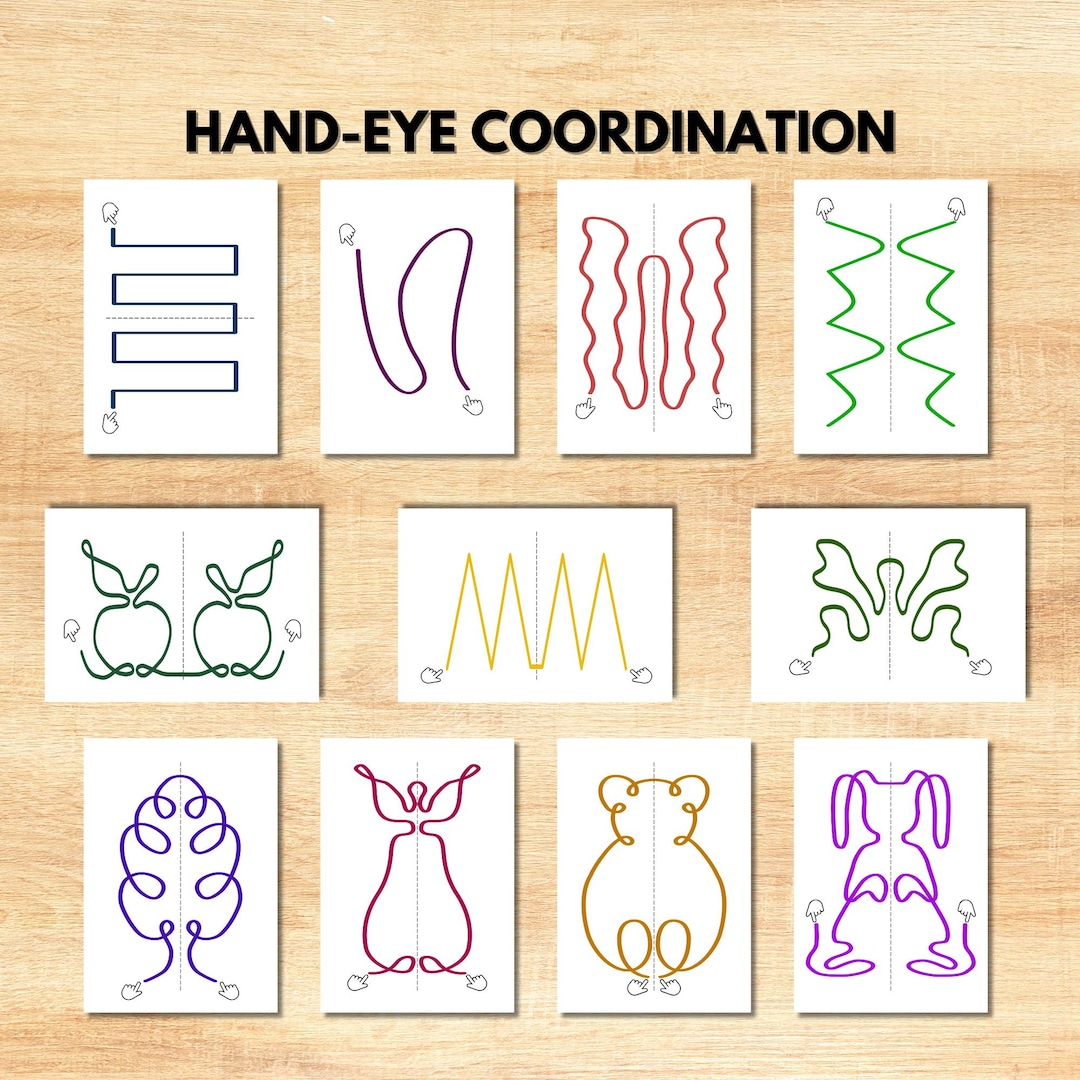
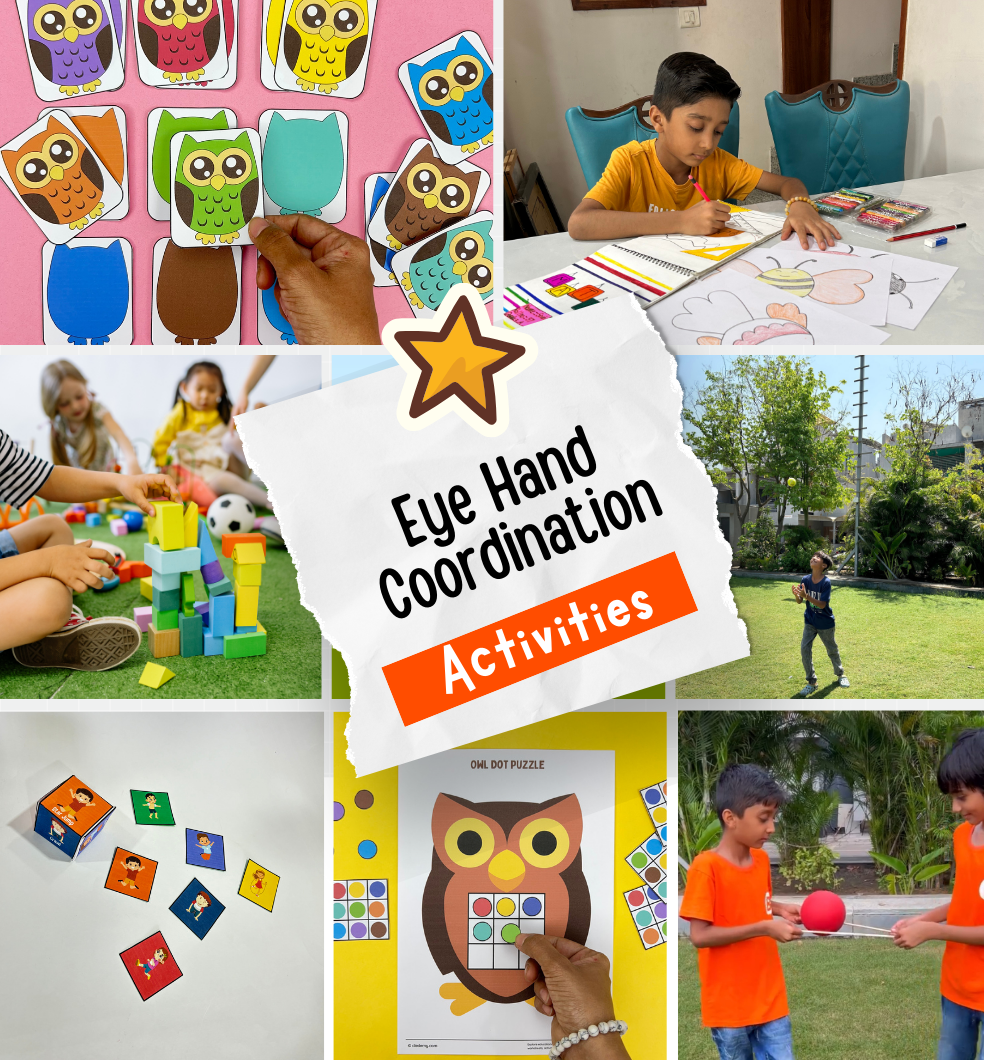
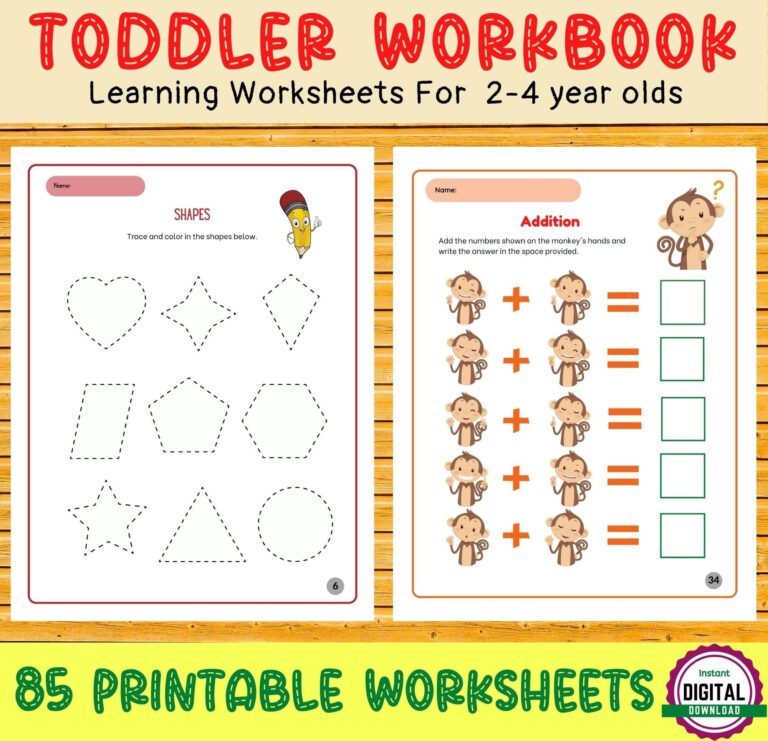
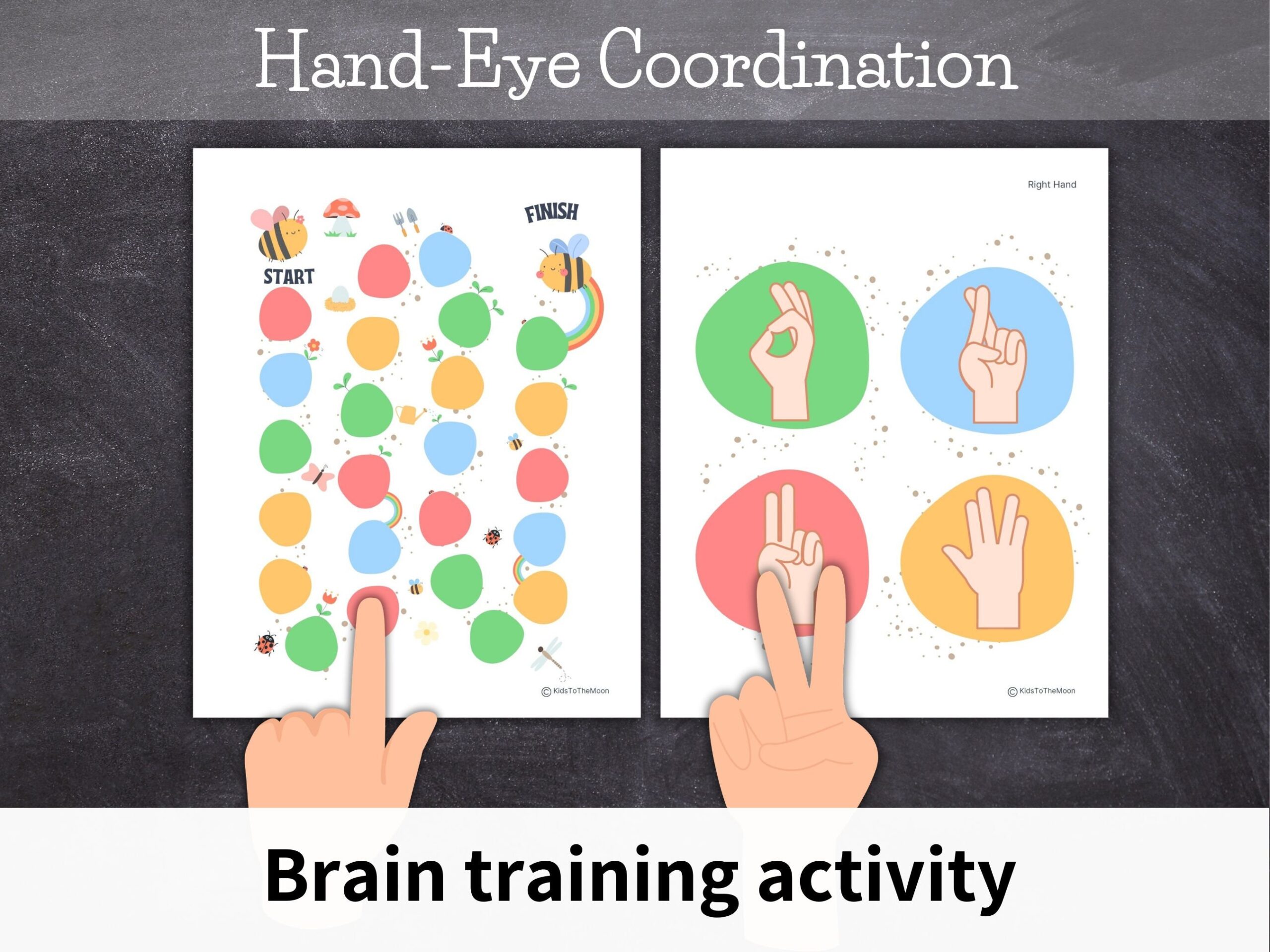
Eye hand coordination refers to the ability of the visual system to coordinate the information it sees with the movements of the hands. This skill is essential for preschoolers as they begin to learn how to write, draw, and engage in various activities that require precision. Worksheets specifically designed to enhance this skill can include tracing, coloring, and matching activities that are both entertaining and educational.
When selecting worksheets, consider those that offer a variety of exercises, as this will keep your child engaged and motivated. Look for resources that incorporate different themes or characters your child enjoys; this can make practice feel less like a chore and more like playtime.
Types of Eye Hand Coordination Worksheets
There are various types of Eye Hand Coordination Worksheets For Preschoolers available, each serving a unique purpose. Here are some common formats:
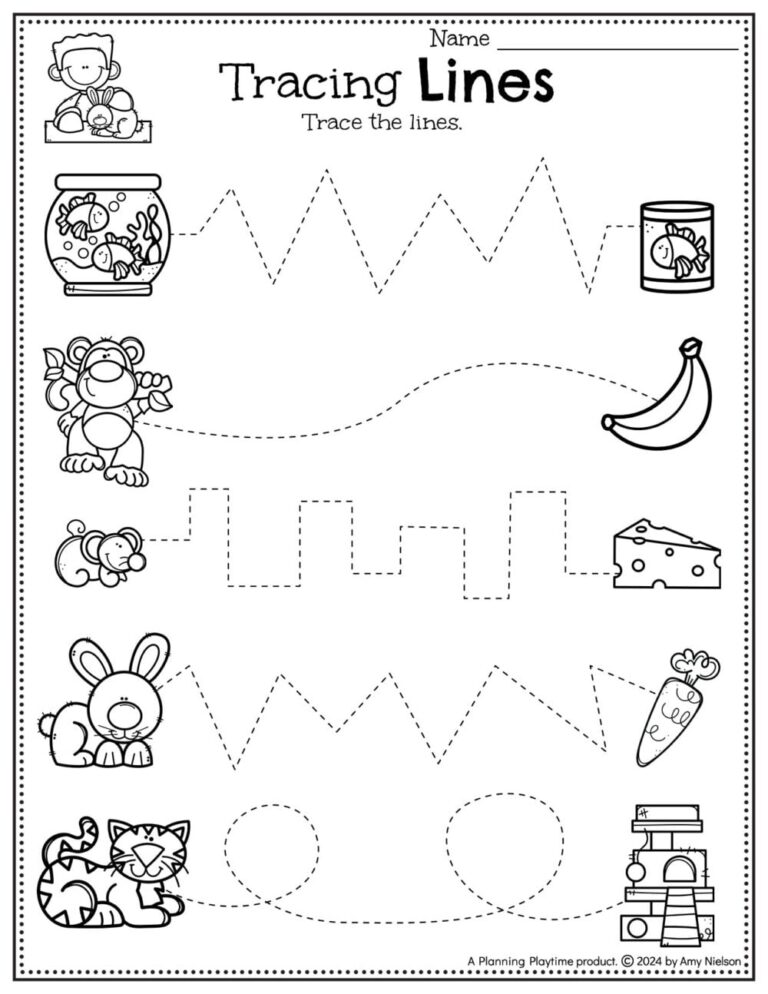
- Tracing Worksheets: These worksheets typically feature dotted lines for children to trace over, helping them develop control over their pencil or crayon.
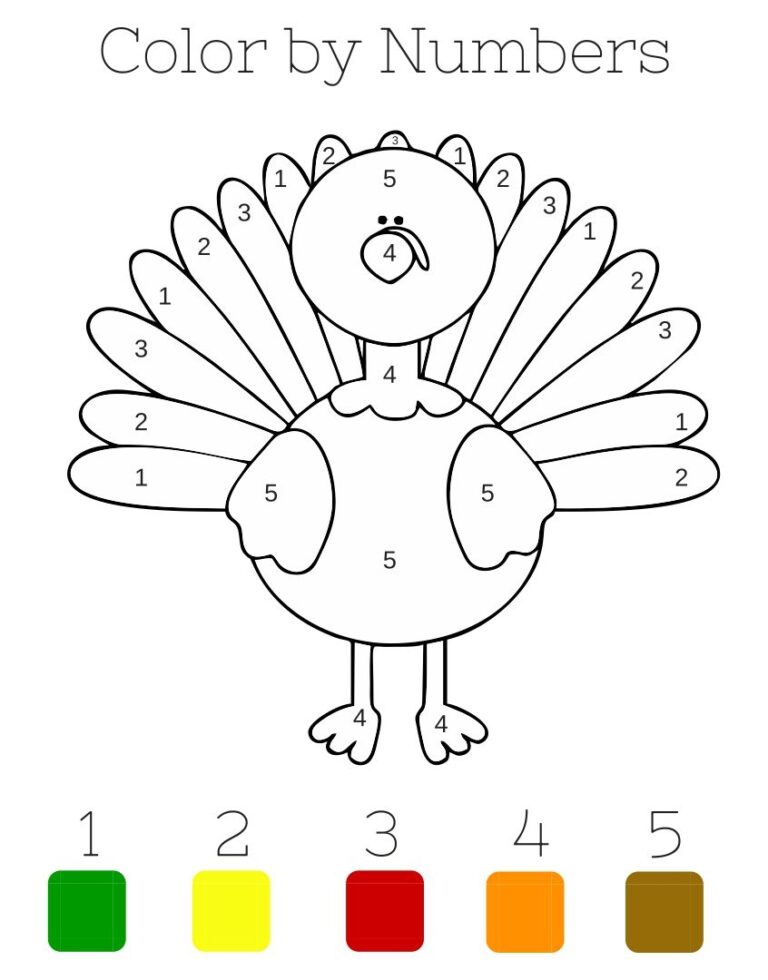
- Coloring Pages: Coloring within the lines encourages children to focus on their hand movements and improves their fine motor skills.
- Cut and Paste Activities: These worksheets involve cutting shapes and pasting them in designated areas, enhancing both coordination and creativity.
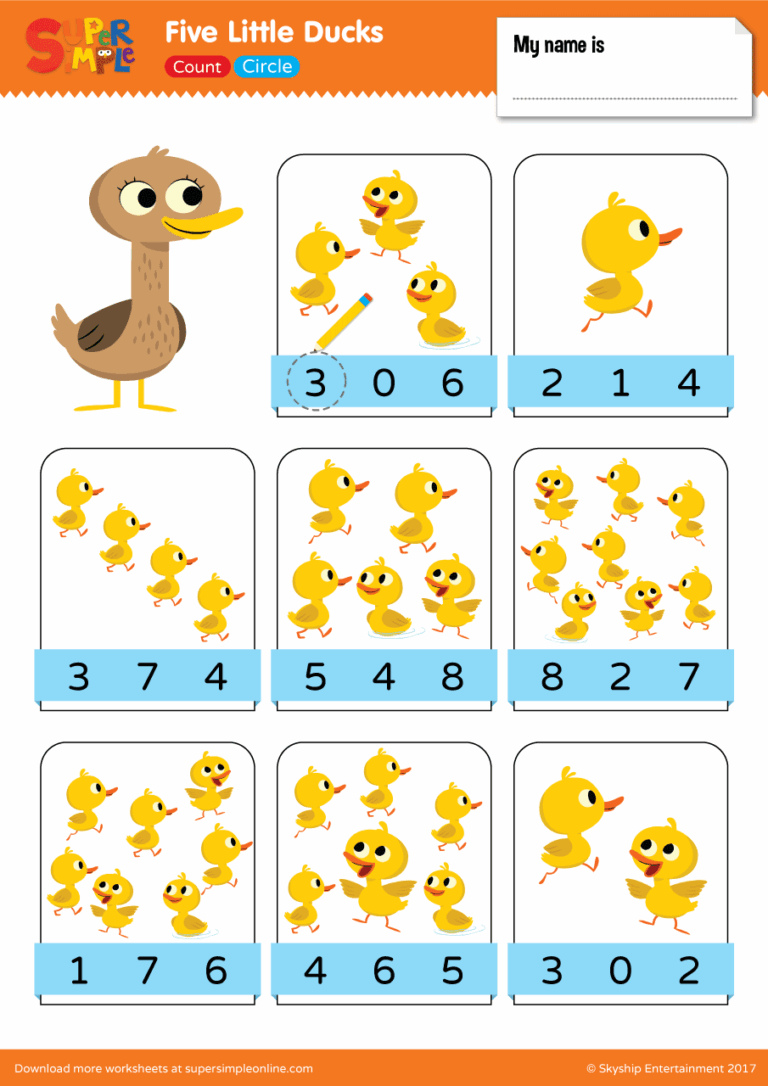
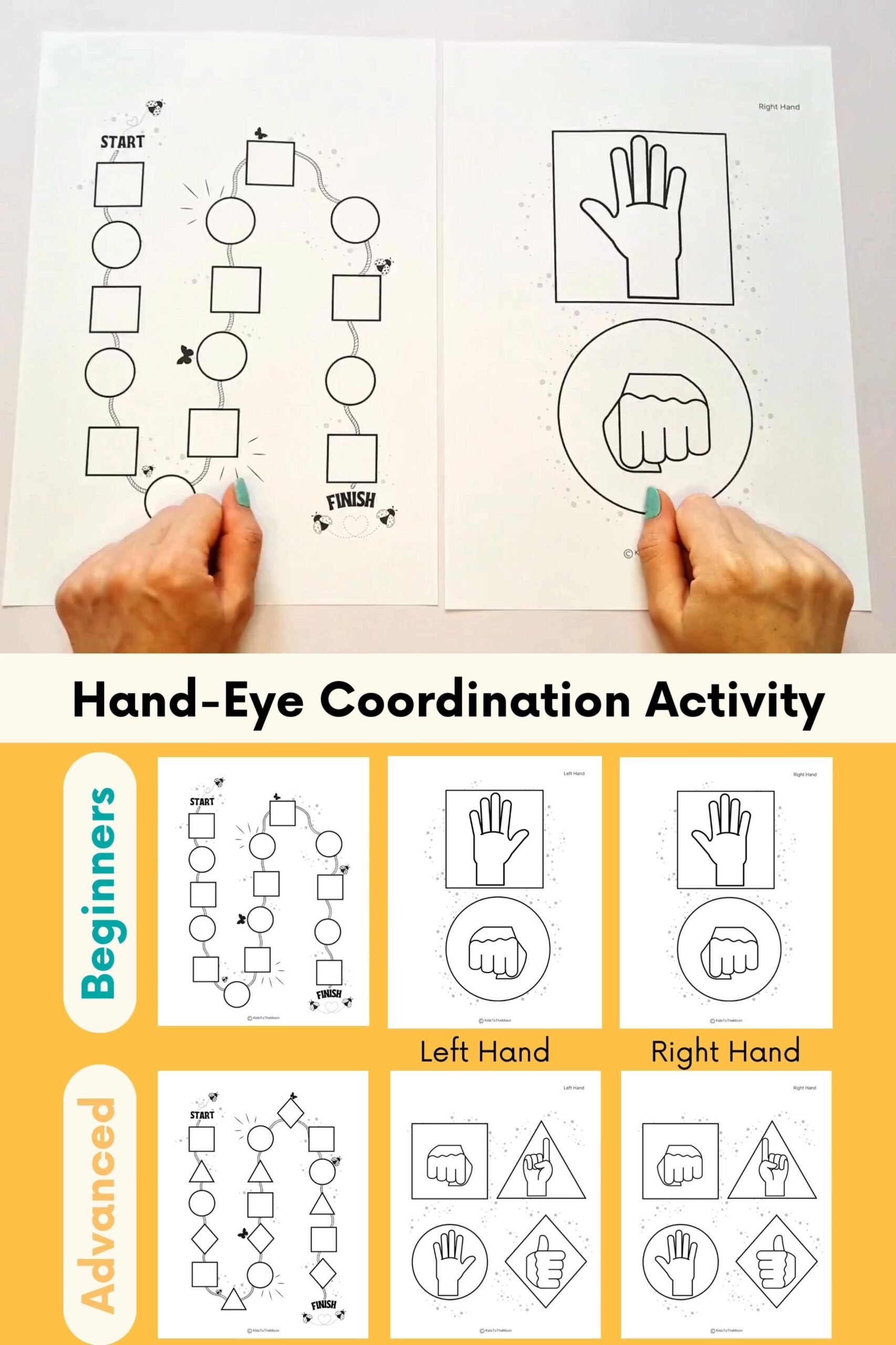
- Matching Games: Worksheets that require matching objects or shapes can help reinforce visual recognition alongside coordination.
When downloading, ensure that the worksheets are age-appropriate and cater to the skill level of your child. This will help avoid frustration and promote a positive learning experience.
How to Use Eye Hand Coordination Worksheets Effectively
To maximize the benefits of Eye Hand Coordination Worksheets, here are some practical tips:
- Set a Routine: Incorporate these worksheets into your child’s daily schedule. A consistent time for practice can help reinforce the learning habit.
- Create a Comfortable Workspace: Make sure your child has a quiet, well-lit area to work in. This can help them focus better on the tasks at hand.
- Use the Right Tools: Provide your child with the appropriate writing tools, such as crayons, colored pencils, or markers. If they are tracing, a pencil with a good grip can make a difference.
- Encourage Independence: While it’s important to provide support, allow your child to complete the worksheets on their own. This builds confidence and reinforces their learning.
- Track Progress: Keep a folder or binder of completed worksheets to track your child’s progress. Celebrate their achievements to keep them motivated!
Where to Find Printable Eye Hand Coordination Worksheets
There are numerous websites offering printable Eye Hand Coordination Worksheets For Preschoolers. When searching for these resources, consider the following:
- Reputable Educational Websites: Look for sites that focus on early childhood education. These are more likely to provide high-quality worksheets.
- User Reviews: Check for feedback from other parents or educators who have used the worksheets. This can give you insights into their effectiveness and appeal.
- Format Options: Ensure the worksheets are available in a format that suits your printing needs, such as PDF. PDFs maintain formatting better than images when printed.
Some great resources to explore include educational blogs, teacher resource sites, and platforms dedicated to printable materials for children.
Common Mistakes to Avoid With Worksheets
While using Eye Hand Coordination Worksheets, some common pitfalls can hinder your child’s learning experience. Here are a few to watch out for:
- Overloading with Work: It’s easy to get excited and print off many worksheets, but too much at once can overwhelm your child. Stick to a few worksheets each session.
- Neglecting Guidance: While independence is vital, occasional guidance is also important. Be ready to step in if your child struggles with a task.
- Ignoring Feedback: Take time to review the completed worksheets with your child. This can help reinforce their learning and correct any misconceptions they may have.
Incorporating Worksheets Into Daily Activities
Integrating Eye Hand Coordination Worksheets into your preschooler’s daily activities can enhance their learning experience. Consider adding these worksheets to:
- Art Projects: Use coloring and tracing worksheets as part of a larger art project. For example, after coloring a character, they can create a story around it.
- Games: Turn matching worksheets into a fun game. For instance, you can create a scavenger hunt where they find objects that match images on their worksheet.
- Story Time: After reading a book, provide worksheets related to the story to reinforce comprehension and coordination skills.
By blending these worksheets with other activities, you can create a rich learning environment that keeps your child engaged and motivated.
Final Tips for Success
To ensure your child gets the most out of Eye Hand Coordination Worksheets For Preschoolers, remember:
- Be Patient: Skill development takes time. Celebrate small victories and encourage your child to keep trying.
- Adjust as Necessary: If a particular worksheet isn’t working, don’t hesitate to switch to a different type or difficulty level. Adaptability can help maintain interest.
- Have Fun: Keep the atmosphere light and enjoyable. When children associate learning with fun, they are more likely to engage and succeed.
By focusing on these practical strategies, you can effectively support your preschooler’s development of eye hand coordination and set them up for future success.
Eye Hand Coordination Worksheets For Preschoolers Gallery