Fairy Tales Worksheets For Preschoolers
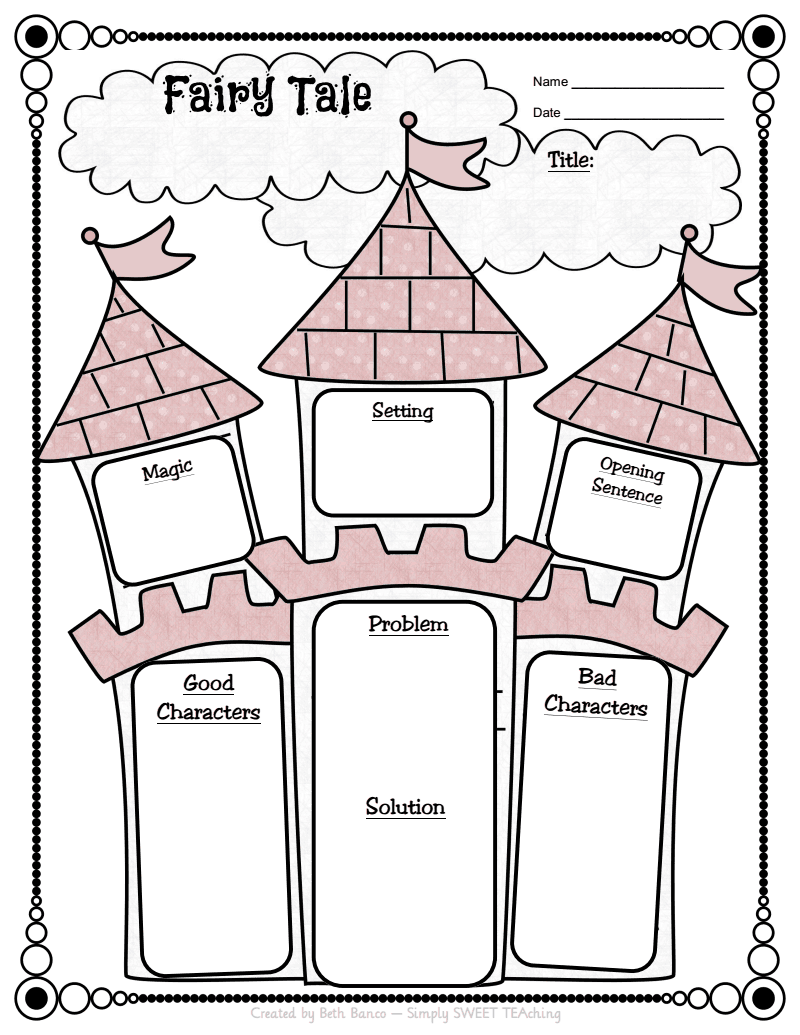
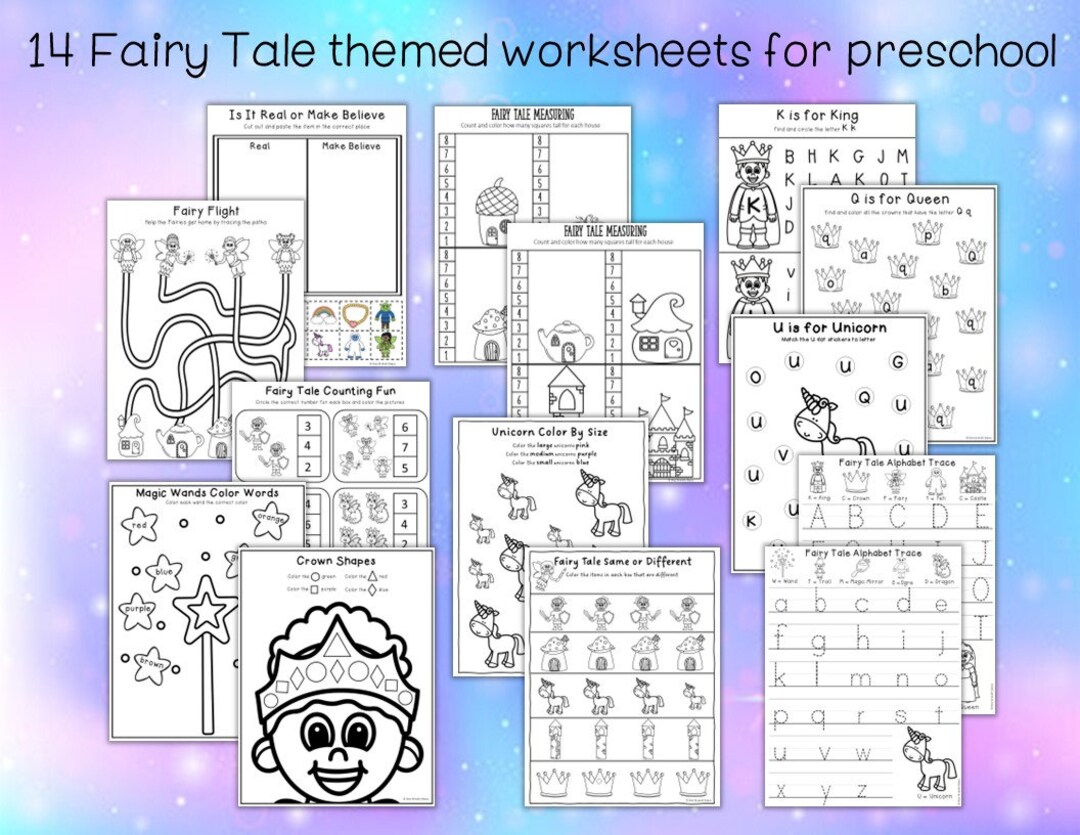
Fairy Tales Worksheets For Preschoolers can transform story time into an interactive learning experience for young children. These worksheets not only entertain but also educate, helping kids develop essential skills while they immerse themselves in beloved tales. By using these resources, you’ll provide a structured way for your preschooler to explore creativity, literacy, and comprehension.
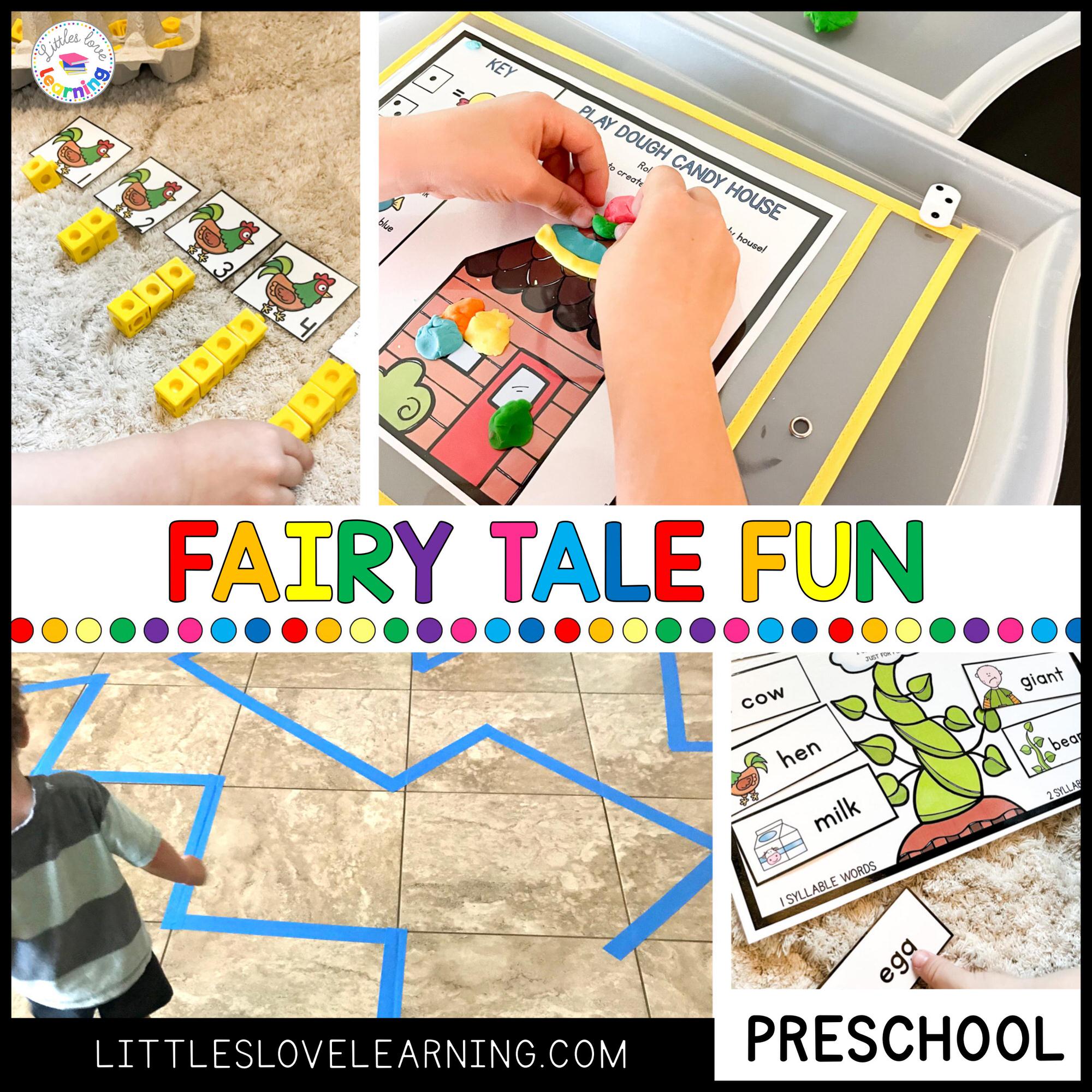
Choosing the Right Fairy Tales Worksheets
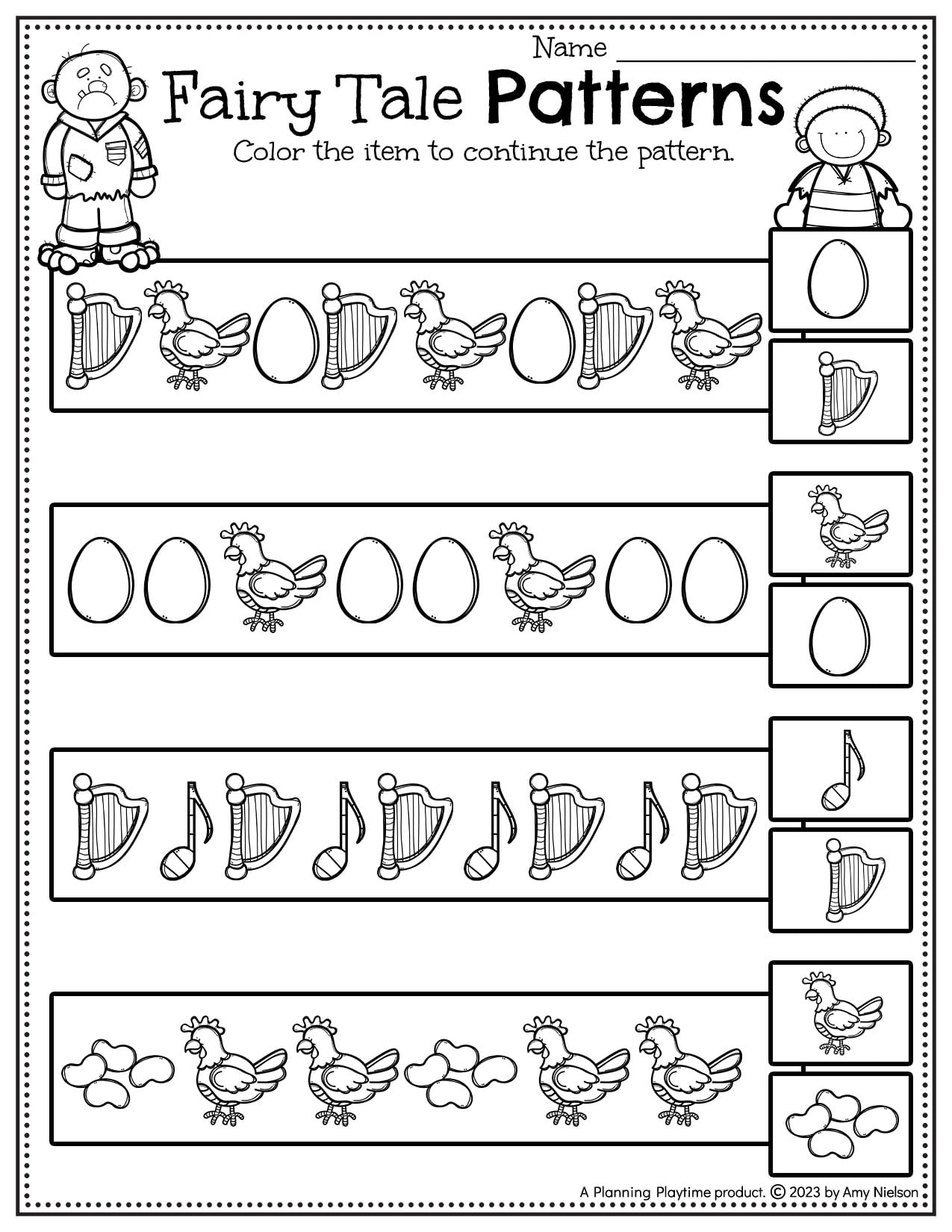
When selecting worksheets for your preschooler, consider the themes and characters that resonate with them. Familiar stories like “Cinderella,” “Jack and the Beanstalk,” and “Little Red Riding Hood” often capture their imagination. Look for worksheets that include a variety of activities, such as:
- Coloring Pages: These let kids express their creativity while they connect with characters.
- Story Sequencing: Helps children understand plot progression and critical thinking.
- Vocabulary Builders: Introduces new words in a fun context, enhancing their language skills.
Choosing worksheets that are visually appealing and age-appropriate will keep your child engaged and eager to learn.
Downloading and Printing Worksheets
Once you’ve chosen the right Fairy Tales Worksheets For Preschoolers, the next step is downloading and printing them. Most worksheets are available in PDF format, which offers several advantages:
- Consistency: PDFs maintain their layout regardless of the device or printer used.
- Easy Access: You can download and print anytime, making it convenient to fit into your schedule.
- Fillable Options: Some worksheets may offer fillable fields, allowing your child to complete them on-screen before printing, which can save paper and ink.
When printing, consider the following:
- Paper Type: Standard printer paper works for most worksheets, but if your child is using markers or watercolors, opt for heavier cardstock to prevent bleed-through.
- Settings: Adjust the print settings for best results. Portrait layout is typically best for worksheets, but landscape may be ideal for wider worksheets.
- Size: Standard letter size (8.5 x 11 inches) is common, but ensure the dimensions fit your printer’s capabilities.
Setting Up a Learning Station
Creating an inviting space for your preschooler to complete their worksheets can enhance their learning experience. Here’s how to set up an effective learning station:
- Location: Choose a quiet, well-lit area with minimal distractions. A small table or desk dedicated to learning can help your child focus.
- Supplies: Gather necessary supplies such as crayons, scissors, and glue. Having everything on hand makes it easier for your child to dive right into their activities.
- Routine: Establish a routine by setting specific times for worksheet activities. Consistent timing helps children understand when it’s time to learn and play.
Engaging With the Worksheets
Now that your child has a designated space and the necessary supplies, it’s time to engage with the worksheets. Here are some practical ways to make the most of Fairy Tales Worksheets For Preschoolers:
- Read Together: Before beginning a worksheet, read the corresponding fairy tale together. This discussion can spark interest and help your child understand the context of the activities.
- Interactive Learning: Encourage your child to narrate a part of the story as they complete a task. For example, while filling out a story sequencing worksheet, they can describe what happens next in their own words.
- Incorporate Movement: Turn some activities into physical games. For instance, create a scavenger hunt based on characters or items from the story, making learning dynamic and fun.
Tracking Progress and Celebrating Achievements
Monitoring your child’s progress can boost their confidence and motivate them to continue learning. Here’s how to track their accomplishments:
- Create a Portfolio: Collect completed worksheets in a folder or binder. This not only keeps them organized but also allows your child to see their progress over time.
- Set Goals: Establish small, achievable goals, such as completing a certain number of worksheets each week. Celebrate these milestones with stickers or special treats.
- Feedback: Provide positive reinforcement and constructive feedback. Discuss what they enjoyed about each worksheet and what they found challenging.
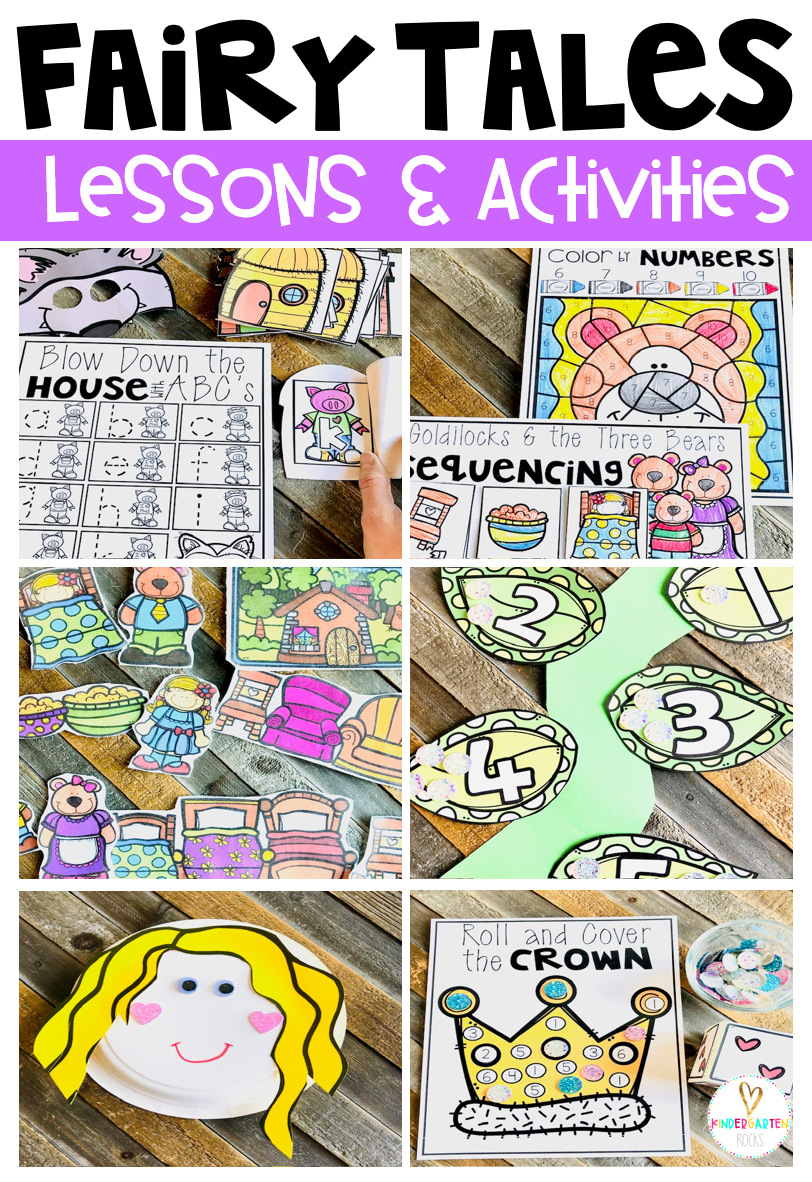
Exploring Beyond Worksheets
While Fairy Tales Worksheets For Preschoolers are a fantastic tool, don’t forget to complement them with other activities that reinforce learning. Here are some ideas:
- Storytelling Sessions: Encourage your child to retell their favorite fairy tales in their own words. This builds comprehension and narrative skills.
- Creative Arts: Incorporate crafts related to the stories. For example, make a cardboard castle for “Cinderella” or a paper beanstalk for “Jack and the Beanstalk.”
- Field Trips: Visit local libraries or theaters that host storytime sessions or puppet shows based on fairy tales. Real-world connections can enhance understanding and enjoyment.
The most important aspect of using Fairy Tales Worksheets For Preschoolers is to foster a love for learning through play and creativity. By engaging with these materials thoughtfully, you’re not just teaching your child about stories; you’re also nurturing their imagination and critical thinking skills.
And remember, the more you can weave in real-life experiences and discussions about the themes and morals of the tales, the richer your child’s learning experience will be.
Fairy Tales Worksheets For Preschoolers Gallery