Free Frog Life Cycle Worksheet Preschool
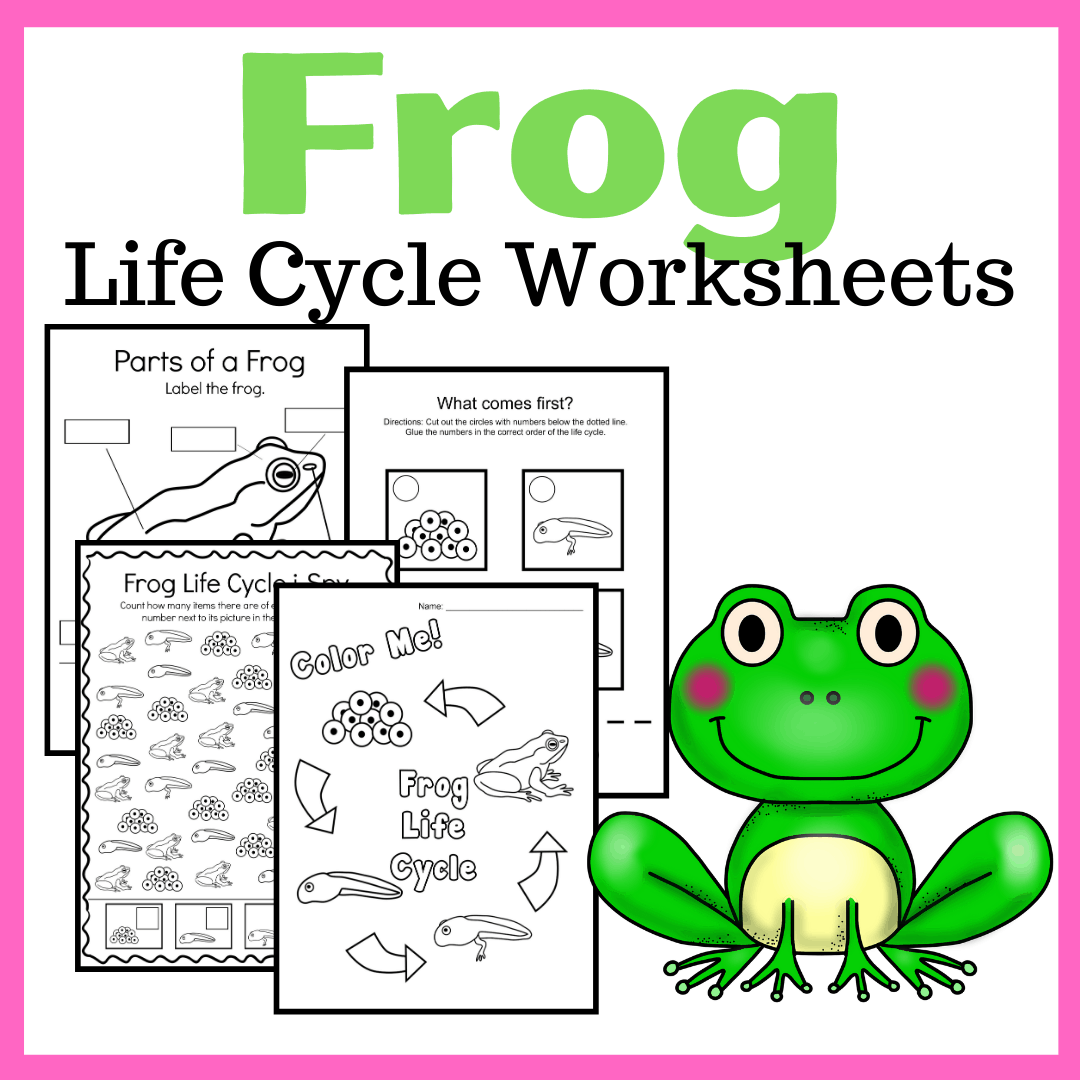
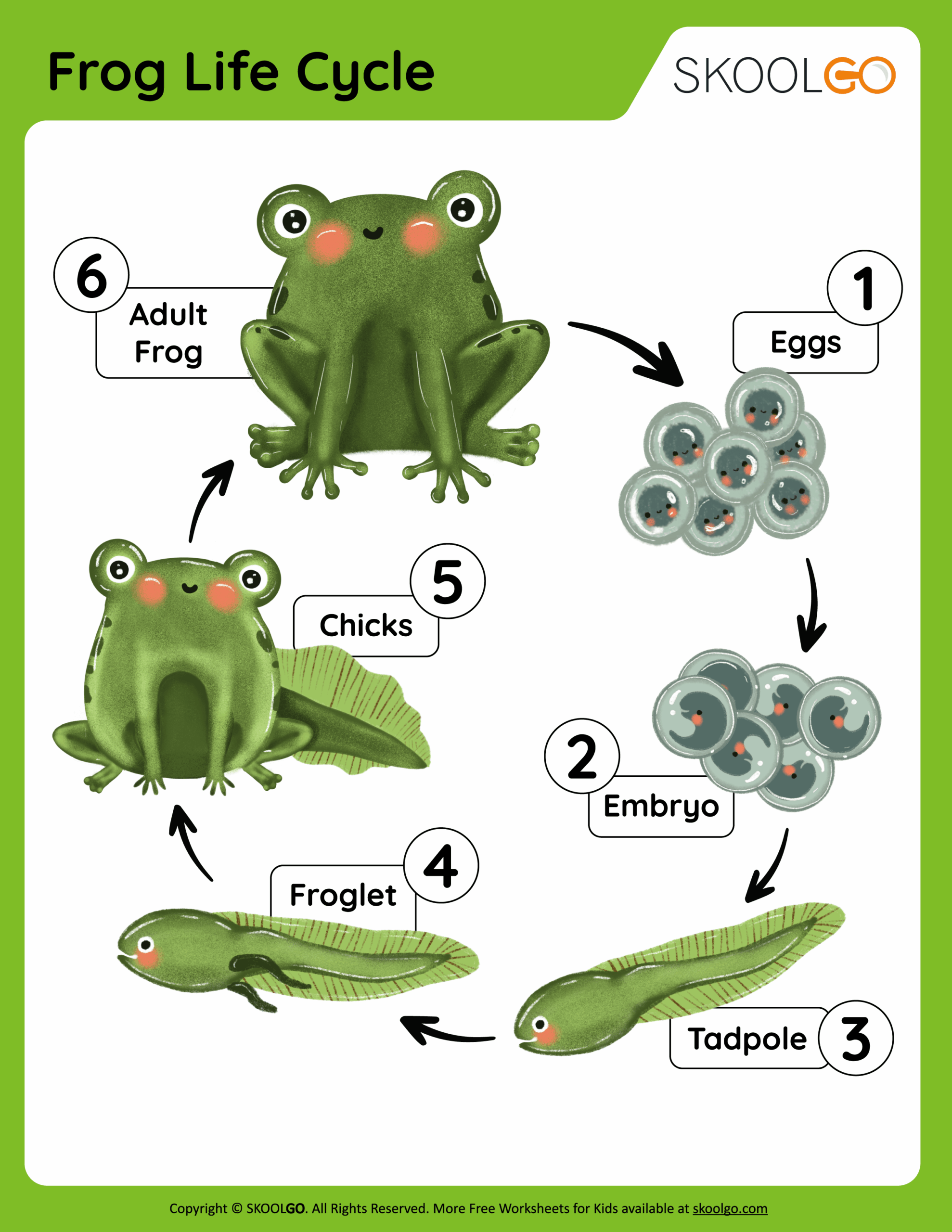
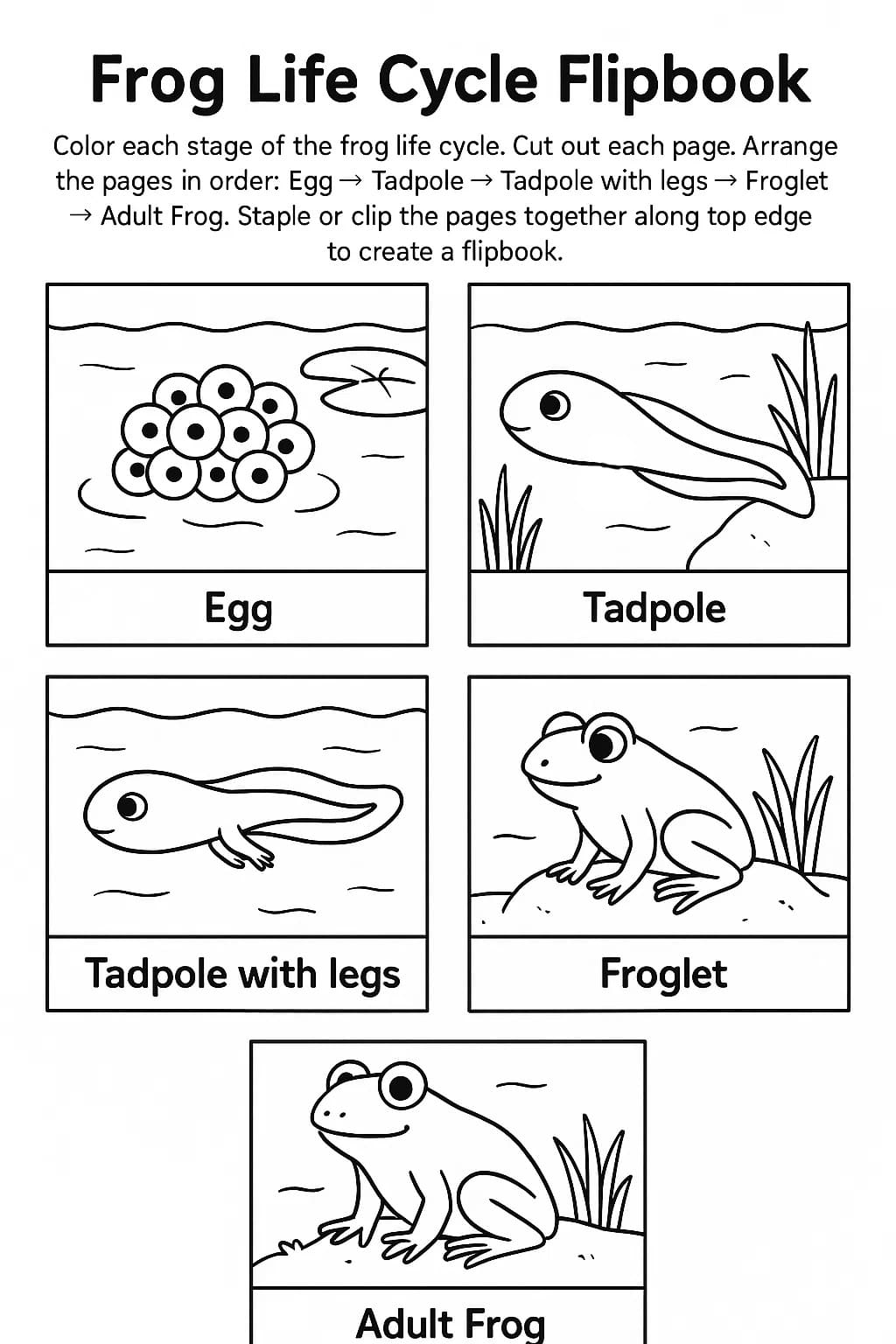
The Free Frog Life Cycle Worksheet Preschool is a fantastic tool for helping young children learn about the fascinating stages of a frog’s life. With vibrant illustrations and easy-to-understand content, it’s perfect for preschoolers eager to explore nature. This worksheet introduces kids to the life cycle of frogs, from egg to tadpole to adult frog, making it both educational and engaging.
Understanding the Frog Life Cycle
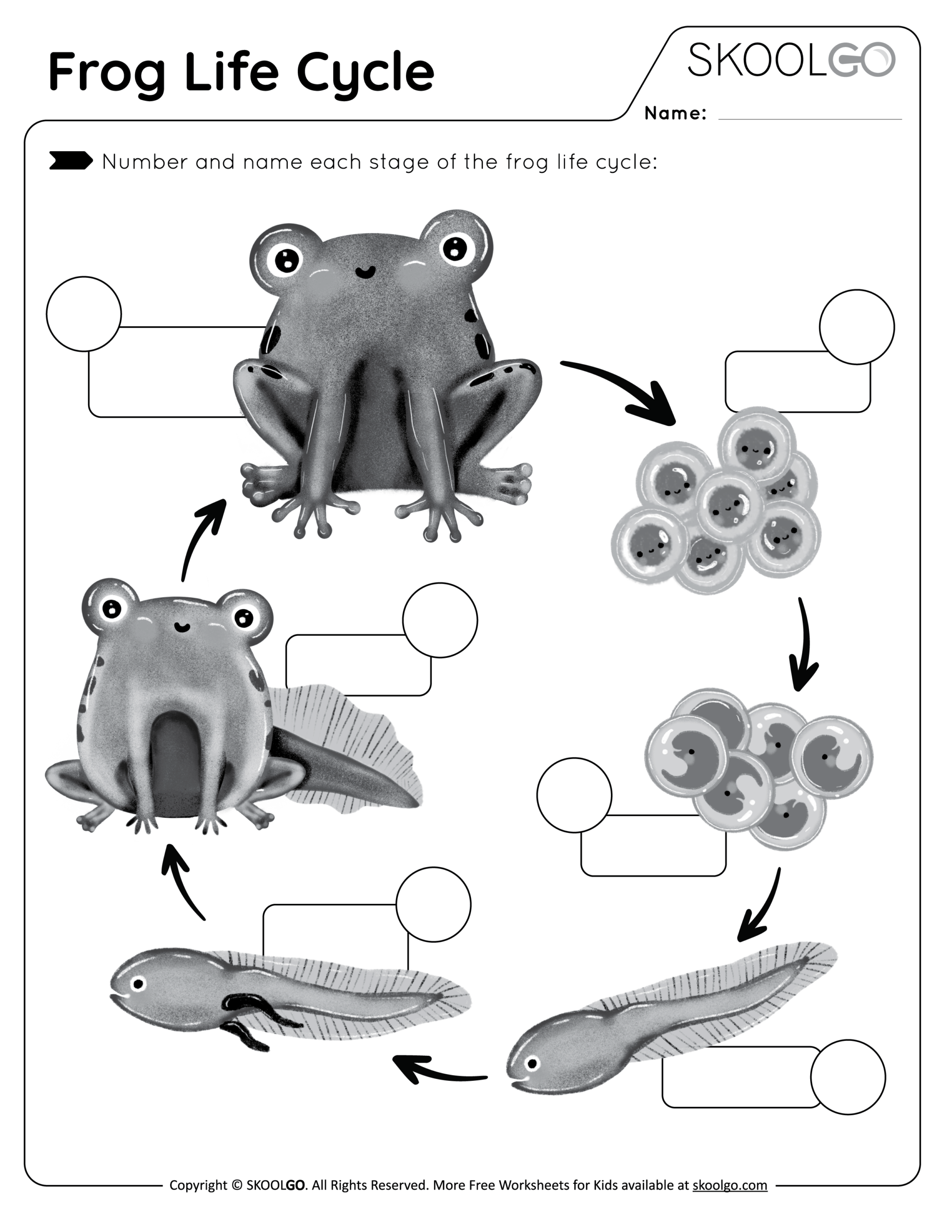
Before diving into how to use the worksheet, let’s briefly discuss the life cycle of a frog. Frogs undergo a complete metamorphosis, meaning they have distinct stages:
- Egg: Frogs start their lives as eggs laid in water.
- Tadpole: After hatching, they become tadpoles that swim and breathe through gills.
- Tadpole with legs: As they grow, tadpoles develop legs and start transitioning to land.
- Adult frog: Finally, they emerge as adult frogs, ready to hop around and continue the cycle.
This worksheet provides a visual representation of these stages, making it easier for preschoolers to grasp the concept.
Downloading the Worksheet
To get started, you’ll need to download the Free Frog Life Cycle Worksheet Preschool. Here’s how:
- Find the Resource: Go to the printable-resource website where the worksheet is hosted.
- Locate the Download Link: Look for the section featuring the frog life cycle worksheet. It should be clearly labeled.
- Click to Download: Click the download button. Most worksheets are available in PDF format, which maintains the layout and quality.
- Save the File: Choose a destination folder on your device to save the file for easy access later.
Printing Your Worksheet
Once you have downloaded the worksheet, it’s time to print it. Here are some tips for the best results:
- Paper Size: The worksheet is typically designed for standard letter-sized paper (8.5” x 11”). Make sure your printer is set to this size.
- Print Settings: Use a high-quality print setting to ensure that colors and details come out sharp. Portrait orientation usually works best for worksheets.
- Type of Paper: If you plan on using the worksheet multiple times, consider printing on cardstock. It’s sturdier and holds up better to handling, especially for younger children.
Setting Up the Worksheet for Use
Now that you have your printed worksheet, let’s set it up for your child to use effectively. Here’s how you can do this:
- Gather Supplies: You’ll need some coloring supplies (crayons, markers, or colored pencils) and possibly scissors if the worksheet involves cutting out sections.
- Create a Comfortable Space: Set up a quiet, comfortable area for your child to work. Good lighting and a flat surface will help them focus better.
- Explain the Worksheet: Before diving in, take a moment to explain the life cycle of frogs to your child. Use simple language and relate it to things they might see in nature, like ponds or backyard gardens.
Engaging With the Worksheet
As your child begins to work on the Free Frog Life Cycle Worksheet Preschool, encourage their creativity and understanding. Here are some ways to make the activity more engaging:
- Coloring: Let your child color each stage of the frog’s life cycle. Discuss the colors they choose and why they might use them (like green for adult frogs).
- Discussion: Ask questions as they work. For instance, “What do you think the tadpole eats?” or “How do you think frogs stay safe in the wild?”
- Hands-On Learning: If possible, take a nature walk to look for frogs or visit a pond. This real-world connection reinforces what they learned from the worksheet.
Digital Vs. Print Options
You might wonder whether to use a printed version of the worksheet or a digital one. Here’s a breakdown of both options:
Digital Completion
- Pros: Using a fillable PDF allows your child to complete the worksheet on a tablet or computer. This can be less messy and easy to save for future reference.
- Cons: Some children may find it harder to focus on a screen, and it might not provide the same tactile experience as coloring by hand.
Printed Completion
- Pros: Working on paper can enhance fine motor skills and keeps children engaged with physical materials. Plus, it’s easy to display their completed work on the fridge!
- Cons: If they make a mistake, they’ll need to print another copy, which could waste paper.
Ultimately, the choice depends on what works best for your child and your teaching style.
Additional Activities to Reinforce Learning
After your child has completed the Free Frog Life Cycle Worksheet Preschool, consider extending the learning experience with these fun activities:
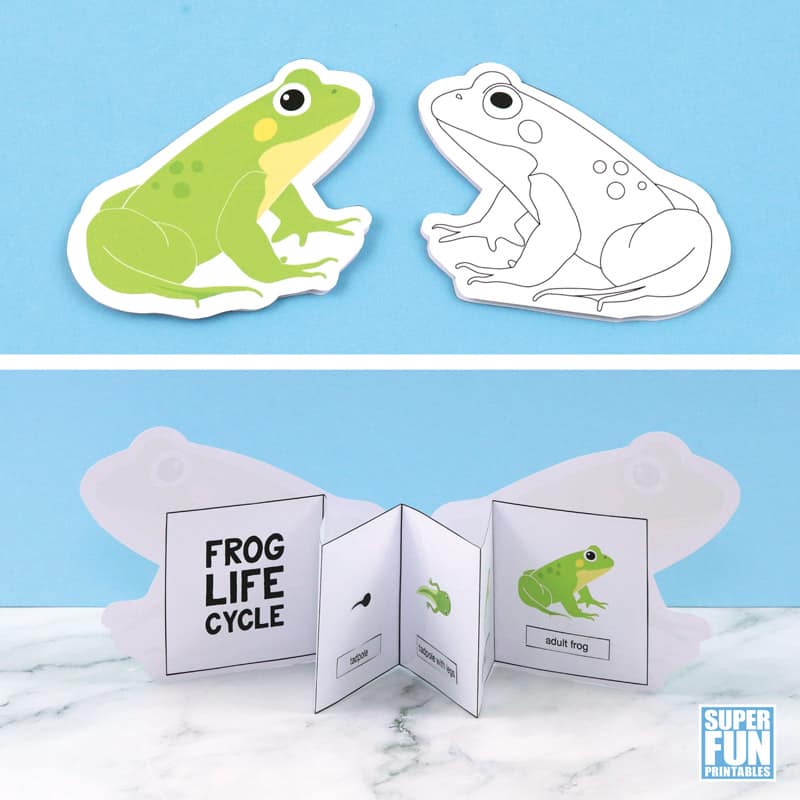
- Crafting: Create a frog life cycle model using simple materials like construction paper, scissors, and glue. This hands-on project can help reinforce the life stages.
- Storytime: Find books about frogs or their life cycles at your local library. Reading stories can deepen understanding and spark interest.
- Outdoor Exploration: If there’s a nearby pond or creek, visit it with your child. Look for frogs or signs of their life stages, like eggs or tadpoles.
By actively engaging with the content and exploring beyond the worksheet, you can help your child develop a richer understanding of nature.
One last tip: if you’d like to revisit the concepts later, consider laminating the worksheet after it’s completed. This way, it can serve as a reference or be reused for future lessons without needing to print multiple copies.
Free Frog Life Cycle Worksheet Preschool Gallery