Five Senses Worksheet For Preschoolers
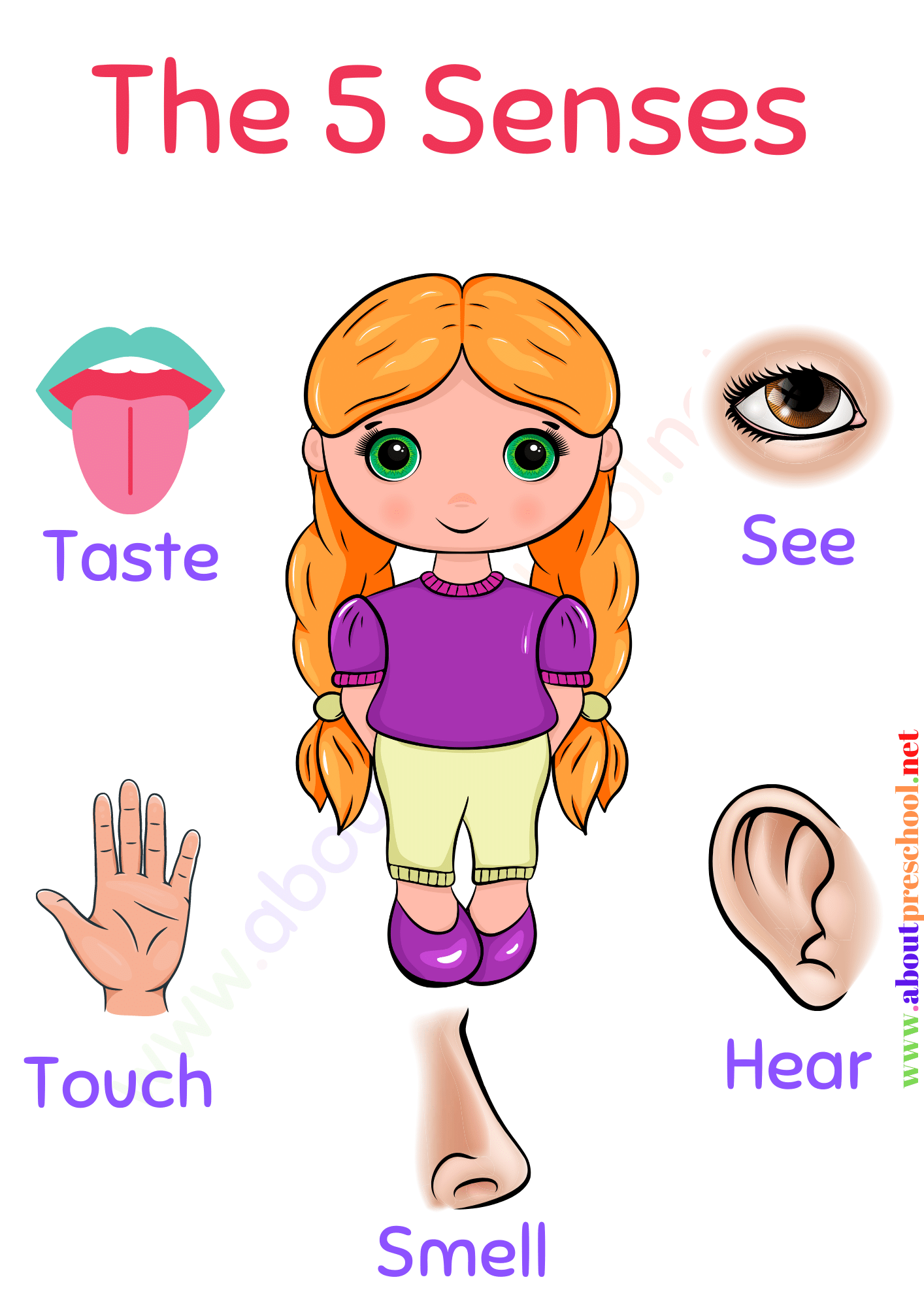
Engaging young children in learning can sometimes be a challenge, especially when it comes to abstract concepts. That’s where the Five Senses Worksheet for Preschoolers comes in. This specific worksheet stands out because it offers a hands-on approach to understanding the five senses—sight, hearing, smell, taste, and touch—through engaging activities that capture a preschooler’s interest. By using this worksheet, you can help your child explore their environment in a fun and educational way, making the learning process both enjoyable and effective.
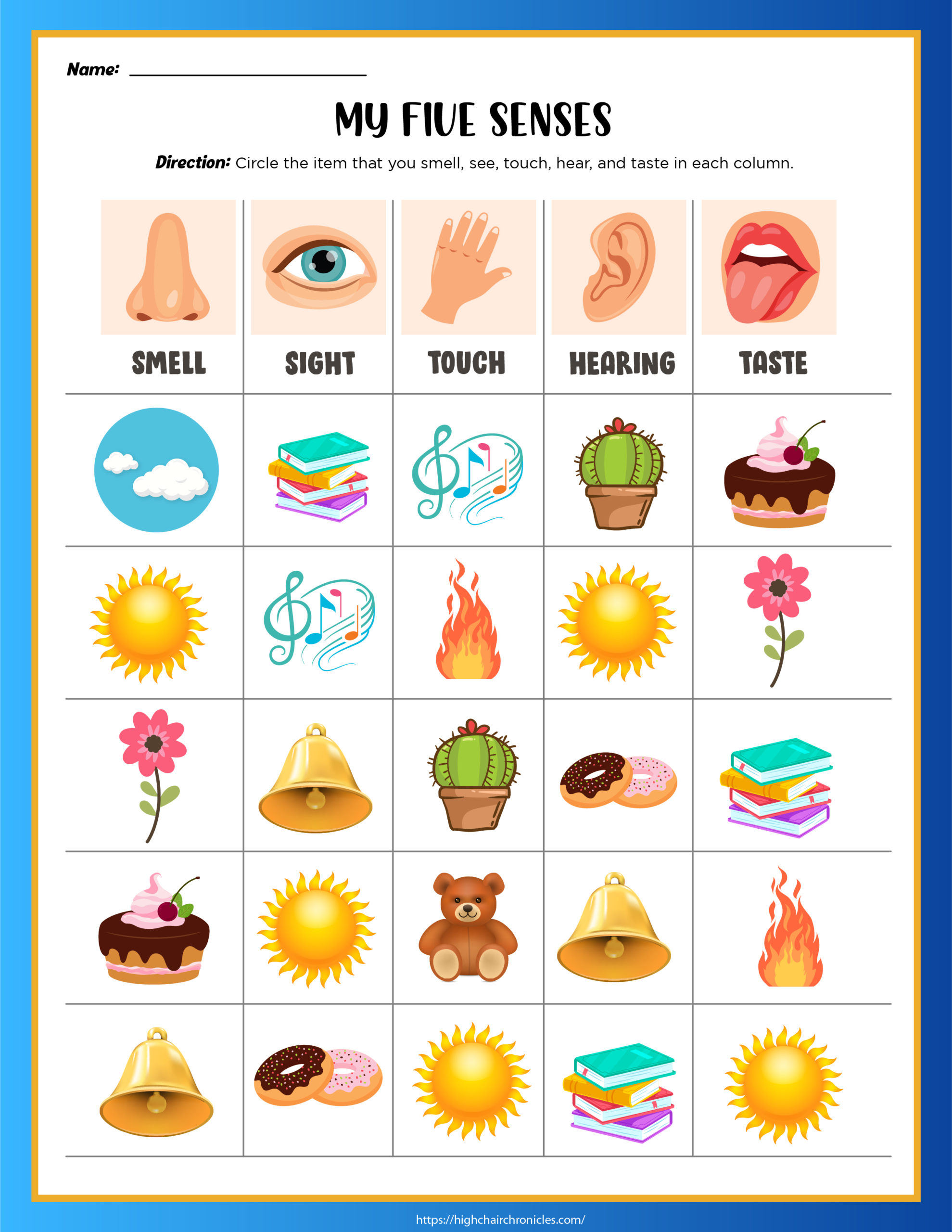
Understanding the Five Senses Worksheet Layout
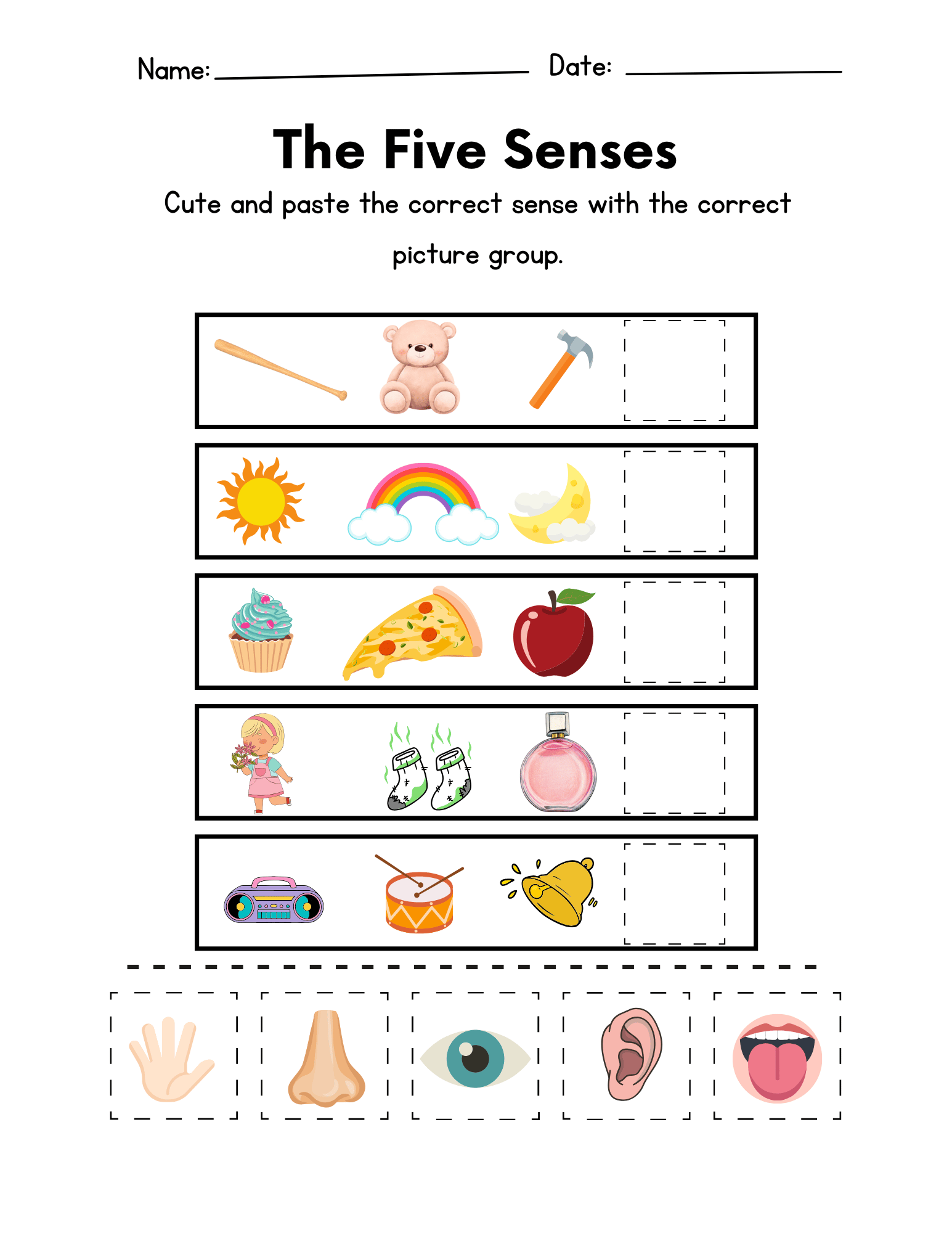
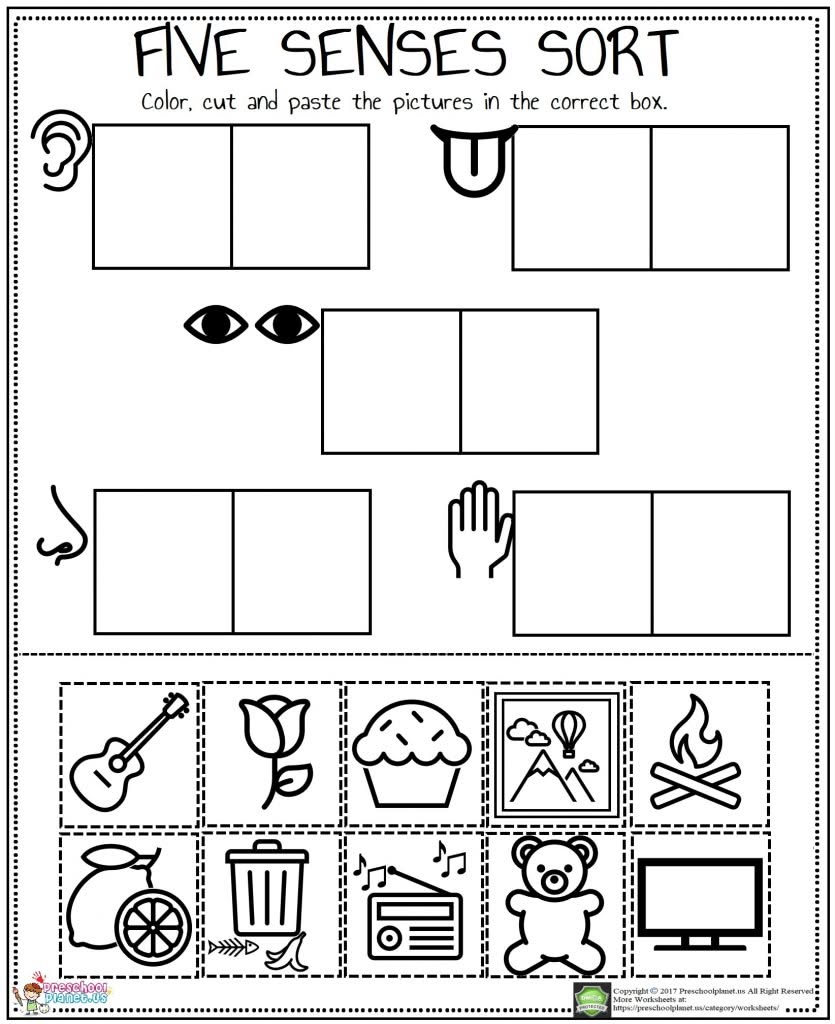
The layout of the Five Senses Worksheet for Preschoolers is designed for ease of use by both kids and parents. Typically, the worksheet is divided into five sections, each corresponding to one of the senses. This organization helps children visualize and categorize their experiences effectively.
Each section contains prompts that encourage kids to think about and describe what they see, hear, smell, taste, and touch. For example, under the “sight” section, children might be asked to draw a picture of something they see outside. This not only enhances their observational skills but also allows for creative expression.
When you print this worksheet, consider using a standard letter-sized paper (8.5 x 11 inches). If you have access to a color printer, printing in color can make the worksheet more visually appealing for your child, enhancing their engagement.
Filling Out the Worksheet: Step-by-Step Guide
Filling out the Five Senses Worksheet for Preschoolers can be a delightful activity for both you and your child. Here’s a simple step-by-step guide to help you get started:
- Gather Materials: You’ll need the printed worksheet, crayons or markers, and possibly some items from around the house or outside to stimulate discussion about the senses.
- Introduce the Senses: Before diving into the worksheet, take a moment to explain the five senses. Use simple language and examples from your child’s everyday life. For instance, ask them what their favorite food tastes like or what their favorite song sounds like.
- One Sense at a Time: Start with one sense at a time. For example, focus on sight first. Ask your child to look around the room or outside and draw something they see.
- Encourage Descriptive Language: As your child works on each section, encourage them to use descriptive words. For instance, if they draw a flower, prompt them to describe its color, shape, and any other details they notice.
- Discuss and Share: Once your child has completed the worksheet, take the time to discuss their answers. This reinforces their learning and allows them to express their thoughts and feelings about their sensory experiences.
When to Use the Five Senses Worksheet
The Five Senses Worksheet for Preschoolers can be a versatile tool in your educational toolkit. Here are some ideal times to incorporate it into your routine:
- During Nature Walks: Take the worksheet along on family walks in the park or neighborhood. Encourage your child to observe and fill in the worksheet based on their surroundings.
- Arts and Crafts Time: If your child enjoys crafting, integrate the worksheet into a creative session where they can create sensory-related art while completing the worksheet.
- Sensory Play Days: On days dedicated to sensory play (like playing with sand, water, or slime), you can use the worksheet to document what they feel, see, or even smell.
- At Home Learning: This worksheet can also be a great addition to your home learning curriculum, especially if your child is learning about the senses in school.
Benefits of Using the Five Senses Worksheet
Utilizing the Five Senses Worksheet for Preschoolers offers numerous benefits that go beyond just filling in blanks:
- Enhances Observational Skills: By encouraging children to notice the world around them, the worksheet helps develop their observational skills.
- Promotes Language Development: As children describe their sensory experiences, they practice vocabulary and language skills.
- Fosters Creativity: The drawing and writing prompts allow children to express themselves creatively, making learning enjoyable.
- Encourages Critical Thinking: Discussing their answers promotes critical thinking as children make connections between their senses and their environment.
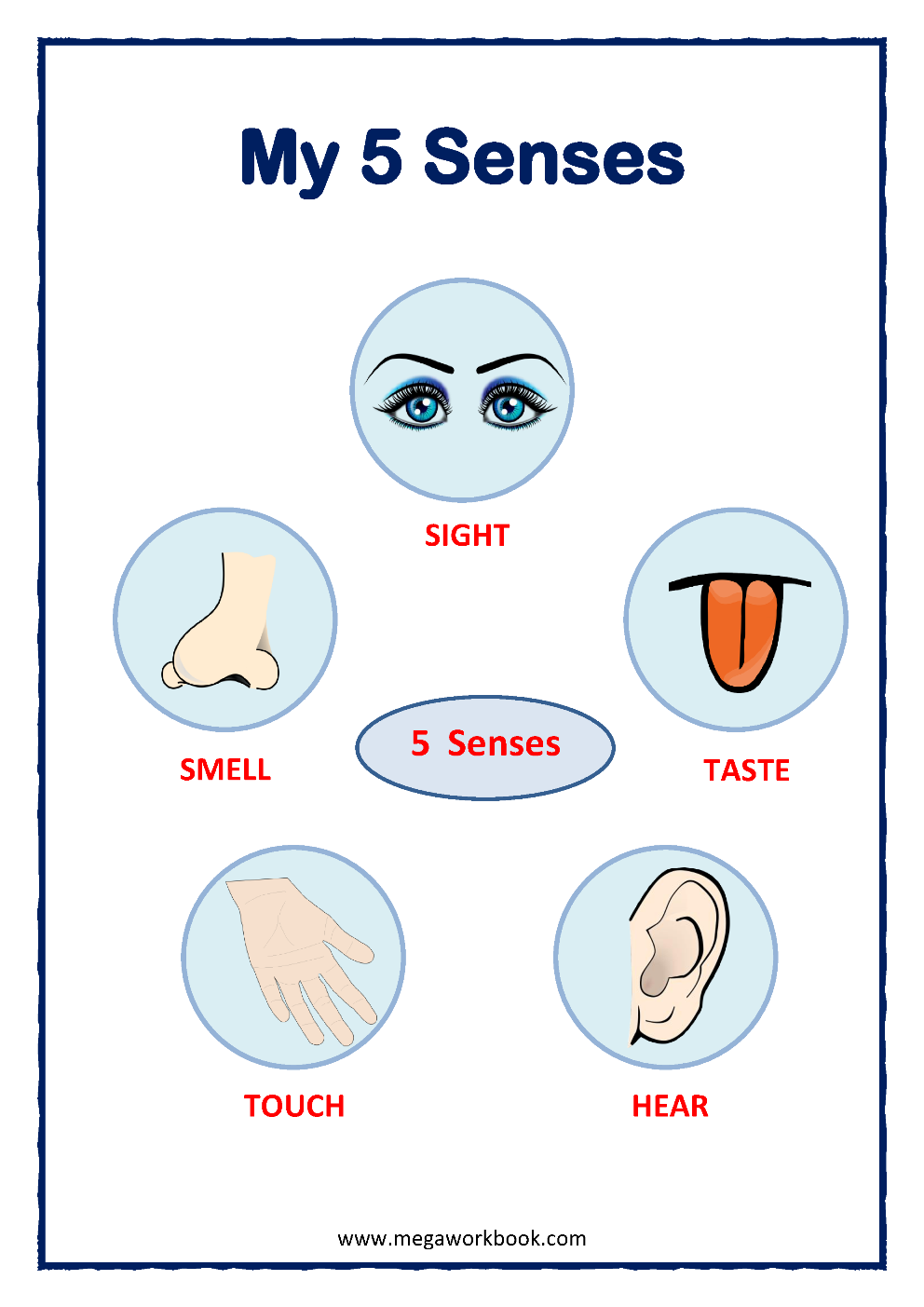
Presentation Quality for Optimal Use
When preparing the Five Senses Worksheet for Preschoolers, the quality of presentation can significantly affect its usability. Here are some tips to ensure the worksheet is both functional and engaging:
- Paper Choice: Using a heavier paper, like cardstock, can enhance the durability of the worksheet, especially if you plan to reuse it for multiple activities or sessions.
- Color Printing: If possible, print the worksheet in color. This not only makes it more appealing but can also help draw attention to specific sections and activities.
- Laminating: For repeated use, consider laminating the worksheet. This allows you to use dry-erase markers, making it easy to wipe clean and reuse for different learning sessions.
- Storage Solutions: Keep the worksheet in a folder or binder to protect it from wear and tear, especially if it’s part of a larger set of educational materials.
By paying attention to these presentation details, you can enhance the learning experience and ensure your child gets the most out of the worksheet.
The most useful detail to remember is that engaging your child through hands-on activities related to the Five Senses Worksheet can significantly enhance their understanding and retention of sensory concepts.
Five Senses Worksheet For Preschoolers Gallery