Blank Tracing Paper For Preschoolers: Essential Resource for 2026
Blank tracing paper for preschoolers is an invaluable resource that aids in developing essential skills such as fine motor control, hand-eye coordination, and creative expression. This versatile tool provides young learners with a blank canvas to trace letters, shapes, and images, making it an excellent addition to any educational setting, whether at home or in a homeschool environment. Understanding how to effectively utilize this resource can significantly enhance your teaching experience and your child’s learning journey.
The Importance of Tracing for Preschoolers
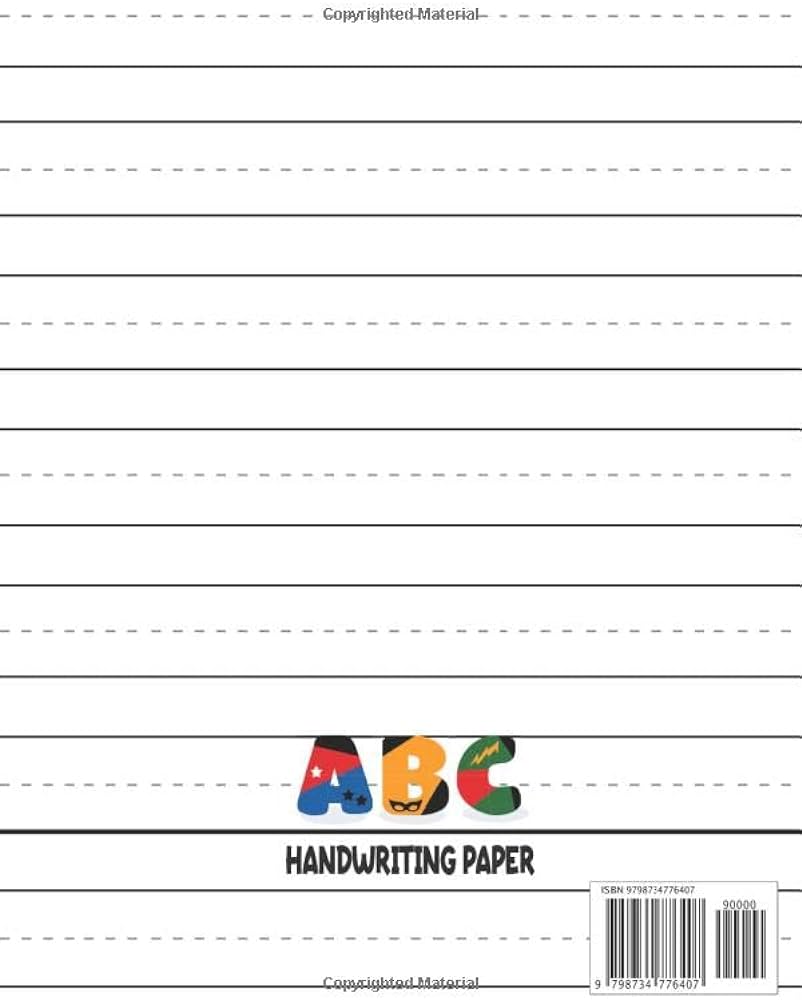
Tracing activities are crucial in early childhood education. They help preschoolers build the foundation for writing by familiarizing them with letter shapes and numbers. Using blank tracing paper encourages children to practice their grip and control over writing instruments, which is vital for their handwriting development. Additionally, tracing allows children to express their creativity by designing their own images or patterns, fostering an early appreciation for art.
Choosing the Right Blank Tracing Paper
When selecting blank tracing paper for preschoolers, consider the following factors:
- Paper Weight: Choose a heavier paper (around 24 lb) to prevent tearing, especially if children will be using markers or crayons.
- Size: Standard sizes like 8.5 x 11 inches are ideal for home use and fit well into most printers. Larger sizes (11 x 17 inches) can be great for group activities or larger projects.
- Opacity: Ensure the paper is semi-transparent to allow kids to see the shapes or letters underneath while tracing. This feature is crucial for effective learning.
- Format: Some tracing papers come in pads or loose sheets. Pads can be convenient for storing multiple sheets, while loose sheets are often easier to print on.
Activities to Engage Preschoolers
Utilizing blank tracing paper can lead to a variety of engaging activities that fit seamlessly into a typical afternoon routine. Here are some practical ideas:
Letter Tracing
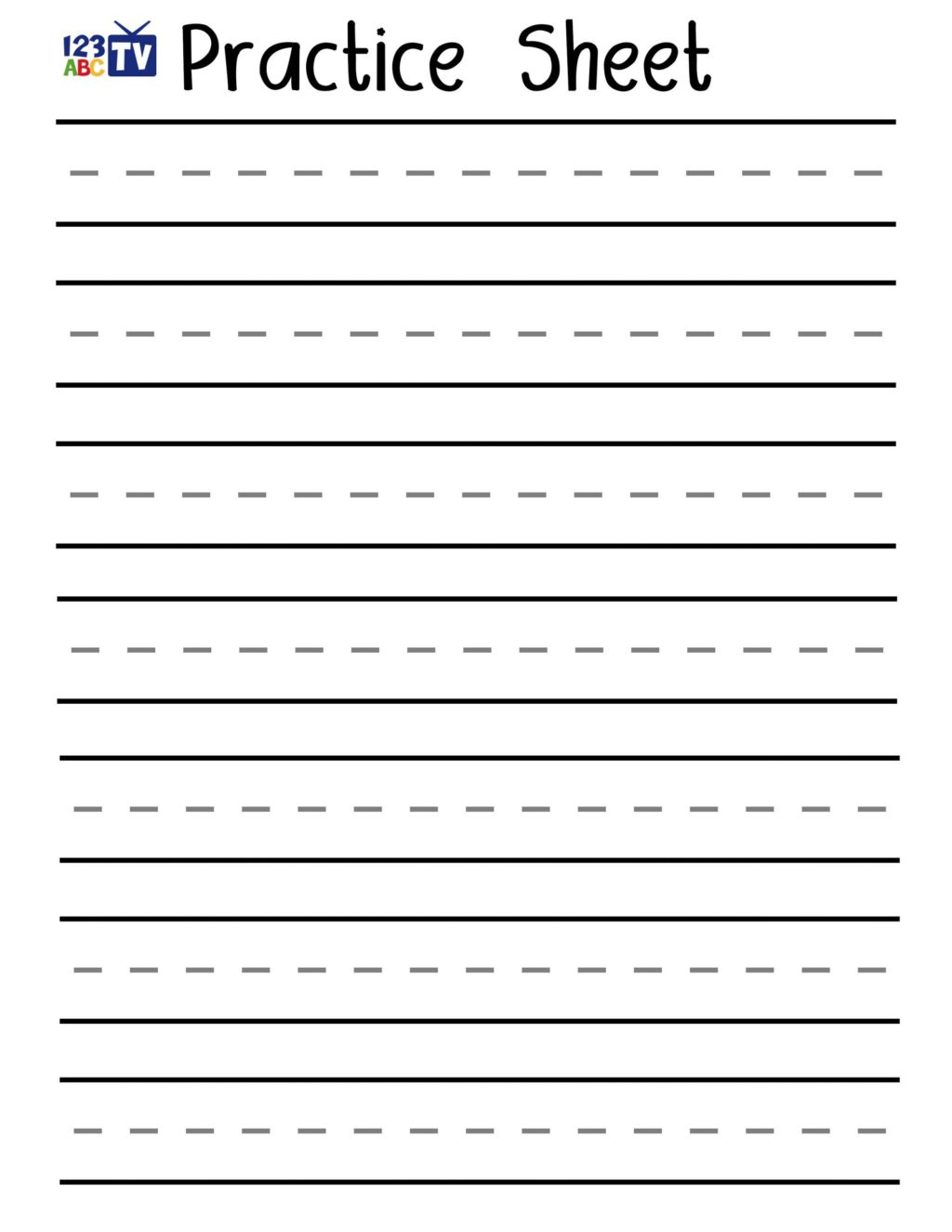
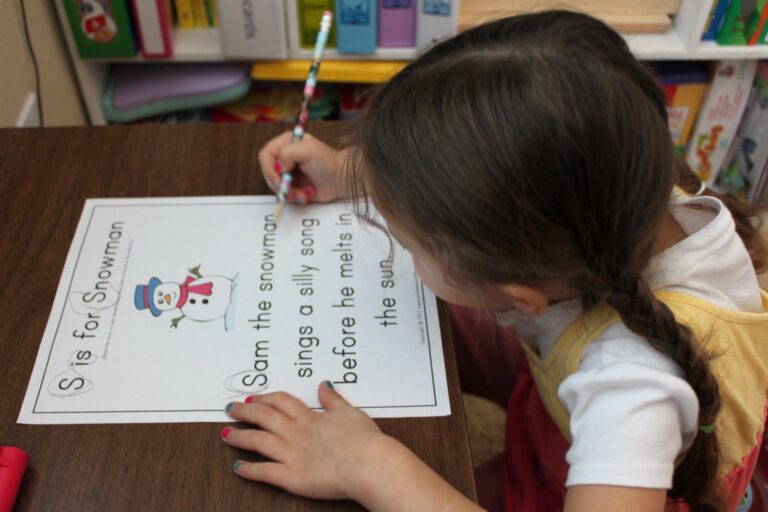
One of the most beneficial activities is letter tracing. Print out letters on the tracing paper or encourage children to write them themselves. This exercise helps them understand letter formation while improving their grip on pencils or crayons.
Shape Tracing
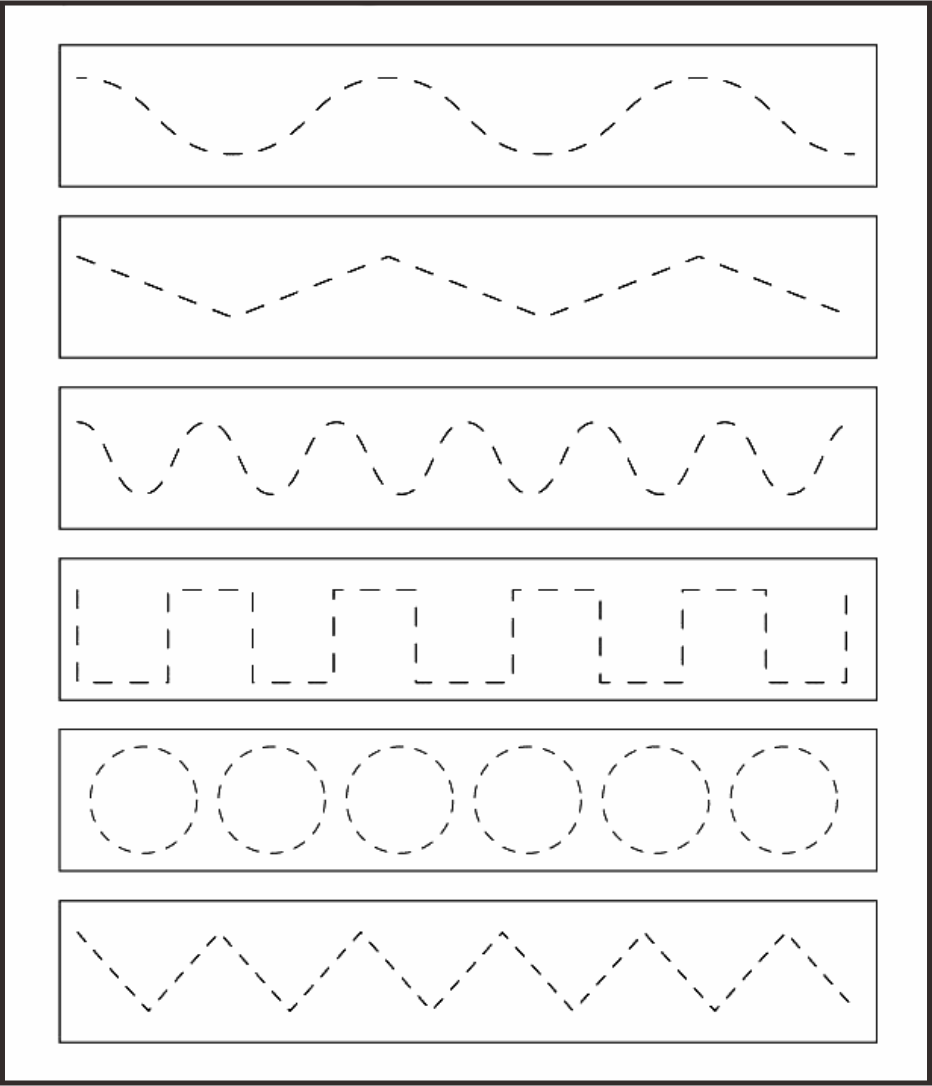
Introduce basic shapes such as circles, squares, and triangles. Children can trace around these shapes to recognize patterns and improve their spatial awareness. You can even create a fun game by asking them to identify objects in the house that match the shapes they are tracing.
Creative Drawing
Blank tracing paper can also serve as a platform for creative expression. Encourage children to draw their own designs or patterns. They can trace over their original drawings to enhance their work, allowing them to see their progress and improvements.
Tips for Printing and Using Tracing Paper
To ensure the best results when using blank tracing paper, keep these tips in mind:
- Printer Settings: Use a standard printer setting for best results. If your printer allows, select the ‘photo’ setting for higher quality prints, especially if you are printing colored patterns or shapes.
- Paper Orientation: Most home printers work well with portrait orientation. However, if you’re printing larger designs, landscape orientation might be beneficial.
- Laminating Options: If you plan to use the tracing sheets multiple times, consider laminating them. This way, children can use dry-erase markers to trace and then wipe them clean for reuse.
Integrating Tracing Into Daily Routines
Incorporating blank tracing paper into daily routines can be simple and effective. Here are some suggestions:
- Story Time Activity: After reading a story, have children trace characters or objects from the book. This helps reinforce their understanding and recall of the story.
- Daily Journaling: Encourage children to create a journal where they can trace daily events or express their feelings through drawings. This activity promotes literacy and emotional awareness.
- Seasonal Themes: Tailor tracing activities to seasons or holidays. For example, have children trace snowflakes in winter or flowers in spring. This adds a fun, thematic element to their learning.
Using blank tracing paper for preschoolers can transform learning into a playful and engaging experience. By selecting the right type and integrating it into daily activities, teachers and parents can support their children’s growth in a fun and creative way. To get started, print a few sheets today and watch as children explore their creativity while developing essential skills.