Pre-K Alphabet Tracing Pages
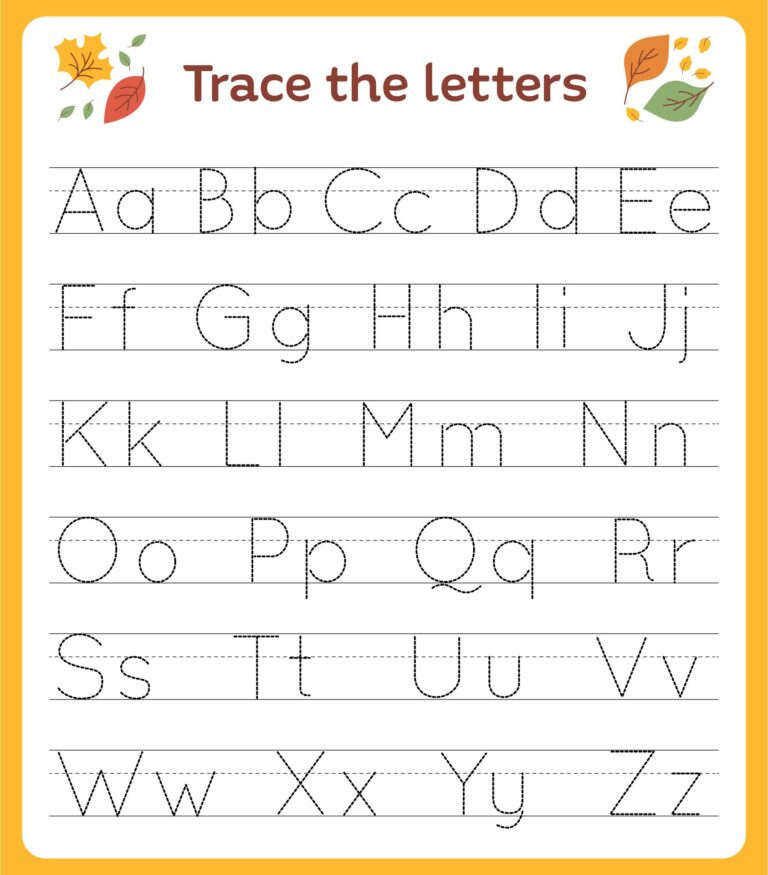
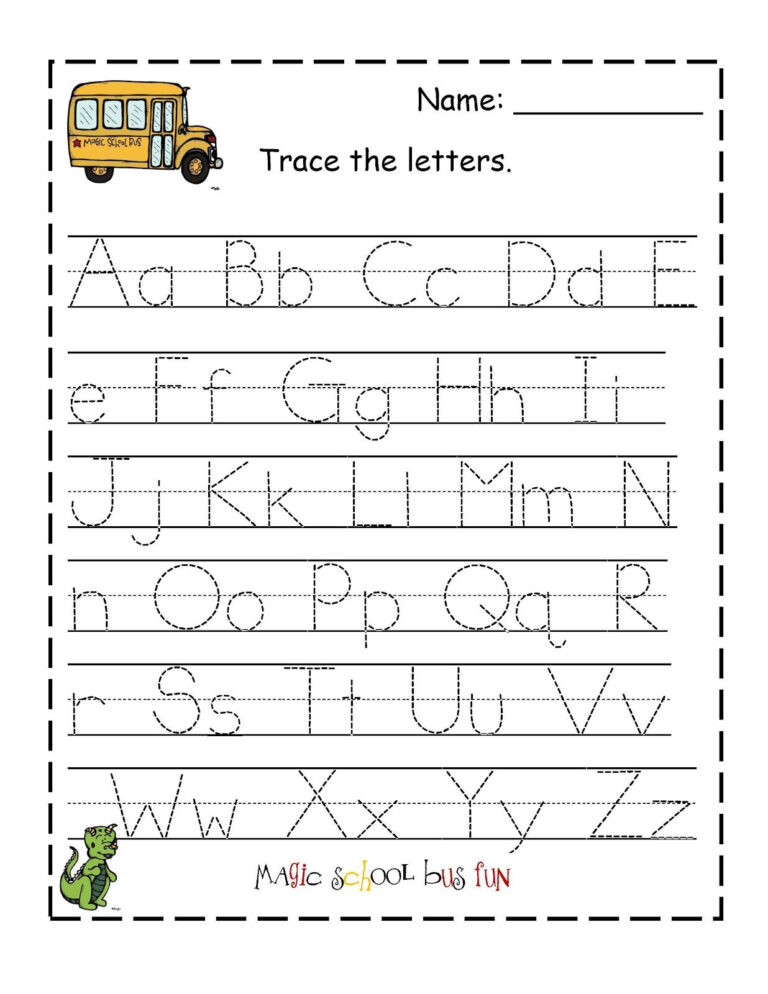
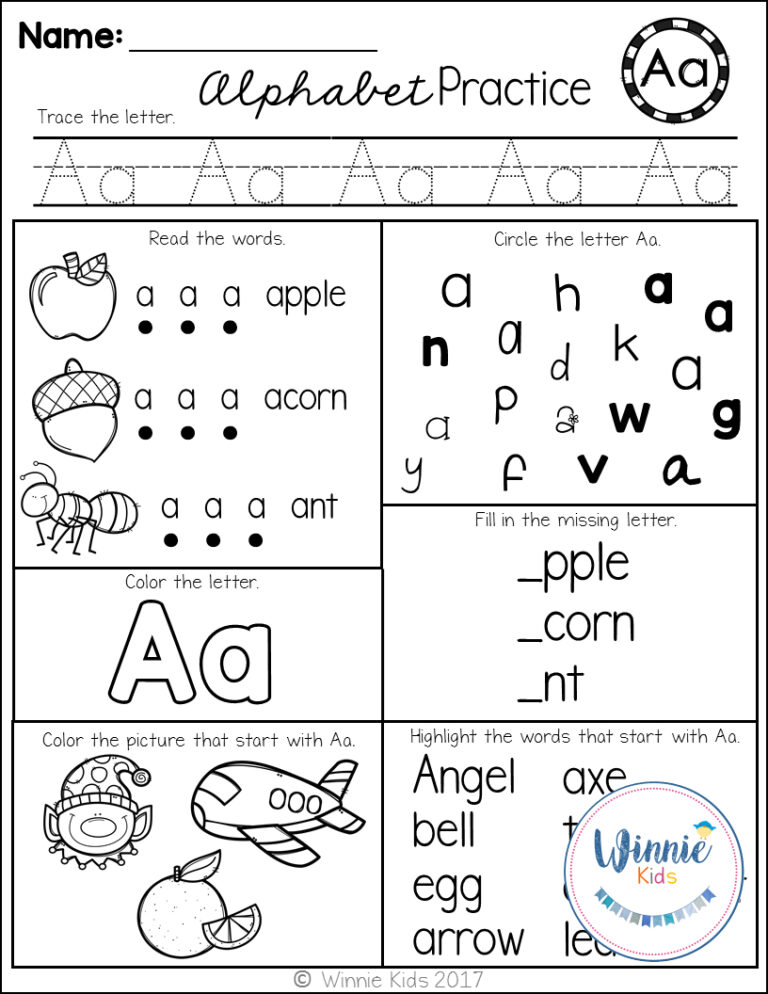
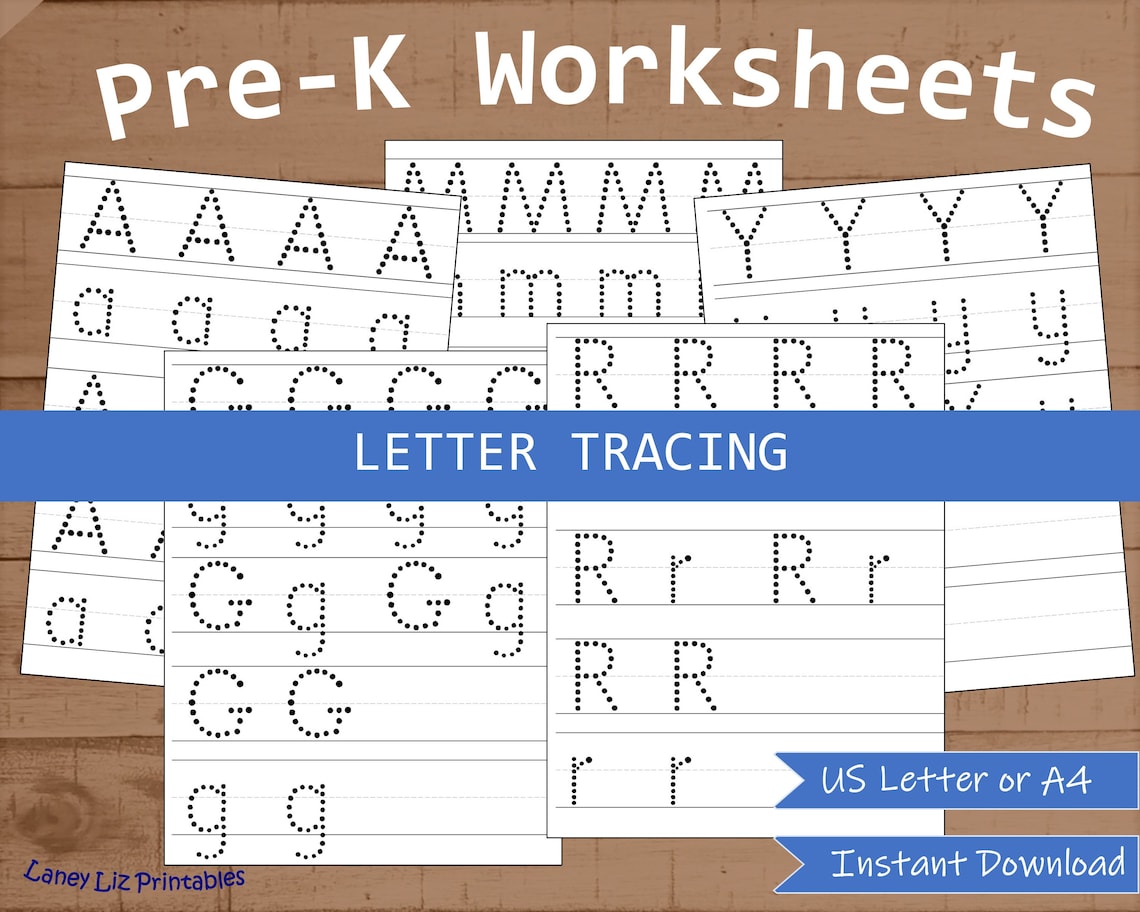
Pre-K Alphabet Tracing Pages are vital tools for early literacy development, designed specifically for young children who are beginning their journey into reading and writing. These resources typically come in PDF format, making them easy to download and print at home or in the classroom. Each page features bold, clear letters for tracing, allowing children to practice letter formation while developing fine motor skills.
Understanding the Design of Pre-K Alphabet Tracing Pages
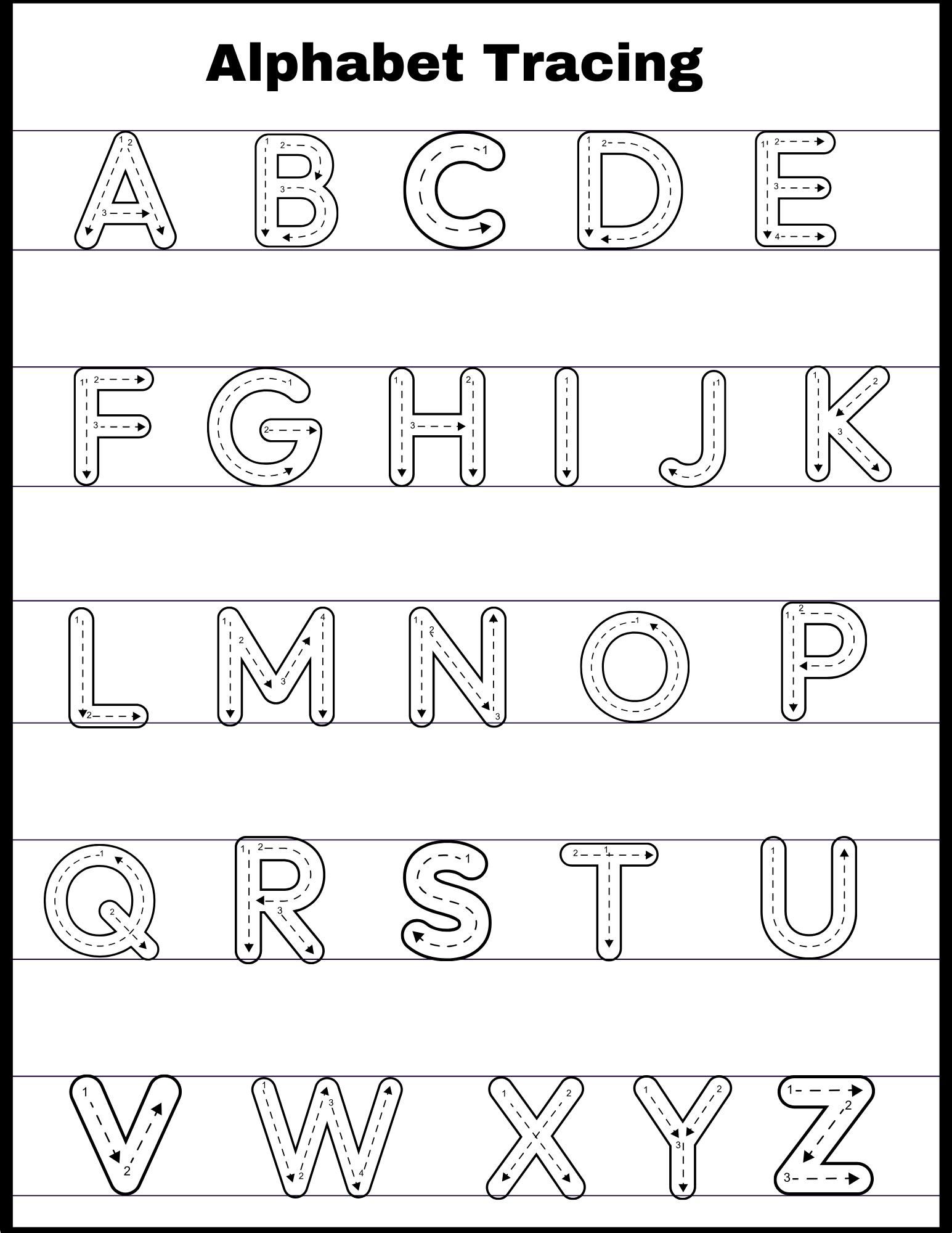
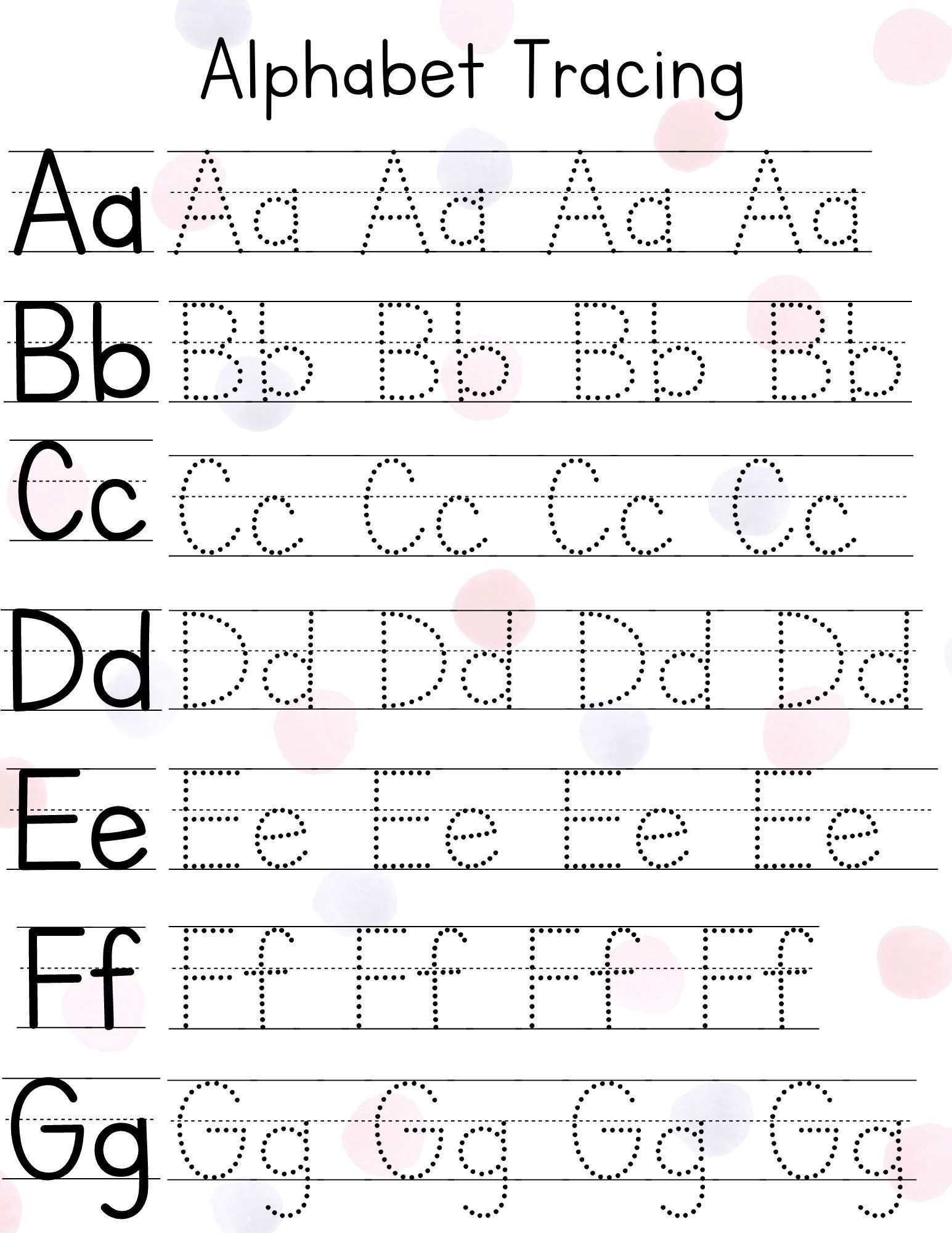
The layout of Pre-K Alphabet Tracing Pages is crucial for facilitating independent practice. Each page typically includes large, uppercase letters that children can trace over. The letters are often accompanied by a dashed line format, which guides children in understanding the shape and structure of each letter. Many pages also incorporate visuals, such as images of objects that begin with the letter, reinforcing letter recognition through association.
The pages are usually formatted on standard letter-size paper (8.5″ x 11″), ensuring compatibility with most printers. This size is ideal for little hands, providing enough space for tracing without overwhelming young learners. When printing, it’s a good idea to use portrait orientation, as this format allows for comfortable tracing and writing.
Features to Enhance Learning
When you look closely at the features of Pre-K Alphabet Tracing Pages, several elements stand out that enhance learning:
- Clear Instructions: Many pages come with simple instructions, making it easy for children to understand how to use them without requiring constant supervision. For example, a page might say, “Trace the letter A, then write it on your own.”
- Visual Cues: Including cute images related to each letter helps capture children’s attention and makes the learning process more enjoyable. For instance, the letter “B” might be paired with a picture of a “ball,” reinforcing the connection between the letter and its sound.
- Variety of Formats: While some pages focus solely on uppercase letters, others may include both uppercase and lowercase letters, allowing for comprehensive practice. It’s essential to choose the right format depending on your teaching objectives.
How to Use Pre-K Alphabet Tracing Pages Effectively
Using Pre-K Alphabet Tracing Pages can be incredibly effective when approached thoughtfully. Here are some practical tips for implementation:
- Daily Practice: Encourage daily tracing sessions. Setting aside a few minutes each day allows children to build consistency in their practice, leading to better retention of letter shapes.
- Incorporate Games: Transform tracing into a fun activity by turning it into a game. For example, you could have children race to see who can trace the most letters in a set time or create a “letter of the day” challenge where they find items around the house that start with that letter.
- Use with Other Activities: Pair tracing pages with other literacy activities, such as reading books that focus on the same letters. This multi-faceted approach reinforces learning through different mediums.
- Feedback and Encouragement: As children practice, offer positive feedback. Celebrate their progress, whether it’s a perfectly traced letter or a small improvement. This encouragement helps foster a love for learning.
Tracking Progress With Pre-K Alphabet Tracing Pages
One of the most significant advantages of using Pre-K Alphabet Tracing Pages is the ability to track progress over time. Here are some effective methods for monitoring development:
- Create a Portfolio: Keep a portfolio of completed tracing pages. This collection allows you to visually assess a child’s improvement in letter formation over time. It’s also a great way to celebrate their accomplishments.
- Set Goals: Establish specific goals for each child, such as mastering a certain number of letters per week. This not only motivates them but also provides a clear framework for measuring progress.
- Conduct Regular Assessments: Periodically review the tracing pages together with the child. Discuss which letters they find easy and which ones need more practice. This reflection helps children become aware of their learning journey.
Adapting Pre-K Alphabet Tracing Pages for Different Learning Styles
Every child learns differently, and Pre-K Alphabet Tracing Pages can be adapted to suit various learning styles:
- Visual Learners: These children benefit from colorful pages with images. Use tracing pages that include pictures alongside letters to reinforce their learning visually.
- Kinesthetic Learners: For children who learn best through movement, consider using tactile materials. Have them trace letters in sand or with finger paints before moving on to the pages.
- Auditory Learners: Incorporate songs or rhymes that emphasize letter sounds. This approach can complement the tracing activity, making it more engaging for children who thrive on auditory learning.
Printable Resources for Pre-K Alphabet Tracing Pages
Finding high-quality printable resources is essential for effective teaching. Many websites offer free or low-cost downloads of Pre-K Alphabet Tracing Pages. When selecting resources, look for those that provide:
- Variety: A good set of tracing pages should include multiple styles and formats, accommodating different learning preferences.
- Quality Design: Ensure the pages have a clean layout with clear letters. Pages should be free from distractions, focusing solely on the letter-tracing task.
- Accessibility: Choose resources that are easy to download and print. PDFs are typically the best format, as they maintain their layout regardless of the device used.
By utilizing well-designed Pre-K Alphabet Tracing Pages, teachers and parents can create a supportive learning environment that encourages young learners to master their letters. With engaging formats and thoughtful practice, these tracing pages can significantly enhance early literacy skills. Choose the right resources, set clear goals, and adapt the materials to fit individual learning styles, and you’ll be well on your way to fostering a love of letters in your pre-kindergarten students.