Creative Writing Worksheets For Preschoolers
Creative writing worksheets for preschoolers can be a fantastic way to inspire little ones to express themselves. Unlike typical worksheets that may focus solely on grammar or spelling, these creative writing worksheets encourage imagination and storytelling, making learning fun. As a parent, I’ve found that these resources not only help with writing skills but also build confidence in young learners.
Importance of Creative Writing for Preschoolers
Introducing creative writing at an early age lays a strong foundation for literacy skills. Preschoolers are naturally curious and imaginative, and tapping into that creativity is essential. Writing helps them organize their thoughts, express feelings, and develop critical thinking skills.
When using creative writing worksheets, children learn to:
- Expand their vocabulary through storytelling.
- Practice sentence structure in a fun, engaging way.
- Gain confidence as they share their stories.
These worksheets can be easily integrated into daily routines, whether it’s during quiet time at home or as part of a structured class activity.
Features of Creative Writing Worksheets
Creative writing worksheets typically come with a variety of features designed to engage young learners. Here’s what you can expect to find:
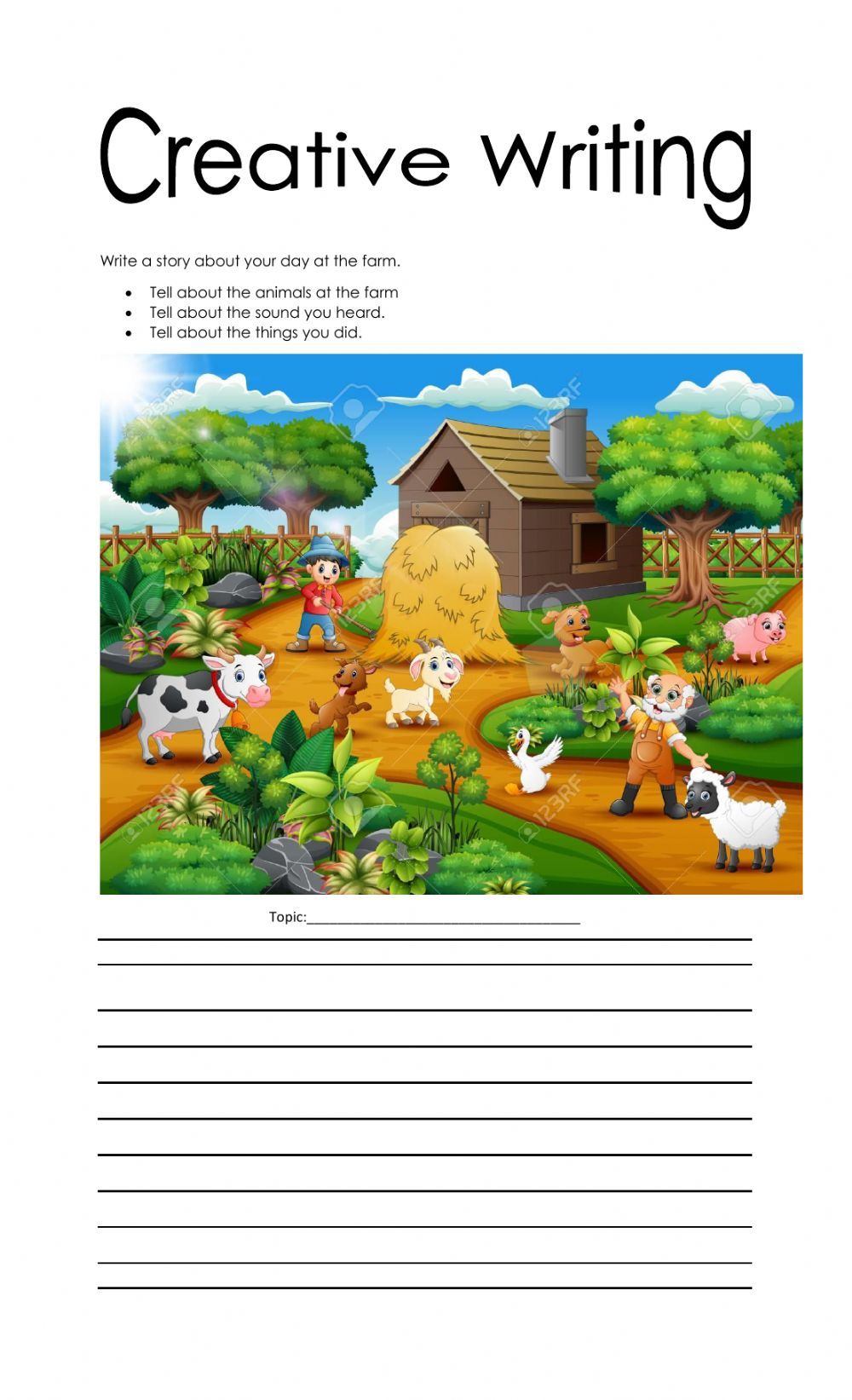
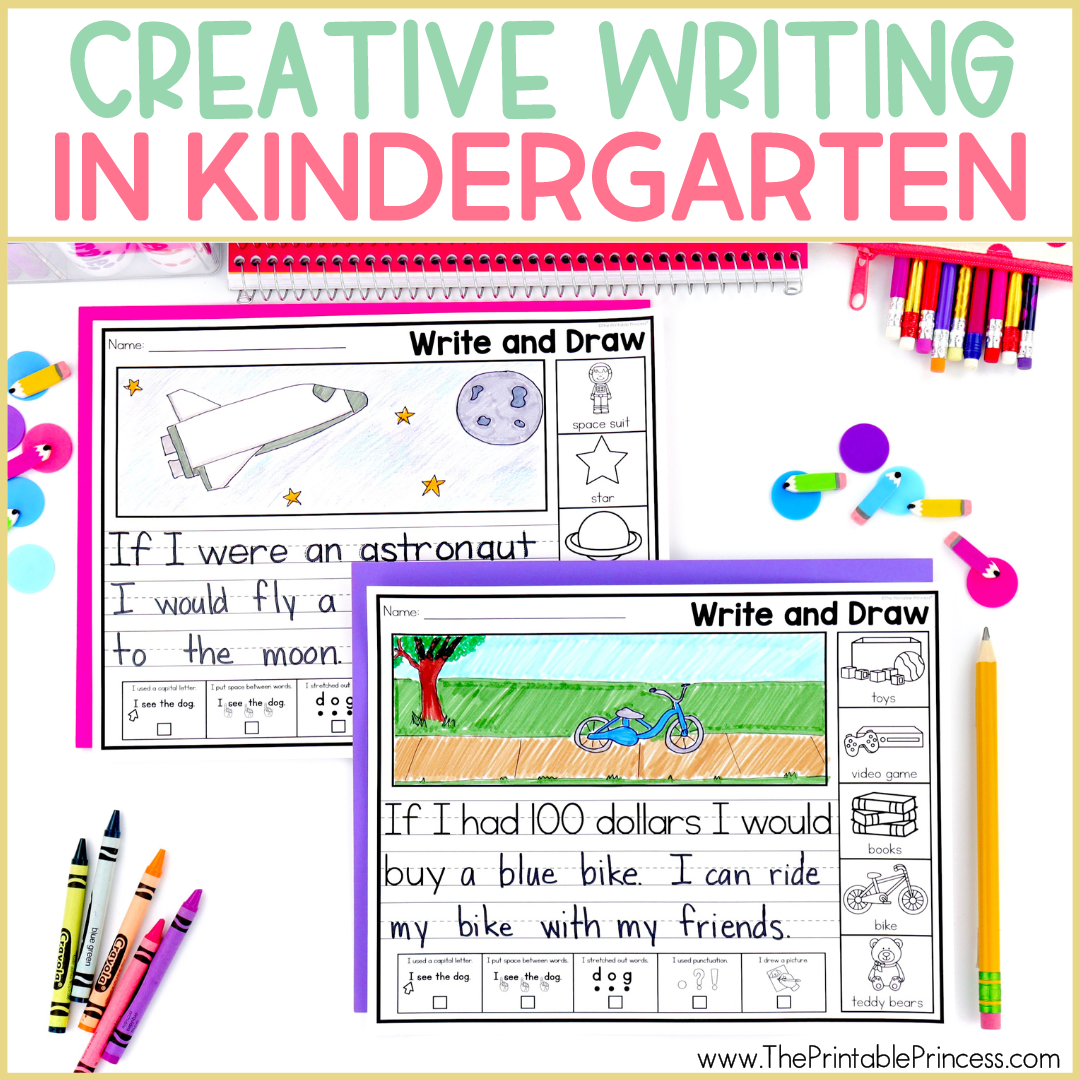
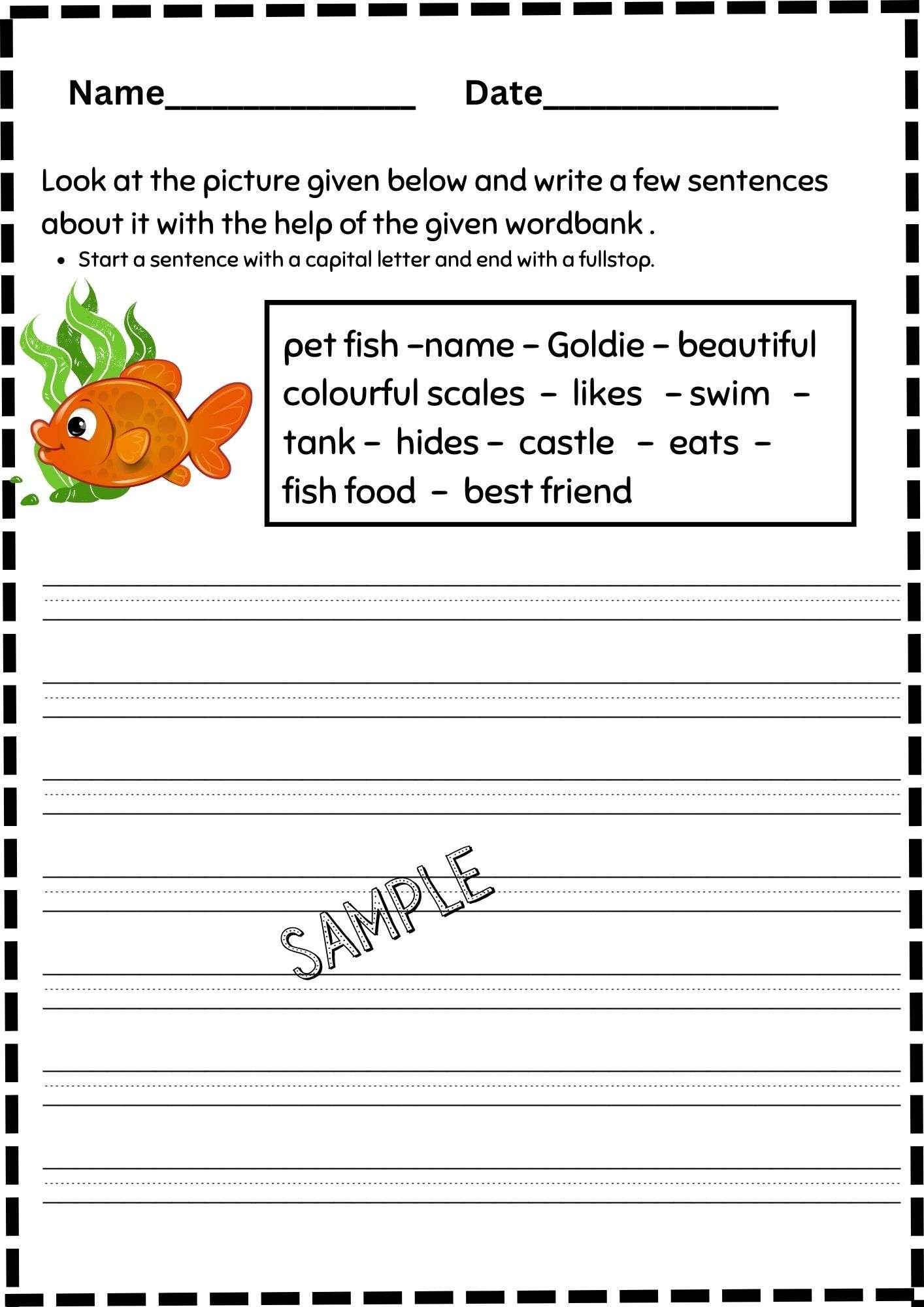
- Illustrated Prompts: Many worksheets include colorful images that serve as prompts, helping children to visualize their stories.
- Story Structure Guides: Some worksheets provide sections for a beginning, middle, and end, encouraging kids to think critically about their narratives.
- Word Banks: These can help children who may struggle with finding the right words, making it easier to express their ideas.
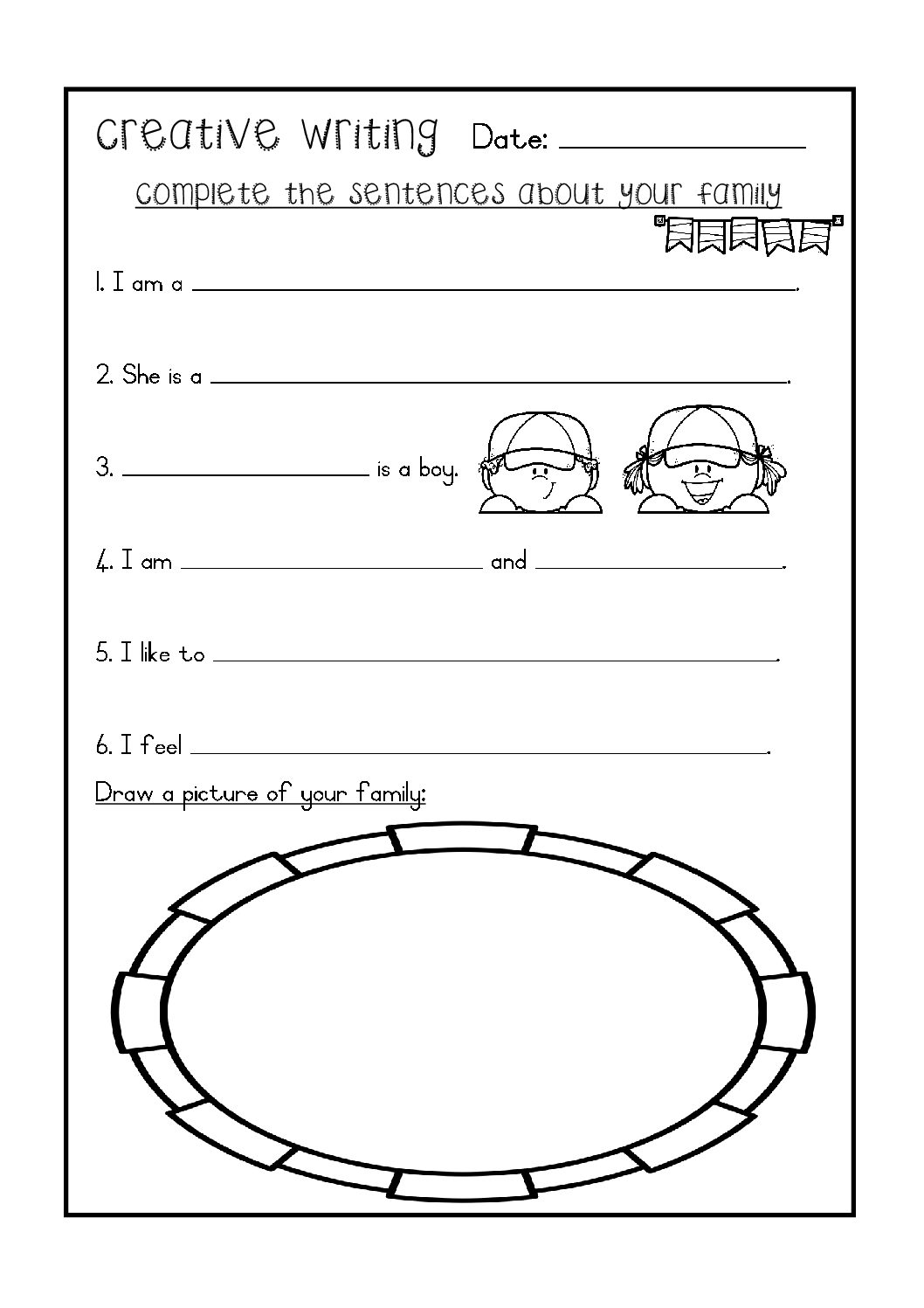
- Blank Spaces for Drawing: Allowing kids to draw their characters or scenes fosters creativity and makes the writing process more enjoyable.
How to Use Creative Writing Worksheets Effectively
Using creative writing worksheets for preschoolers can be straightforward with a few tips:
- Set the Scene: Create a comfortable space for writing. Use a table with plenty of light and free from distractions. This helps little ones focus on their stories.
- Choose the Right Worksheet: Select a worksheet that matches your child’s interests. For instance, if they love animals, find a prompt that involves a pet adventure. This will spark their enthusiasm.
- Encourage Free Expression: Remind your child that there are no wrong answers in creative writing. The goal is to have fun and be imaginative.
- Incorporate Different Formats: Mix it up! Use worksheets that require drawing, storytelling, or even dictating to an adult. This variety keeps the activity fresh and engaging.
- Review Together: After your child completes a worksheet, read their story together. Celebrate their creativity and offer gentle feedback on how they can expand their ideas further.
Types of Creative Writing Worksheets for Preschoolers
When choosing creative writing worksheets, consider the various types available:
- Story Starters: These provide the first sentence or scenario to help children kick off their writing. They can be particularly helpful for those who are hesitant to start.
- Character Creation Sheets: These worksheets focus on developing characters, asking questions about their likes, dislikes, and adventures. This helps children think about character development in their stories.
- Picture Prompts: Featuring engaging images, these worksheets prompt children to tell a story based on what they see, fostering imaginative thinking.
- Story Maps: These are great for visual learners, helping children outline their ideas before they start writing. A simple map can help them organize their thoughts.
Where to Find Printable Creative Writing Worksheets
Several online resources offer free or paid creative writing worksheets for preschoolers. Here are a few places to check:
- Educational Websites: Sites like Teachers Pay Teachers and Education.com often have a variety of creative writing resources tailored for young learners.
- Library Resources: Many local libraries provide access to printable worksheets that can be downloaded for free.
- Printable Resource Websites: Websites dedicated to printable resources often have a section specifically for writing worksheets. Look for ones that allow you to filter by age or grade level.
- DIY Options: If you’re feeling creative, you can make your own worksheets. A simple template with prompts can be customized to suit your child’s interests.
Tips for Printing and Accessibility
When printing creative writing worksheets, consider these practical tips to ensure the best results:
- Paper Quality: Use good-quality paper, such as cardstock, if your child will be coloring or drawing on the worksheets. This prevents ink bleed-through and makes the sheets more durable.
- Print Settings: Adjust your printer settings to ensure the best quality. For most worksheets, standard print settings work fine, but if the colors are vibrant or the images are detailed, consider using a higher quality setting.
- Size Matters: Most worksheets are designed for standard letter size (8.5 x 11 inches). Ensure your printer is set to this size to avoid any formatting issues.
- Laminating: If you want to reuse worksheets, consider laminating them. This allows for dry-erase markers to be used, making the worksheets reusable and saving paper in the long run.
Encouraging Storytelling Beyond Worksheets
While creative writing worksheets are a fantastic tool, don’t limit storytelling to just paper and pencils. Encourage your child to share their stories verbally. Here are a few fun ideas:
- Storytime Sessions: Set aside time each week for your child to share their written stories. This not only builds confidence but also improves their speaking skills.
- Family Storytelling Nights: Create a family tradition where each member shares a story. This can be a mix of made-up tales or recounting real-life experiences.
- Digital Storytelling: Use apps or programs that allow children to create digital stories, combining writing with images and sounds.
These activities foster a love for storytelling and enhance their creative writing skills.
Creative Writing Worksheets For Preschoolers Gallery