Critical Thinking For Preschoolers Worksheet
When it comes to fostering your child’s cognitive development, finding engaging resources is essential. The Critical Thinking For Preschoolers Worksheet is a fantastic tool that helps young learners develop essential skills through fun and interactive activities. By using this worksheet, parents can encourage their preschoolers to think critically, solve problems, and express their creativity.
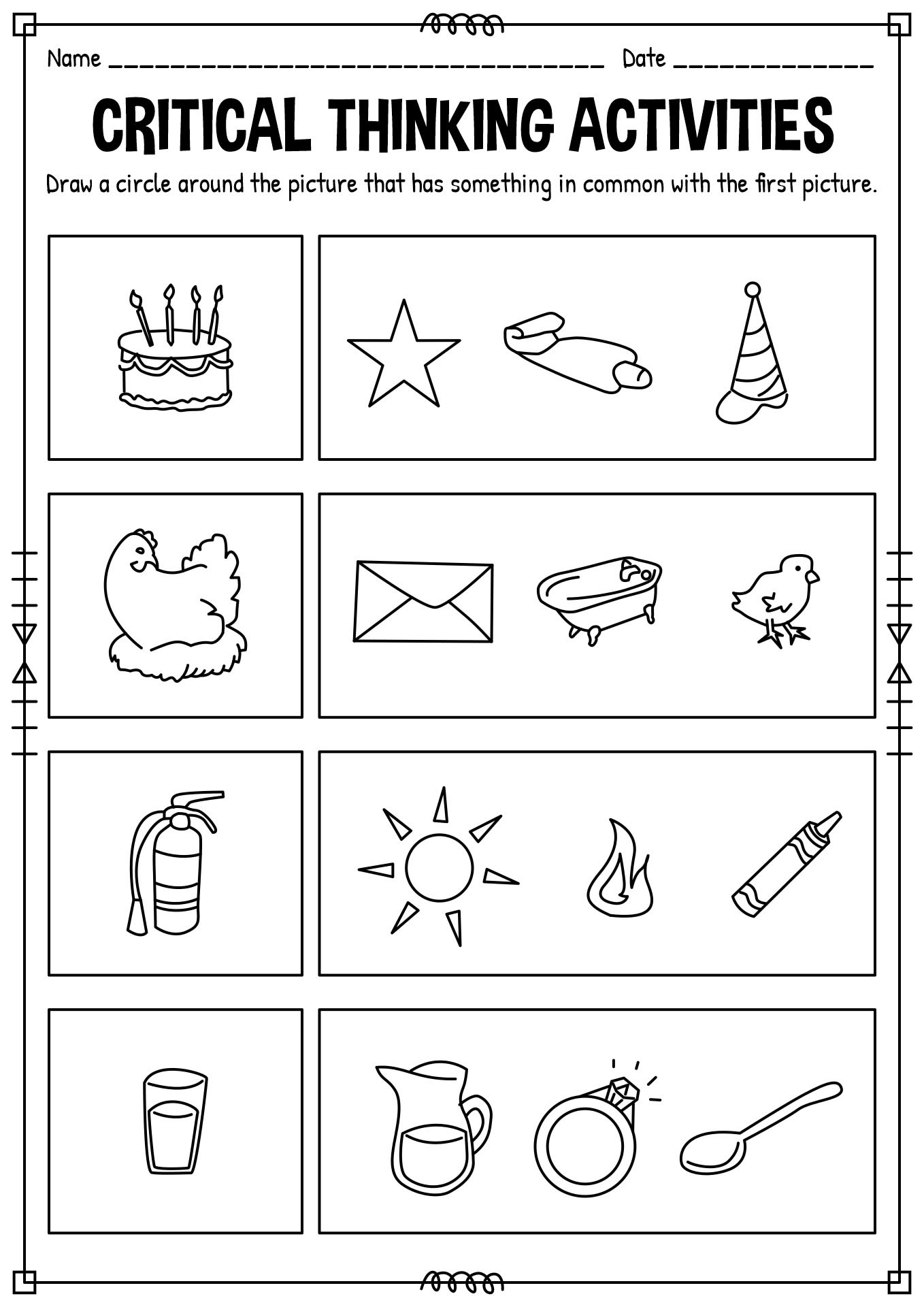
Understanding Critical Thinking for Preschoolers
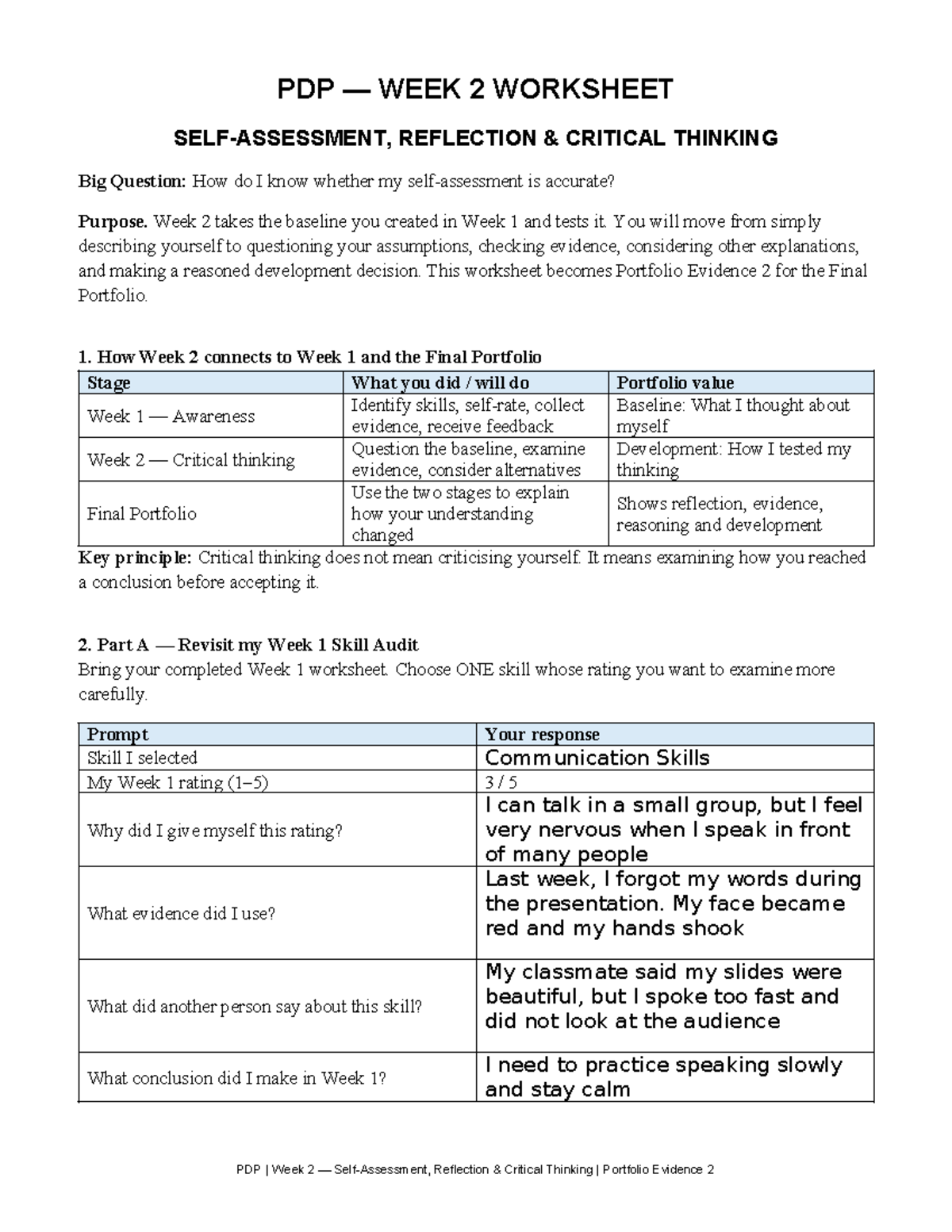
Critical thinking involves the ability to analyze information, make connections, and apply knowledge to new situations. For preschoolers, this means engaging in activities that challenge them to think beyond simple answers. The Critical Thinking For Preschoolers Worksheet is designed to guide children through various tasks that promote these skills.
You might wonder why critical thinking is so crucial at this stage. During preschool years, children’s brains are rapidly developing, and they are naturally curious about the world around them. By introducing critical thinking exercises early, you can help your child become a more effective learner and problem-solver.
Features of the Critical Thinking For Preschoolers Worksheet
This worksheet comes with a variety of activities specifically tailored for preschoolers. Some features include:
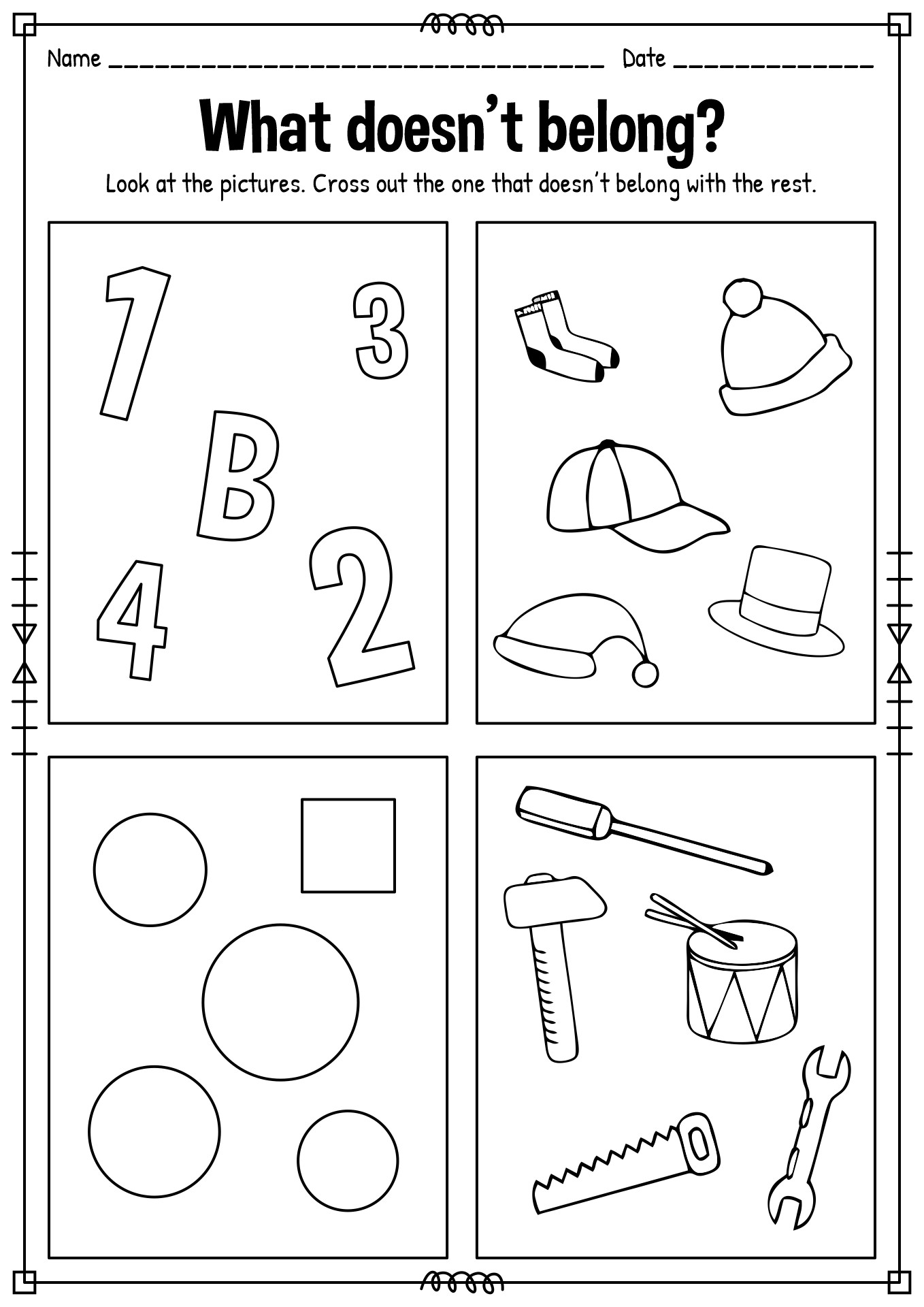
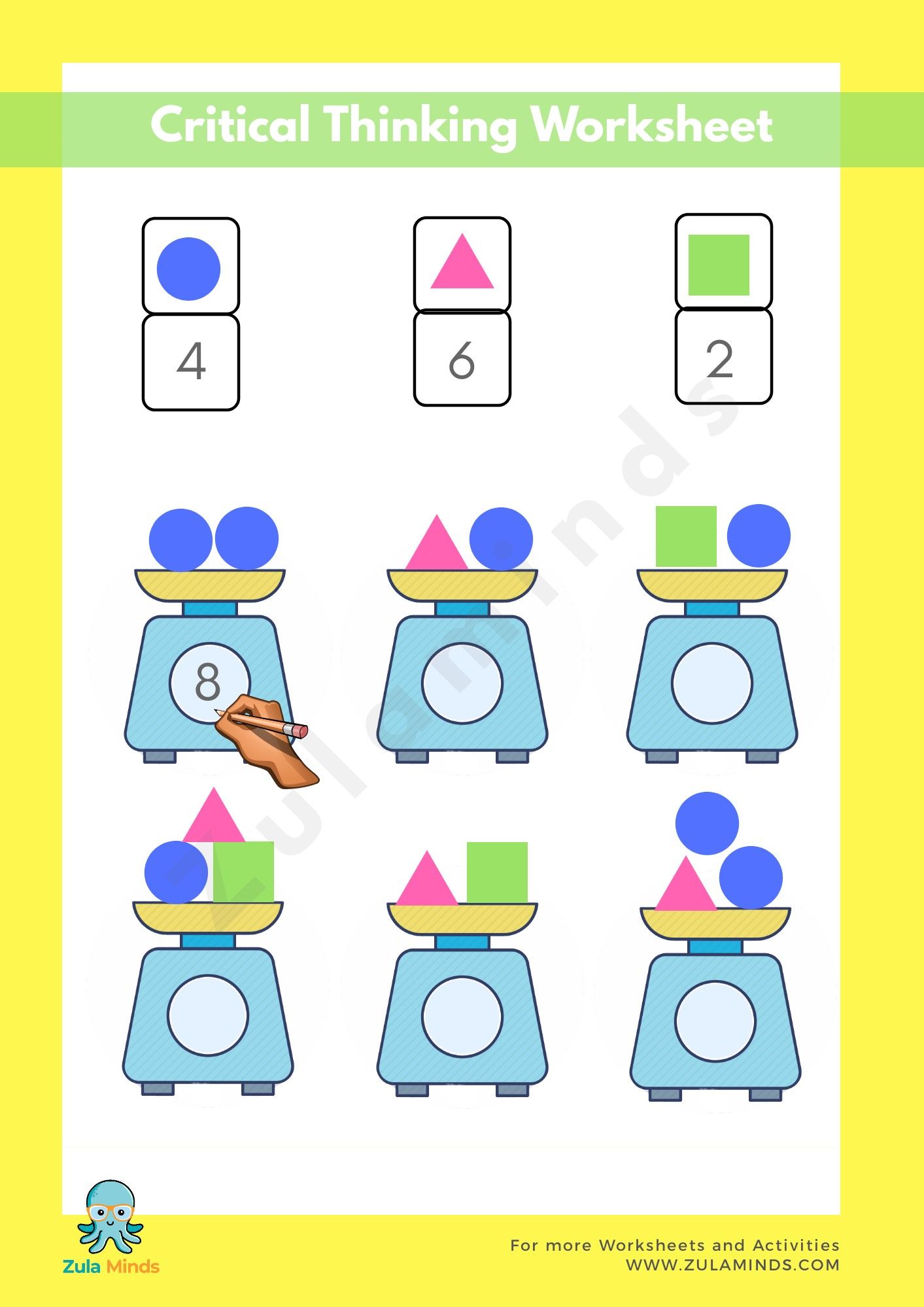
- Visual Puzzles: Engaging images that require children to identify patterns or differences.
- Scenario-Based Questions: Situations that prompt kids to think about what they would do in that scenario.
- Creative Drawing Sections: Areas where children can illustrate their answers, combining art with problem-solving.
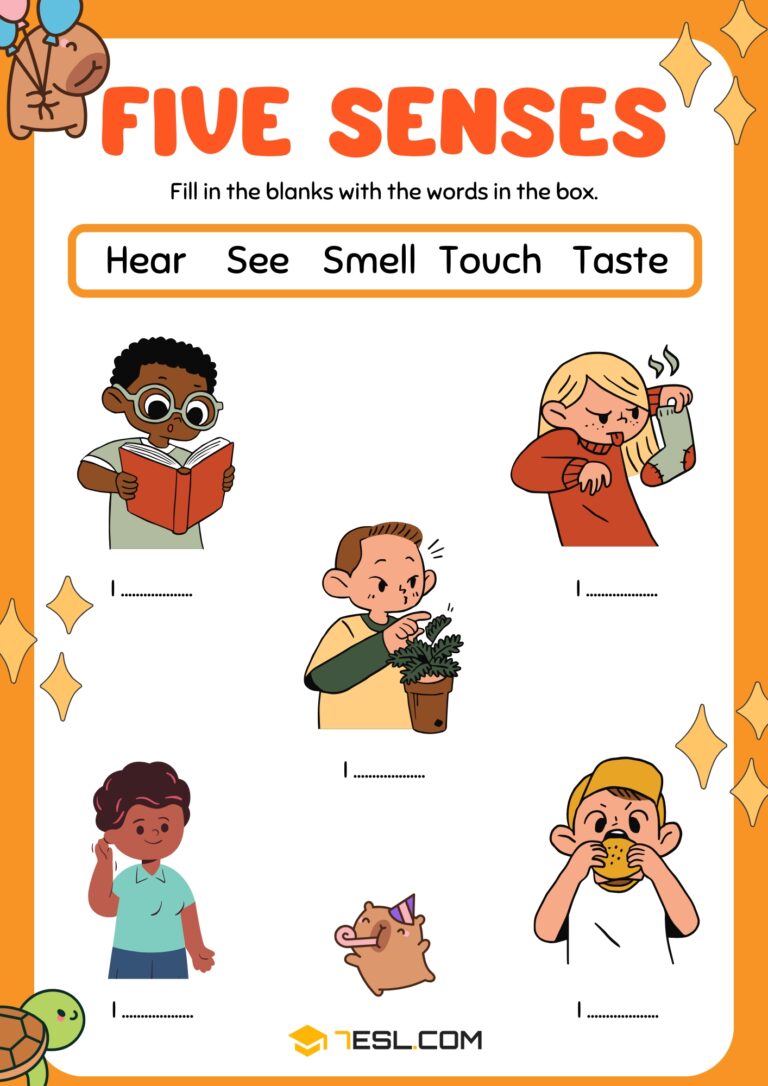
- Word Games: Simple word puzzles that challenge vocabulary and comprehension.
These elements are not only fun but also serve to reinforce critical thinking skills. As a parent, you can easily download and print the worksheet, making it accessible for everyday use.
How to Use the Worksheet Effectively
To get the most out of the Critical Thinking For Preschoolers Worksheet, follow these steps:
- Choose the Right Time: Set aside a quiet time when your child can focus without distractions. This could be during a calm afternoon or as part of your daily learning routine.
- Print the Worksheet: Use a standard A4 or letter-sized paper for easy printing. Make sure your printer settings are adjusted for the best quality to ensure all images and text are clear.
- Engage Together: Work through the worksheet alongside your child. This not only provides support but also encourages discussion about the tasks. Ask open-ended questions to stimulate their thought process, like “Why do you think that’s the answer?” or “What else could we do here?”
- Track Progress: Keep the completed worksheets in a folder to track your child’s progress over time. You can revisit them together to see how their thinking has evolved.
- Incorporate into Daily Life: Use the concepts learned in the worksheet during everyday activities. For example, while grocery shopping, you can ask your child to identify items by color or shape, reinforcing their observational skills.
Common Mistakes to Avoid
Using worksheets like the Critical Thinking For Preschoolers Worksheet can be incredibly beneficial, but there are a few pitfalls to avoid:
- Rushing Through Activities: Allow your child to take their time with each task. Quick answers often lead to missed opportunities for deeper thinking.
- Over-Helping: While it’s great to provide support, resist the urge to give away answers. Encourage your child to think through challenges themselves.
- Ignoring Feedback: After completing the worksheet, discuss what they enjoyed or found challenging. This feedback helps tailor future activities to their interests.
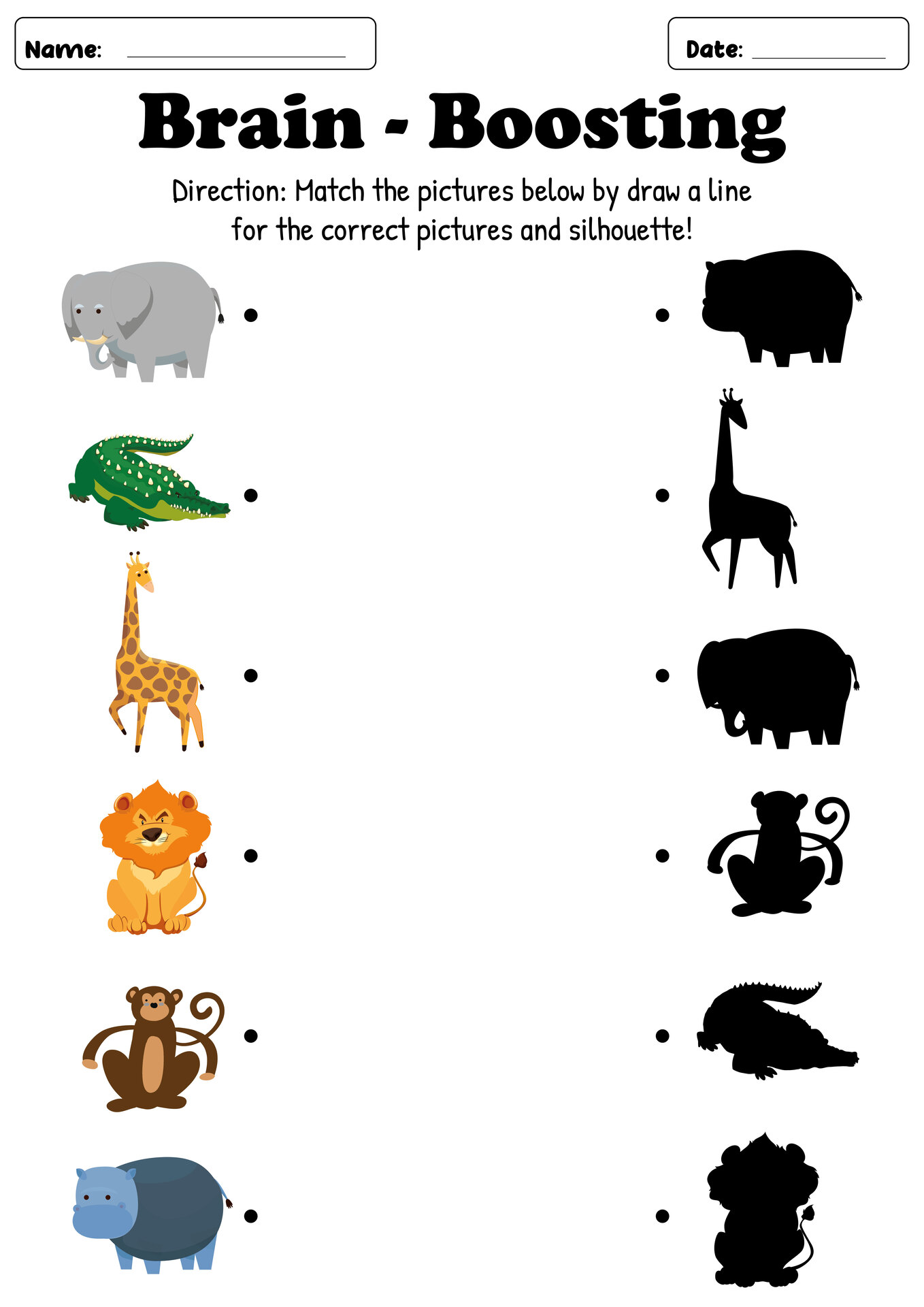
Additional Resources for Critical Thinking
While the Critical Thinking For Preschoolers Worksheet is an excellent starting point, you may want to supplement it with other resources. Consider exploring:
- Books: Look for storybooks that encourage problem-solving and critical thinking, such as those with interactive elements or moral dilemmas.
- Games: Board games and puzzles can also foster thinking skills in a fun and engaging way.
- Outdoor Activities: Nature walks or scavenger hunts can be excellent opportunities for children to observe and think critically about their environment.
By combining various resources, you can create a rich learning environment that nurtures your child’s critical thinking abilities.
Critical Thinking For Preschoolers Worksheet Gallery