Cut Out Worksheets For Preschoolers
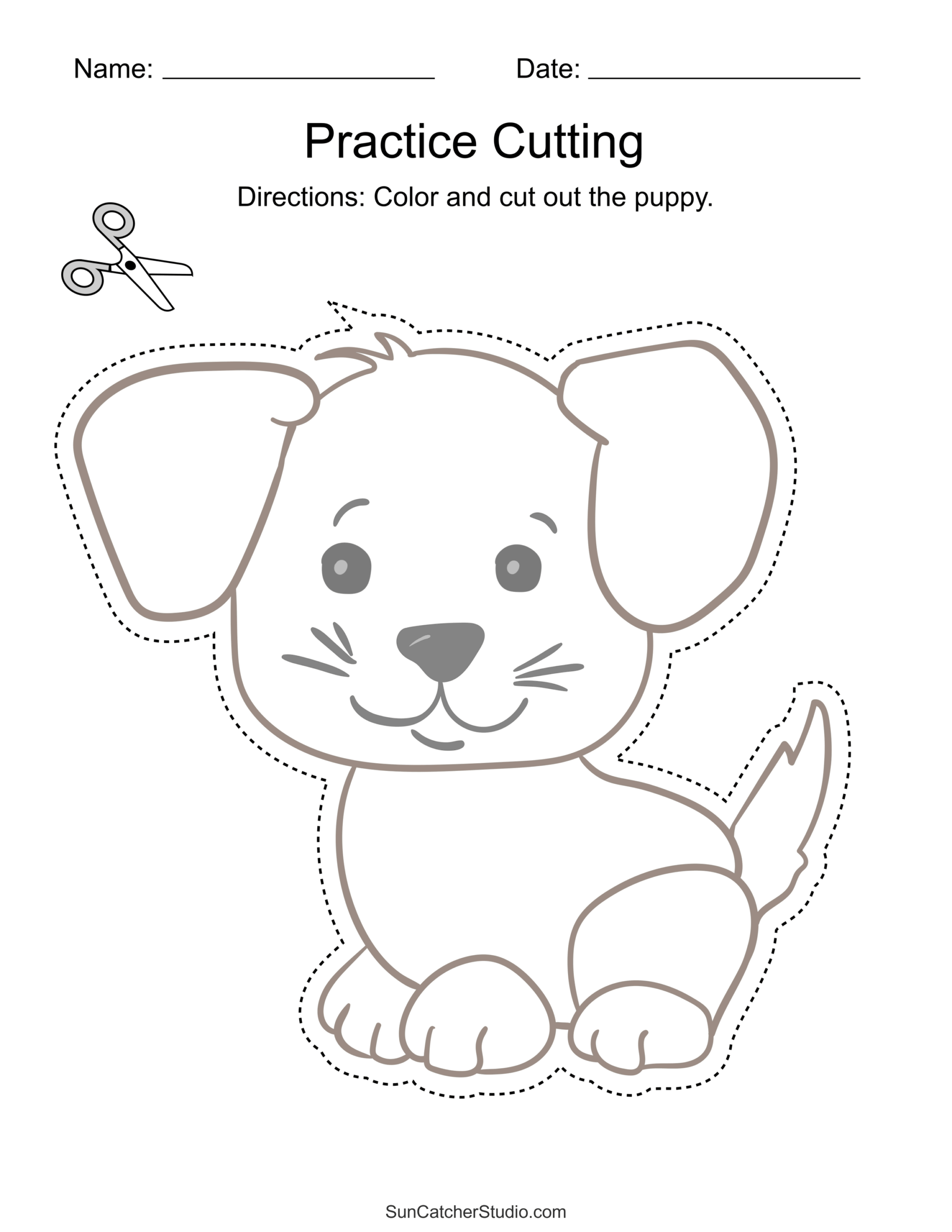
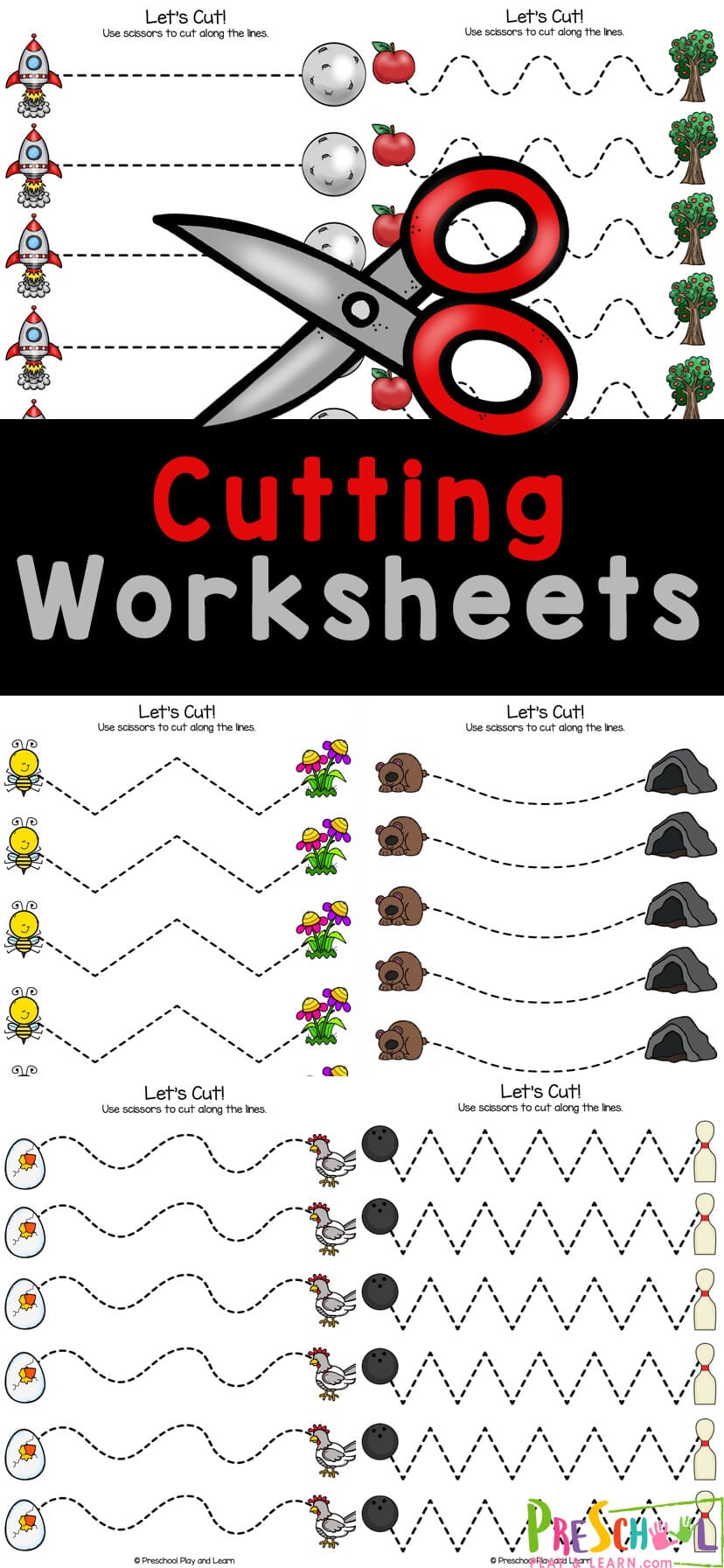
Cut Out Worksheets For Preschoolers can be an incredible resource for both parents and teachers looking to engage young children in learning through hands-on activities. These worksheets not only encourage creativity but also help develop fine motor skills. In this guide, I’ll walk you through the various types of cut out worksheets available, how to effectively use them, and practical tips to ensure they are a beneficial addition to your educational toolkit.
Types of Cut Out Worksheets
When it comes to cut out worksheets for preschoolers, there are several types you can choose from, each catering to different learning objectives:
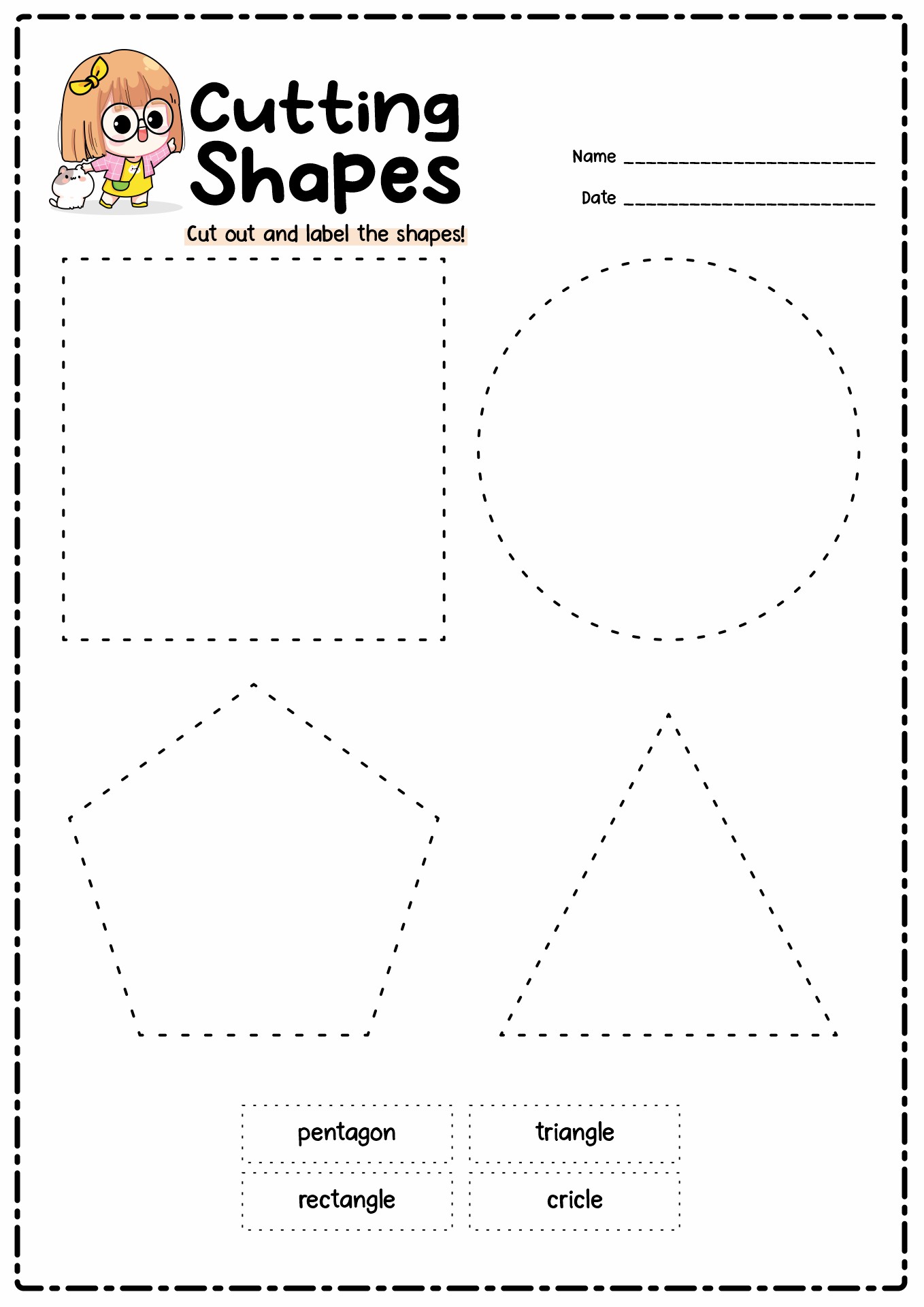
- Shapes and Colors: These worksheets typically feature basic shapes and colors that children can cut out and identify. This helps them learn about geometry and color recognition.
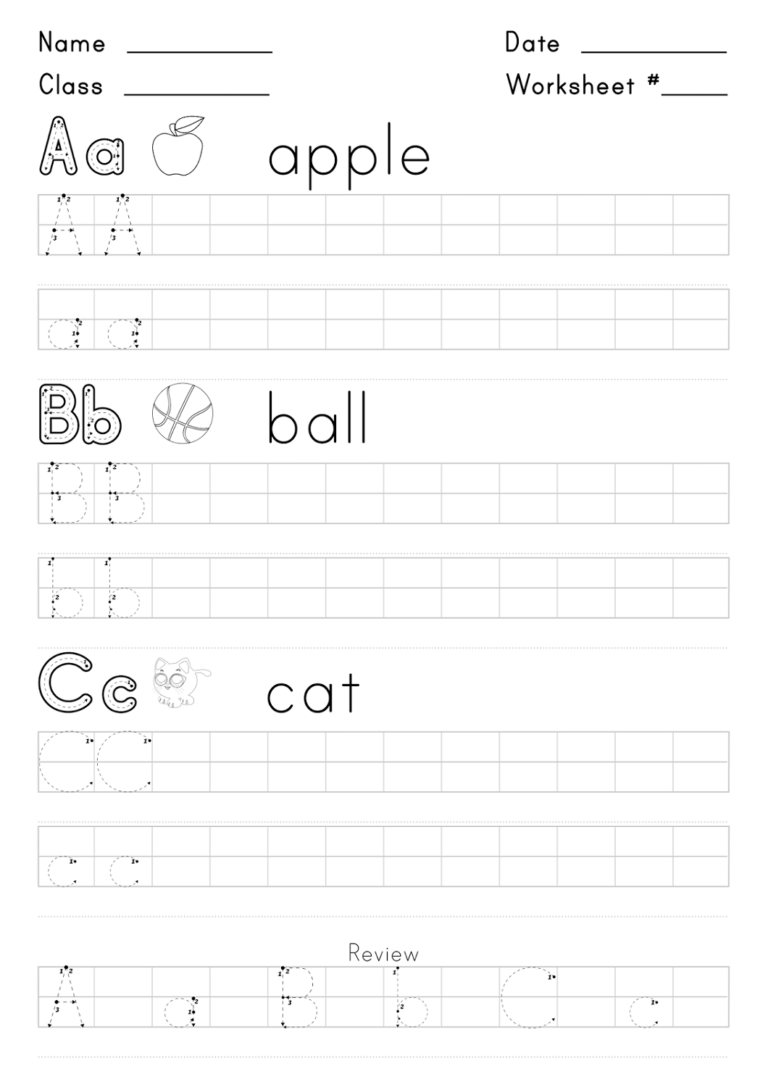
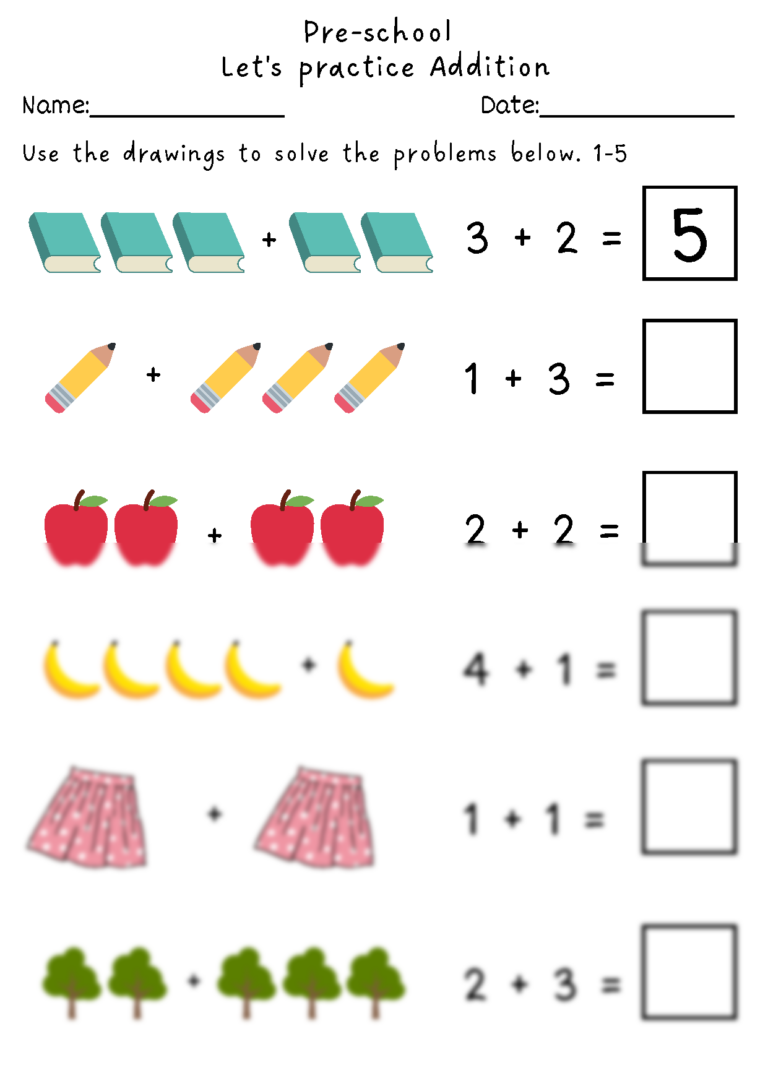
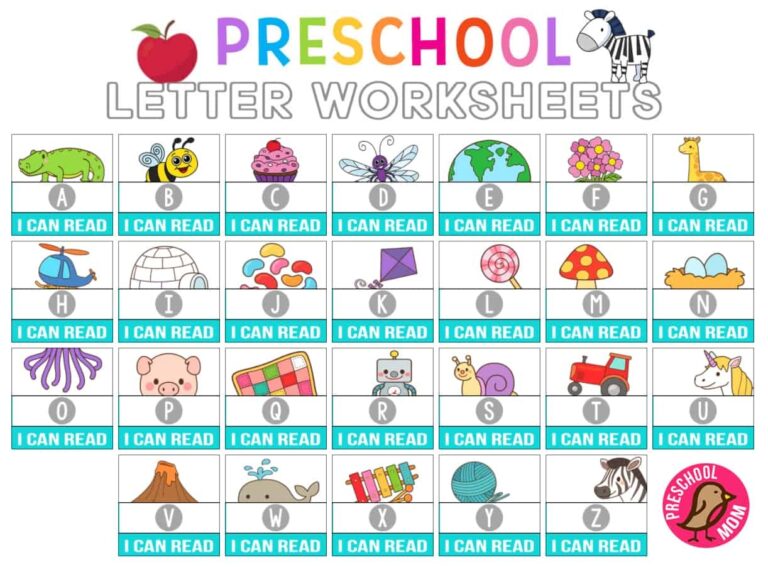
- Alphabet and Numbers: Worksheets that focus on letters and numbers often include fun illustrations that kids can cut out. This reinforces their understanding of the alphabet and counting.
- Themed Worksheets: Depending on the season or holiday, themed worksheets can be a great way to integrate learning with fun. Think cut outs of pumpkins for Halloween or snowflakes for winter.
- Story Elements: Some worksheets allow children to create their own stories by cutting out characters, settings, and objects. This encourages imaginative play and storytelling skills.
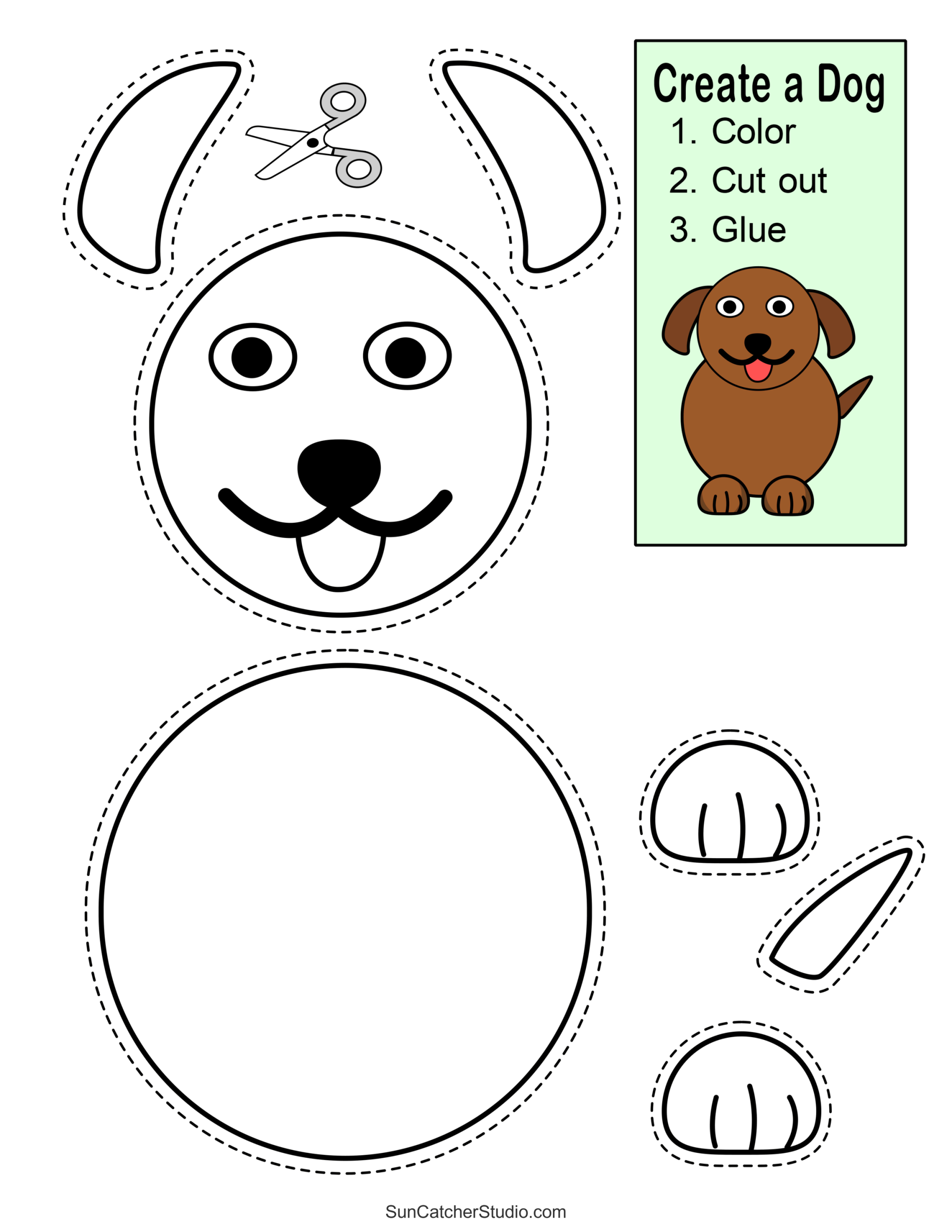
- Craft Activities: These worksheets often double as craft projects, where children cut out pieces to create 3D models or collages, enhancing their creativity and fine motor skills.
How to Use Cut Out Worksheets Effectively
To get the most out of cut out worksheets for preschoolers, consider the following practical tips:
- Choose the Right Material: If your child is new to cutting, start with thicker paper. Cardstock is a good option as it holds up well during cutting and can be used for more advanced projects later on.
- Set Up a Cutting Station: Create a designated area for cutting activities. Ensure that the space is comfortable and well-lit, and equip it with child-safe scissors.
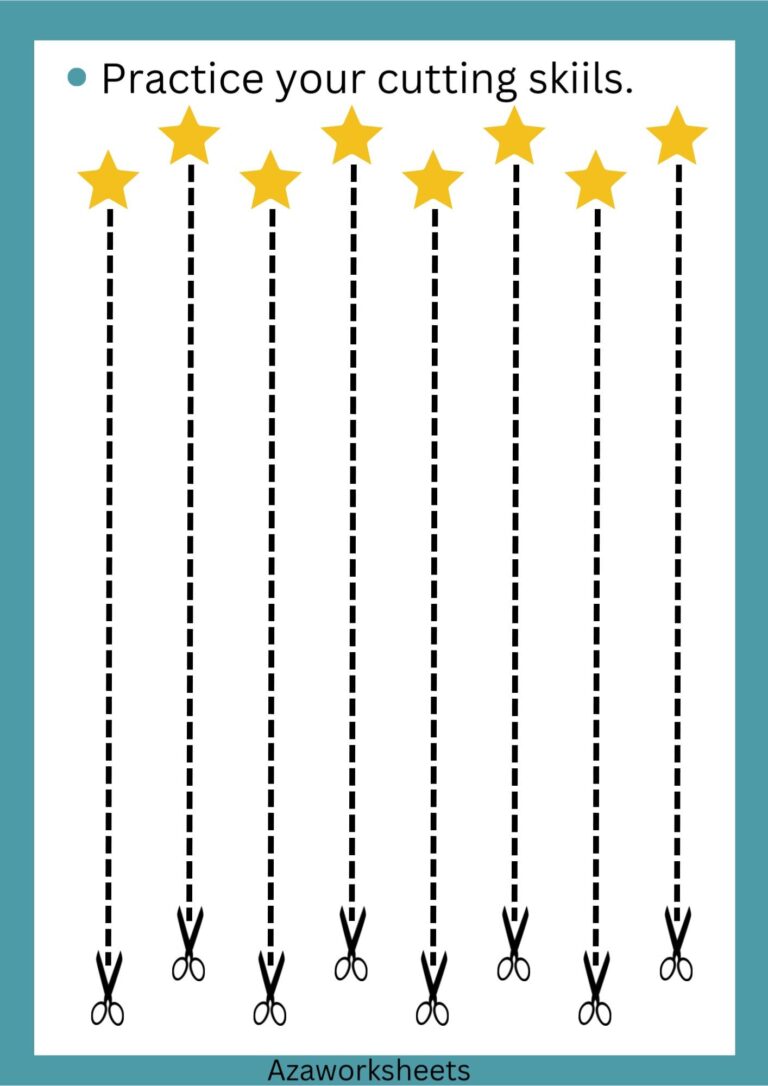
- Demonstrate First: Before letting your child dive in, demonstrate how to cut along the lines. Show them how to hold the scissors and paper correctly.
- Incorporate Learning: Use the cut out pieces as a springboard for further activities. For instance, after cutting out letters, ask your child to find objects around the house that start with those letters.
- Make It Interactive: Turn the cutting activity into a game. For example, you could create a scavenger hunt where they have to find and cut out specific shapes or letters.
Printing Options and Settings
When it comes to printing cut out worksheets, you’ll want to consider the following aspects for best results:
- Paper Size: Standard A4 or letter-sized paper works well for most worksheets. However, check the specific dimensions of the worksheet you’re downloading.
- Printer Settings: Ensure your printer is set to the correct paper size. If printing in color, choose the highest quality setting to ensure vibrant colors.
- PDF vs. Image Files: PDF files are often preferred for worksheets as they maintain formatting better than image files, reducing the likelihood of reformatting issues during printing.
- Test Print: Always do a test print on regular paper before using higher quality paper. This can help you check for alignment and formatting.
Common Mistakes to Avoid
While using cut out worksheets, it’s easy to overlook some details that can lead to frustration. Here are common mistakes to avoid:
- Not Using Child-Safe Scissors: Ensure the scissors are appropriate for your child’s age. Using regular scissors can be unsafe for young learners.
- Overloading with Instructions: Keep instructions simple and clear. Too many steps can overwhelm young children and detract from the fun.
- Ignoring Fine Motor Skill Development: If your child struggles with cutting, don’t skip this step. It’s essential for their development. You might want to start with larger cut outs that are easier to handle.
- Forgetting to Reinforce Learning: After the cutting activity, take time to discuss what they’ve cut out. This reinforces the learning aspect and makes the activity more meaningful.
Where to Find Cut Out Worksheets
There are numerous online resources where you can find a variety of cut out worksheets for preschoolers. Here are some recommended platforms:
- Printable Resource Websites: Websites dedicated to educational resources often offer a wide range of cut out worksheets. Look for those that allow for easy downloading and printing.
- Educational Blogs: Many parenting and teaching blogs share free printables as part of their content. These can be a great way to find unique worksheets.
- Social Media Groups: Join parenting or teaching groups on platforms like Facebook. Members often share resources, including worksheets they’ve created.
- Pinterest: A treasure trove of ideas, Pinterest is filled with links to educational resources. Searching for cut out worksheets can yield many useful results.
Final Tips for Engaging Preschoolers
To keep preschoolers engaged while using cut out worksheets, try these strategies:
- Mix and Match Activities: Pair cutting worksheets with other learning activities. For example, after cutting out shapes, let them glue the shapes on a larger sheet to create a collage.
- Use Rewards: Encourage your child with small rewards for completing worksheets, like stickers or extra playtime. This can motivate them to engage more actively with learning materials.
- Be Patient: Remember that every child learns at their own pace. Celebrate their progress, no matter how small, and provide positive reinforcement.
- Encourage Creativity: Allow your child to decorate their cut outs or use them in imaginative play. This fosters creativity and makes learning more enjoyable.
By incorporating cut out worksheets into your preschooler’s routine, you can provide them with a fun and educational experience that enhances their learning journey. Remember to tailor the activities to their interests and developmental level, and you’ll find these resources to be invaluable in fostering a love for learning.
Cut Out Worksheets For Preschoolers Gallery