Cutting Lines Worksheet For Preschool
Fine motor skills are essential for preschoolers, and a Cutting Lines Worksheet For Preschool is a fantastic resource to help develop these skills. This worksheet not only engages young learners but also provides a fun way for them to practice cutting straight and curved lines. In this guide, I’ll walk you through the benefits, usage, and tips for getting the most out of this resource.
Understanding the Cutting Lines Worksheet
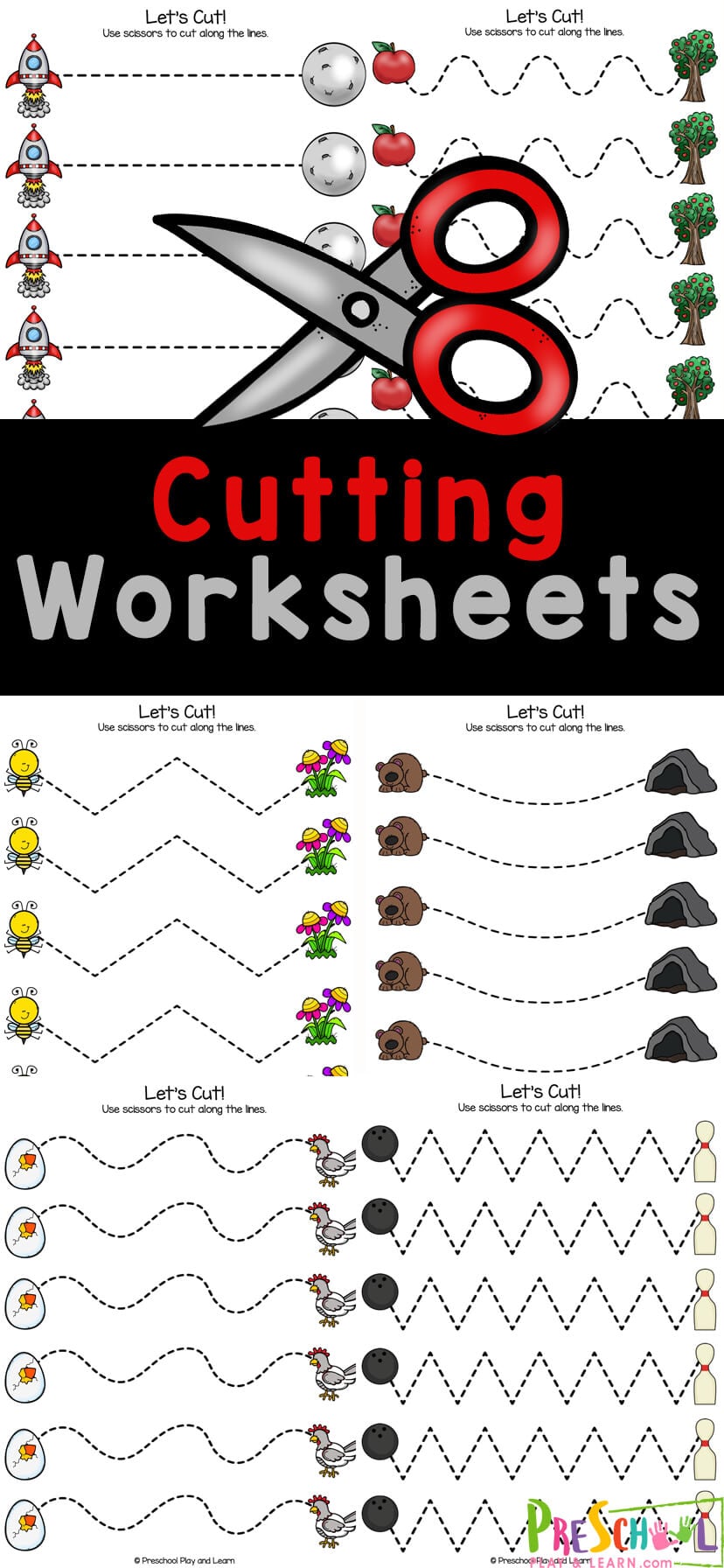
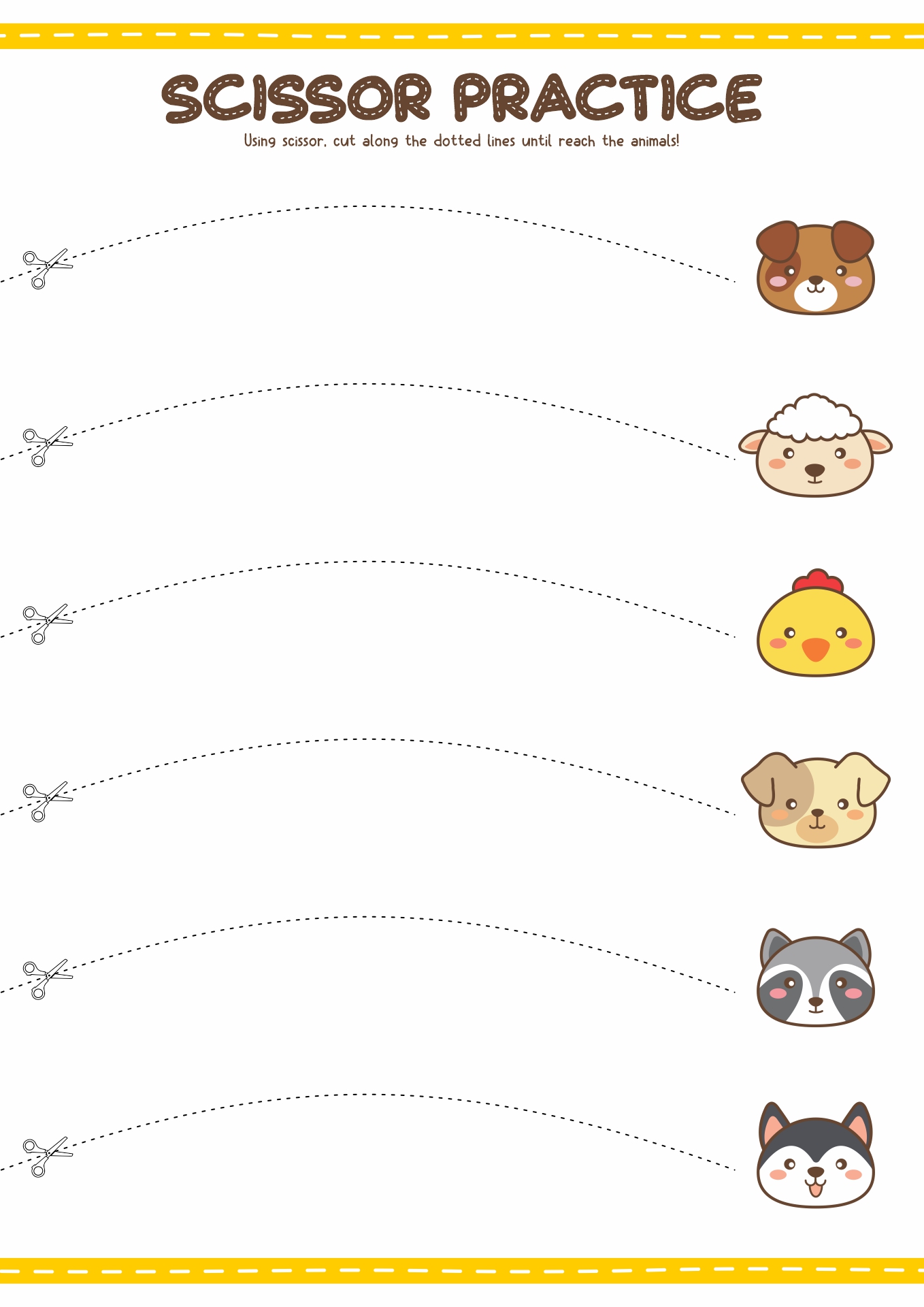
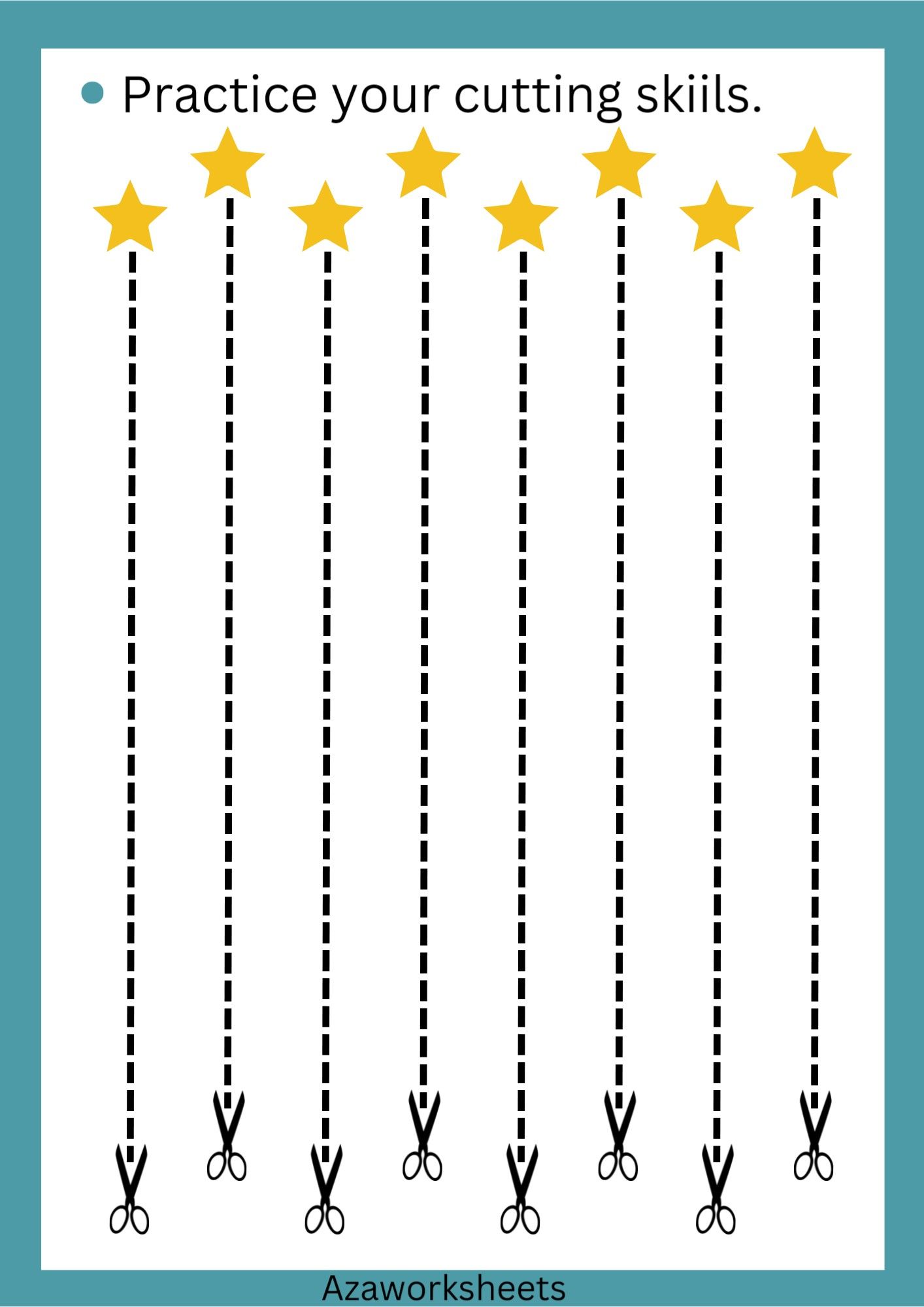
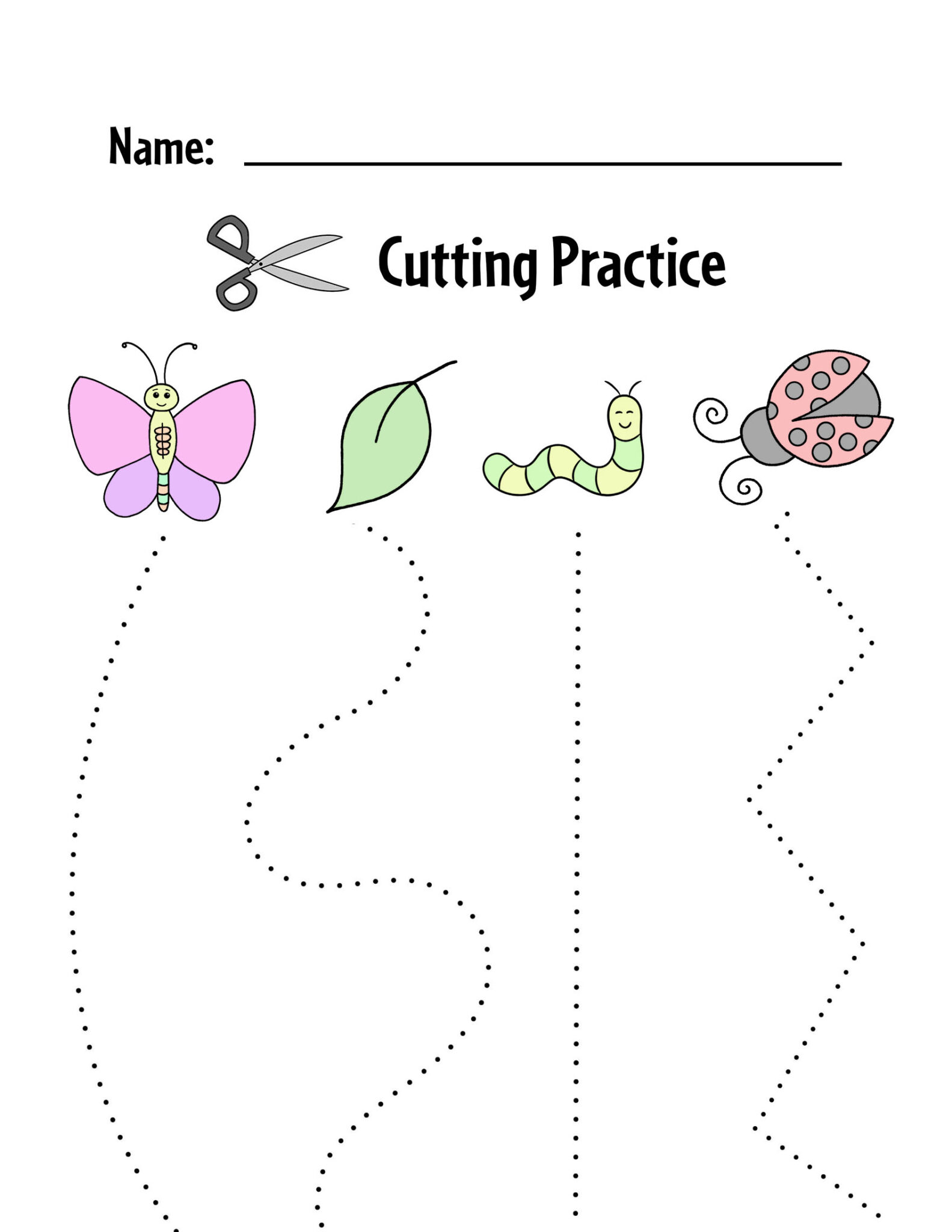
A Cutting Lines Worksheet typically features a variety of lines—straight, zigzag, and curved—designed for children to cut along. This activity helps enhance hand-eye coordination and grip strength, which are crucial for tasks like writing and drawing later on. These worksheets are perfect for preschoolers who are just beginning to explore using scissors.
You’ll find that these worksheets often come in PDF format, making them easy to download and print. This flexibility allows you to choose the best paper type, whether you want to use standard printer paper or something sturdier like cardstock. Cardstock holds up better if you plan to laminate the worksheets for repeated use.
Best Practices for Using the Worksheet
When using a Cutting Lines Worksheet, consider the following tips to maximize its effectiveness:
- Choose the Right Paper: Depending on your child’s cutting skills, you might want to use lightweight paper for beginners and heavier cardstock for more advanced scissor users.
- Scissor Selection: Safety scissors are ideal for young children. They are designed to cut paper without causing injury, which can help build confidence in using scissors.
- Demonstration: Before your child begins, demonstrate how to hold the scissors and guide them along the lines. This can help them understand the movement required.
- Encourage Practice: Repetition is key. Let your child practice on multiple worksheets to build their skills and confidence.
Digital Vs. Print Completion
When it comes to completing the Cutting Lines Worksheet, you have two options: digital and print. Both have their benefits, depending on your goals.
Digital Completion
If you opt for a fillable PDF version, your child can practice without using scissors. This can be beneficial for younger children who may not be ready to handle scissors yet. Digital worksheets allow for a clean, mess-free experience. They can also be reused multiple times without needing to print.
Print Completion
Printing the worksheet is ideal for hands-on practice. Children can physically cut the lines, which is essential for developing fine motor skills. You can print multiple copies for practice, and laminating the worksheets can allow for dry-erase markers to be used instead of cutting, giving more flexibility.
Incorporating the Worksheet Into Daily Routines
Integrating the Cutting Lines Worksheet into your daily routine can make learning fun. Here are a few ideas on how to do this:
- Morning Activity: Start the day with a cutting session. This helps children wake up their fingers and get ready for more complex tasks ahead.
- Incorporate into Art Projects: Use the cut lines as part of an art project. Children can cut out shapes and glue them onto a larger piece of paper to create a collage.
- Themed Days: Tie the cutting activity to a theme, like animals or seasons. You can find worksheets that reflect these themes, making the activity more engaging.
Adapting the Worksheet for Different Skill Levels
It’s important to recognize that not all preschoolers will have the same cutting skills. Here’s how to adapt the worksheet for different levels:
- Beginners: Start with simple, straight lines. Encourage them to practice cutting along these lines until they feel comfortable.
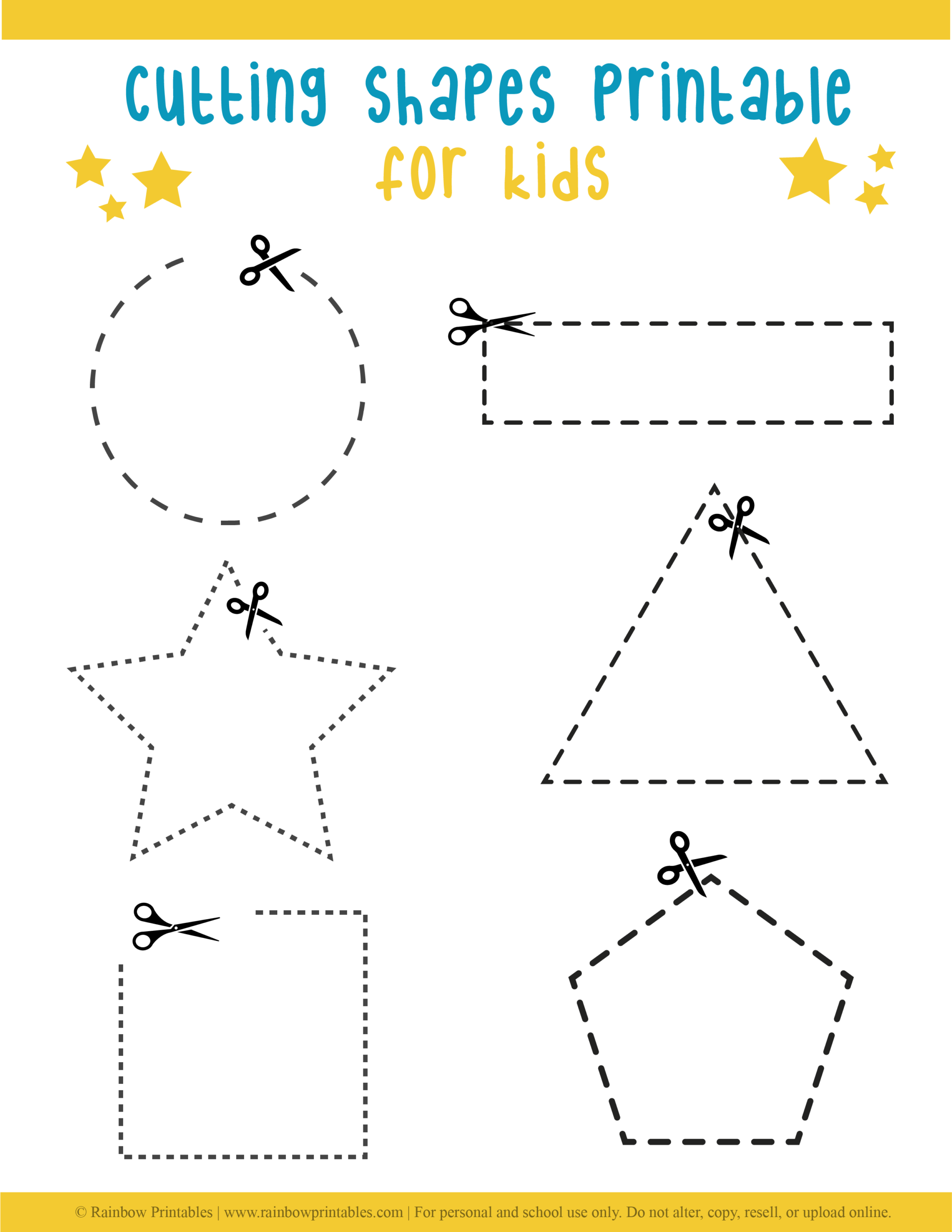
- Intermediate: Introduce more complex shapes, such as curves and zigzags. These shapes add an extra challenge and help refine their skills.
- Advanced: For those who are more confident, you can create custom worksheets with intricate designs or even allow them to create their own cutting lines.
Cutting Lines Worksheet For Preschool Gallery