Cutting Practice Worksheet For Preschool
When it comes to early childhood education, fine motor skills are crucial. That’s where a Cutting Practice Worksheet For Preschool comes in handy. This resource is designed specifically for young learners, helping them develop the dexterity and coordination needed for various tasks. Unlike many generic worksheets, this one offers a structured approach to cutting that can significantly aid in your child’s development.
Why Use a Cutting Practice Worksheet?
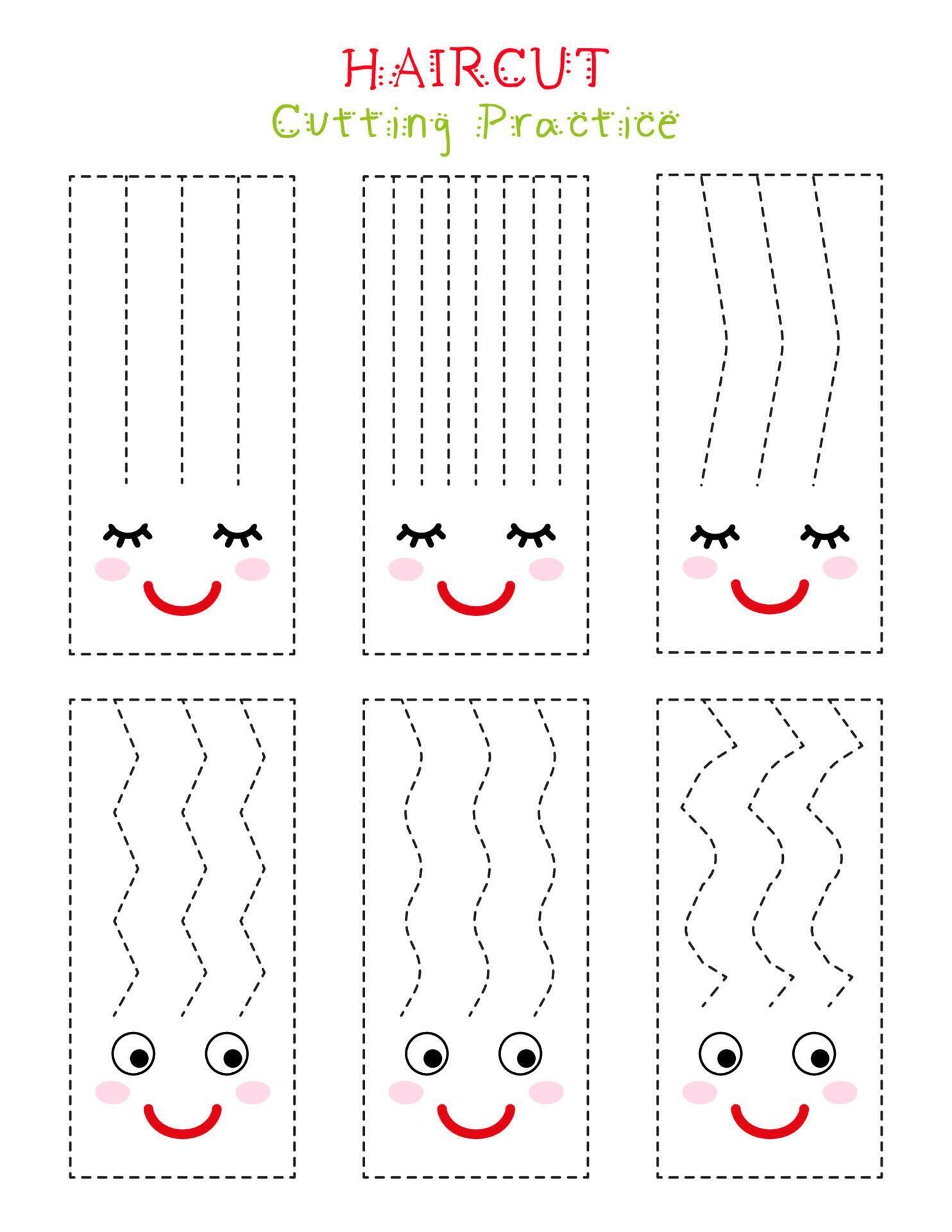
Using a cutting practice worksheet not only makes learning fun, but it also provides a safe and controlled environment for your preschooler to practice their skills. These worksheets typically include simple shapes, lines, and patterns that children can cut along, ensuring they are working on their precision and control.
One of the most appealing aspects of this worksheet is how it can be integrated into your daily routine. You might use it as a warm-up activity before starting a more complex craft or art project. Or, it can serve as a standalone activity during quiet time or as part of a learning center in your home or classroom.
Understanding the Layout and Sections
The layout of a typical Cutting Practice Worksheet For Preschool is designed to guide children through their practice step-by-step. Here’s what to expect:
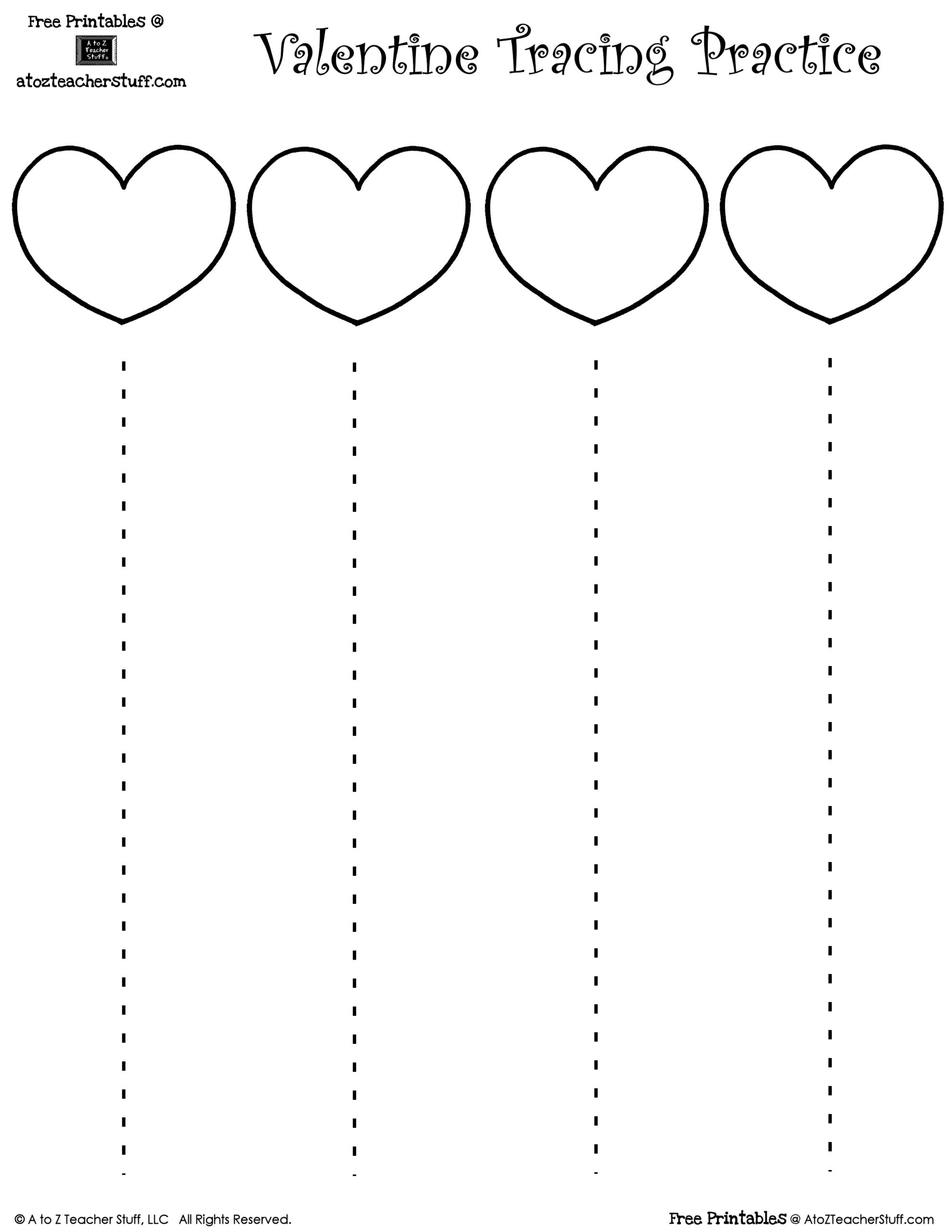
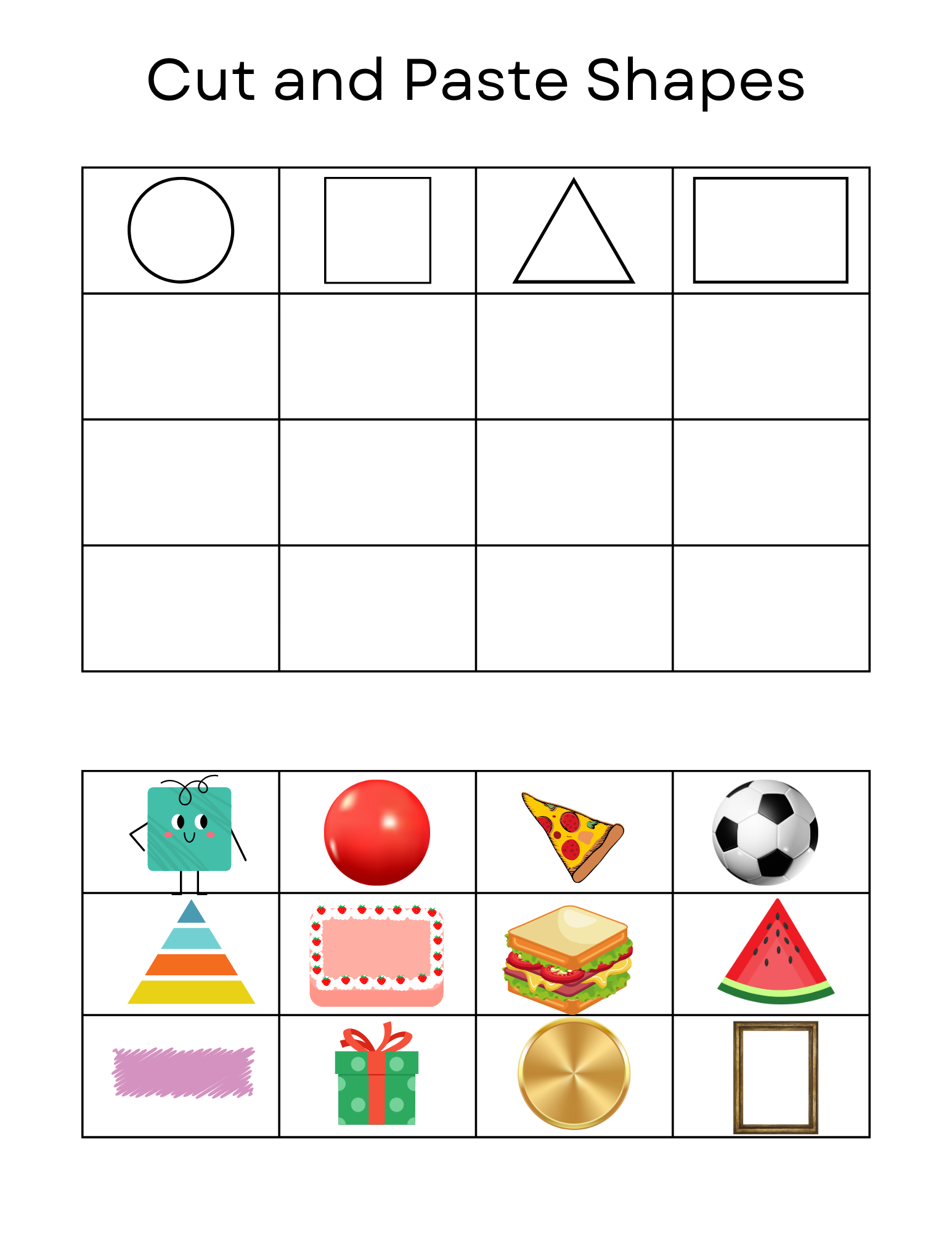
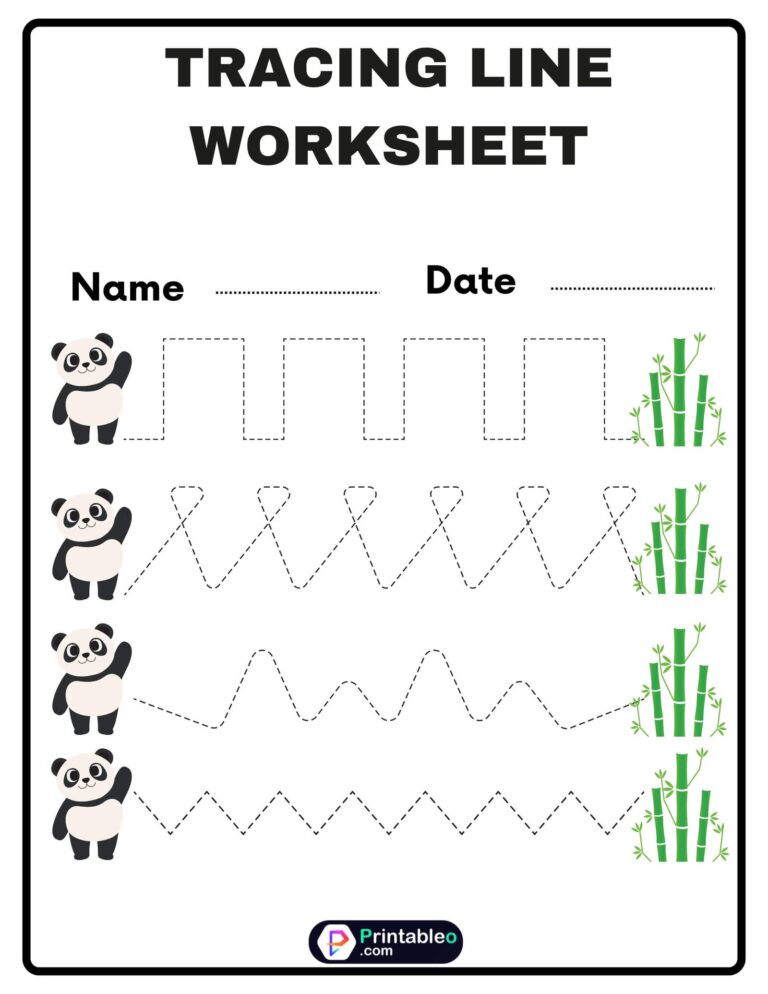
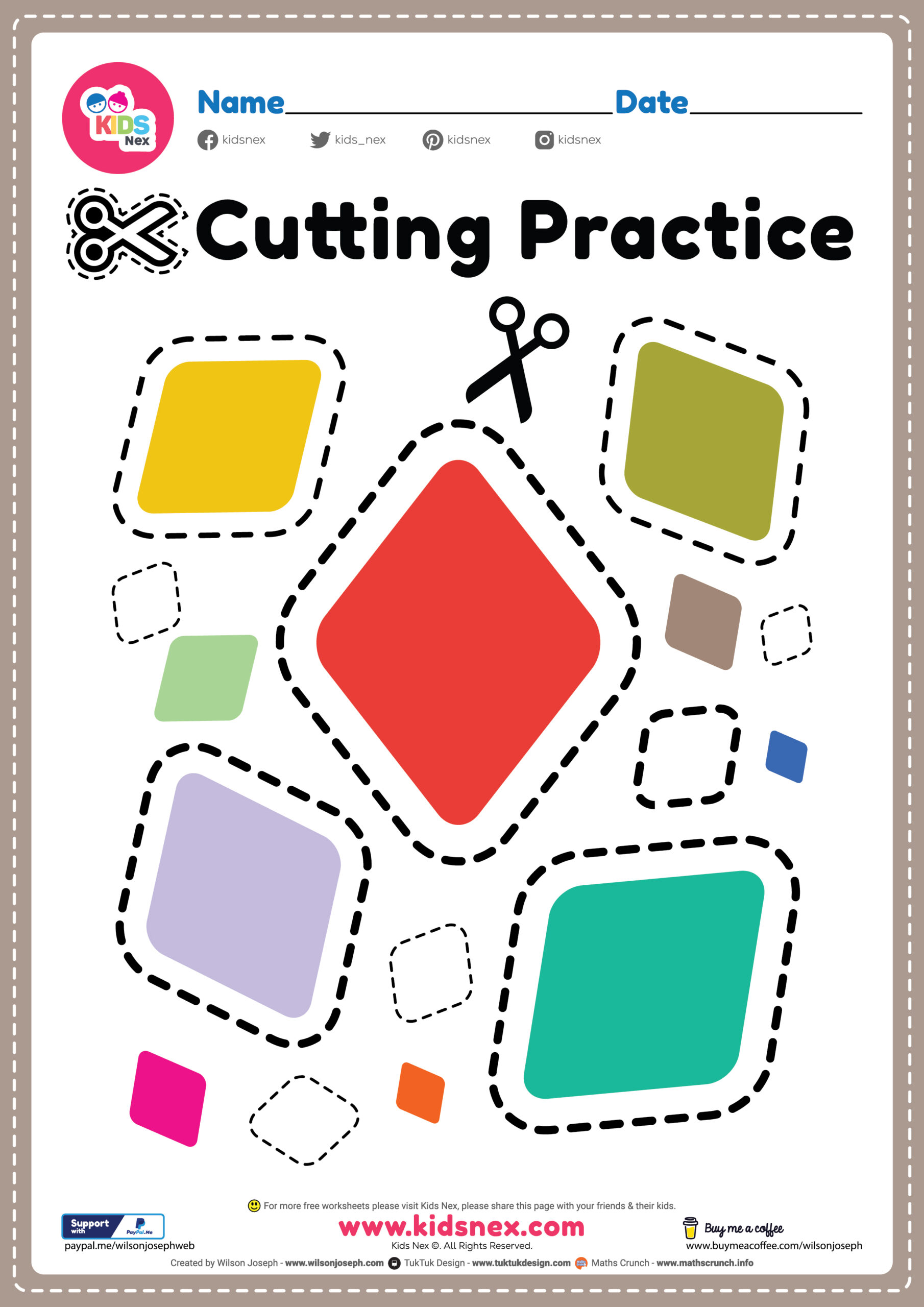
- Clear Lines and Shapes: The worksheet includes various lines and shapes that are easy to follow. This helps children understand where to cut and reinforces their understanding of following directions.
- Instructions: Look for simple, clear instructions at the top of the worksheet. These usually highlight what the child should do, such as “Cut along the dashed lines.” This clarity is essential for preschoolers who may not yet be able to read.
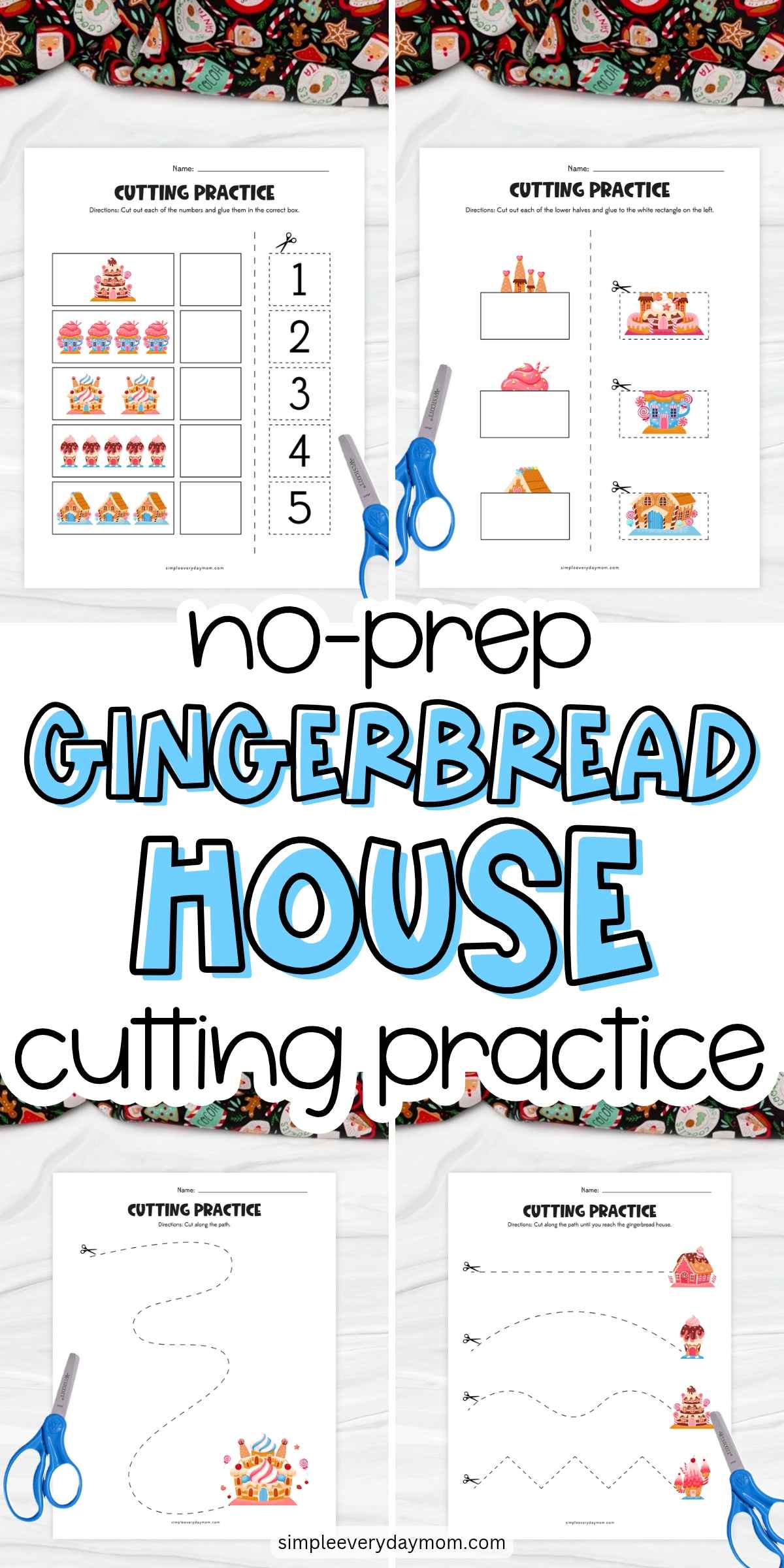
- Fun Themes: Many worksheets incorporate fun themes, like animals or seasonal motifs, which can make the activity more engaging. These themes often resonate with kids, making them excited to participate.
- Coloring Opportunities: After cutting, many worksheets encourage children to color in the shapes. This adds an extra layer of creativity and reinforces their fine motor skills through coloring.
Choosing the Right Materials
When preparing to use a Cutting Practice Worksheet For Preschool, the materials you choose can significantly impact the experience. Here are some suggestions:
- Paper Type: Standard printer paper is usually sufficient, but cardstock can offer a sturdier base if your child is a bit rough with their cutting.
- Scissors: Make sure to use child-safe scissors designed for small hands. These scissors often have rounded tips and are easier to grip, making the cutting process safer and more enjoyable.
- Crayons or Markers: If the worksheet includes coloring sections, have a variety of crayons or markers available. This allows your child to express their creativity and adds to the fun of the activity.
Tips for Effective Practice
To maximize the benefits of using a Cutting Practice Worksheet For Preschool, consider these practical tips:
- Model the Activity: Before handing the worksheet to your child, demonstrate how to cut along the lines. Show them the correct grip on the scissors and how to move the paper, which can make a significant difference in their success.
- Encourage Patience: Cutting can be challenging for young kids. Encourage them to take their time and not rush through the activity. Celebrate their efforts, regardless of the outcome.
- Create a Cutting Center: If you plan to use cutting worksheets regularly, consider setting up a dedicated space for cutting activities. This can include a small table with scissors, paper, and other supplies, making it easy for your child to access everything they need.
Incorporating Cutting Practice Into Daily Learning
Integrating cutting practice into your child’s daily learning routine can be seamless and fun:
- Arts and Crafts Projects: Use cutting worksheets as a preliminary exercise before diving into a larger arts and crafts project. This warms up their hands and prepares them for more complex tasks.
- Themed Learning Weeks: If your preschooler has a particular interest, like dinosaurs or space, find cutting worksheets that align with that theme. This not only makes the practice enjoyable but also ties it into their broader learning.
- Group Activities: If you’re a teacher or running a playgroup, consider using the cutting practice worksheet in a group setting. Children can work together, sharing scissors and helping each other with cutting techniques.
What to Look for in a Cutting Practice Worksheet
When selecting a Cutting Practice Worksheet For Preschool, keep an eye out for several key features:
- Age Appropriateness: Ensure that the worksheet is designed for preschoolers. It should have simple shapes and lines that match their skill level.
- Variety of Activities: A good worksheet will provide different types of cutting exercises, from straight lines to curves, helping to develop a range of skills.
- Visual Appeal: Bright colors and engaging themes can make cutting practice more inviting for young children. Look for worksheets that capture their interest.
- Durable Format: If possible, opt for worksheets that can withstand a bit of wear and tear. Laminating them can also allow for repeated use, making them a great investment.
The right Cutting Practice Worksheet For Preschool can be a powerful tool in your child’s early education toolkit. It provides a structured way to develop essential skills that will benefit them in various areas of learning. By focusing on clear layouts, appropriate materials, and integrating cutting practice into daily activities, you can foster an environment where your preschooler thrives.
One additional detail to consider is the potential for laminating the worksheet. This allows your child to use dry-erase markers, making the activity reusable and providing a fun twist on traditional cutting practice.
Cutting Practice Worksheet For Preschool Gallery