Days Of Week Preschool Worksheets
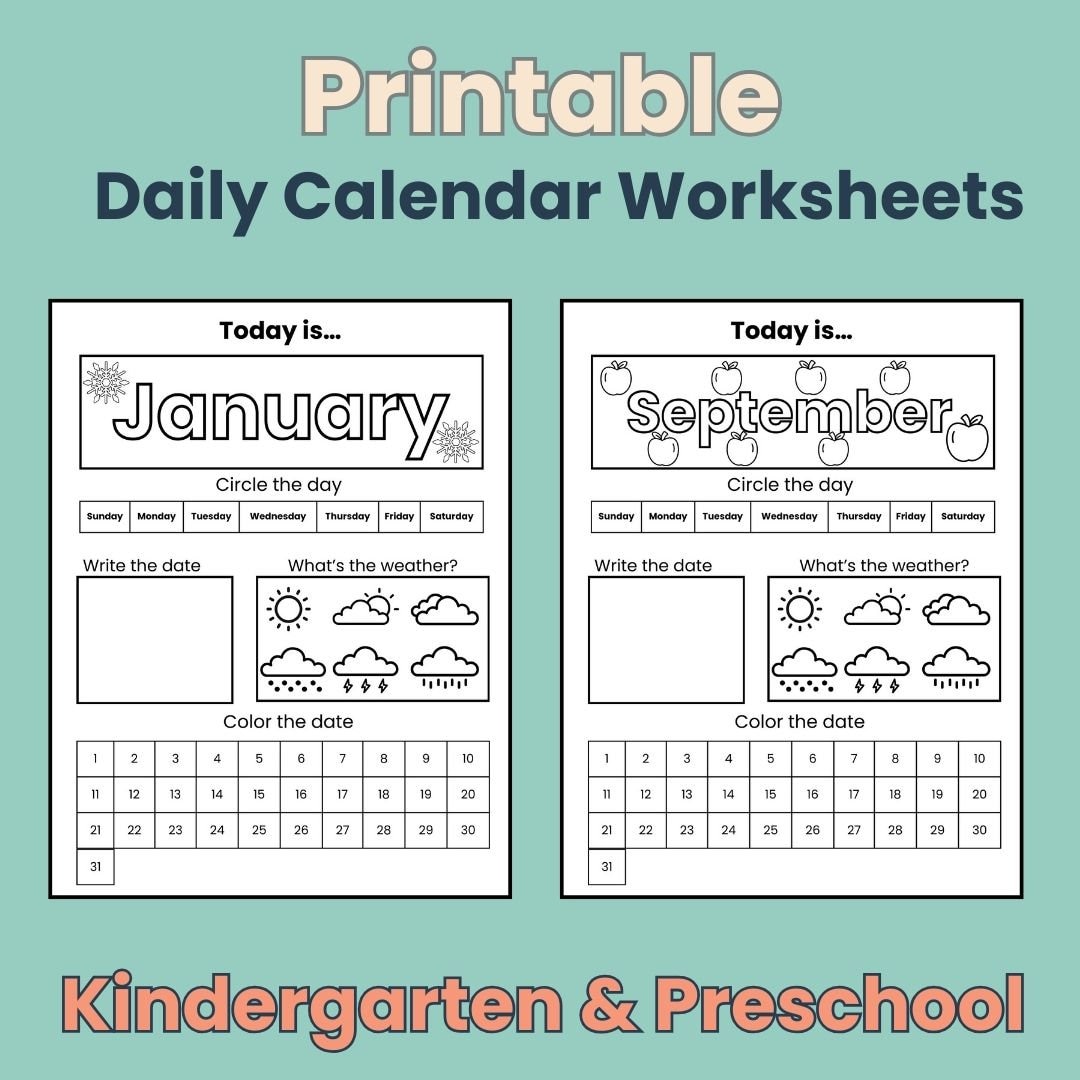
Learning the days of the week is an essential skill for preschoolers, and using Days Of Week Preschool Worksheets can make this learning process enjoyable and effective. These worksheets are designed to help young children identify, memorize, and understand the concept of days while enhancing their fine motor skills through various activities. In this article, I’ll guide you through the types of worksheets available, how to use them, and tips for incorporating them into your daily routine.
Types of Days Of Week Preschool Worksheets
When exploring Days Of Week Preschool Worksheets, you’ll find a variety of formats and activities. Here are some common types you can expect:
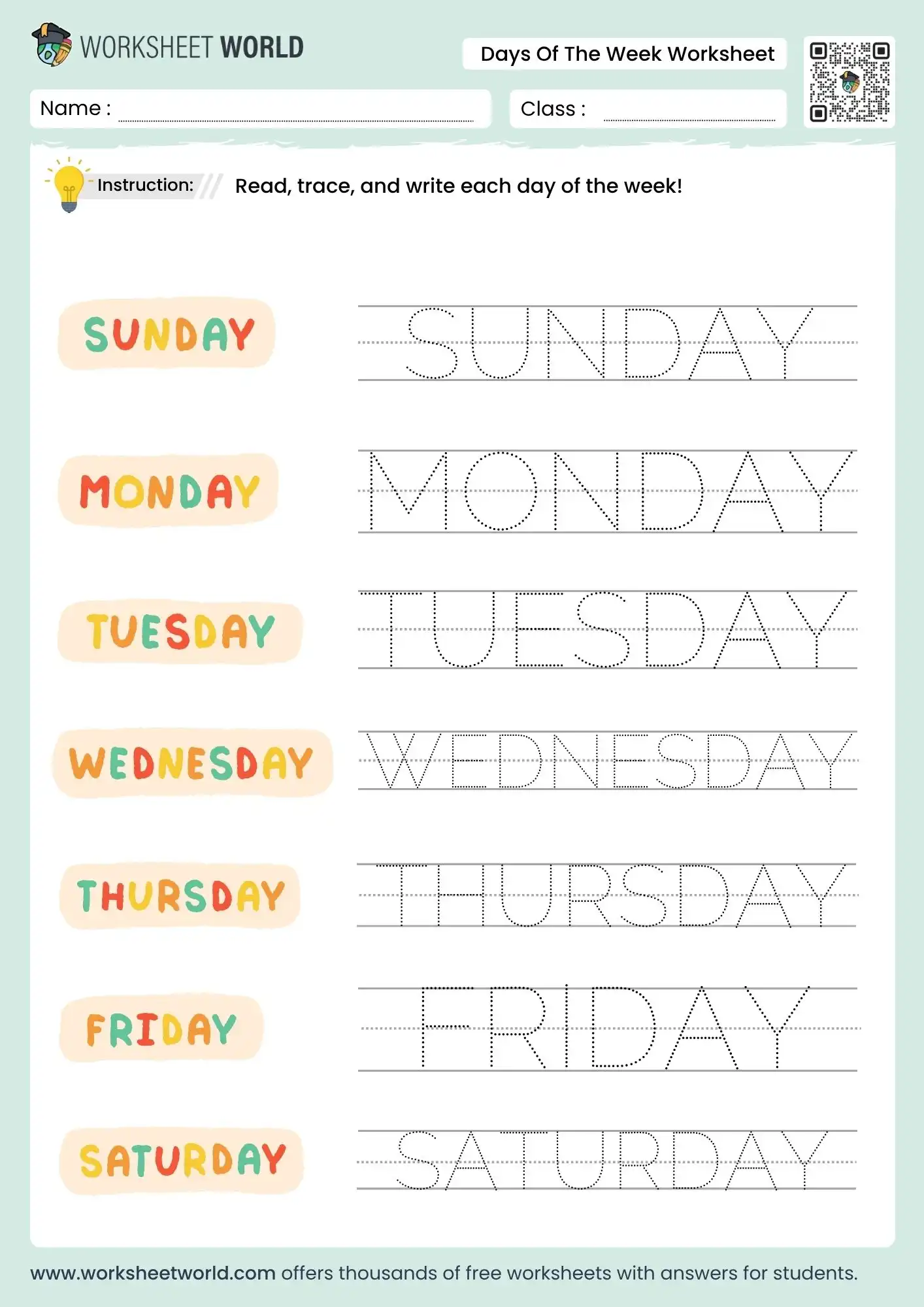
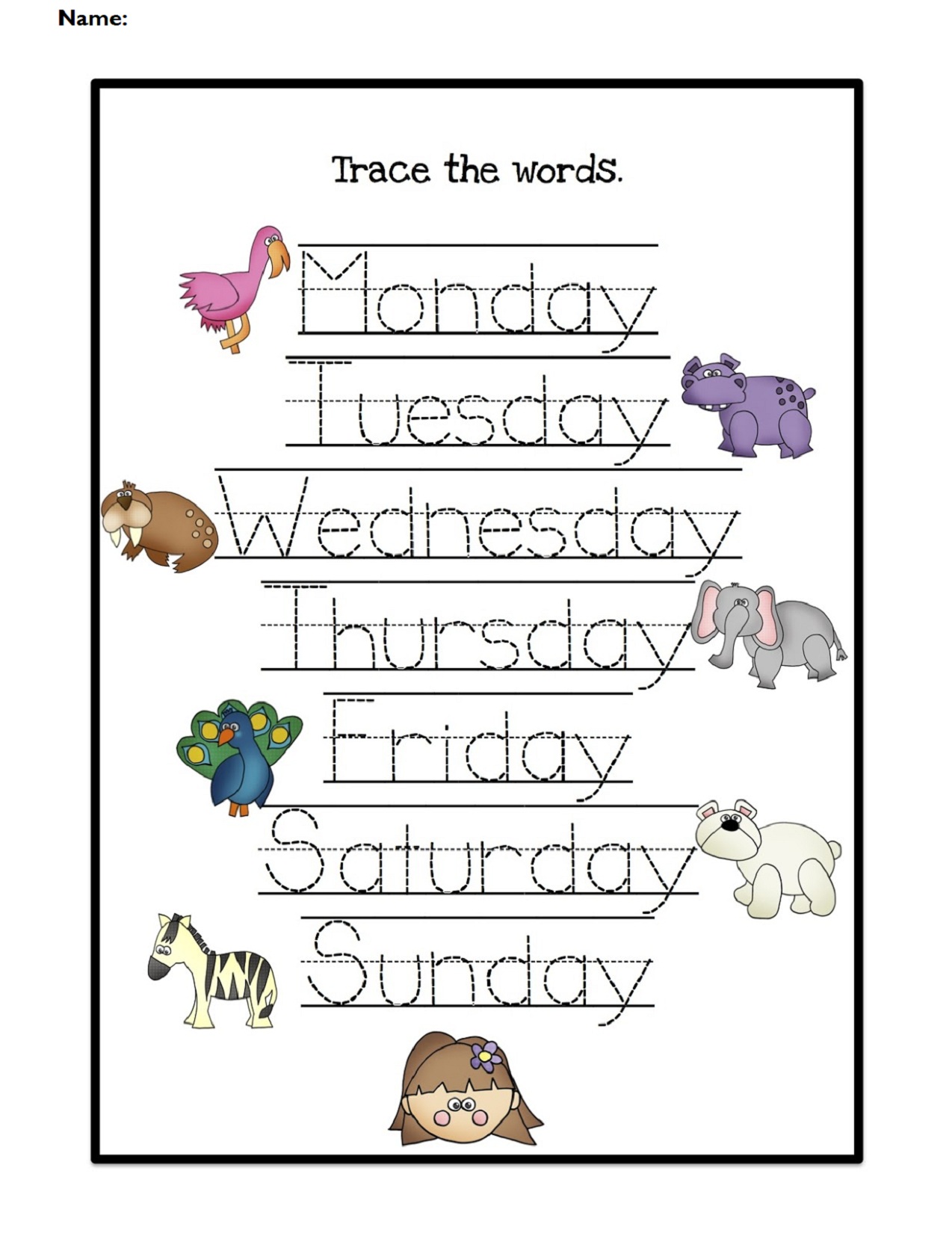
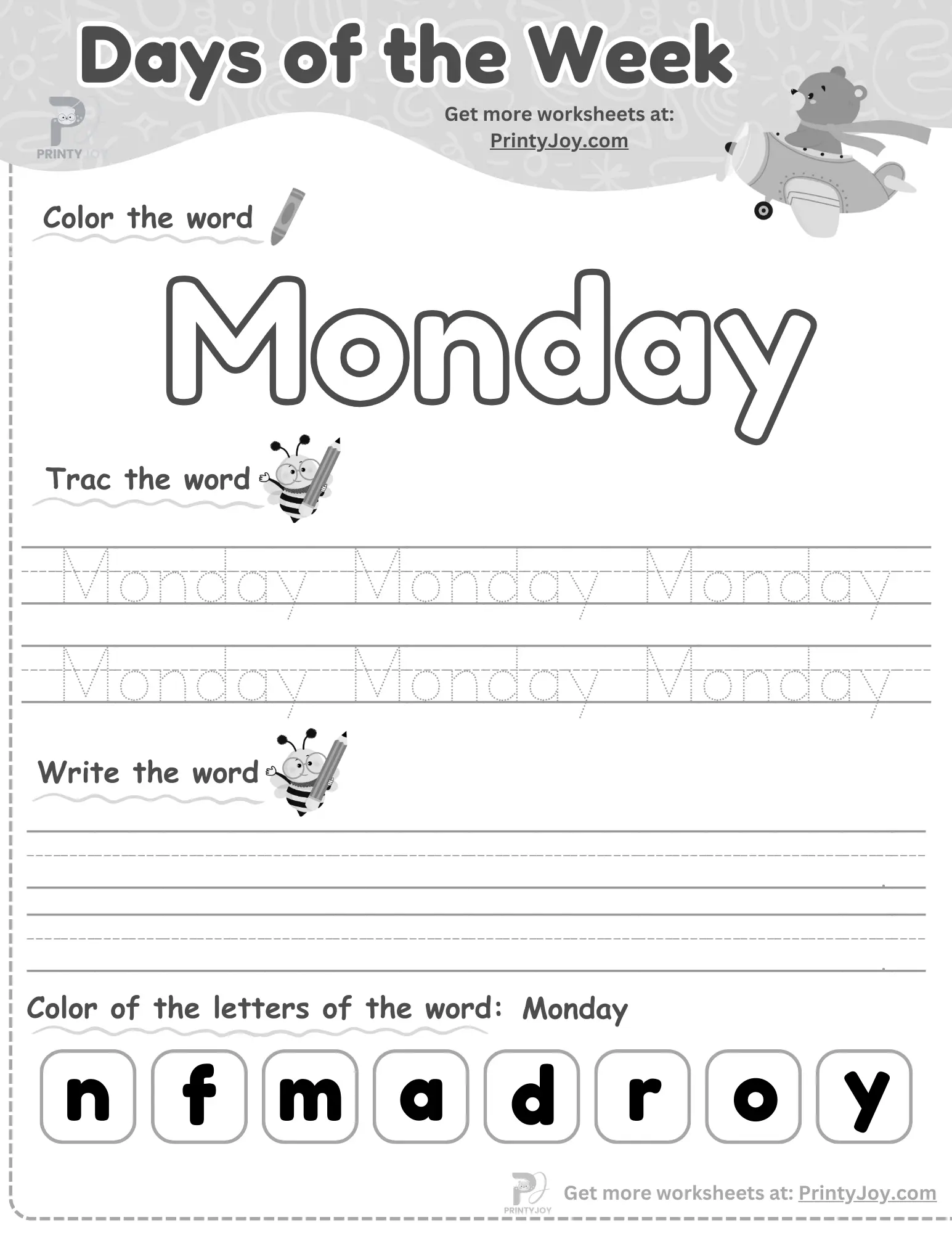
- Tracing Worksheets: These worksheets allow children to trace the names of the days, which helps improve their writing skills. The letters are often dotted or highlighted for easy following.
- Coloring Pages: Engaging coloring pages related to each day can make learning fun. These might include illustrations that represent activities typically done on those days (like going to school on Monday or having a family day on Sunday).
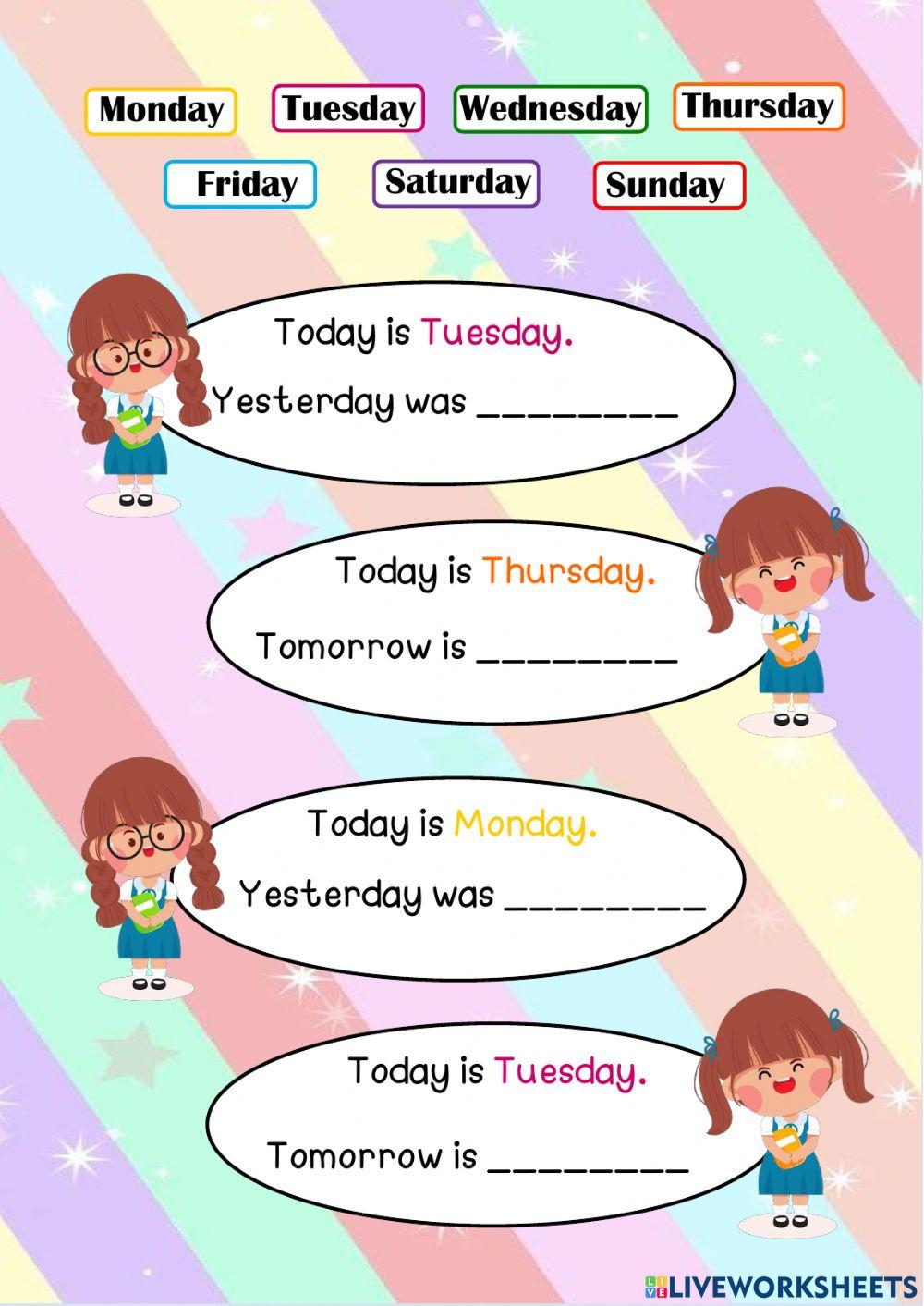
- Fill-in-the-Blank Worksheets: These worksheets prompt children to fill in missing letters from the days of the week, reinforcing their spelling and recognition skills.
- Matching Activities: In these worksheets, children can match the day names with corresponding images or activities, aiding in comprehension and memory retention.
- Cut and Paste Worksheets: These hands-on activities require children to cut out the days of the week and paste them in the correct order, enhancing fine motor skills while reinforcing the sequence of the days.
By selecting a mix of these types, you can cater to different learning styles and keep your preschooler engaged.
How to Use Days Of Week Preschool Worksheets Effectively
Once you’ve selected the worksheets that best suit your child’s needs, it’s essential to consider how to use them effectively. Here are some practical tips:
- Routine Integration: Incorporate the worksheets into your daily schedule. For instance, you can use a tracing worksheet every Monday morning to start the week off right. This not only reinforces learning but also establishes a routine.
- Interactive Learning: Instead of simply filling out worksheets, turn them into interactive sessions. Ask your child questions about each day, like what they usually do on that day, to enhance their understanding.
- Reward Progress: Celebrate small achievements. When your child completes a worksheet, praise them or offer a small reward. This positive reinforcement can motivate them to engage more with the material.
- Create a Learning Corner: Set up a dedicated space in your home where your child can work on these worksheets. This helps create a focused environment that’s conducive to learning.
- Use Visual Aids: Supplement the worksheets with visual aids such as a wall calendar. This can help your child relate the worksheets to real-life scenarios and further reinforce their learning.
Downloading and Printing Your Worksheets
Finding the right worksheets is only part of the process; downloading and printing them correctly is crucial for usability. Here are some tips:
- File Format: Ensure that the worksheets are in PDF format. PDF files maintain their layout, making them ideal for printing without formatting issues.
- Paper Choice: Use standard A4 or letter-sized paper for printing. If you plan to use the worksheets multiple times or want them to last longer, consider printing on cardstock.
- Printer Settings: Set your printer to print in portrait mode for standard worksheet layouts. If your printer allows, opt for a high-quality print setting to ensure clear text and images.
- Check for Bleed: Before printing, check the worksheet’s borders. Some designs may have a bleed area that should be trimmed if you want a clean edge.
- Laminating for Reuse: If you’d like to use the worksheets repeatedly, consider laminating them. This way, your child can use dry-erase markers to fill them out and wipe them clean afterward.
Engaging Activities Beyond Worksheets
While worksheets are a fantastic resource, incorporating other activities can further reinforce your child’s understanding of the days of the week. Here are some engaging ideas:
- Daily Discussions: At the start of each day, discuss what day it is and what activities are planned. Reinforce this by referring to the worksheets you’ve used.
- Sing Songs: There are many catchy songs available that teach the days of the week. Singing these can make learning memorable and fun.
- Interactive Games: Create a game where your child has to place the days of the week in the correct order. You can use cards or even a digital app to facilitate this.
- Visual Calendar: Use a large calendar where your child can mark off each day or add stickers related to activities planned for each day. This visual representation helps solidify their understanding.
- Storytime: Read books that incorporate the days of the week into their stories. This can provide context and help your child connect their learning with real-life scenarios.
Using Days Of Week Preschool Worksheets effectively can set a strong foundation for your child’s understanding of time and organization. By integrating these worksheets into your daily routine and complementing them with engaging activities, you can provide a well-rounded learning experience.
One great tip is to combine the worksheets with a family activity on Sundays, like planning the week ahead together. This not only reinforces the learning but also builds family bonds.
Days Of Week Preschool Worksheets Gallery