Deduction And Reasoning Worksheet Preschool
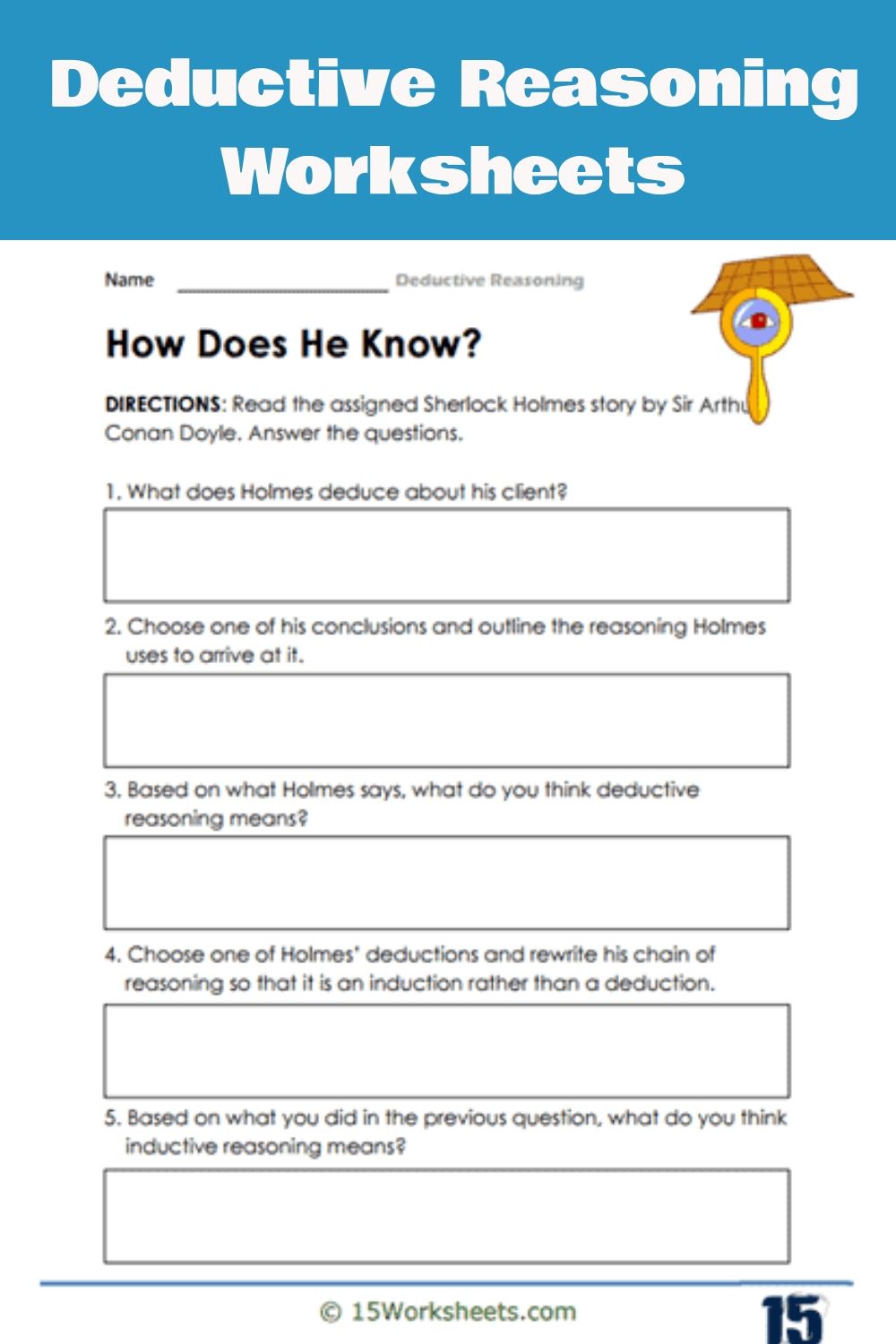
When it comes to helping preschoolers develop their critical thinking skills, a well-designed Deduction And Reasoning Worksheet Preschool can make all the difference. This type of worksheet not only engages young minds but also fosters essential reasoning skills through fun and interactive activities. Unlike other generic worksheets, this one focuses specifically on deduction, encouraging children to think logically and make connections between different pieces of information.
Understanding the Layout of the Worksheet
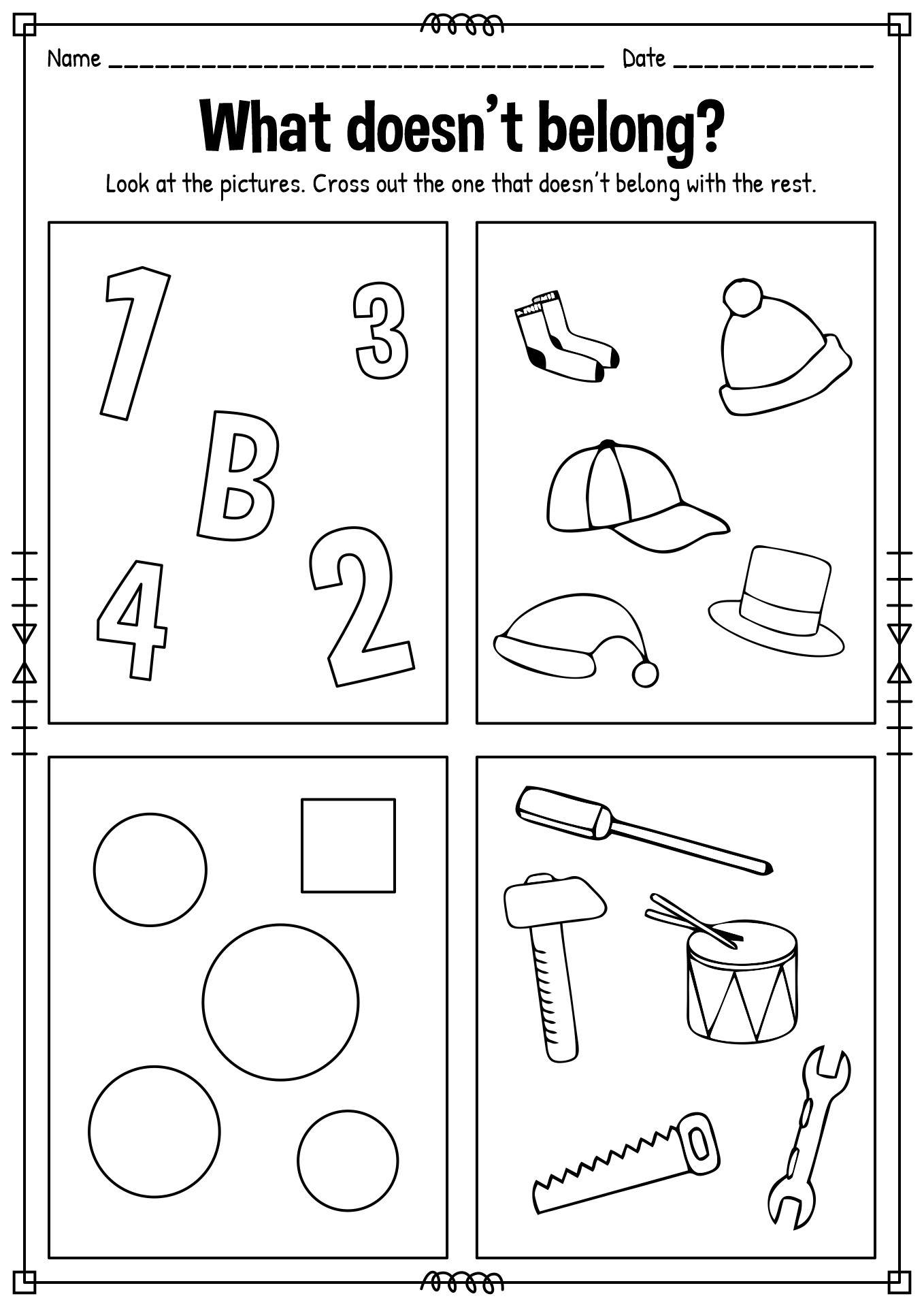
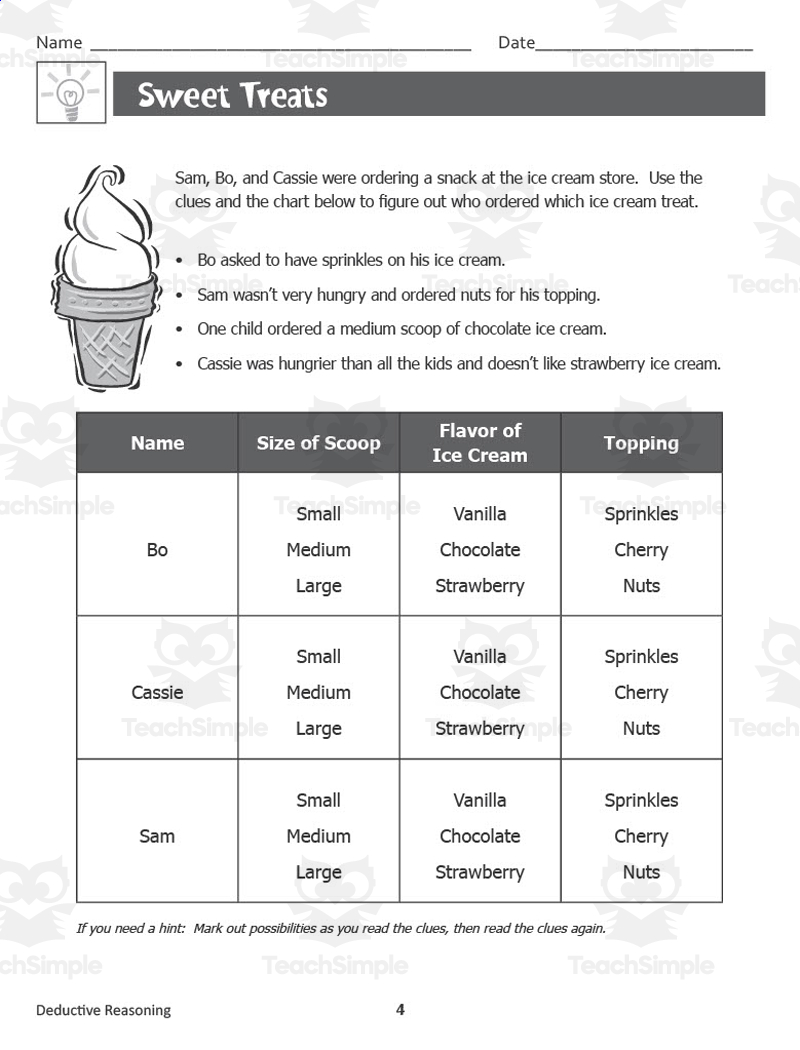
The layout of a deduction and reasoning worksheet is key to how effectively children can engage with it. Typically, these worksheets are organized into sections that guide learners through various activities. You might find a mix of visual puzzles, simple reasoning questions, and scenarios that require children to use logic to deduce the correct answers.
A well-structured worksheet often includes:
- Clear instructions for each activity.
- Visual aids such as images or diagrams to help illustrate concepts.
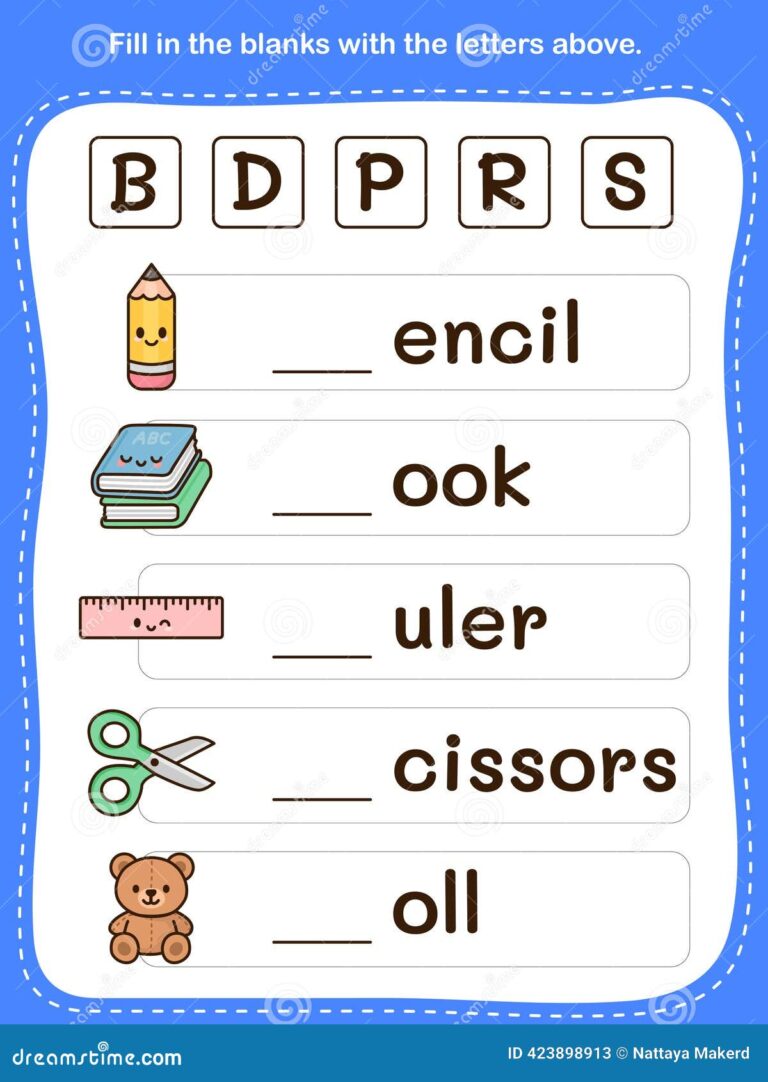
- Space for children to write their answers, which can be important for reinforcing motor skills.
By breaking down the activities into manageable sections, children can focus on one task at a time, which helps prevent overwhelm and encourages a sense of accomplishment as they complete each section.
Activities Included in the Worksheet
The activities in a Deduction And Reasoning Worksheet Preschool are designed to be both educational and enjoyable. They often include:
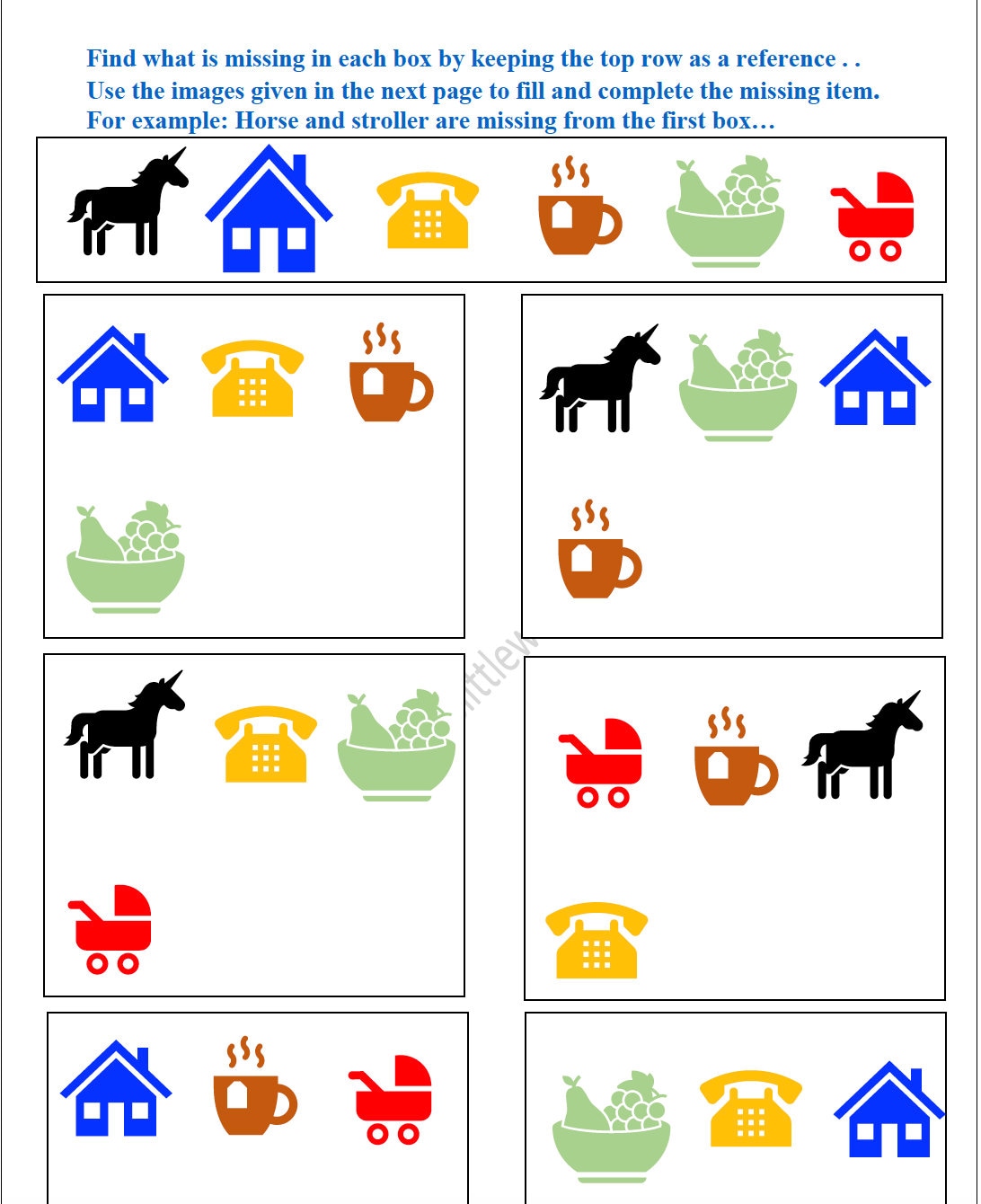
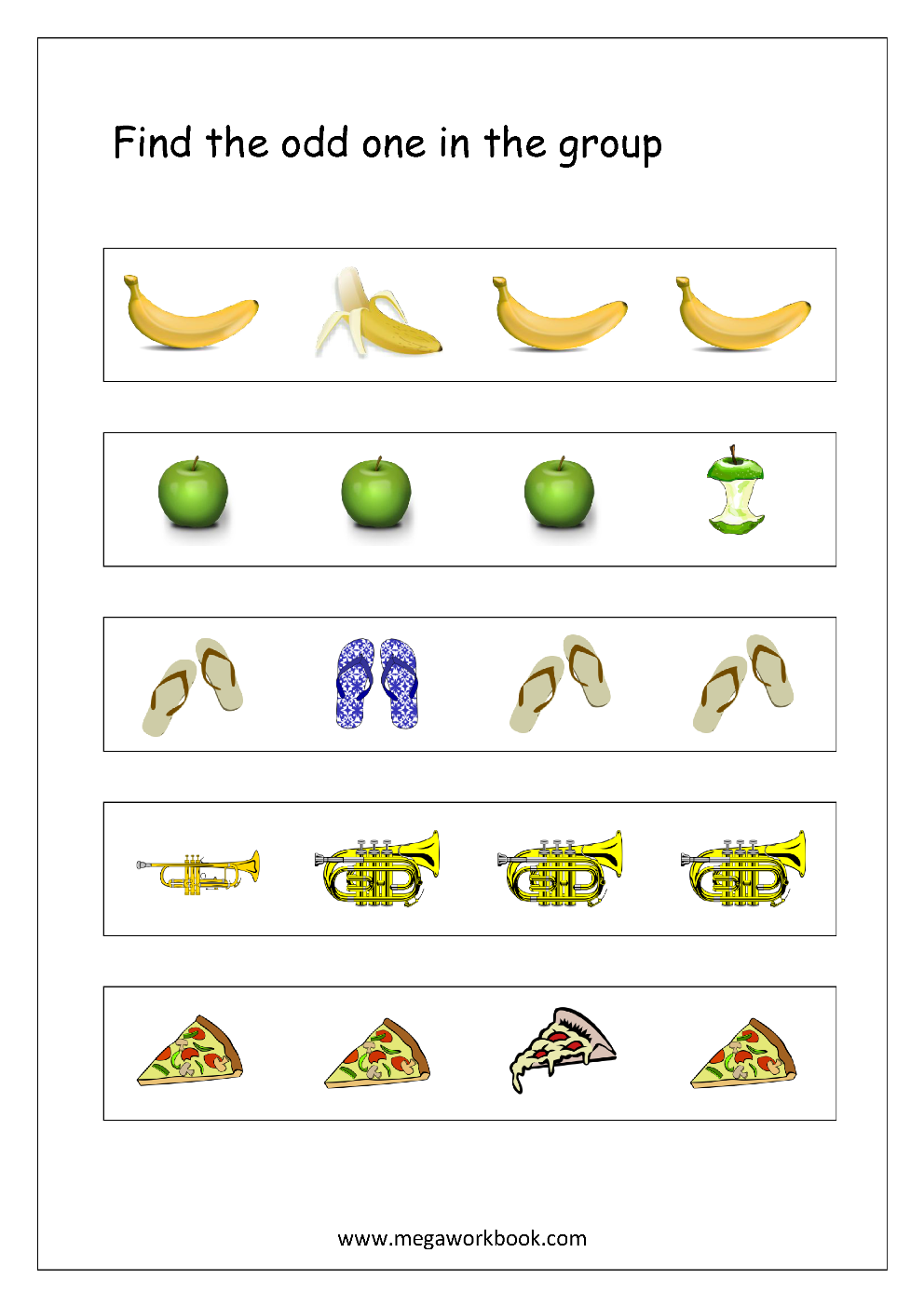
- Visual Puzzles: These are images where children need to identify differences or match similar items. For instance, they might look at two pictures and circle the items that are not the same.
- Story-Based Questions: Short stories that present a scenario followed by questions that require reasoning. For example, “If the cat is on the roof, where is the dog?” This type of activity helps children learn to draw conclusions based on provided information.
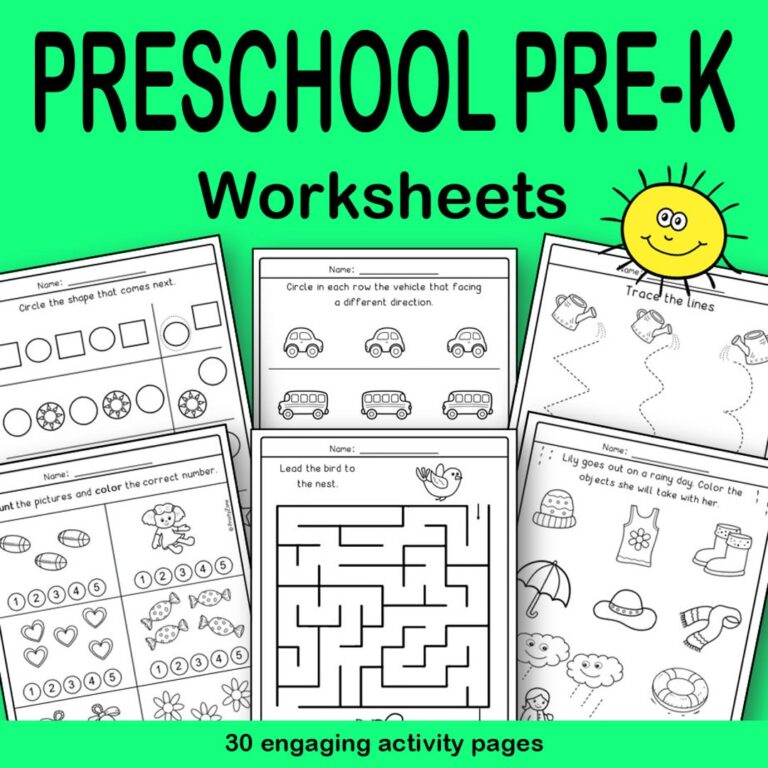
- Pattern Recognition: Activities that ask children to complete a sequence or identify what comes next. This could be as simple as recognizing shapes or colors in a specific order.
By including a variety of activities, the worksheet keeps children engaged and caters to different learning styles, making it a versatile tool for educators and parents alike.
Digital Vs. Print Completion
When it comes to filling out a Deduction And Reasoning Worksheet Preschool, you have two primary options: digital completion or printing it out for handwritten responses. Each method has its advantages depending on your situation.
Digital Completion: If you choose to use a fillable PDF version, it allows for easy editing and can be completed on tablets or computers. This method is particularly useful for parents who want to keep a digital record of their child’s progress. Plus, it can be a cleaner option, as there’s no need for messy handwriting.
Printed Completion: On the other hand, printing the worksheet allows children to engage more physically with the paper. Writing by hand can help develop fine motor skills, and many children find it more satisfying to physically check off answers or color in sections. Plus, using colored pencils or crayons can make the activity more engaging.
Consider your child’s preferences and your teaching goals when deciding which method to use. Each has its merits, and sometimes, a combination of both can be the most effective approach.
Incorporating the Worksheet Into Daily Routine
To get the most benefit from a Deduction And Reasoning Worksheet Preschool, it can be helpful to incorporate it into your daily routine. Here are a few ideas on how to do this:
- Set a Specific Time: Designate a particular time each day for worksheet activities. This could be part of a morning routine or a calming activity before bedtime.
- Combine with Other Learning: Use the worksheet as a supplement to other educational activities. For example, if your child is learning about animals, you could include animal-themed reasoning questions related to the worksheet.
- Encourage Discussion: After completing the worksheet, take some time to discuss the answers with your child. Ask them to explain their reasoning for each answer. This not only reinforces their understanding but also encourages verbal expression and critical thinking.
By making the worksheet a regular part of your child’s learning, you’ll help reinforce the skills they are developing.
Tips for Maximizing Effectiveness
To ensure that you’re getting the most out of the Deduction And Reasoning Worksheet Preschool, here are some practical tips:
- Choose the Right Level: Make sure the worksheet is appropriate for your child’s age and skill level. If it’s too easy or too difficult, it may not hold their interest or challenge them effectively.
- Use Positive Reinforcement: Celebrate your child’s successes, no matter how small. Positive feedback can motivate them to engage more deeply with the material.
- Mix and Match: Don’t rely solely on one worksheet. Mix in different types of worksheets and activities to keep your child engaged and learning from various perspectives.
- Be Patient: Every child learns at their own pace. If they struggle with a particular concept, take the time to revisit it in a different context or approach.
Using these strategies can help create a more enriching experience for your preschooler as they navigate through deduction and reasoning challenges.
One useful detail to remember is that incorporating visuals in the activities can significantly enhance engagement. Preschoolers are often drawn to images, and using colorful illustrations can make the worksheet not just an educational tool but also a fun activity that they look forward to.
Deduction And Reasoning Worksheet Preschool Gallery