Early Childhood Preschool Science Worksheets
Early Childhood Preschool Science Worksheets are fantastic tools for introducing your little ones to the wonders of science. These worksheets are designed specifically for preschool-aged children, typically around ages 3 to 5, and they can be a valuable addition to your at-home learning routine. Not only do they encourage curiosity and exploration, but they also help develop essential skills that will serve your child well as they progress in their education.
Understanding the Importance of Science in Early Childhood
Science education for preschoolers is about more than just learning facts; it’s about fostering a sense of wonder about the world around them. Engaging with science at this young age helps children build critical thinking skills, encourages exploration, and stimulates creativity. When using Early Childhood Preschool Science Worksheets, you help your child learn through hands-on activities that can spark their interest in science and nature.
Choosing the Right Science Worksheets
When selecting Early Childhood Preschool Science Worksheets, consider the following factors:
- Age Appropriateness: Ensure the worksheets are suitable for your child’s developmental stage. Look for activities that are visually appealing and use simple language.
- Variety of Topics: Choose worksheets that cover various science concepts like living vs. non-living things, weather, plants, and animals. This variety keeps your child engaged and exposes them to different areas of science.
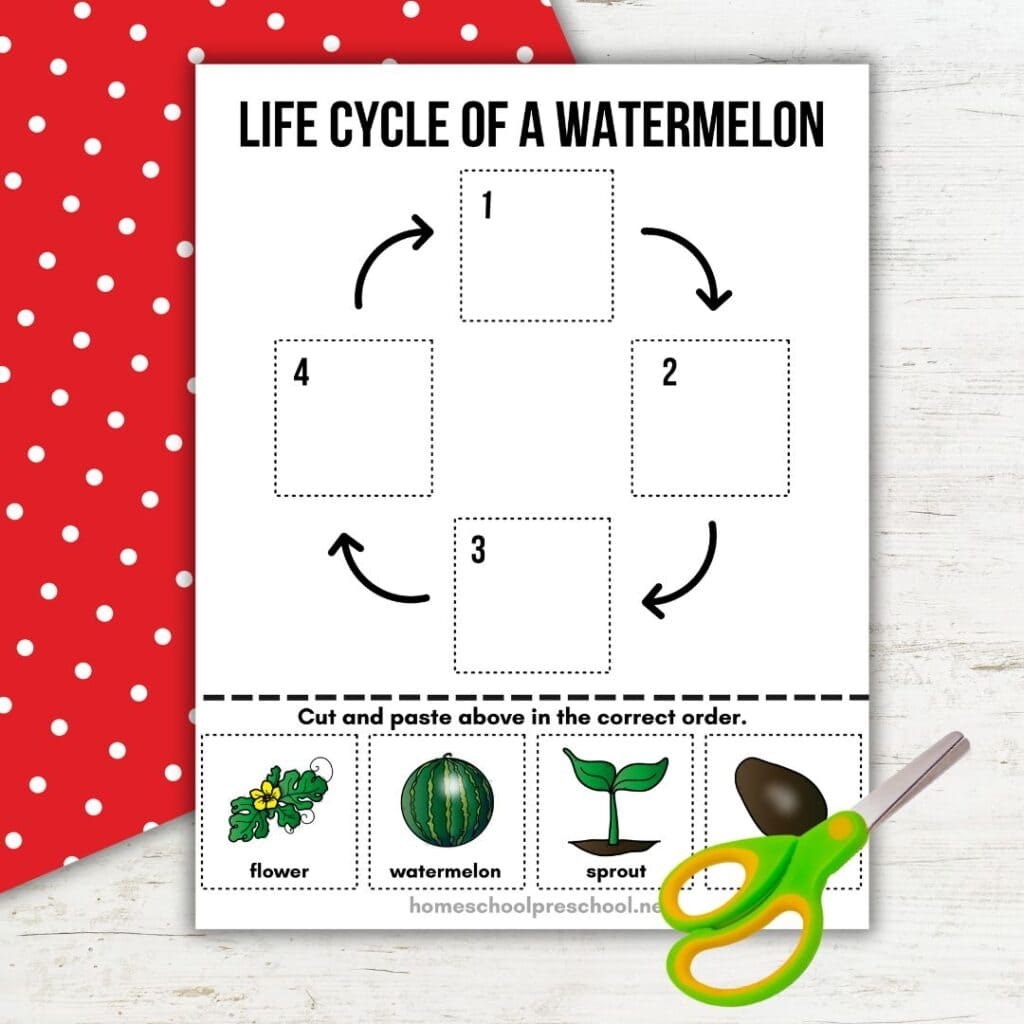
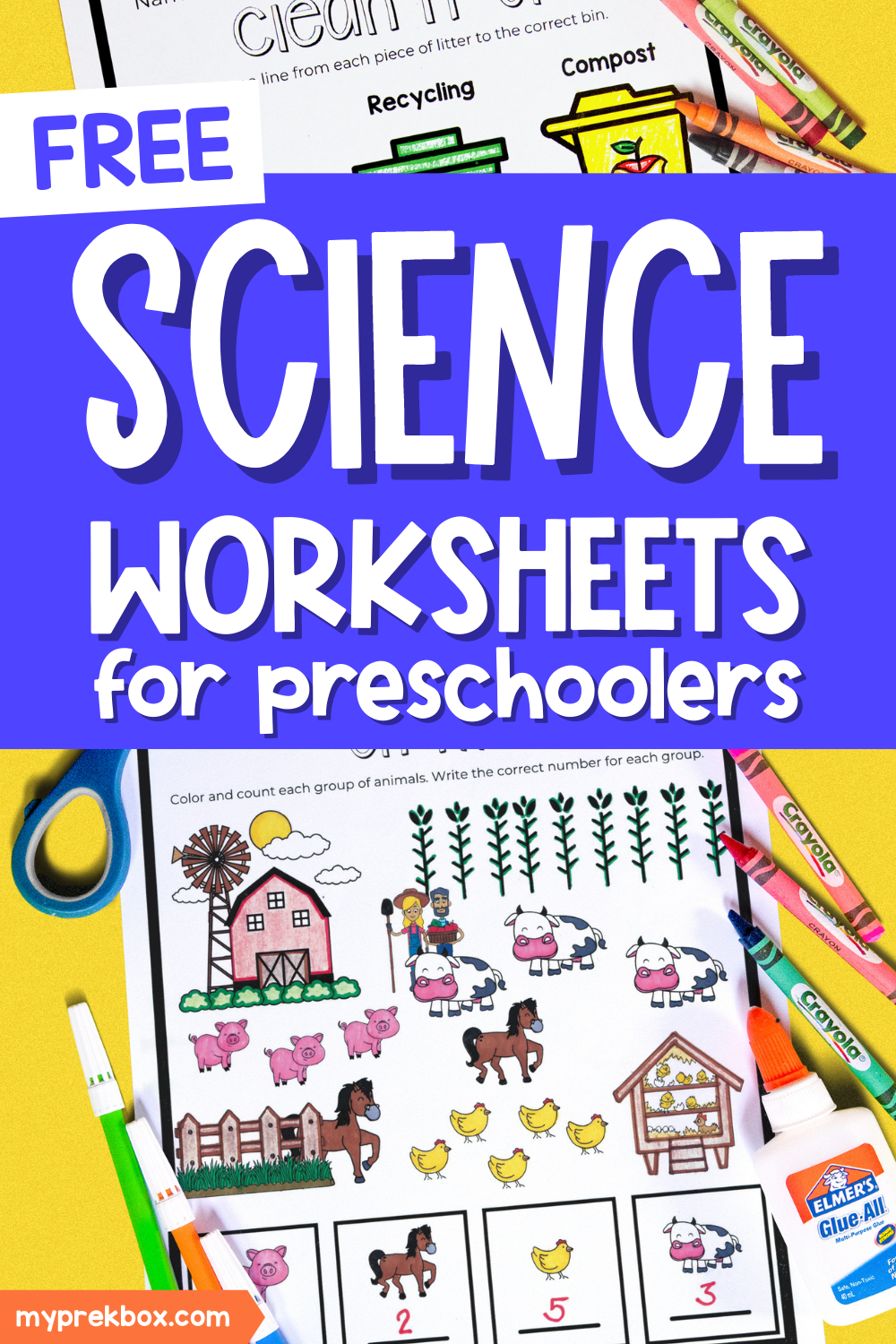
- Interactive Elements: Worksheets that include coloring, matching, or simple experiments can make learning more enjoyable. Look for activities that require your child to draw, cut, or paste.
Downloading and Printing Worksheets
Once you’ve found the perfect Early Childhood Preschool Science Worksheets, the next step is downloading and printing them. Here’s a step-by-step guide:
- Select Your Worksheets: Browse through the available options on the printable-resource website. Make sure to preview each worksheet to see if it meets your needs.
- Download the Files: Click on the download button. Most worksheets will be in PDF format, which is ideal for printing.
- Check Printer Settings: Before printing, check your printer settings. For most worksheets, you’ll want to use standard letter size (8.5” x 11”) paper. Ensure the print quality is set to high for clear images and text.
- Print the Worksheets: Depending on your preference, you can print on regular paper or cardstock. Cardstock is sturdier and works well if you plan to laminate the worksheets for repeated use.
Setting Up a Science Learning Environment
Creating a fun and engaging learning environment can enhance your child’s experience with the Early Childhood Preschool Science Worksheets. Here are some tips:
- Designate a Learning Space: Set up a specific area in your home where your child can focus on their worksheets. This could be a table or a cozy corner with cushions and art supplies.
- Gather Supplies: Keep essential supplies like crayons, safety scissors, glue, and any other materials your child might need close at hand. This encourages independence and makes the process smoother.
- Incorporate Real-Life Science: Whenever possible, relate the worksheets to real-life experiences. For example, if the worksheet covers plants, take your child outside to observe flowers or leaves.
Using the Worksheets Effectively
Once you’ve printed the Early Childhood Preschool Science Worksheets and set up your learning environment, it’s time to look at the activities. Here’s how to make the most of them:
- Start with Discussion: Before your child begins a worksheet, discuss the topic. Ask open-ended questions to spark their curiosity, like “What do you think happens to a seed when it’s planted?”
- Work Together: For younger children, it can be helpful to work through the worksheet alongside them. This not only provides guidance but also fosters a sense of teamwork.
- Encourage Exploration: If a worksheet includes an experiment or observation, encourage your child to explore beyond the paper. If the activity is about weather, for example, take a moment to go outside and feel the wind or observe the clouds.
- Celebrate Achievements: Once your child completes a worksheet, celebrate their hard work! This could be as simple as a high-five or displaying their finished work on the fridge.
Types of Science Worksheets Available
Here are some common types of Early Childhood Preschool Science Worksheets you might find useful:
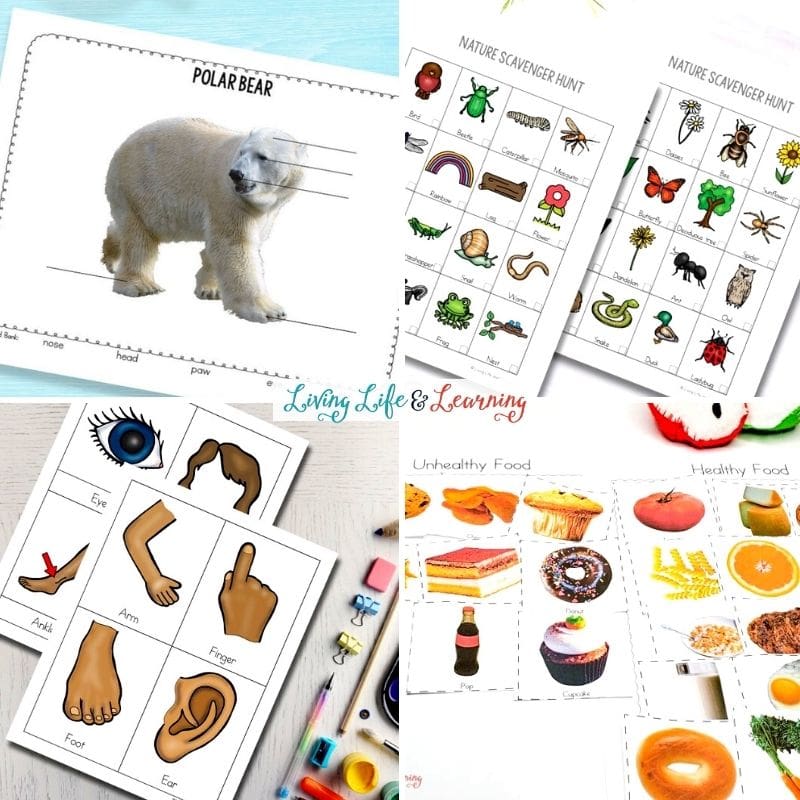
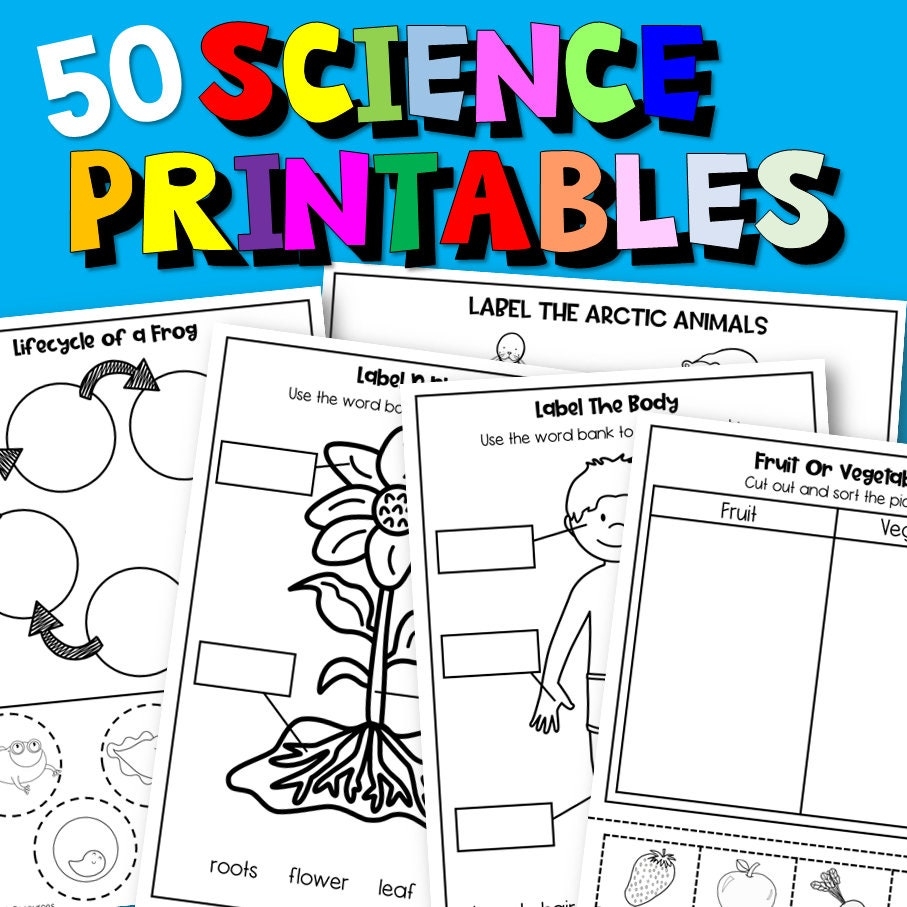
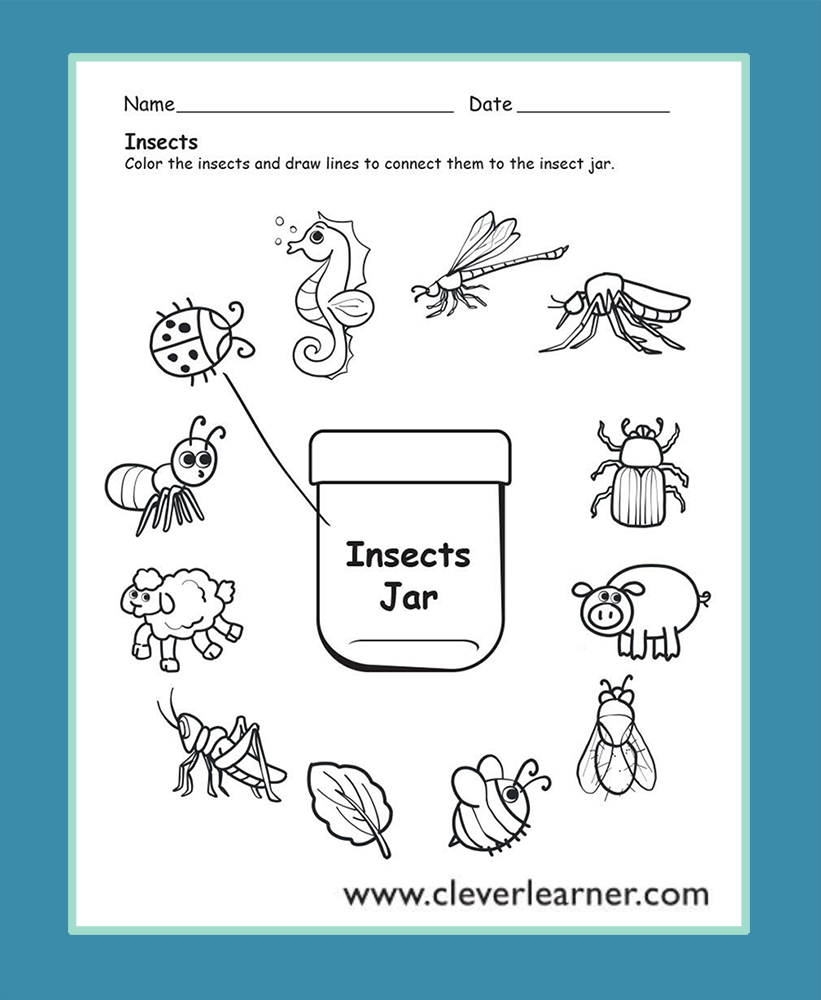
- Sorting Worksheets: Help children learn to categorize living vs. non-living things or different types of animals.
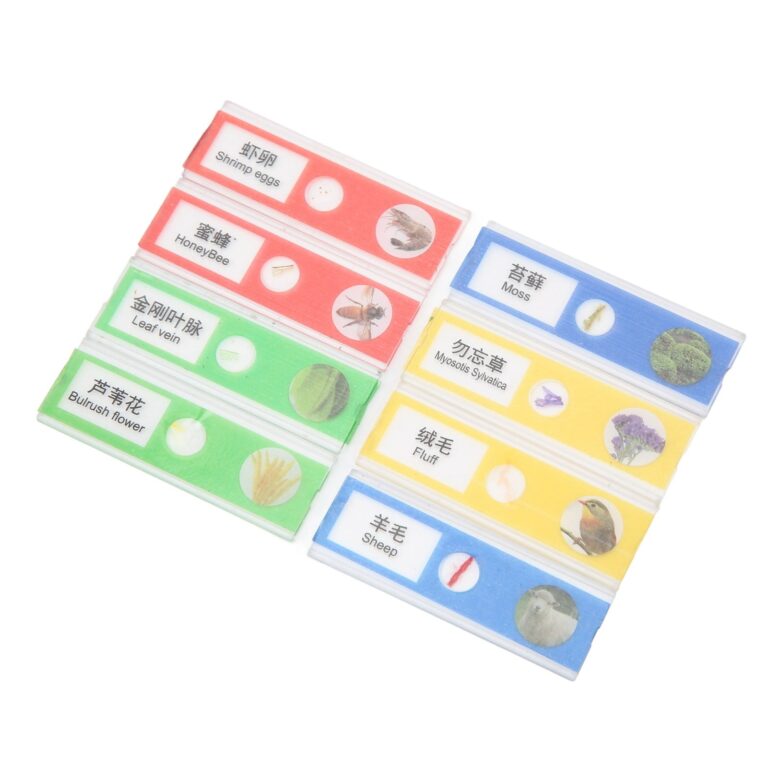
- Labeling Activities: Encourage kids to label parts of a plant or animal, enhancing their vocabulary and comprehension.
- Simple Experiments: Worksheets that guide simple science experiments, like making a volcano with baking soda and vinegar, can be particularly exciting.
- Observation Journals: These allow children to draw or write about things they observe in nature, fostering a habit of scientific inquiry.
By incorporating a variety of worksheets, you can keep your child engaged and excited about science. Remember to rotate the worksheets regularly to maintain their interest and introduce new concepts.
Early Childhood Preschool Science Worksheets Gallery