Early Literacy Worksheets For Preschoolers
Early Literacy Worksheets For Preschoolers are essential tools for parents looking to foster a love for reading and writing in their young children. These worksheets can make learning fun and interactive, helping little ones develop crucial language skills early on. If you’re a parent aiming to support your child’s literacy journey, these resources are a fantastic way to track progress while keeping them engaged.
What Are Early Literacy Worksheets?
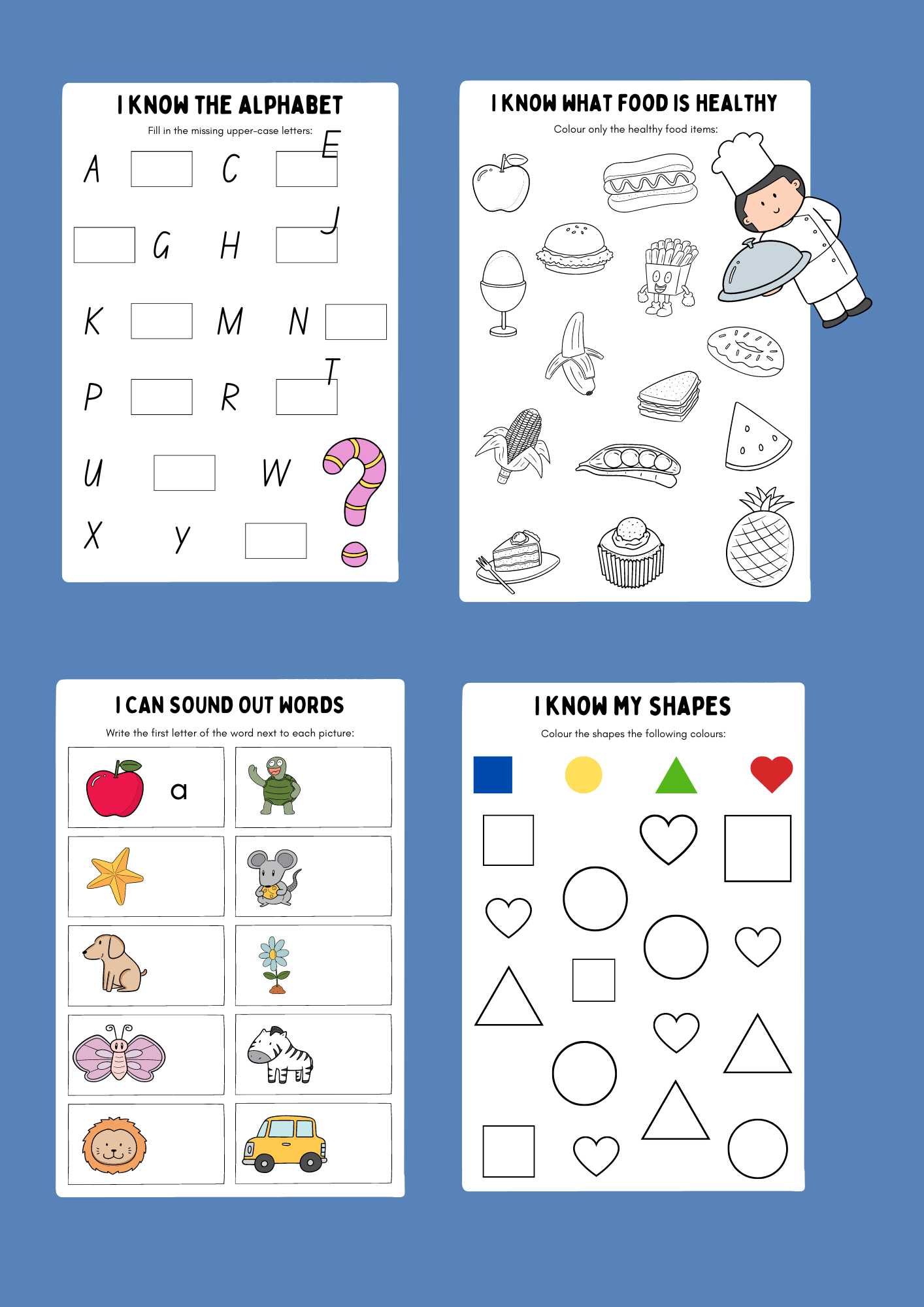
Early literacy worksheets are specially designed printable activities that help preschoolers develop foundational reading and writing skills. They typically include tasks that focus on letter recognition, phonics, vocabulary building, and comprehension. These worksheets are not only beneficial for academic growth but also serve as a practical way for parents to engage with their children in educational activities.
When selecting worksheets, look for age-appropriate content that matches your child’s current skills. You want to ensure that the activities are challenging enough to promote learning but not so difficult that they become frustrating.
Key Features of Effective Worksheets
To get the most out of Early Literacy Worksheets For Preschoolers, consider the following features:
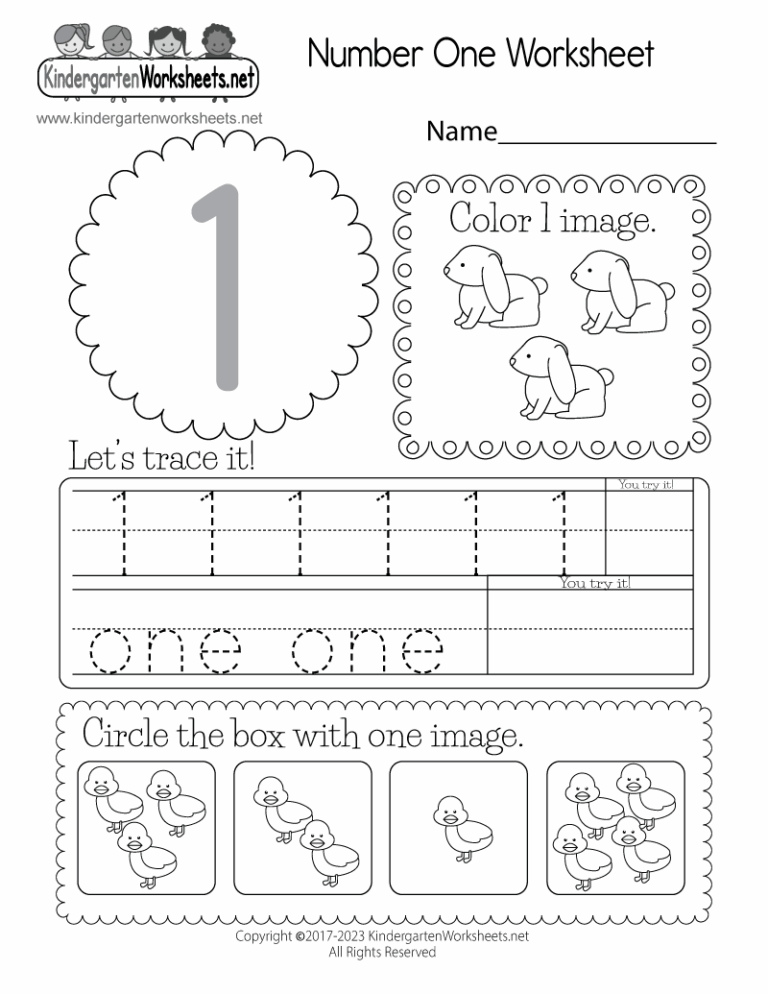
- Variety of Activities: Look for worksheets that include a mix of tracing letters, matching words with pictures, and simple reading comprehension exercises. This variety keeps children interested and allows them to practice different skills.
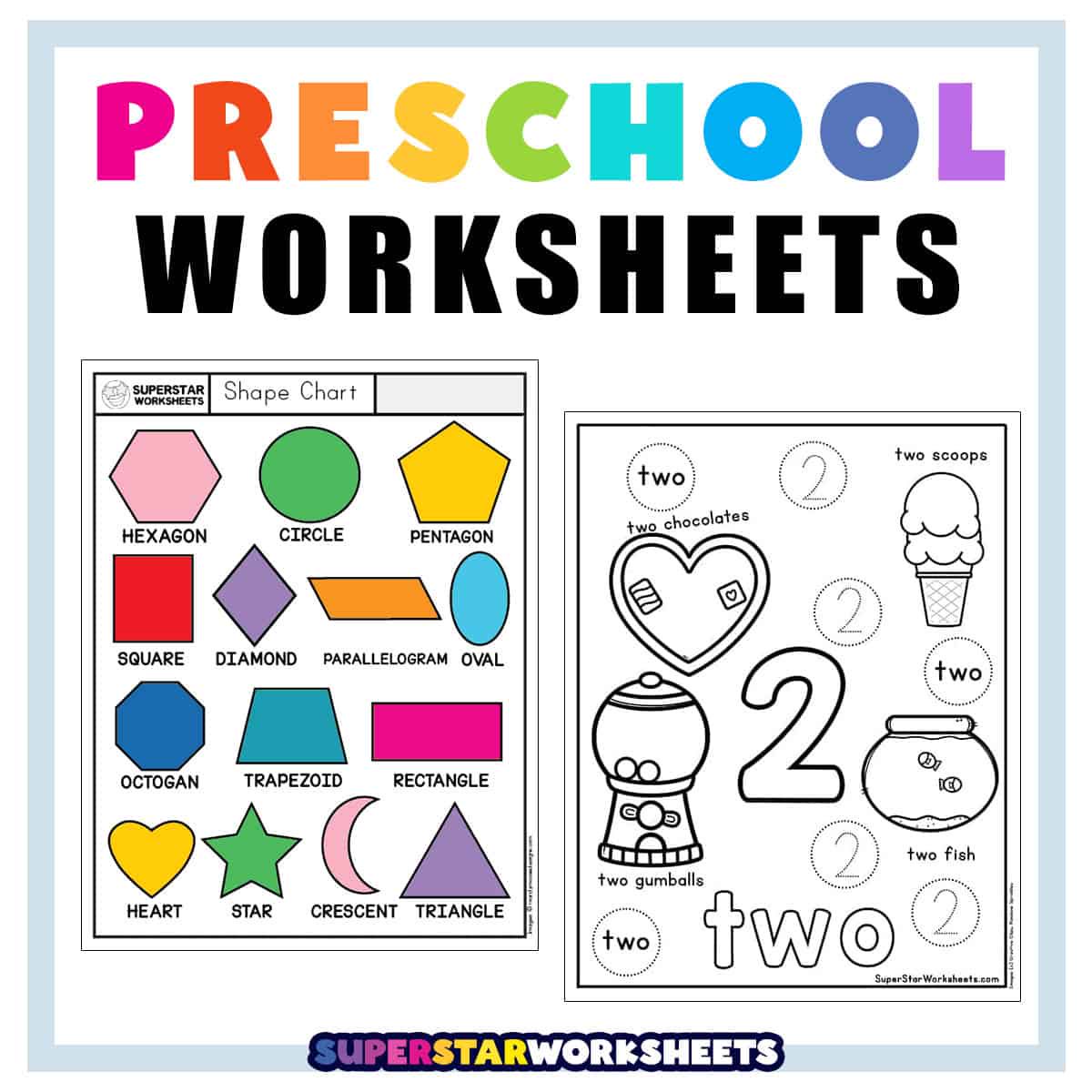
- Visual Appeal: Worksheets with engaging graphics and colorful designs can capture a child’s attention better than plain text. Bright illustrations make learning more enjoyable.
- Clear Instructions: Each worksheet should have straightforward instructions that both you and your child can easily understand. This clarity helps guide the learning process without confusion.
- Progress Tracking: Some worksheets come with built-in progress tracking, allowing you to see how your child is improving over time. This feature can also help you identify areas where they may need additional support.
How to Use Early Literacy Worksheets Effectively
Using Early Literacy Worksheets For Preschoolers effectively involves more than just printing them out. Here are some practical tips to enhance the experience:
Set a Routine
Establish a specific time each day dedicated to literacy activities. Whether it’s first thing in the morning or right after lunch, consistency helps your child understand that learning is a priority. Aim for short sessions of 15-20 minutes to keep their attention focused.
Create a Learning Environment
Designate a quiet, comfortable space for your child to work on their worksheets. Ensure they have all the necessary supplies, such as crayons, pencils, and erasers, within reach. This environment fosters concentration and encourages them to take pride in their work.
Collaborate and Encourage
Work alongside your child as they complete their worksheets. Offer guidance when necessary, but allow them to take the lead. Celebrate their successes, no matter how small. Positive reinforcement boosts their confidence and encourages a love for learning.
Track Progress
Keep a folder or binder dedicated to their completed worksheets. This collection serves as a visual representation of their progress and can be a great way to reflect on how far they’ve come. You can also use this to identify areas for improvement and adapt future activities accordingly.
Types of Early Literacy Worksheets
When exploring Early Literacy Worksheets For Preschoolers, you’ll find several types that cater to specific skills. Here are some common categories:
Letter Recognition Worksheets
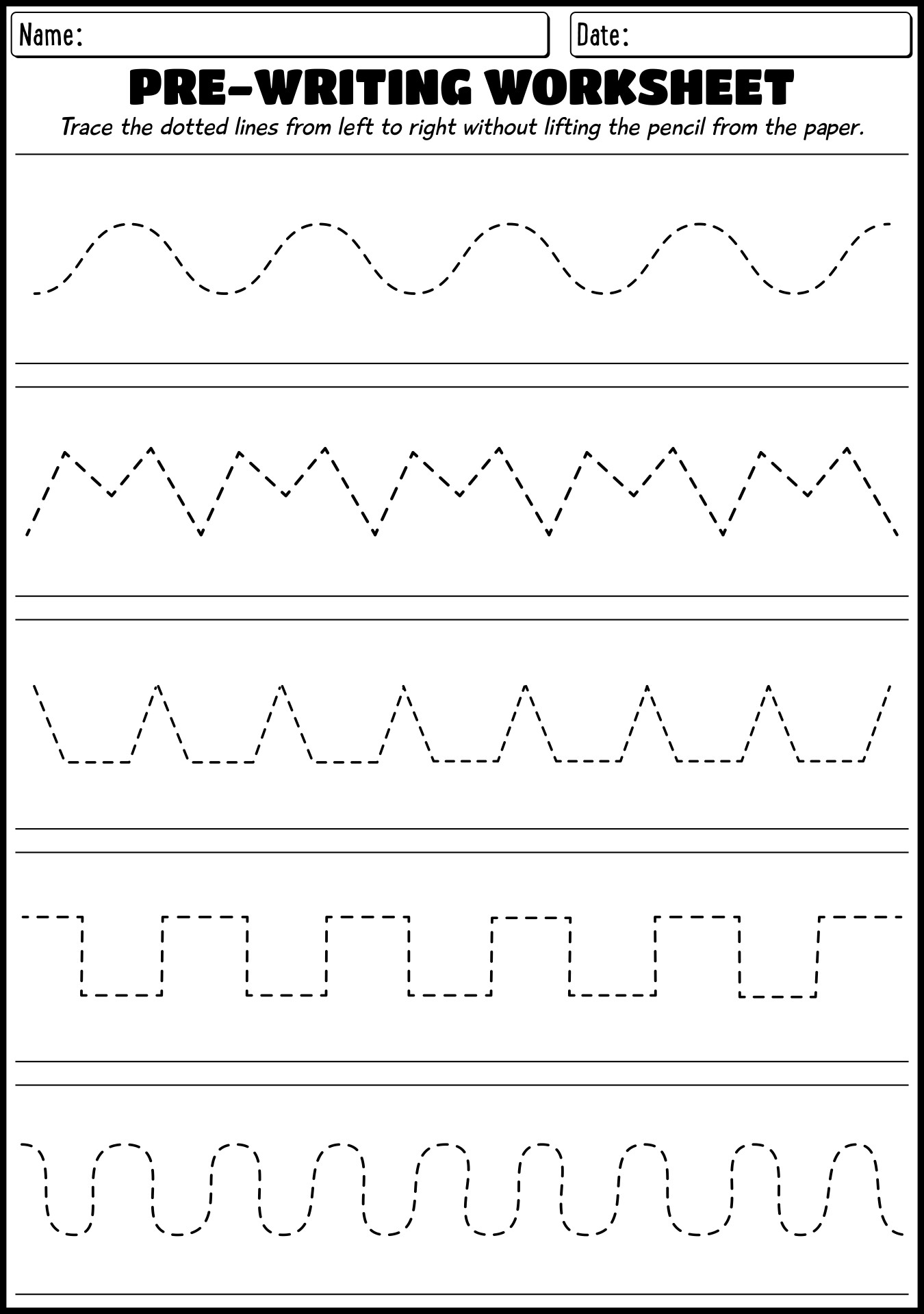
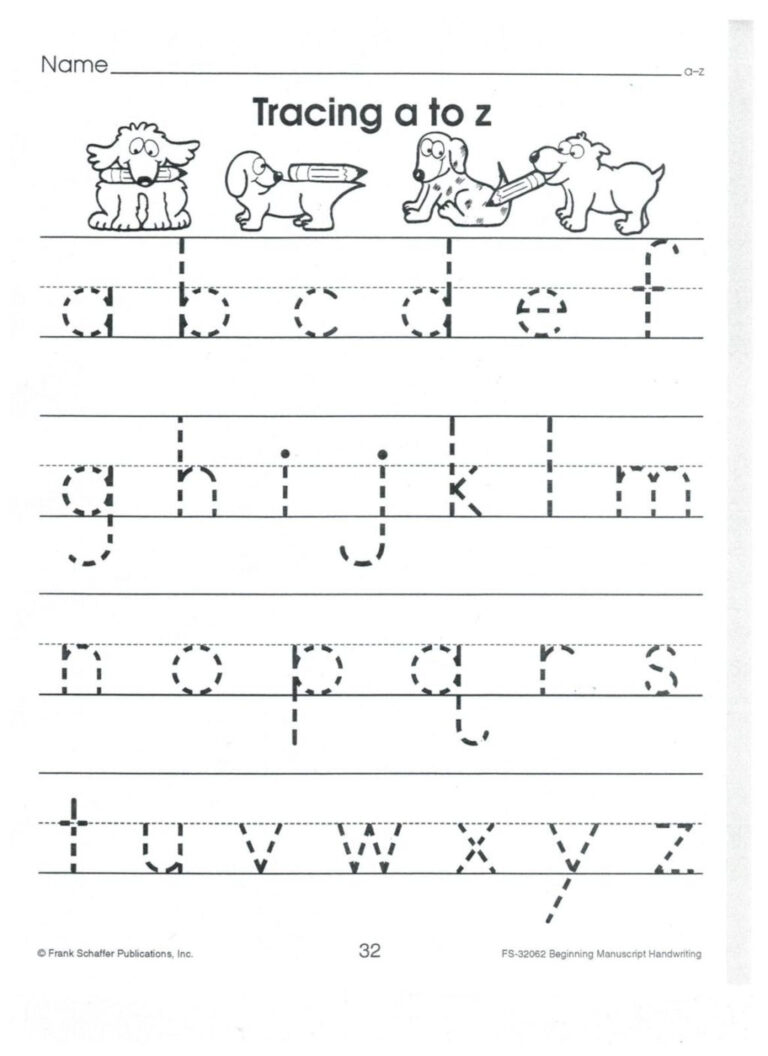
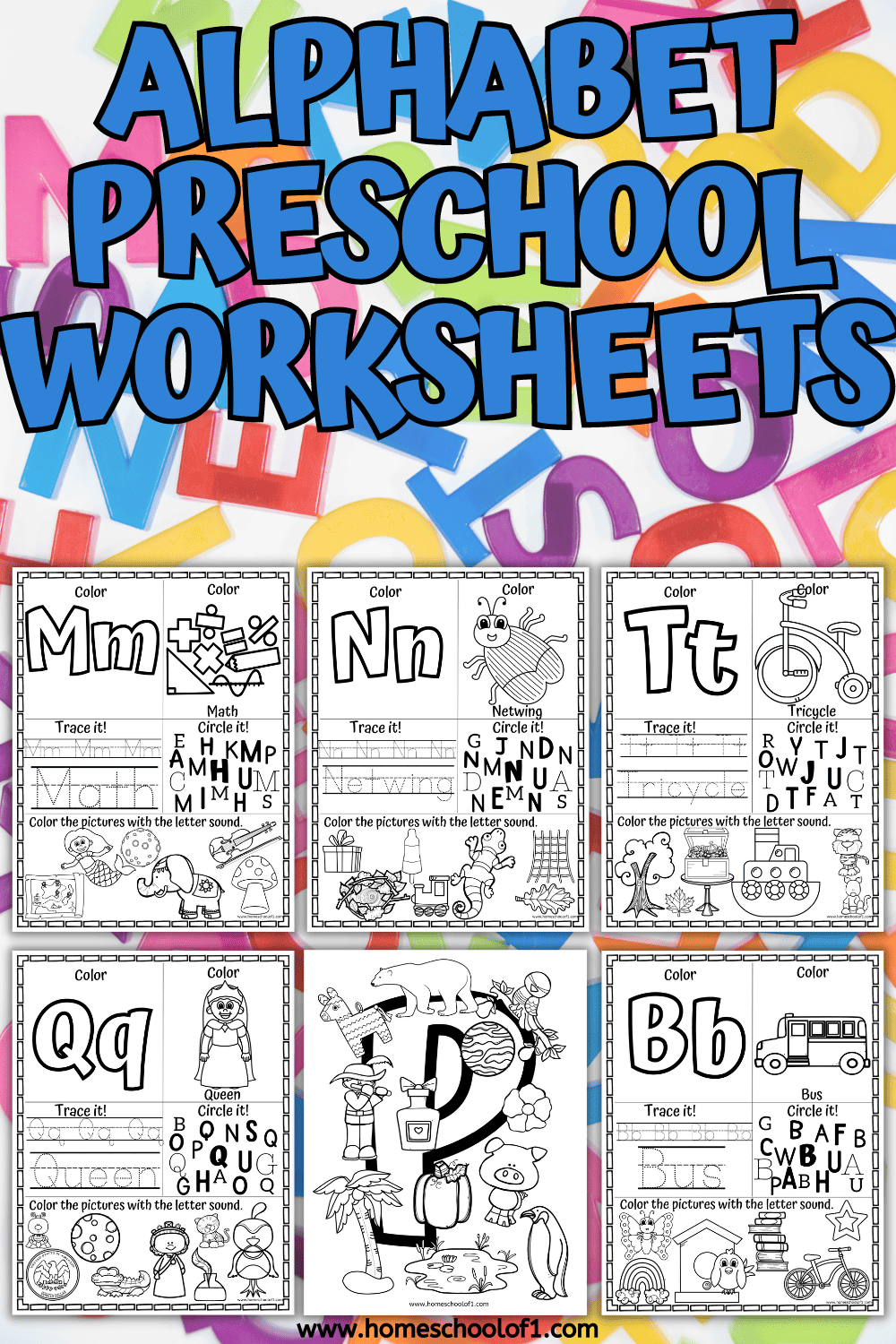
These worksheets help children learn to identify and recognize letters of the alphabet. Activities may include tracing letters, matching uppercase and lowercase letters, or coloring in specific letters.
Phonics Worksheets
Phonics worksheets focus on the sounds associated with each letter, helping children understand the connection between letters and their corresponding sounds. Activities often include matching sounds to pictures or filling in missing letters in words.
Vocabulary Building Worksheets
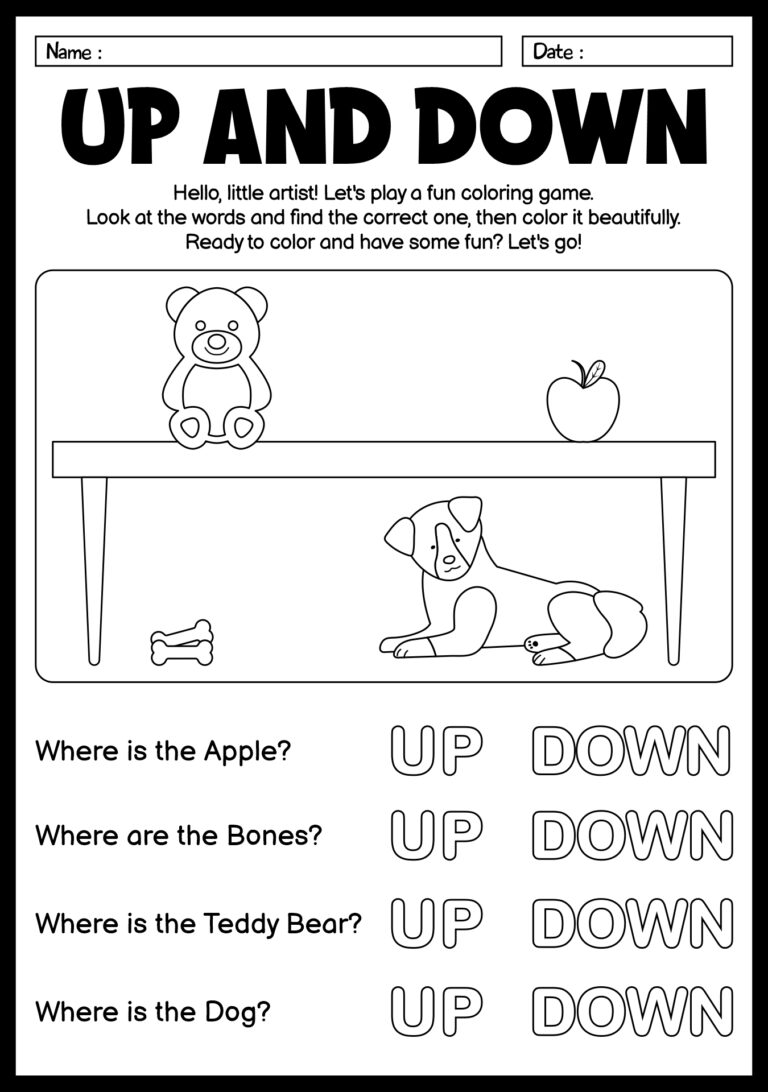
These worksheets introduce new words to young learners. They may include picture-word matching, fill-in-the-blank exercises, or word searches, which help expand their vocabulary in a fun way.
Reading Comprehension Worksheets
Reading comprehension worksheets typically include short stories followed by questions that encourage children to think critically about what they’ve read. This type of worksheet helps develop their understanding of narrative structure and enhances their ability to recall details.
Finding Printable Resources
There are numerous websites where you can find high-quality Early Literacy Worksheets For Preschoolers. Here are some tips for finding the best resources:
- Reputation Matters: Look for websites with positive reviews from other parents or educators. Sites offering free resources can be a great starting point, but ensure they have a good reputation for quality.
- Check for Variety: A good resource will offer a diverse range of worksheets covering different literacy skills. This variety can keep your child engaged and provide a more comprehensive learning experience.
- Download Options: Ensure the worksheets are available in easily downloadable formats like PDF. This format preserves the layout and makes printing straightforward.
- User-Friendly Design: The website should be easy to navigate, allowing you to quickly find worksheets that suit your child’s learning needs.
Tips for Printing and Using Worksheets
To ensure your Early Literacy Worksheets For Preschoolers print out correctly and are durable enough for repeated use, consider the following:
- Paper Type: Use cardstock for worksheets that will be laminated or reused. This material holds up better than standard printer paper, especially with young children who may be a bit rough with their materials.
- Print Settings: Adjust your printer settings for the best quality. A higher DPI (dots per inch) setting can result in clearer text and images, making it easier for children to read and engage with the content.
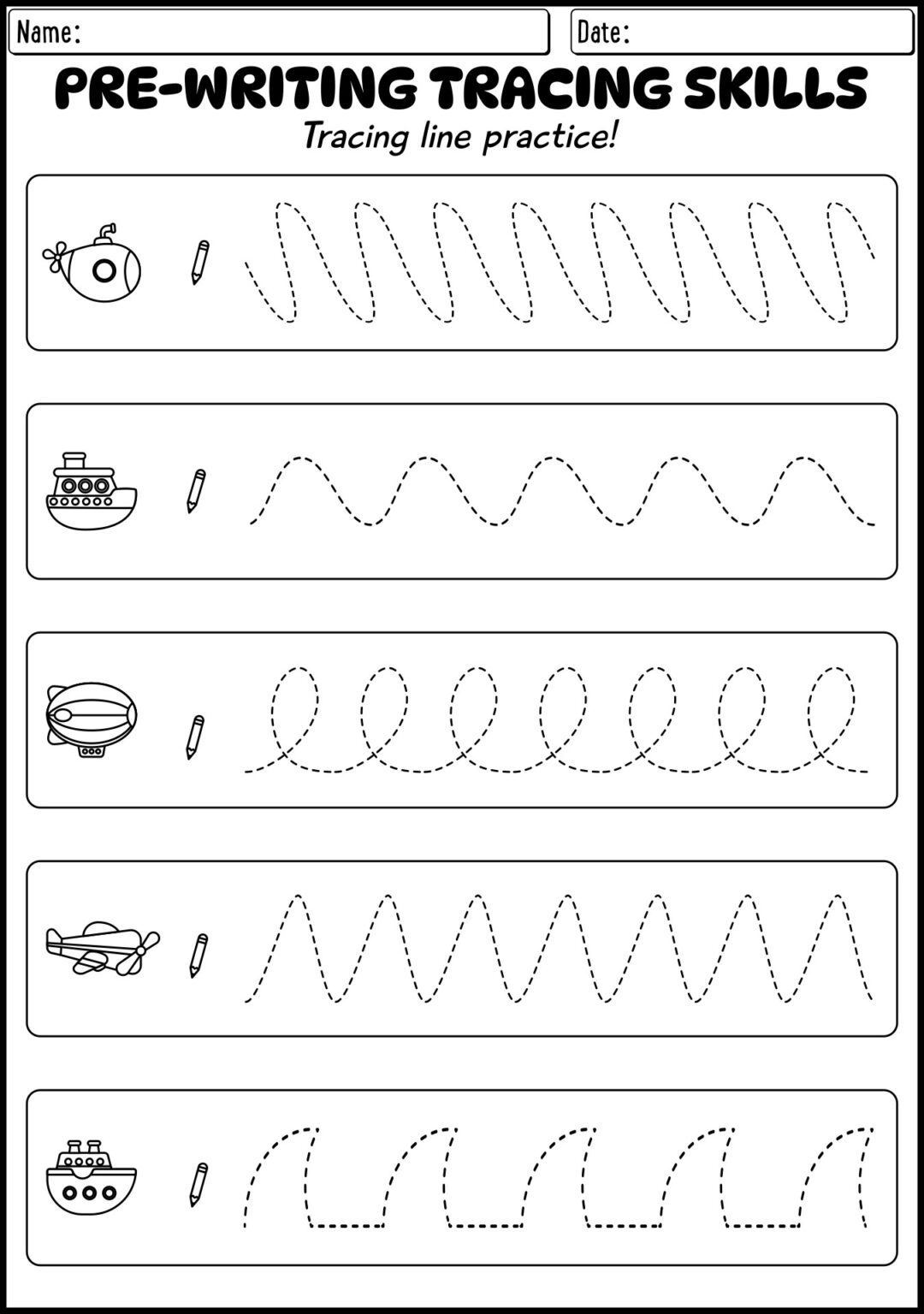
- Lamination: If you plan to use the worksheets multiple times, consider laminating them. This allows you to use dry-erase markers for tracing or filling in answers, making them reusable.
- Portrait vs. Landscape: Choose the layout that fits best with the activities. Portrait layout tends to work better for most home printers and is easier for young children to handle.
Early Literacy Worksheets For Preschoolers Gallery