E Worksheets Paper For Preschool
When it comes to enhancing preschool education, having the right resources is essential. E Worksheets Paper For Preschool offers a variety of engaging printable worksheets designed to support early learning. These worksheets are typically formatted in PDF and are ready for immediate download, allowing you to print them out for classroom or home use.
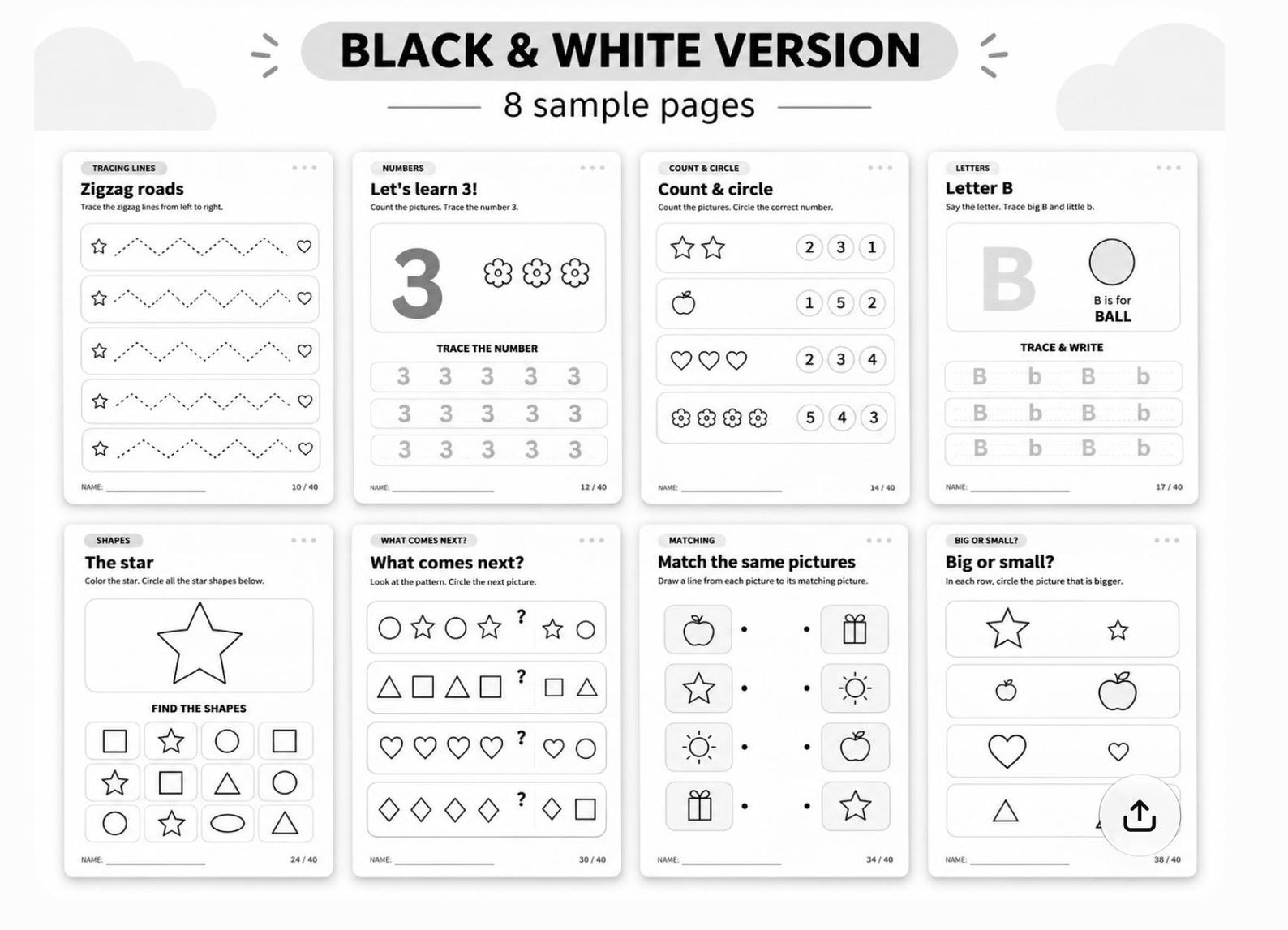
Understanding E Worksheets for Preschool
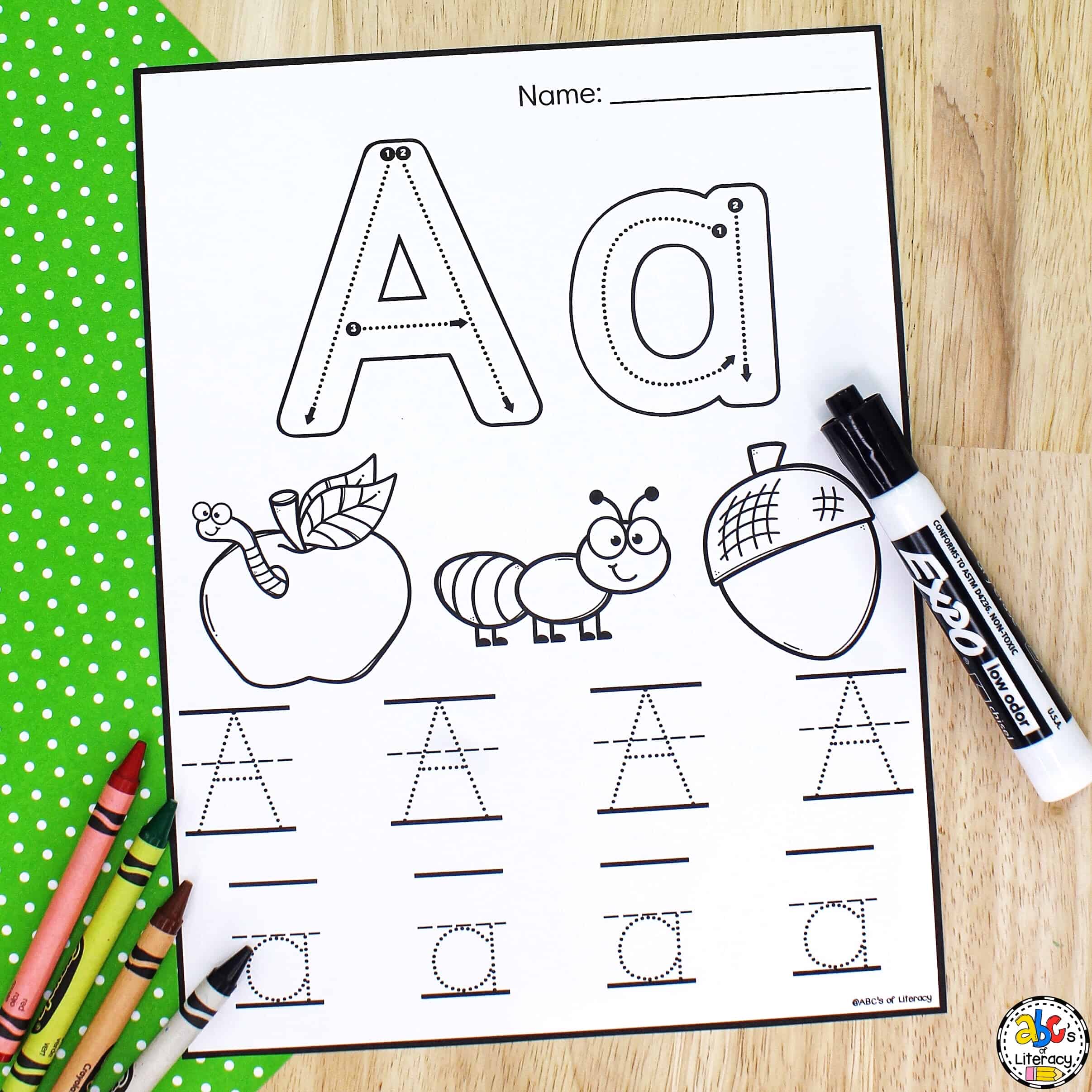
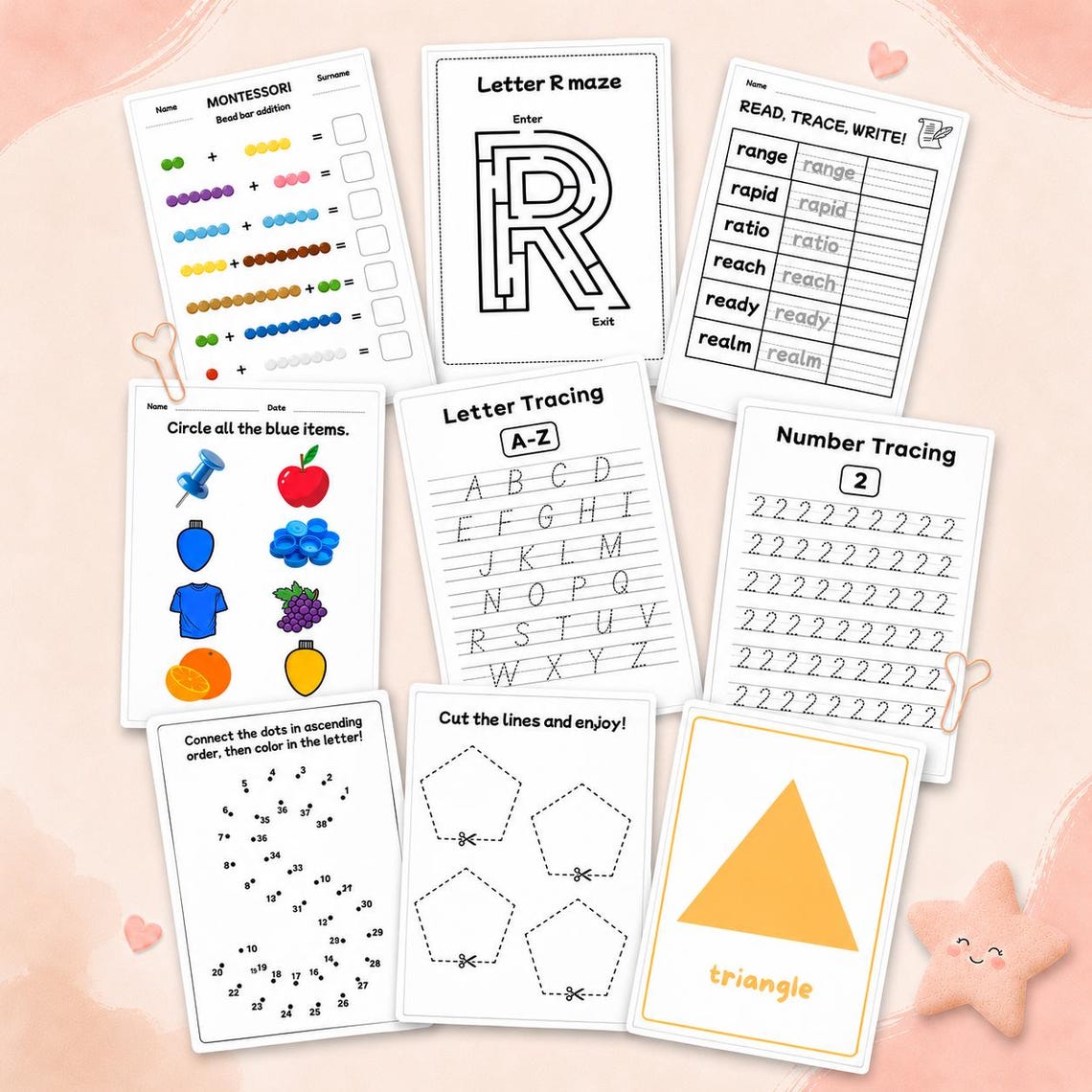
E worksheets serve various educational purposes, from basic literacy and numeracy to fine motor skill development. They come in different themes and subjects, tailored to the preschool age group, which usually ranges from 3 to 5 years old.
For instance, you’ll find worksheets focusing on:
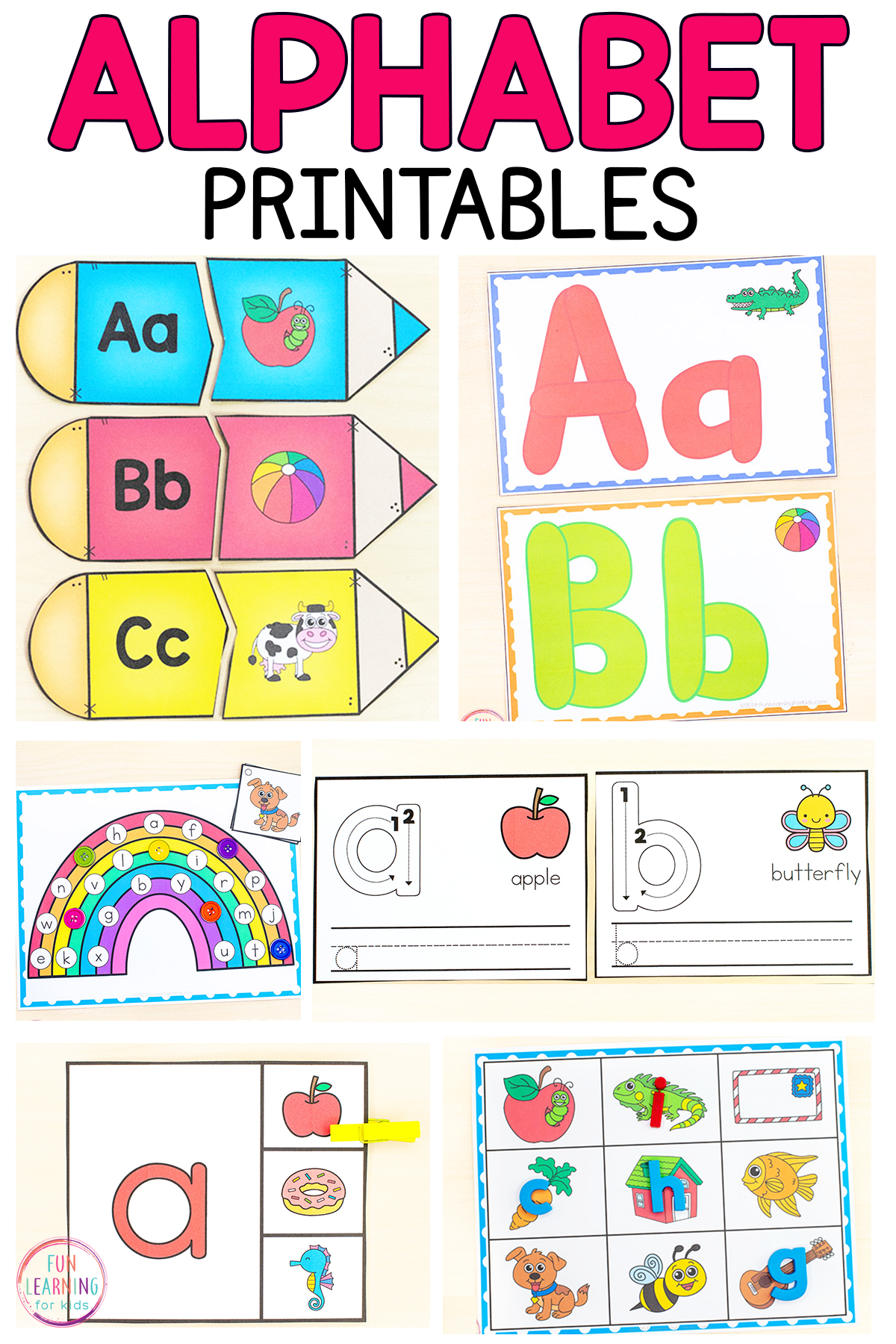
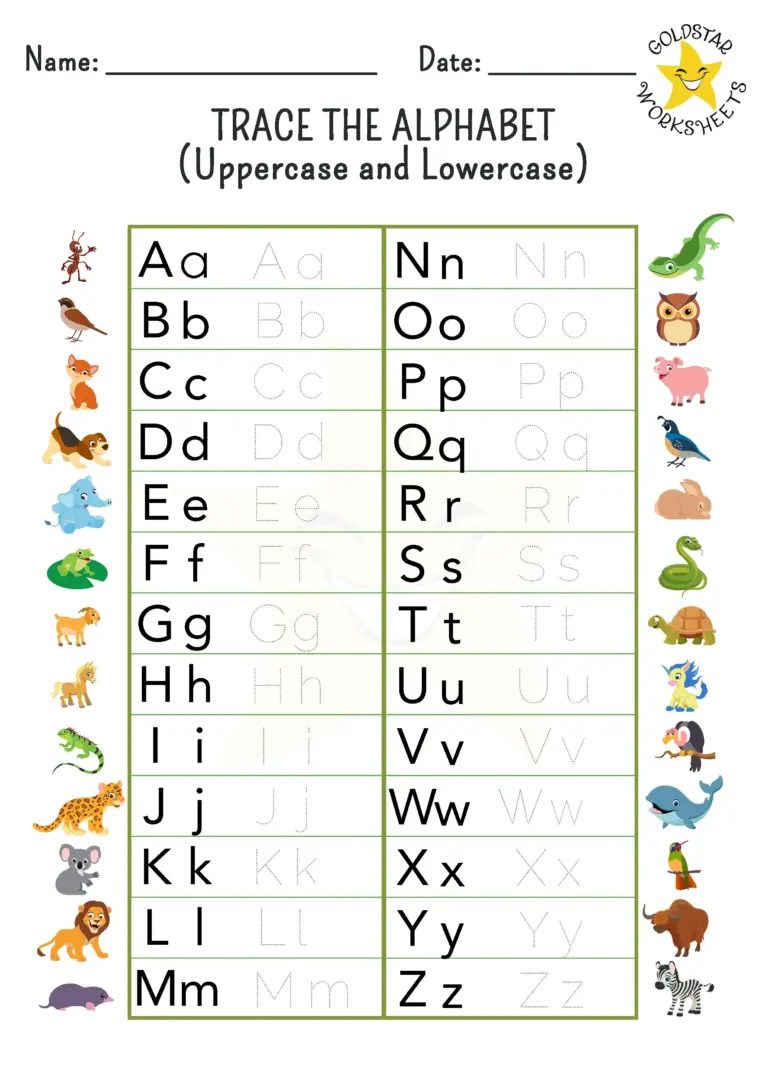
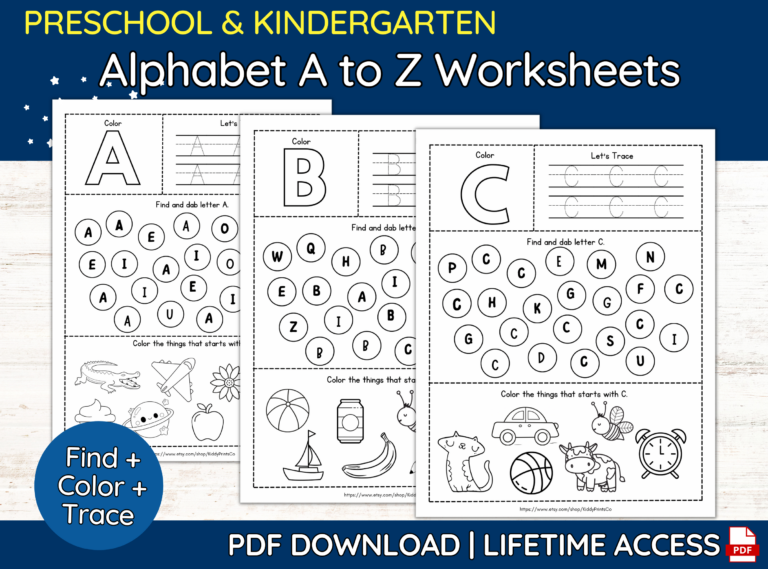
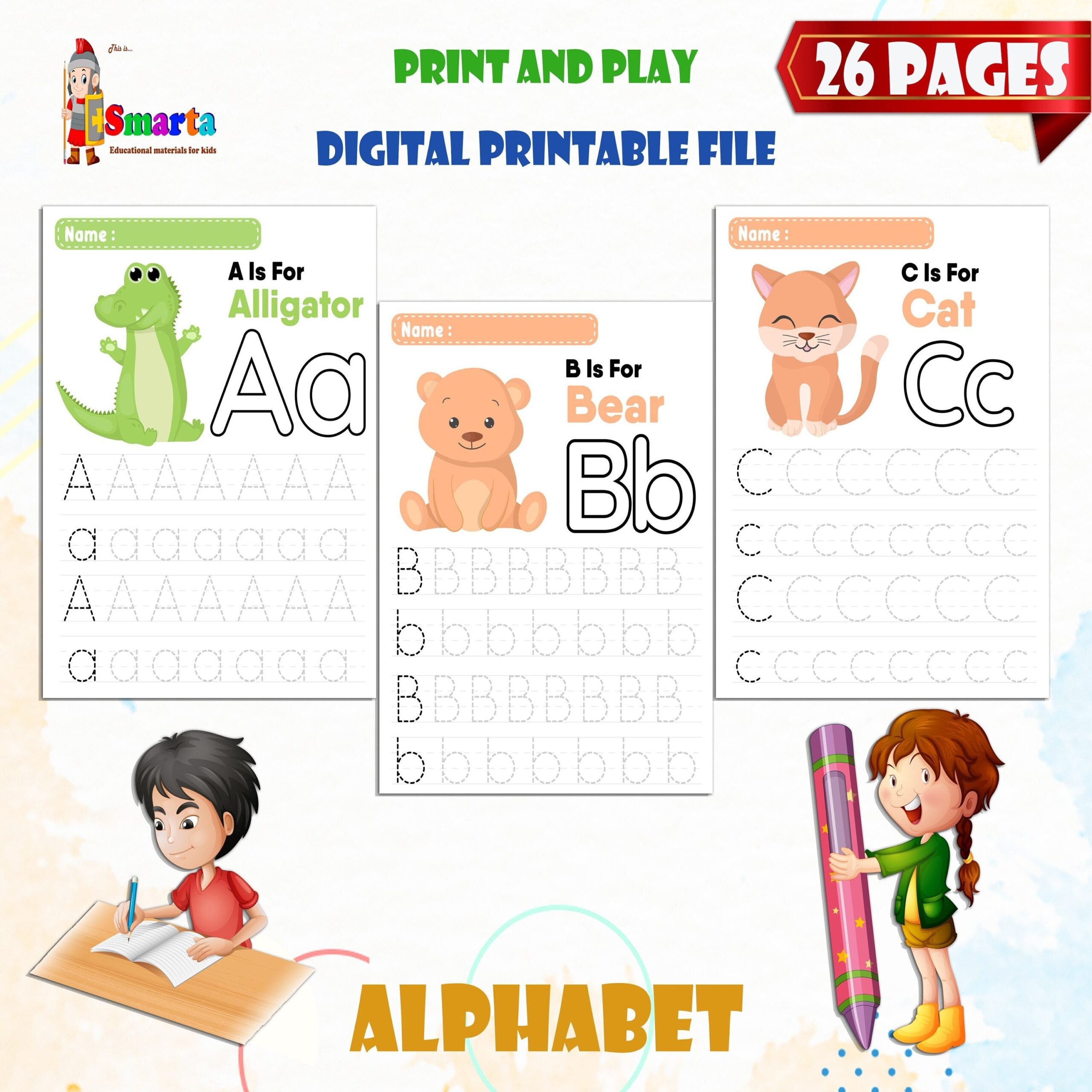
- Alphabet recognition
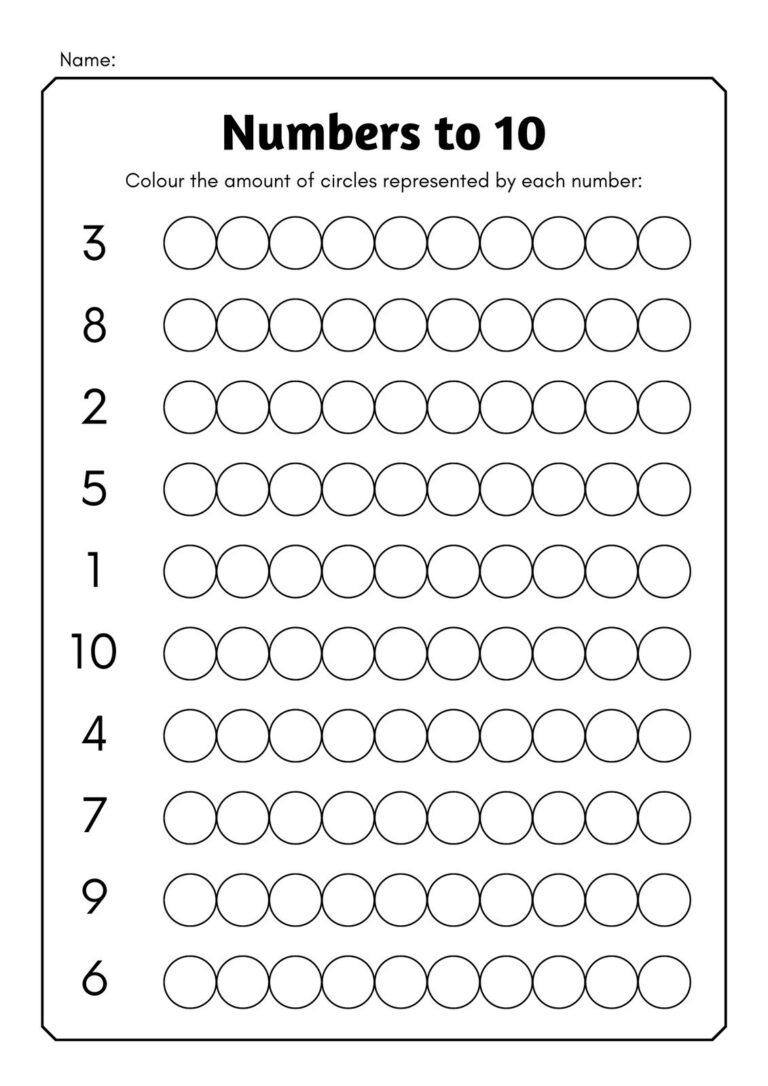
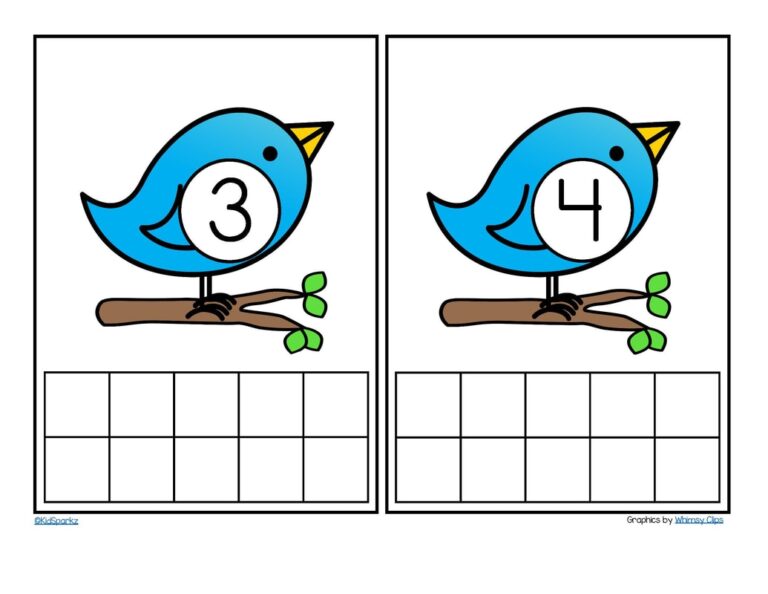
- Simple math concepts like counting
- Shape and color identification
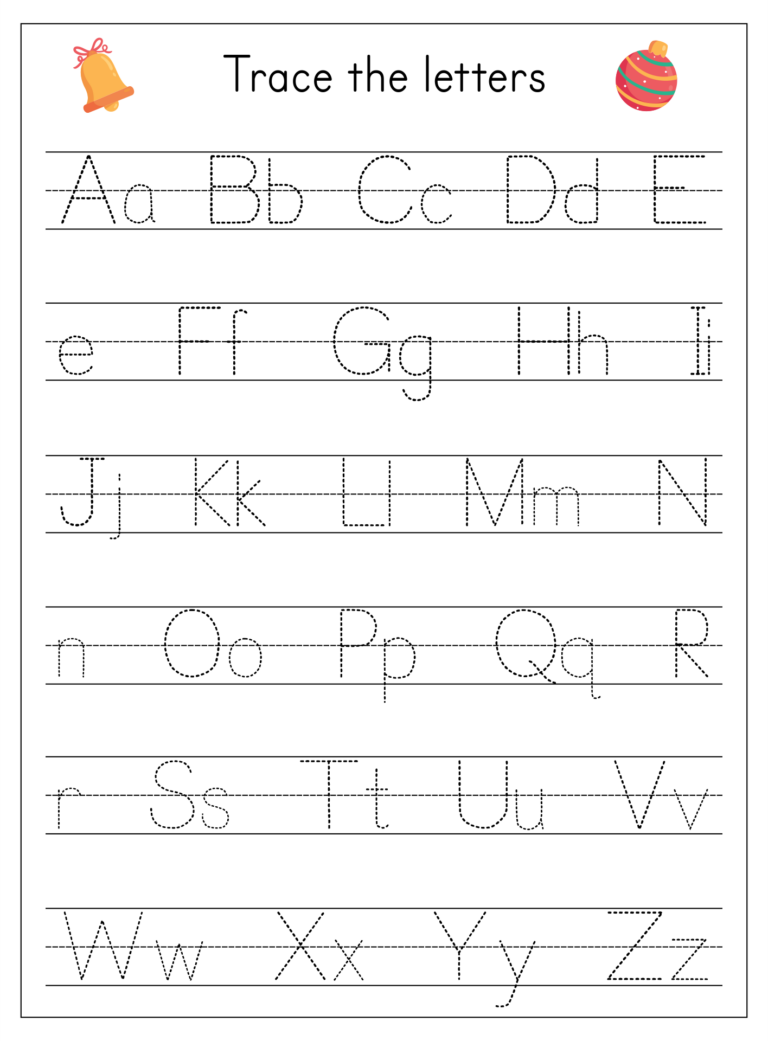
- Pre-writing skills
These worksheets not only make learning fun but also provide a structured way for parents and educators to track a child’s progress.
Choosing the Right E Worksheets
When selecting E Worksheets Paper For Preschool, consider the specific skills you want your child to develop. Here are a few practical steps to help you choose effectively:
- Identify Learning Goals: Decide whether you want to focus on literacy, numeracy, or other skills.
- Check the Difficulty Level: Ensure the worksheets are age-appropriate and match your child’s current skill level.
- Look for Engaging Designs: Children are more likely to engage with worksheets that are visually appealing.
It’s a good idea to look for resources that allow for differentiation, meaning some worksheets may be more challenging than others, catering to various skill levels within the preschool age group.
Downloading and Printing E Worksheets
Once you’ve chosen the right E Worksheets, the next step is to download and print them. Here’s how to do it efficiently:
- Locate the Worksheet: Find the specific E Worksheets Paper For Preschool you want on your chosen printable resource website.
- Download the File: Most worksheets will be available in PDF format, which preserves the layout and design.
- Print Settings: Use standard paper size (8.5” x 11”) for easy printing. If available, select the portrait layout as it tends to work better for most home printers.
- Paper Quality: For durability, especially if the worksheets will be used multiple times, consider printing on cardstock. This will hold up better than regular printer paper.
Make sure your printer settings are adjusted for quality printing, especially if the worksheets include colorful graphics or patterns.
Setting Up for Use
After printing, it’s time to prepare the worksheets for use. Here’s how to set up an effective learning environment:
- Create a Learning Space: Dedicate a quiet, comfortable area with good lighting for your child to work on the worksheets.
- Organize Materials: Provide necessary supplies such as crayons, colored pencils, or markers. If the worksheets require cutting or gluing, have safety scissors and glue sticks on hand.
- Introduce the Worksheets: Explain what the worksheet is about, the skills it targets, and how to complete it. This is crucial for engaging your child and setting expectations.
Engaging With the Worksheets
Once everything is set up, it’s time to look at the worksheets together. Here are some tips to enhance the learning experience:
- Interactive Learning: Work alongside your child. Ask questions, encourage them to express their thoughts, and praise their efforts.
- Incorporate Play: Use the worksheets as a starting point for games. For example, if they are working on shapes, you might have them find objects around the house that match the shapes on the worksheet.
- Regular Review: After completing a worksheet, take a moment to review it together. Discuss what they learned, and correct any mistakes gently.
These interactions make learning enjoyable and reinforce the skills being taught.
Tracking Progress and Repetition
To truly benefit from E Worksheets Paper For Preschool, it’s important to track progress and allow for repetition. Here’s how you can do that:
- Keep a Portfolio: Save completed worksheets in a folder. This not only provides a record of progress but also allows you to revisit previous topics for reinforcement.
- Set Goals: Create small, achievable goals for each worksheet. For example, aim for your child to complete one worksheet a day or a few each week.
- Encourage Repetition: Don’t hesitate to revisit worksheets. Repetition is key to mastering skills at this age.
Incorporating these practices will help solidify the learning process and ensure that your child is developing the necessary skills at their own pace.
E Worksheets Paper For Preschool Gallery