Free Alphabet Tracing Worksheets For Preschool
Teaching your preschooler to write can be a rewarding experience, and using Free Alphabet Tracing Worksheets For Preschool can make it even more fun. These worksheets are designed to help young children practice their letters, develop fine motor skills, and gain confidence in their writing abilities. Today, I’ll share how to effectively use these resources at home.
What Are Alphabet Tracing Worksheets?
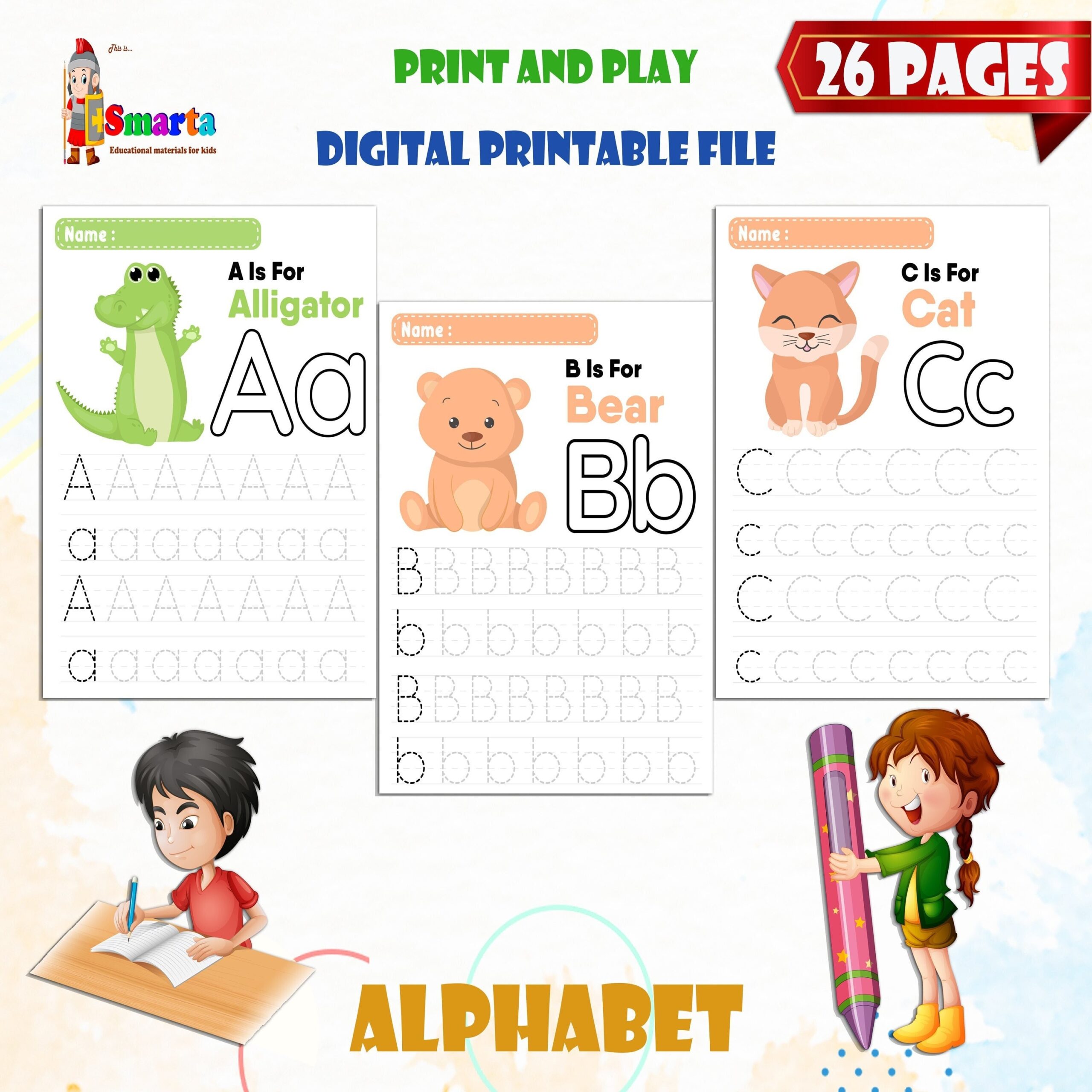
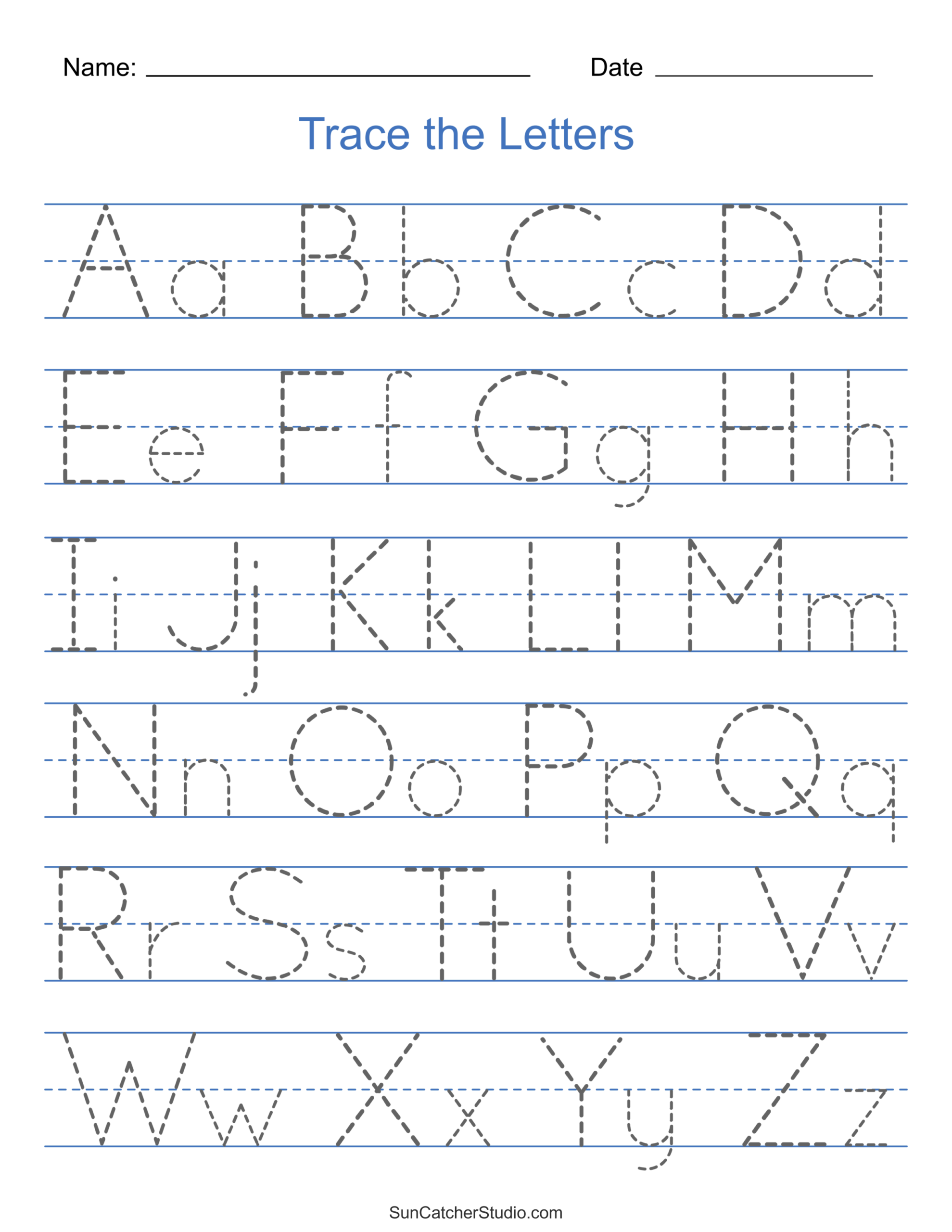
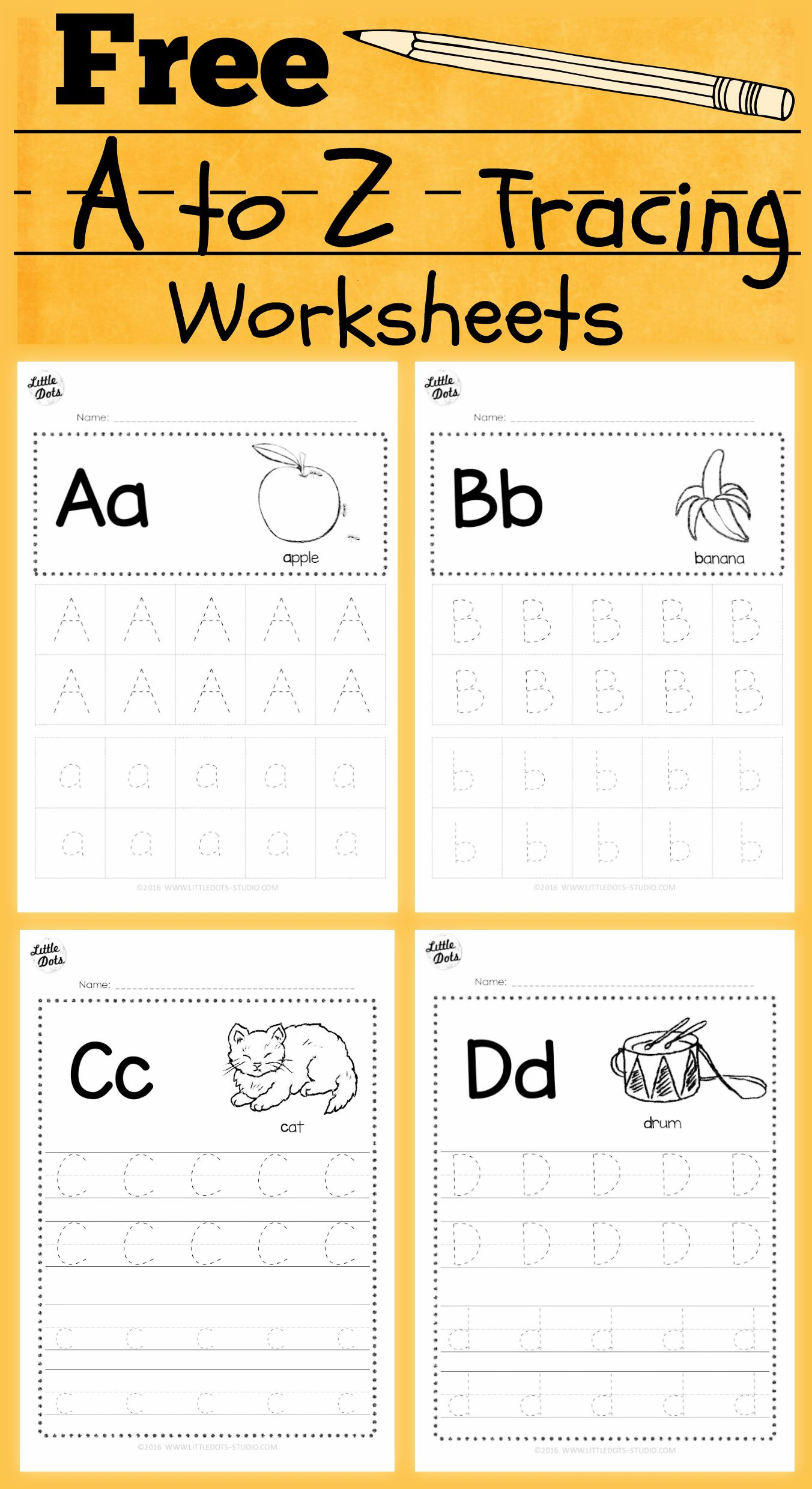
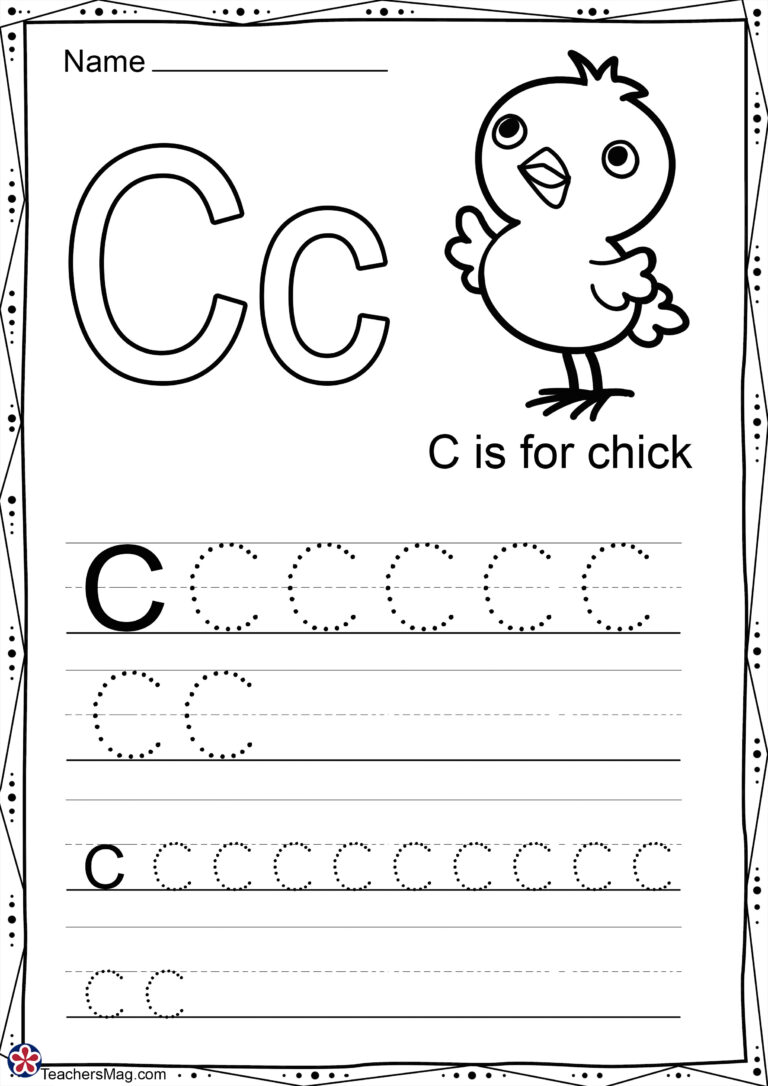
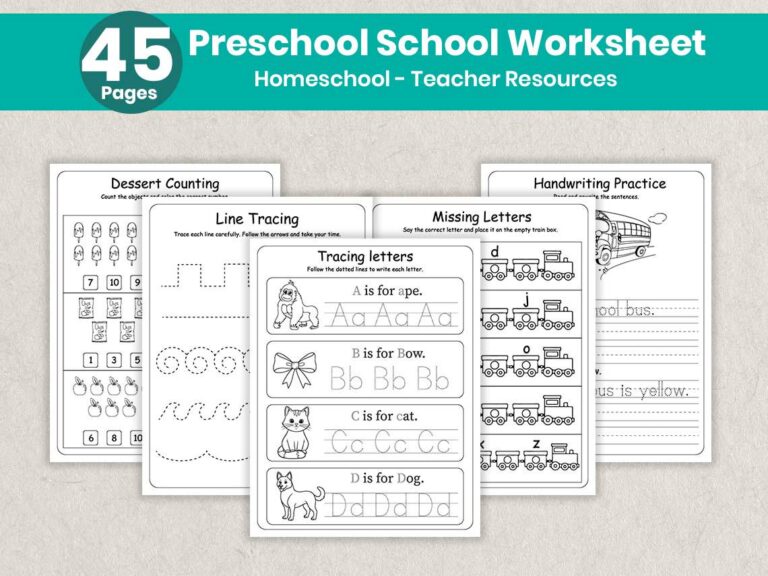
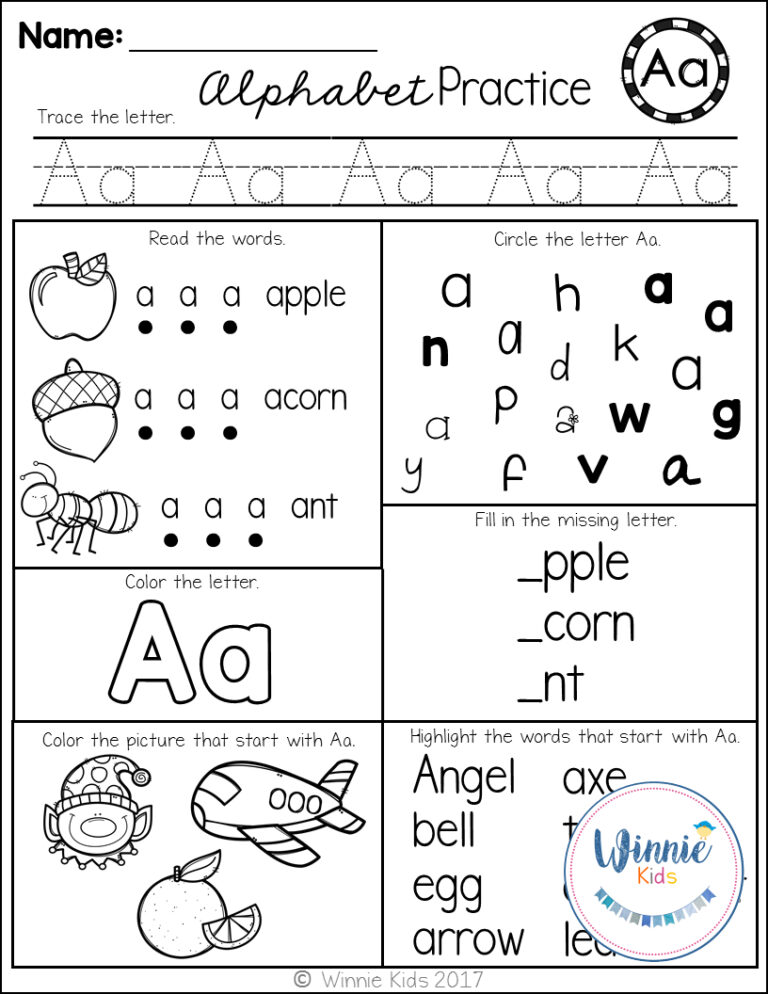
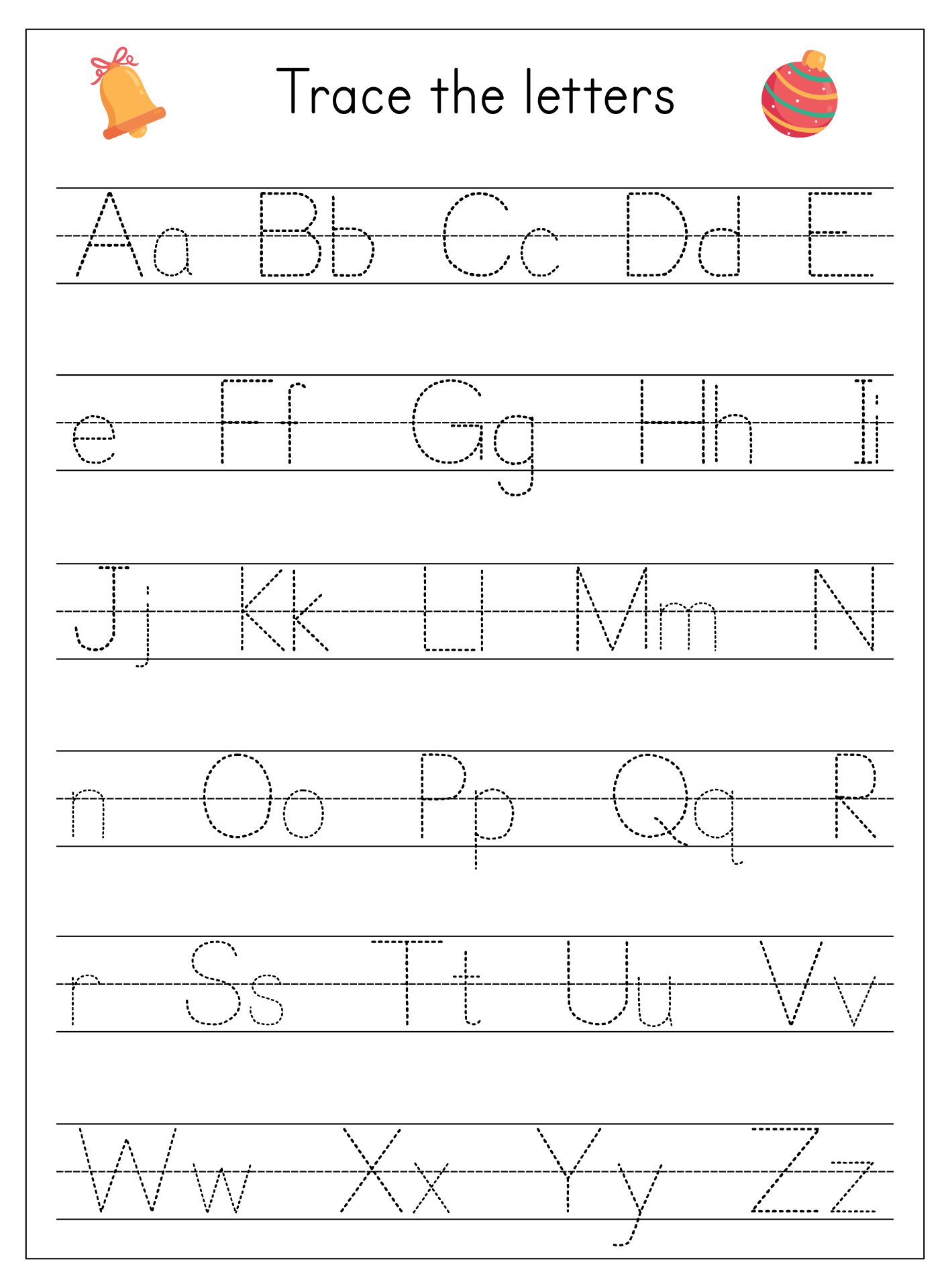
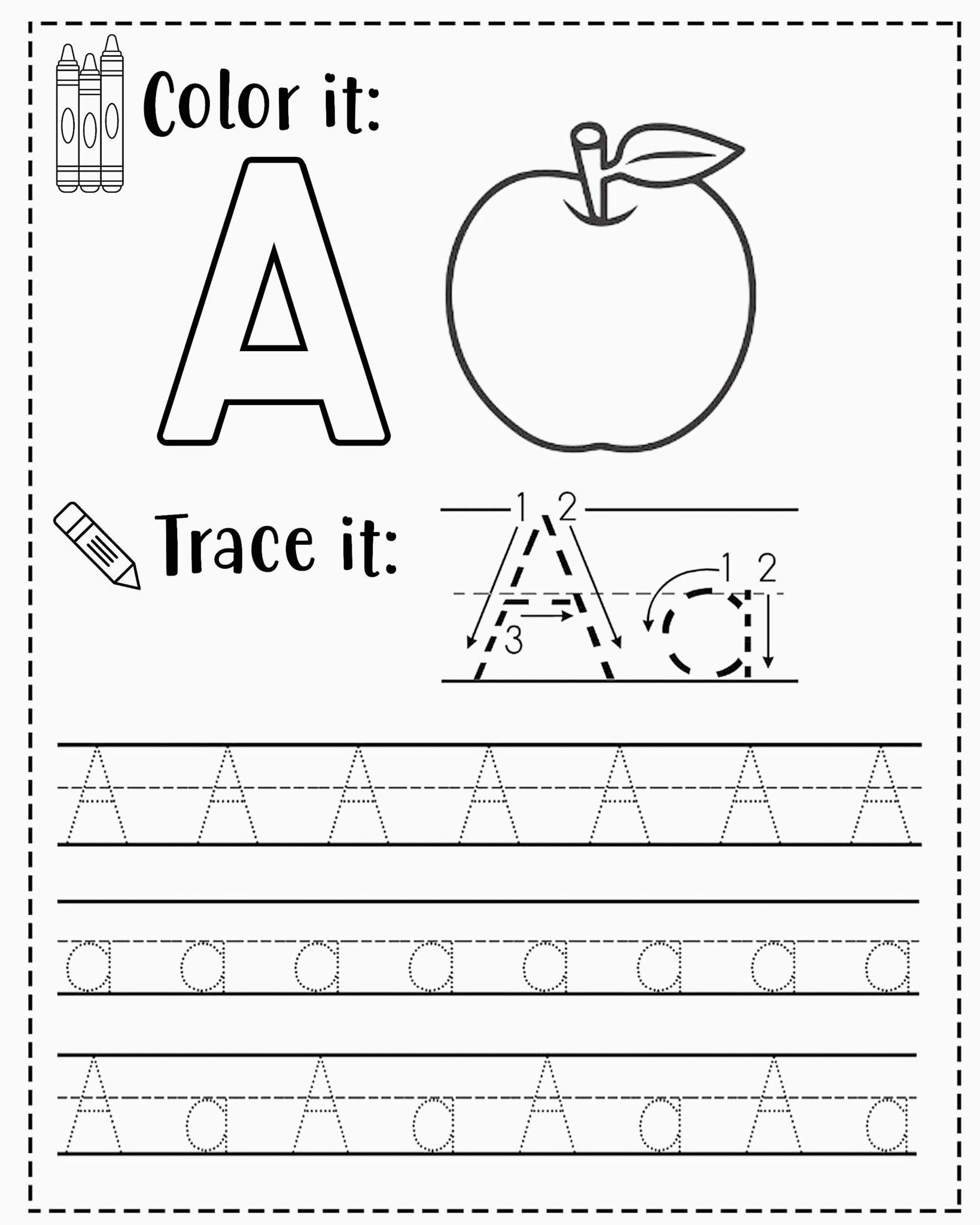
Alphabet tracing worksheets are printable tools that feature letters of the alphabet in a format that encourages children to trace over them. Typically, these worksheets include both uppercase and lowercase letters, along with illustrations or images that correspond to each letter. For example, the letter “A” might be accompanied by an apple, making it easier for kids to associate the letter with a word.
These worksheets are perfect for preschoolers who are just beginning to learn how to write. They provide a structured way for children to practice letter formation, which is crucial for developing writing skills.
How to Use Free Alphabet Tracing Worksheets Effectively
Using these worksheets effectively involves more than just printing them out. Here’s a step-by-step guide based on my own experiences:
- Choose the Right Worksheet: Start by selecting worksheets that suit your child’s current skill level. Many websites offer a variety of tracing worksheets, so look for ones specifically designed for preschoolers.
- Print on Quality Paper: For best results, print the worksheets on sturdy paper. This prevents tearing and allows for repeated use, especially if you plan to laminate them for durability.
- Use the Right Writing Tools: Provide your child with a variety of writing tools—crayons, colored pencils, or dry-erase markers if the sheets are laminated. Each tool can offer a different experience and help maintain your child’s interest.
- Create a Routine: Establish a consistent time for tracing practice, such as after lunch or before bedtime. Regular practice helps reinforce skills and makes learning a habit.
- Encourage Independence: Allow your child to attempt tracing the letters on their own before providing assistance. This builds confidence and improves their fine motor skills.
- Incorporate Fun Activities: Pair the tracing activity with fun games or songs related to the alphabet. This can help your child engage more deeply with the learning process.
Benefits of Using Tracing Worksheets
There are several advantages to incorporating tracing worksheets into your child’s learning routine:
- Fine Motor Skills Development: Tracing helps strengthen the small muscles in your child’s hands, which is essential for writing.
- Letter Recognition: As they trace each letter, children will become more familiar with the shapes of the letters, aiding in their ability to recognize them in other contexts.
- Confidence Building: Completing worksheets successfully can boost your child’s self-esteem, encouraging them to tackle more challenging writing tasks in the future.
- Fun and Engaging: Kids often enjoy tracing letters, especially when they can color in pictures or receive praise for their efforts.
Where to Find Free Alphabet Tracing Worksheets
You can find a plethora of Free Alphabet Tracing Worksheets For Preschool online. Here are a few reputable sources:
- Educational Websites: Websites like Teachers Pay Teachers or Education.com offer free and paid resources. Look for those specifically tagged as “preschool” to ensure they meet your child’s needs.
- Printable Resource Sites: Many sites provide free downloads of alphabet tracing worksheets. These often come in PDF format, which is easy to print and share.
- Craft Blogs: Some parenting and educational blogs offer free printables as part of their content. A simple search for “free alphabet tracing worksheets” will yield plenty of options.
Tips for Maximizing the Use of Worksheets
To get the most out of these worksheets, consider the following tips:
- Mix It Up: Alternate between different types of worksheets. Some may focus solely on tracing, while others might include letter recognition games or coloring activities.
- Track Progress: Keep a folder for your child’s completed worksheets. This not only organizes their work but also allows you to track their progress over time.
- Celebrate Achievements: Celebrate milestones, like tracing all the letters correctly or completing a worksheet. Positive reinforcement can encourage continued effort.
Adapting Worksheets for Different Learning Styles
Every child is unique, and some may need more support than others. Here are a few ways to adapt worksheets:
- Visual Learners: Incorporate visuals by adding pictures next to each letter that they can color after tracing.
- Kinesthetic Learners: Use sandpaper letters or playdough to mold letters before tracing them on paper. This tactile approach can enhance their learning experience.
- Auditory Learners: Pair writing activities with songs or rhymes that emphasize letter sounds and names.
Free Alphabet Tracing Worksheets For Preschool Gallery