Free Alphabet Tracing Worksheets For Preschoolers
Using Free Alphabet Tracing Worksheets for Preschoolers can make a significant difference in your child’s early literacy development. These worksheets are designed to help young learners practice their letter formation while having fun. With engaging activities and clear layouts, your preschooler will enjoy the process of learning to write. In this article, we’ll explore how to effectively use these worksheets, what to look for when choosing them, and tips for making the most out of this resource.
Benefits of Using Alphabet Tracing Worksheets
Alphabet tracing worksheets are not just about writing letters; they provide a structured way for preschoolers to develop essential skills. Here are some key benefits:
- Fine Motor Skills Development: As children trace letters, they’re honing their grip and control, which are crucial for writing later on.
- Letter Recognition: Repeated exposure to letters through tracing helps reinforce letter shapes and sounds, aiding in overall literacy.
- Confidence Building: Completing worksheets gives children a sense of achievement, boosting their confidence as they learn.
These advantages make alphabet tracing worksheets a valuable tool for parents and educators alike.
Choosing the Right Alphabet Tracing Worksheets
When selecting Free Alphabet Tracing Worksheets For Preschoolers, consider a few important factors to ensure they meet your child’s needs and learning style:
- Age Appropriateness: Look for worksheets specifically designed for preschoolers. They should feature large, clear letters that are easy for small hands to trace.
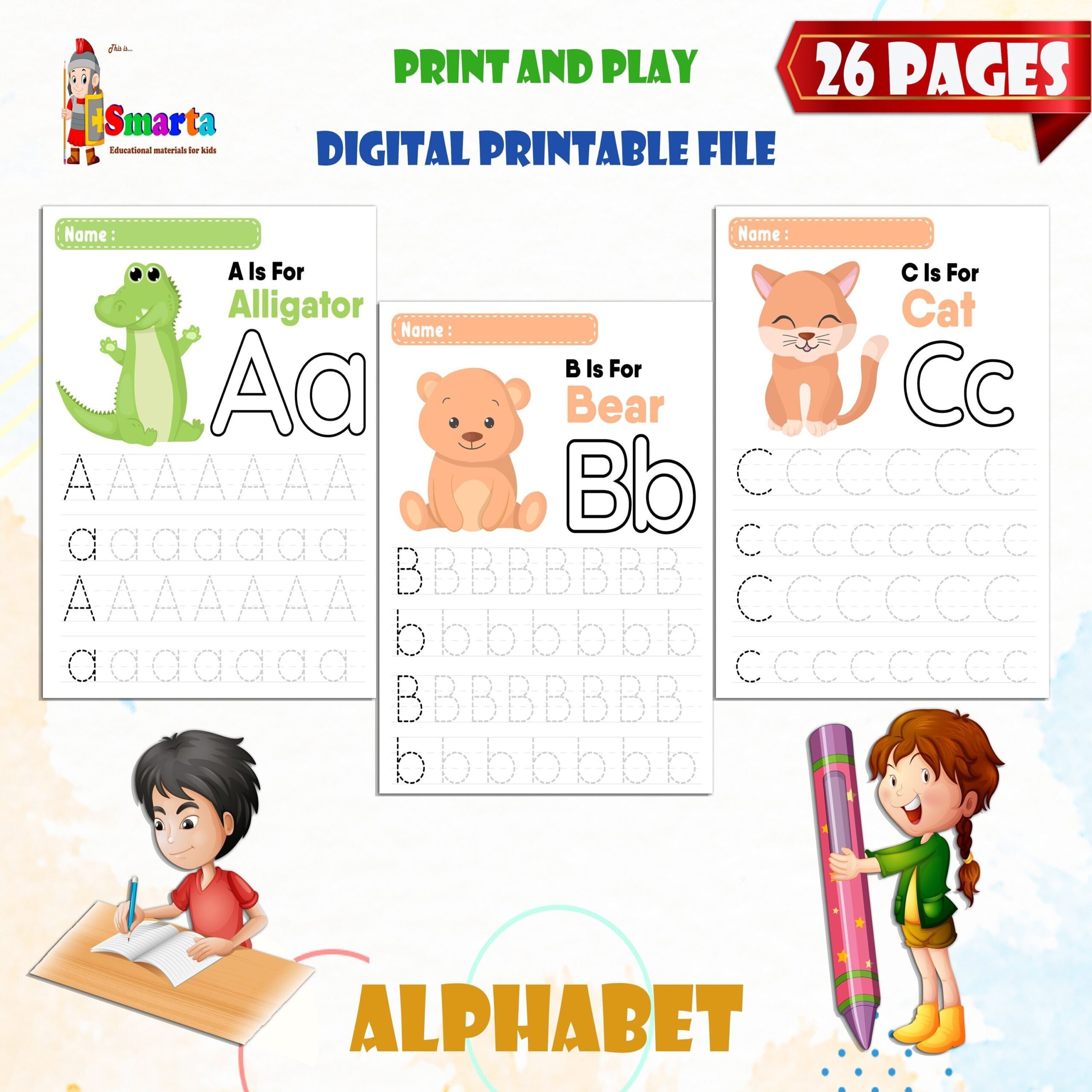
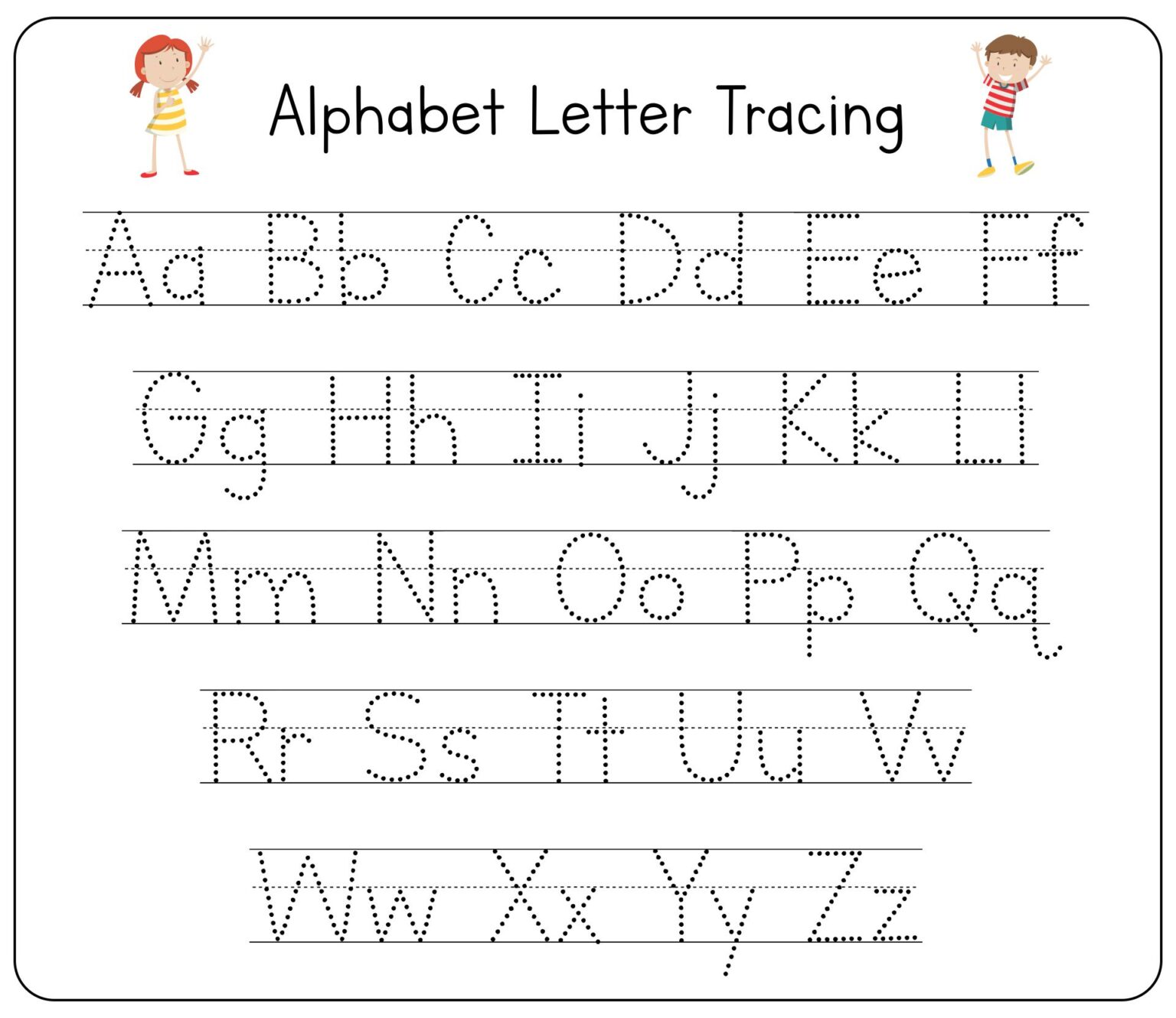
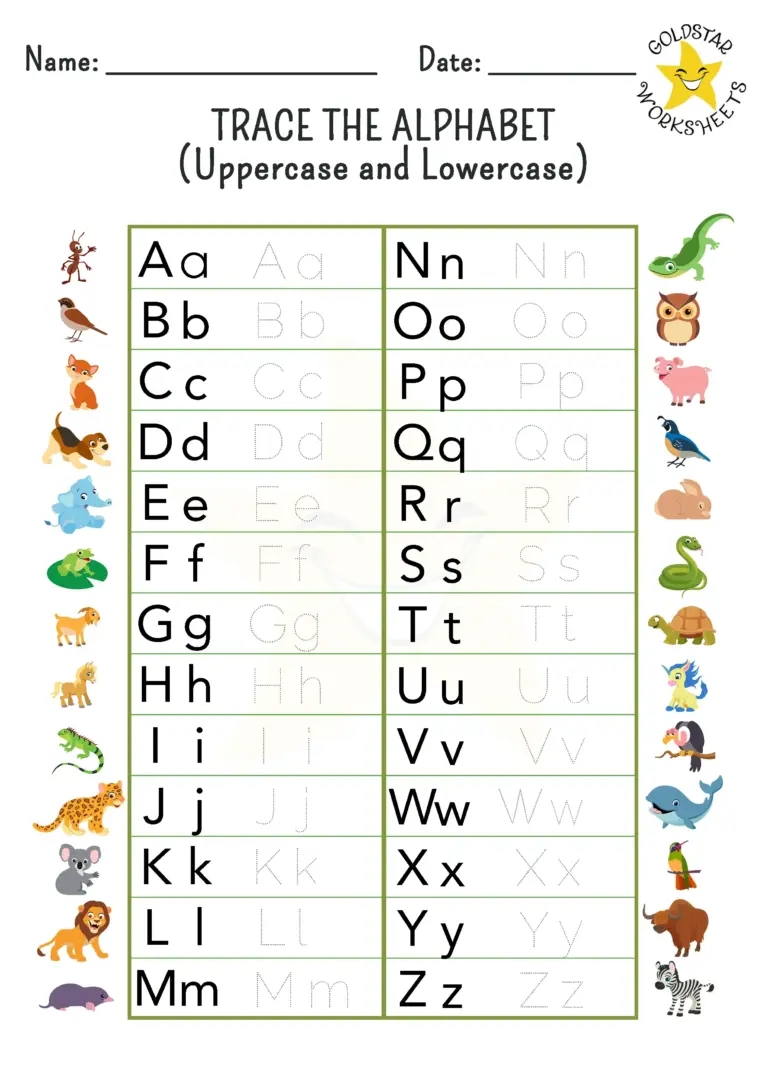
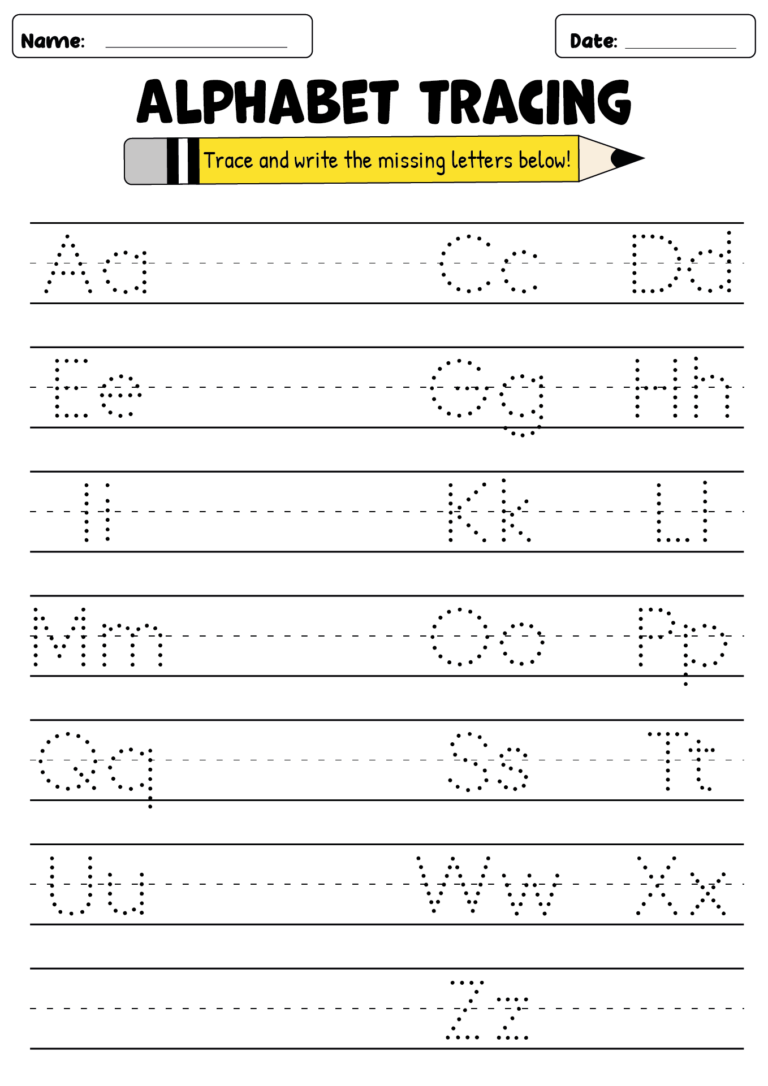
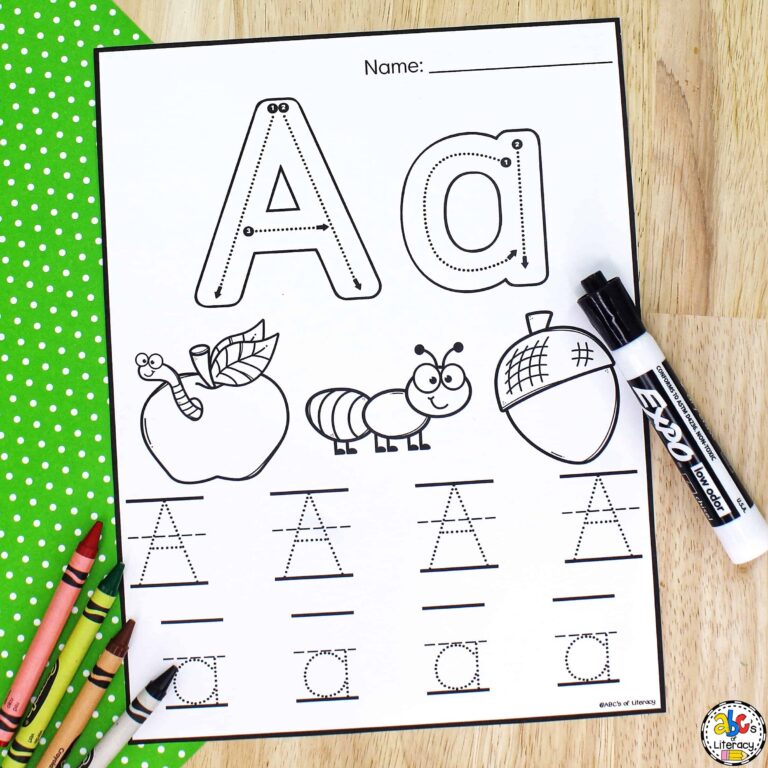
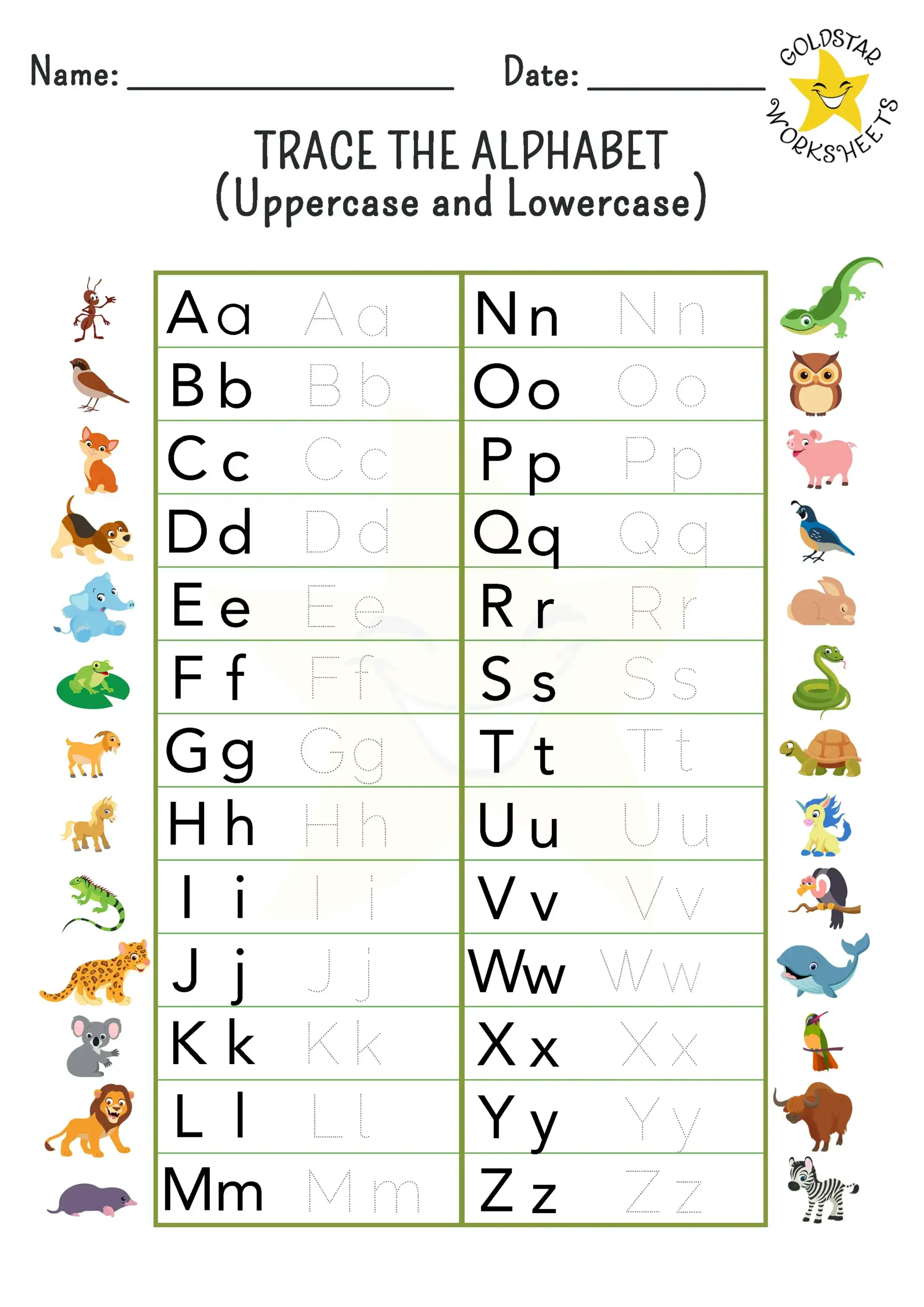
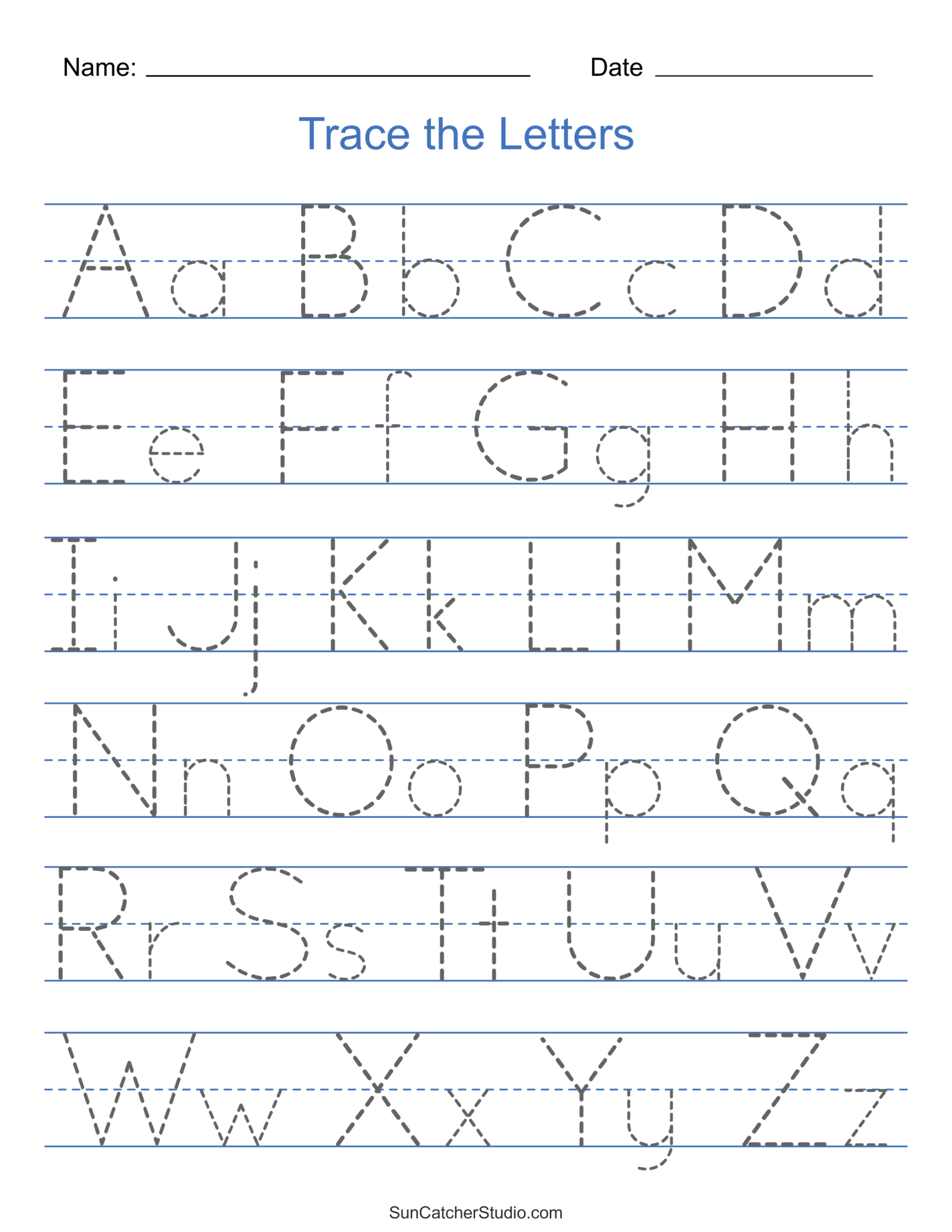
- Variety of Activities: Some worksheets include fun illustrations, dotted letters for tracing, and even spaces for children to write their letters independently. This variety keeps the learning process engaging.
- Printable Quality: Ensure the worksheets are high-resolution PDFs. This prevents distortion when printed, providing a professional look that’s easy to use.
Printing and Preparing the Worksheets
Once you’ve chosen the right worksheets, it’s time to print them. Here are some tips for optimal results:
- Paper Type: Use standard printer paper for daily practice, but if you want to reuse the worksheets, consider printing on cardstock. This sturdier paper holds up better, especially if laminated.
- Printing Settings: Make sure to set your printer to the correct paper size (usually 8.5″ x 11″) and select the best quality print setting for clarity.
- Lamination: If you plan to use the worksheets multiple times, laminating them allows your child to use dry-erase markers. This makes the worksheets reusable and easy to clean.
Incorporating Tracing Worksheets Into Daily Learning Routines
Integrating tracing worksheets into your child’s daily routine can enhance their learning experience. Here are some practical ways to do this:
- Set a Regular Time: Establish a specific time each day for tracing practice. Consistency helps reinforce learning and builds a habit.
- Combine with Other Activities: Pair tracing worksheets with related activities such as reading books that emphasize letters or singing the alphabet song. This creates a multi-faceted learning environment.
- Positive Reinforcement: Celebrate your child’s progress. Whether it’s mastering a letter or completing a worksheet, positive feedback encourages them to continue practicing.
Creative Ways to Use Alphabet Tracing Worksheets
To keep your preschooler engaged, consider these creative approaches to using Free Alphabet Tracing Worksheets For Preschoolers:
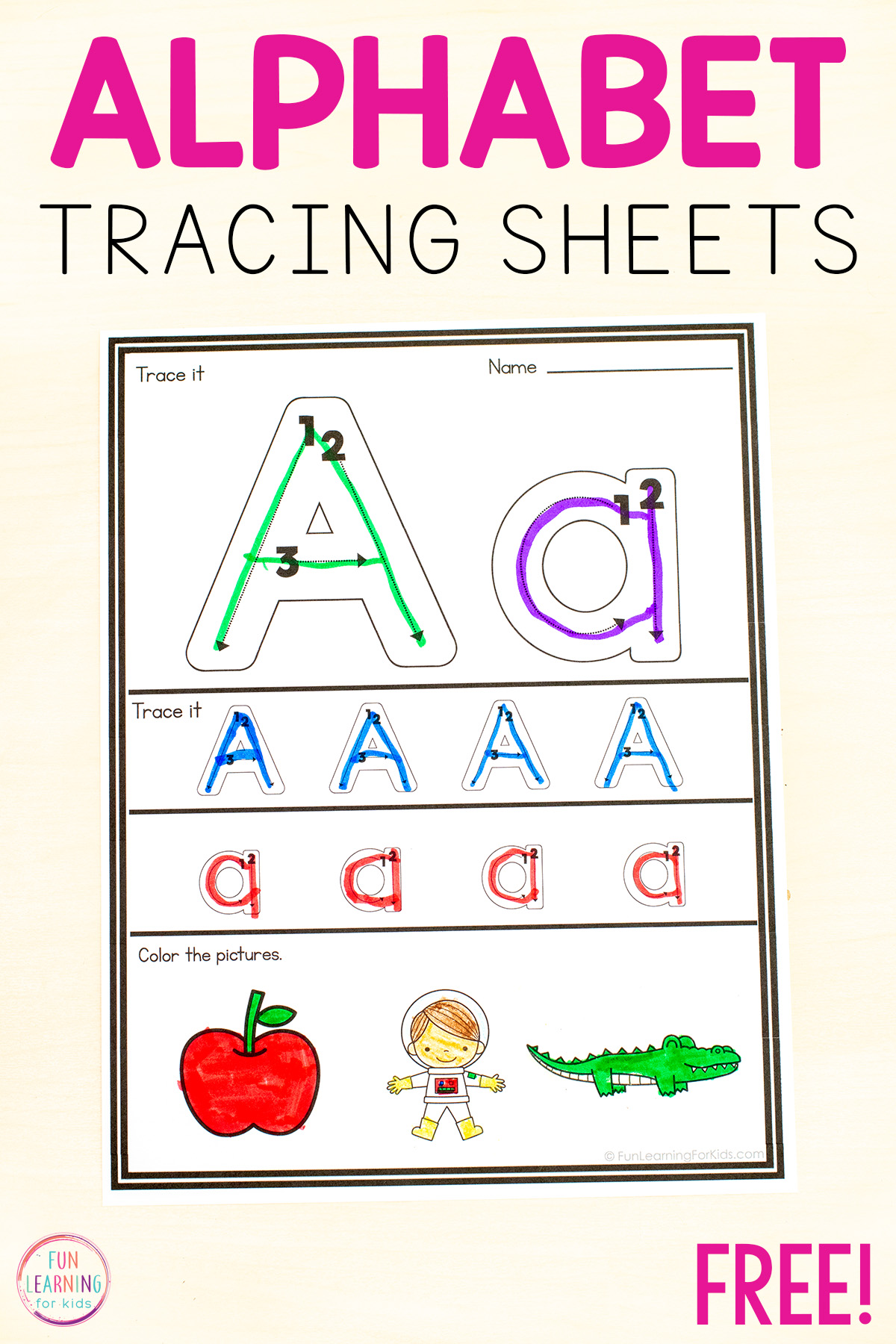
- Art Integration: After tracing letters, encourage your child to color in pictures that begin with that letter. For example, tracing the letter ‘A’ followed by coloring an apple can reinforce learning.
- Interactive Games: Turn tracing into a game by timing how long it takes to trace a letter or challenging them to write the letter without looking at the worksheet.
- Storytime Connection: After completing their worksheets, read a story that features the letters or words they practiced. This reinforces their learning in a fun and meaningful way.
Monitoring Progress and Adapting to Your Child’s Needs
As your preschooler works through the Free Alphabet Tracing Worksheets, it’s important to monitor their progress and adapt the materials as needed:
- Assess Skill Level: Regularly evaluate which letters your child finds easy or challenging. Focus on those that require more practice.
- Gradual Progression: Start with uppercase letters, as they are usually easier for children to learn, then progress to lowercase letters once they gain confidence.
- Feedback and Adjustments: Encourage your child to express how they feel about the worksheets. If they find certain letters too challenging, adjust the focus to suit their pace.
By actively engaging with your child’s learning process and using these worksheets thoughtfully, you can significantly enhance their early literacy skills. The right resources, combined with your support, will set a strong foundation for their educational journey.
Free Alphabet Tracing Worksheets For Preschoolers Gallery