Easy Phonics Worksheets For Preschoolers
If you are a parent or a teacher, finding effective resources for teaching phonics can be a challenge. Easy Phonics Worksheets For Preschoolers are designed to make learning fun and engaging for young children. These worksheets help preschoolers develop essential phonics skills, laying the foundation for reading success. Here’s how to make the most out of these worksheets and incorporate them into your daily routine.
What Are Easy Phonics Worksheets?
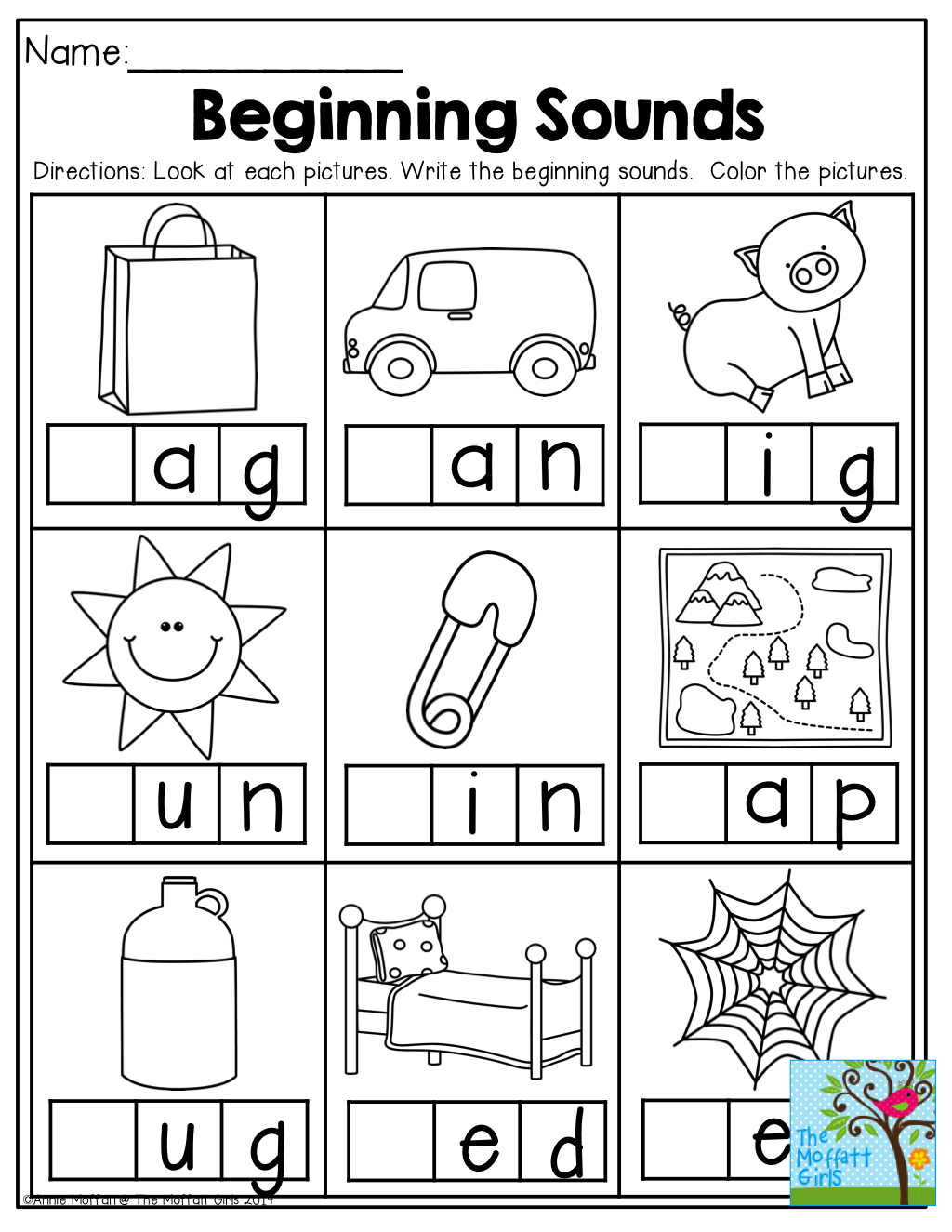
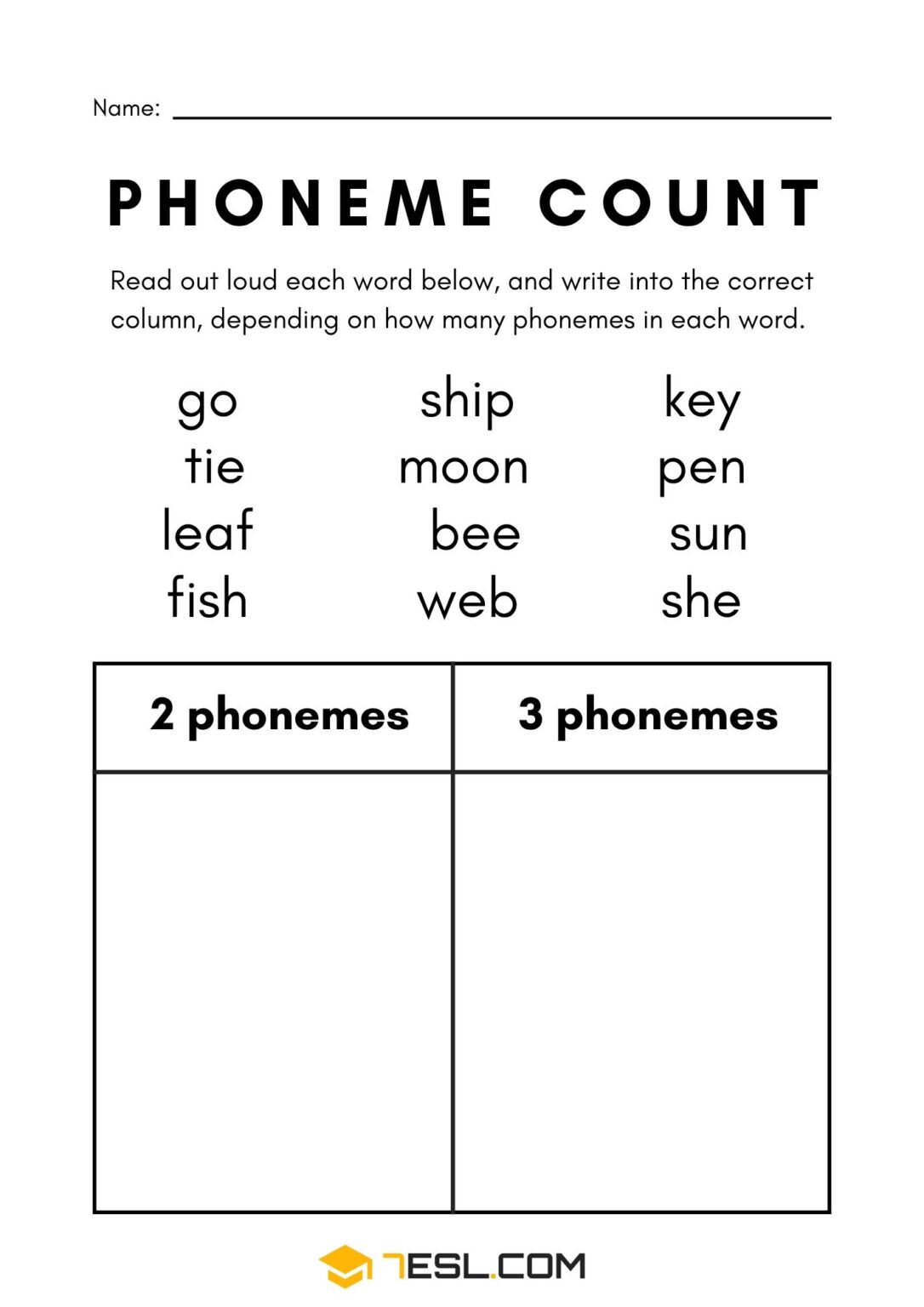
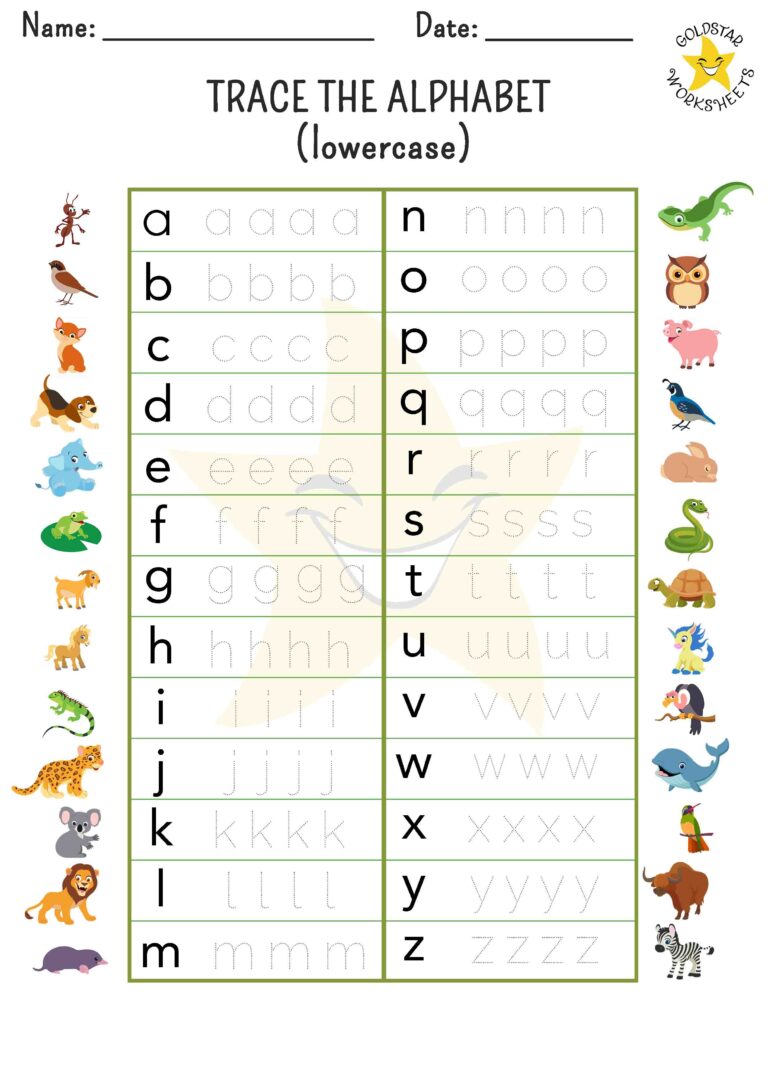
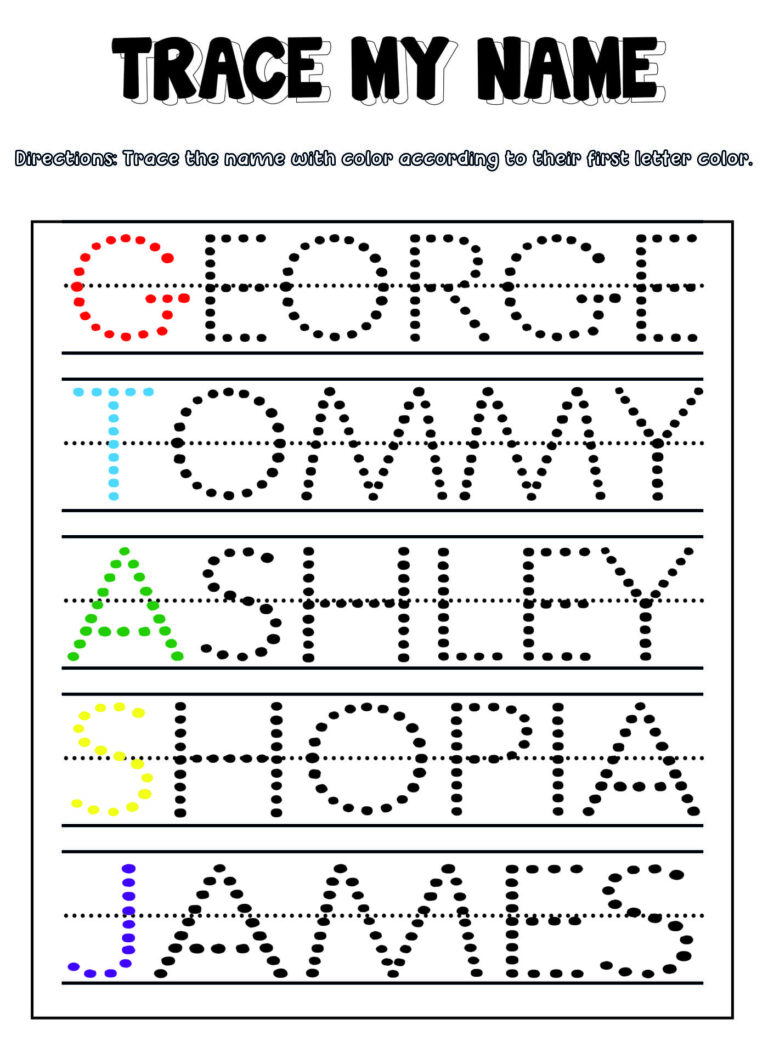
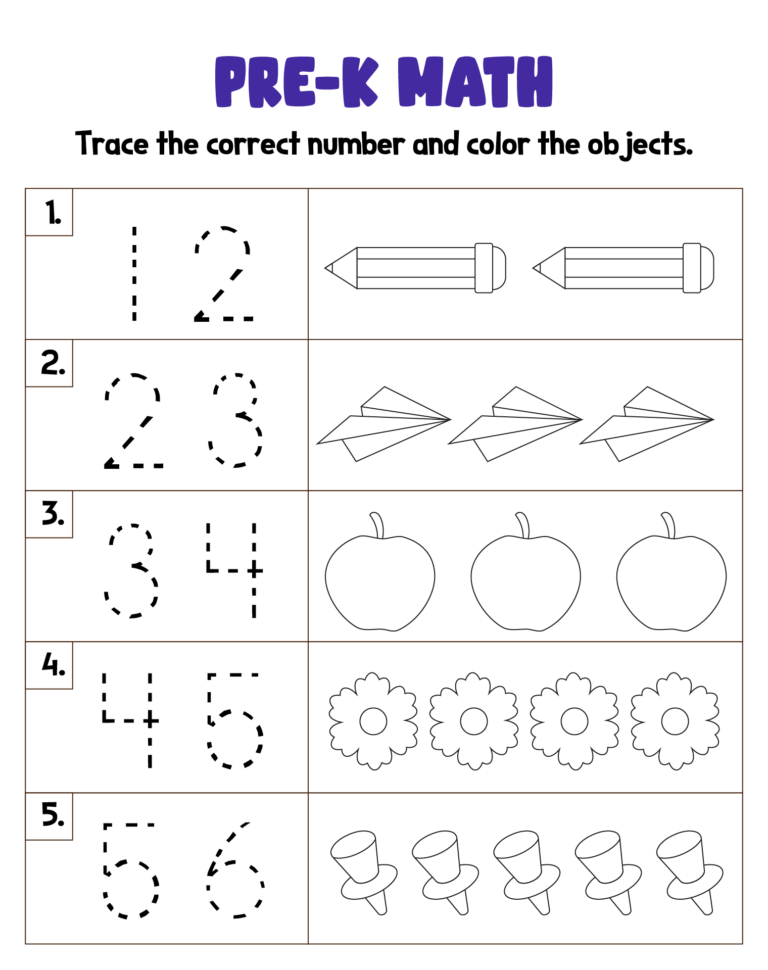
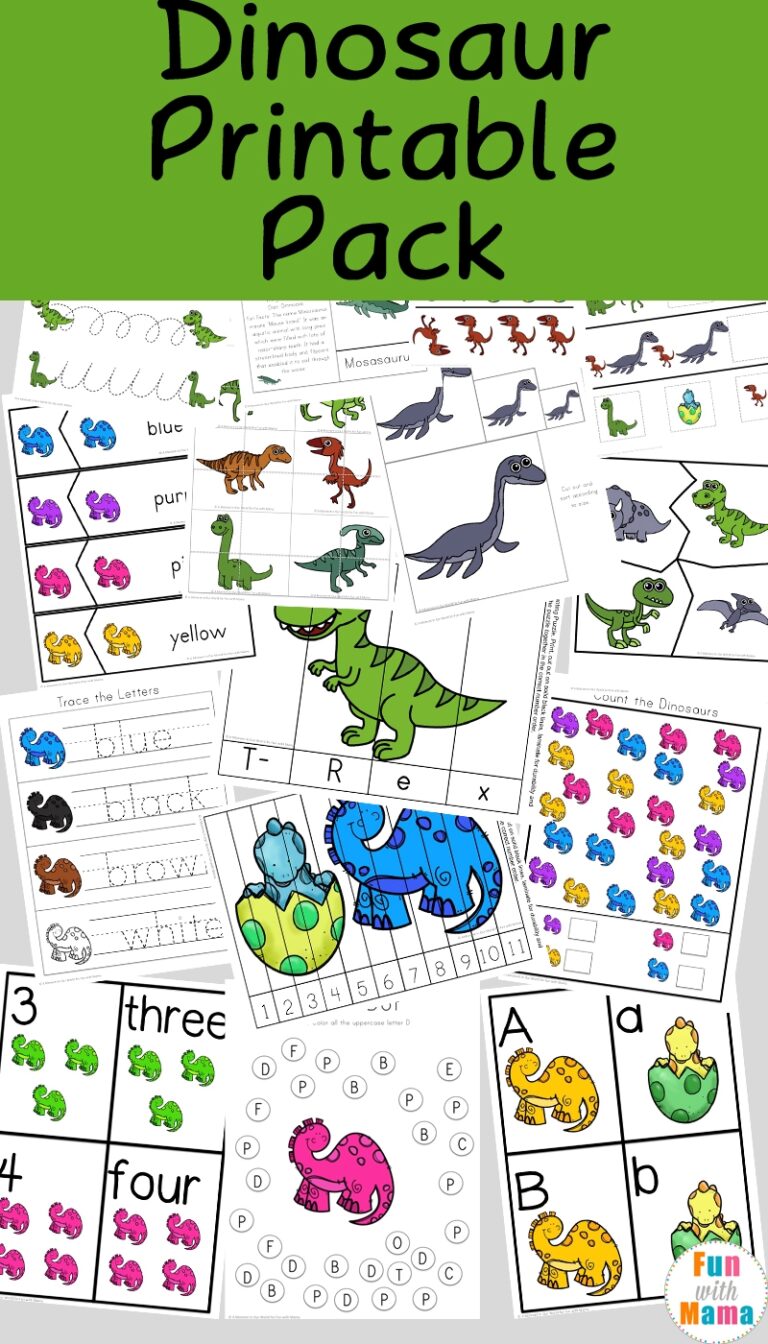
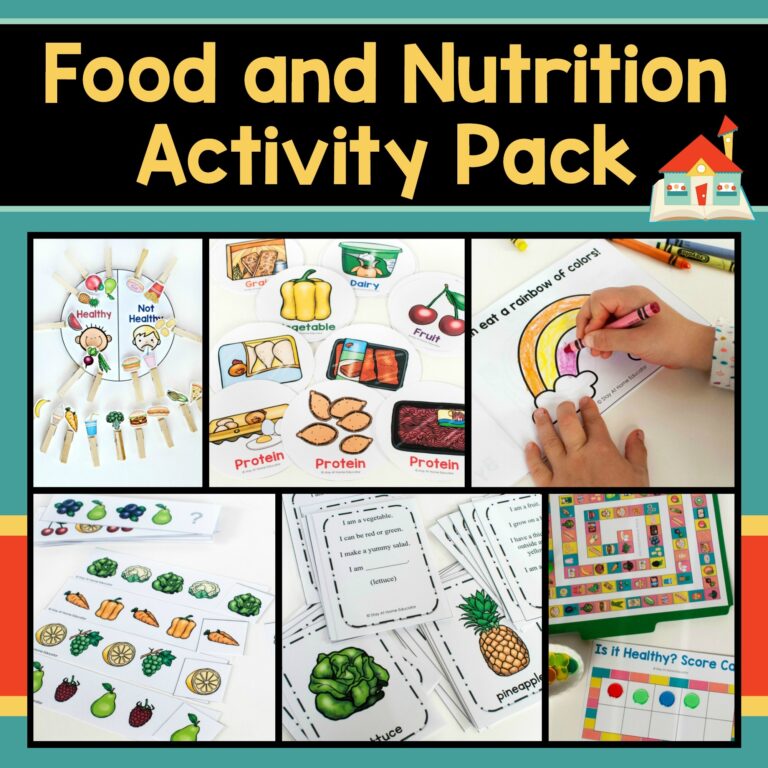
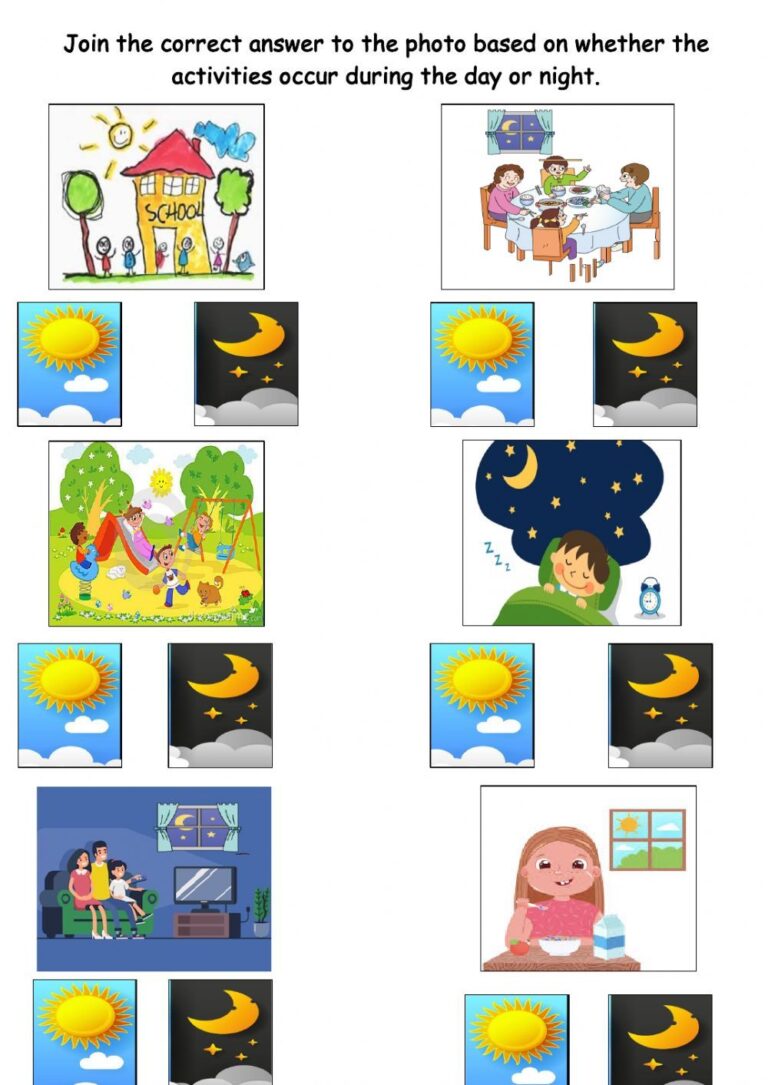
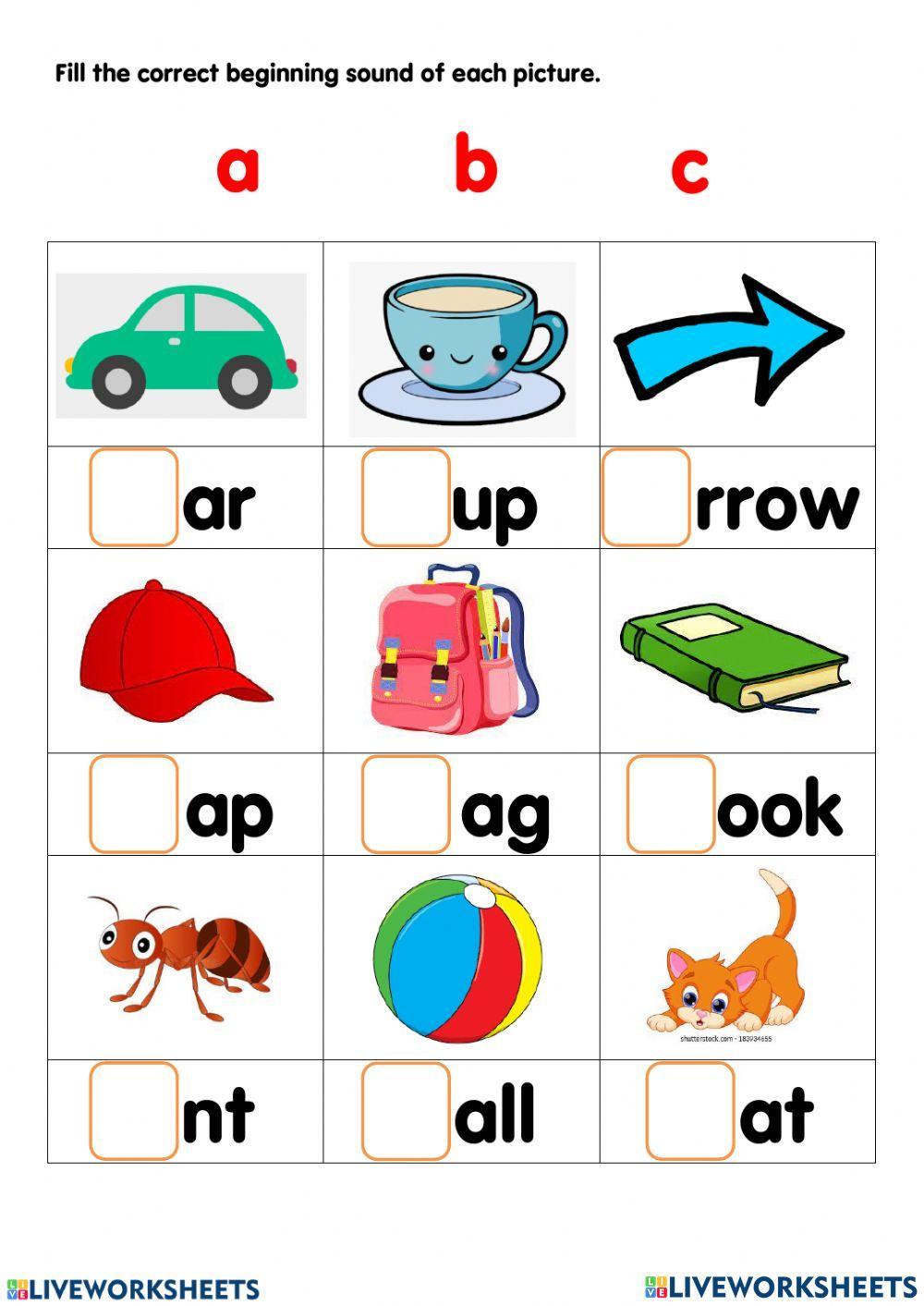
Easy Phonics Worksheets are tailored specifically for preschoolers to help them recognize letters, sounds, and basic word structures. These worksheets typically include a mix of activities such as tracing letters, matching sounds to pictures, and simple word-building exercises. They’re not just educational; they also inspire creativity and engagement through colorful designs and interactive tasks.
Benefits of Using Phonics Worksheets
Using phonics worksheets has numerous benefits for preschoolers:
- Skill Development: Worksheets can enhance letter recognition, sound understanding, and early reading skills.
- Engagement: Bright colors and fun activities can keep children interested in learning.
- Structure: Worksheets provide a clear structure for lessons, making it easier for parents and teachers to track progress.
- Flexibility: They can be adapted for different learning styles and paces.
How to Use Easy Phonics Worksheets
When using Easy Phonics Worksheets, consider the following approaches to maximize their effectiveness:
Digital Vs. Print
You have the option to use these worksheets in two main formats:
- Digital (fillable PDFs): Using a digital format allows children to interact with the worksheets on a tablet or computer. This method is especially useful for practicing writing skills without wasting paper. Ensure the device is child-friendly and has the necessary software for filling out forms.
- Printed Version: Printing worksheets provides a tactile experience. Children can use crayons, markers, or colored pencils to fill in their answers. For best results, print on heavier paper, like cardstock, which holds up better to erasing and repeated use.
Incorporating Worksheets Into Daily Routines
- Set a Schedule: Incorporate a designated “worksheet time” into your daily routine. Consistency helps reinforce learning.
- Mix and Match Activities: Combine worksheets with other phonics activities, such as reading aloud or phonics games, to keep engagement high.
- Encourage Sharing: If you’re a teacher, allow students to share their completed worksheets with classmates. This can foster a sense of community and motivation.
Types of Activities to Look For
When selecting Easy Phonics Worksheets For Preschoolers, look for a variety of activities that cover different aspects of phonics learning:
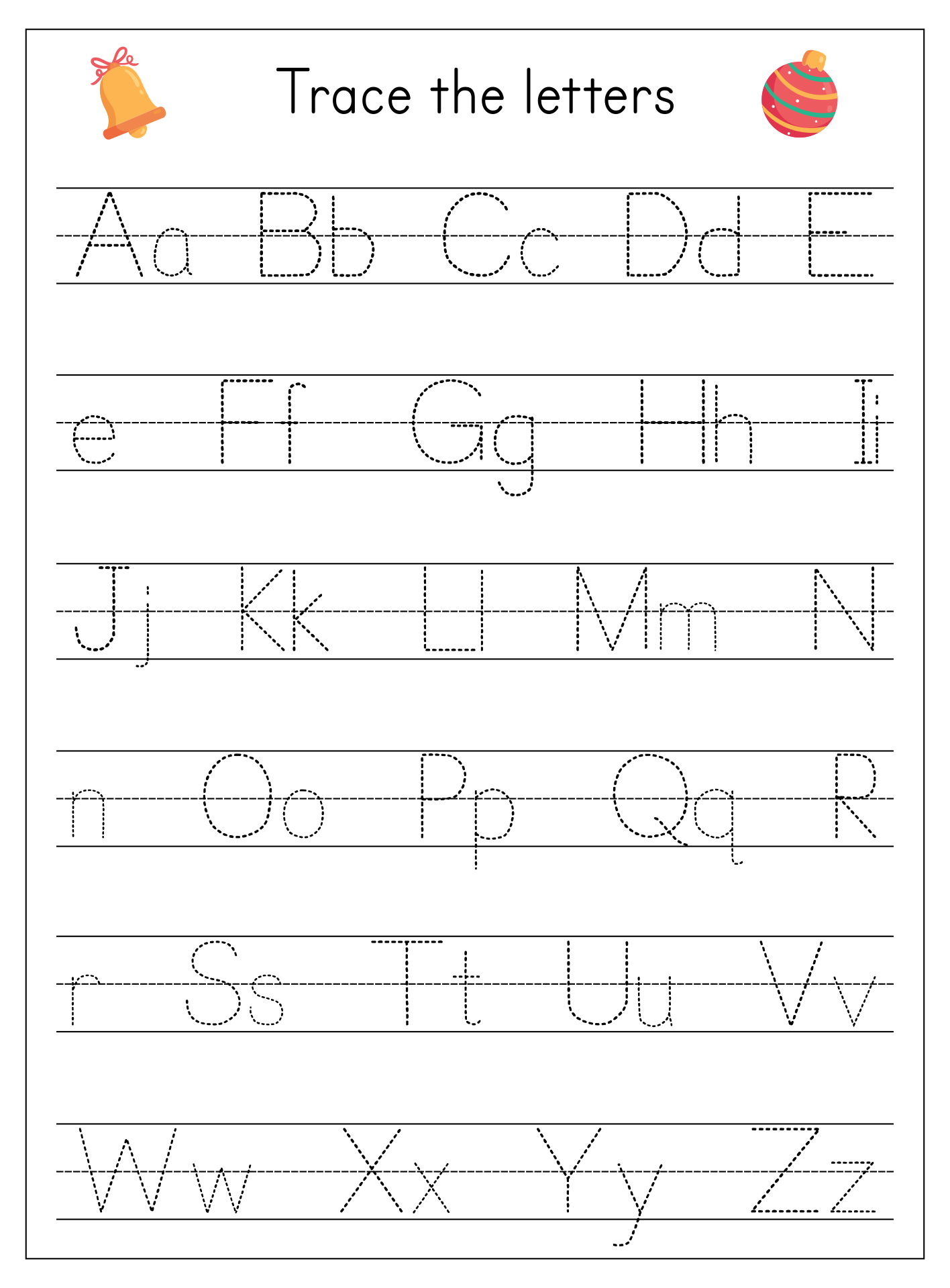
- Letter Tracing: Helps children learn proper letter formation while reinforcing sound recognition.
- Sound Matching: Activities where kids match sounds to pictures enhance auditory skills and vocabulary.
- Word Building: Simple exercises where children can create words using letter tiles or drawings help bridge phonics with early reading.
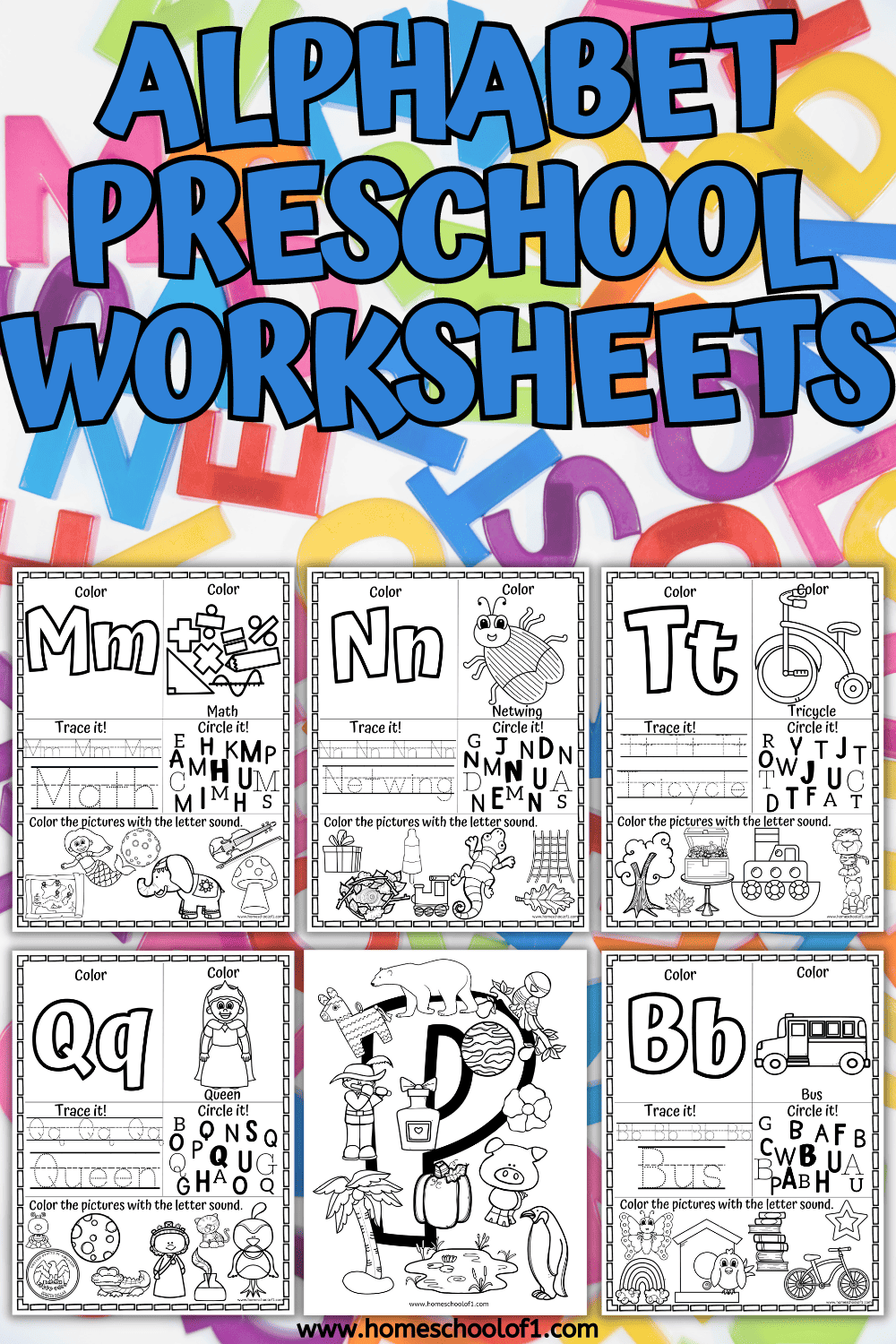
- Coloring Pages: Combining phonics with coloring can make learning more enjoyable. Look for worksheets that integrate phonics themes with coloring tasks.
Tips for Maximizing Engagement
To keep preschoolers focused while using Easy Phonics Worksheets:
- Use Rewards: Consider implementing a reward system for completed worksheets, such as stickers or extra playtime.
- Make It Interactive: Use props like letter blocks or flashcards to supplement the worksheets and create a hands-on learning experience.
- Be Patient: Every child learns at their own pace. Celebrate small achievements to encourage continued effort.
Where to Find Easy Phonics Worksheets
There are many resources online where you can find downloadable Easy Phonics Worksheets For Preschoolers. Look for reputable educational websites that offer free or low-cost printable worksheets. Make sure to check if they are aligned with early childhood education standards to ensure effectiveness.
How to Adapt Worksheets for Different Learning Styles
Every child is unique, and adapting worksheets can help meet individual needs:
- Visual Learners: Use worksheets with lots of images and colors to engage these learners.
- Kinesthetic Learners: Incorporate movement-based activities, like hopping while saying sounds or using physical letter tiles alongside the worksheets.
- Auditory Learners: Pair worksheets with songs or rhymes that reinforce phonics sounds.
Easy Phonics Worksheets For Preschoolers Gallery