Pre-K And Kindergarten Worksheets
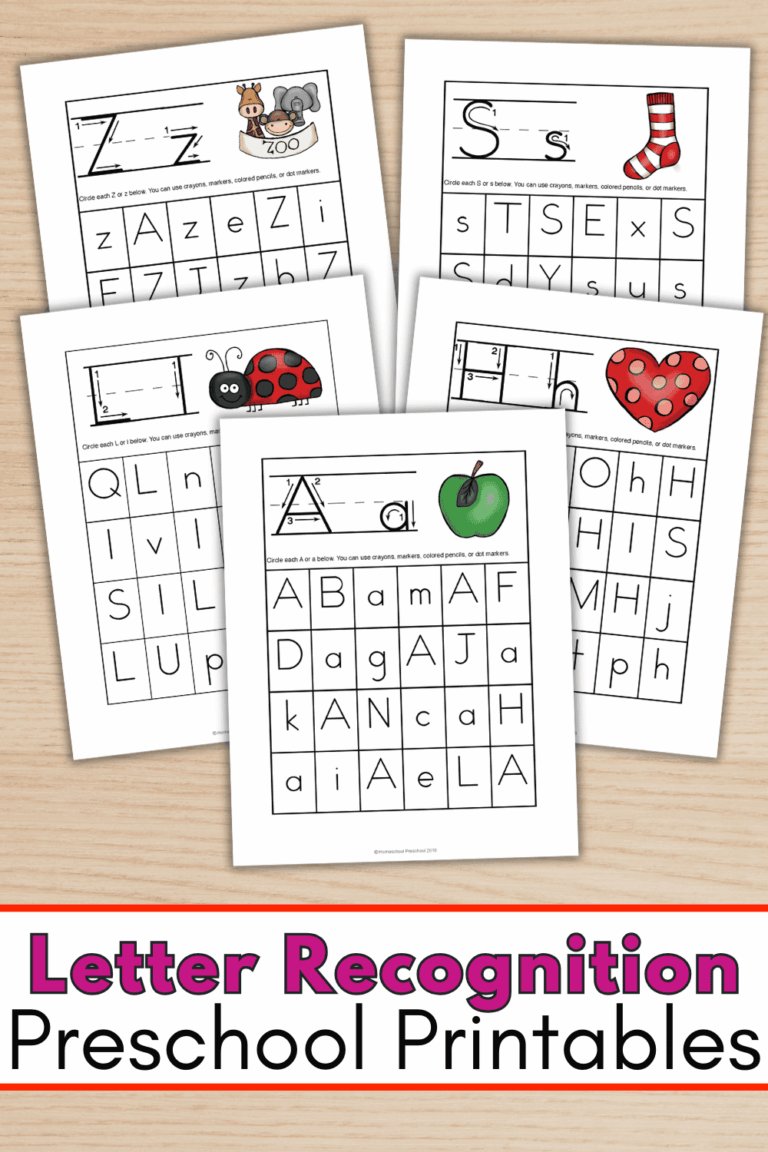
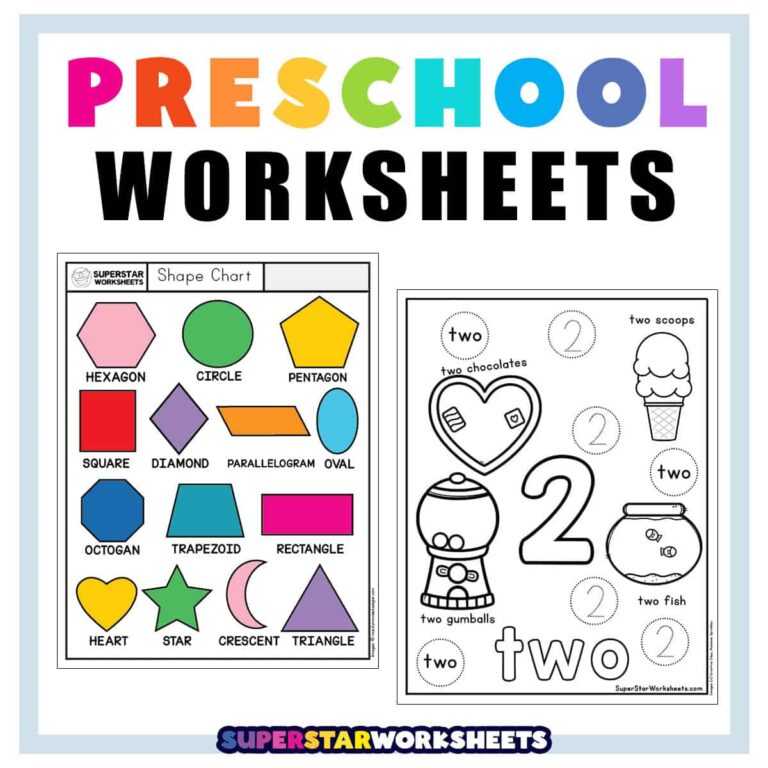
When it comes to teaching young children, engaging materials can make a world of difference. Pre-K And Kindergarten Worksheets stand out as valuable resources, offering a variety of activities that cater to the developmental needs of early learners. These worksheets provide structured opportunities for children to practice essential skills in a fun way, making learning enjoyable both at home and in the classroom.
Types of Pre-K And Kindergarten Worksheets
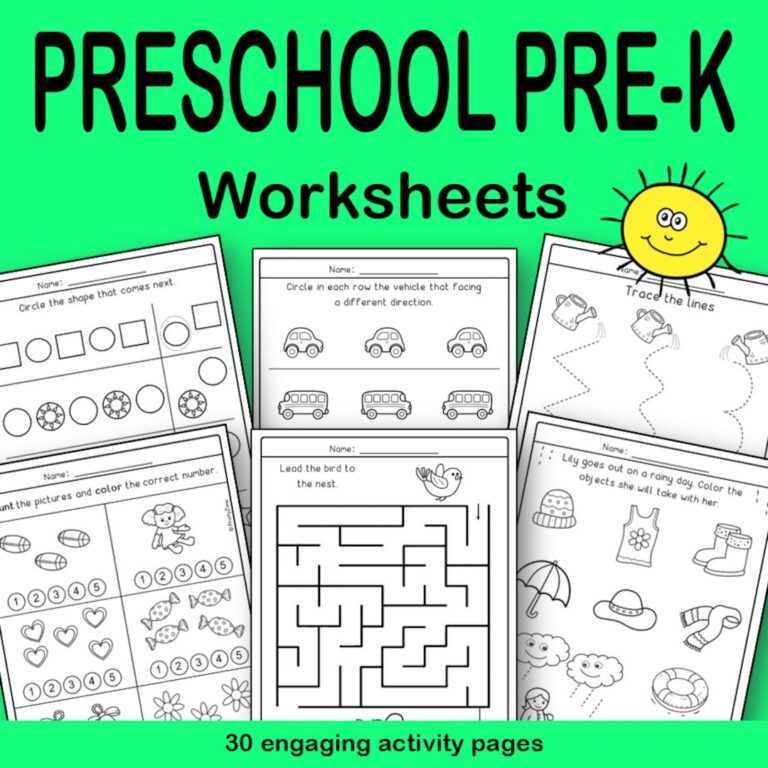
Pre-K And Kindergarten Worksheets come in various formats, each designed to target specific learning goals. Here’s a breakdown of some popular types:
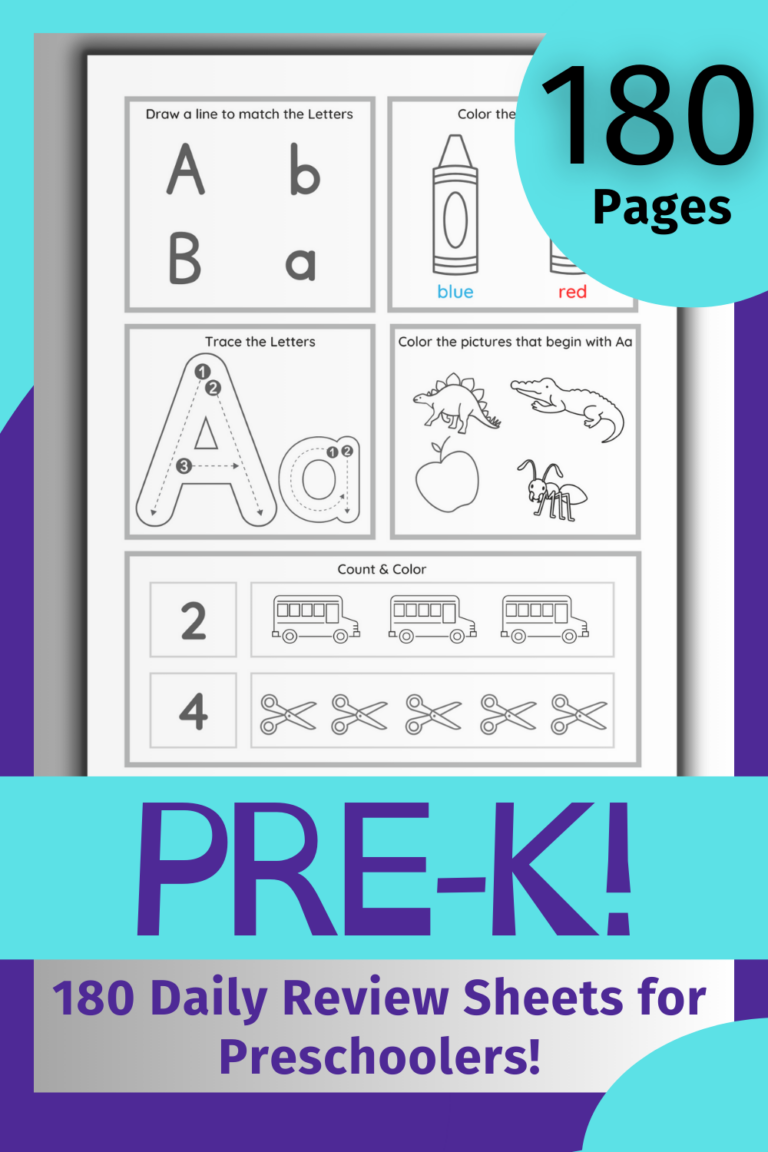
- Coloring Pages: These worksheets encourage creativity while helping children develop fine motor skills. They often feature simple shapes, animals, or seasonal themes.
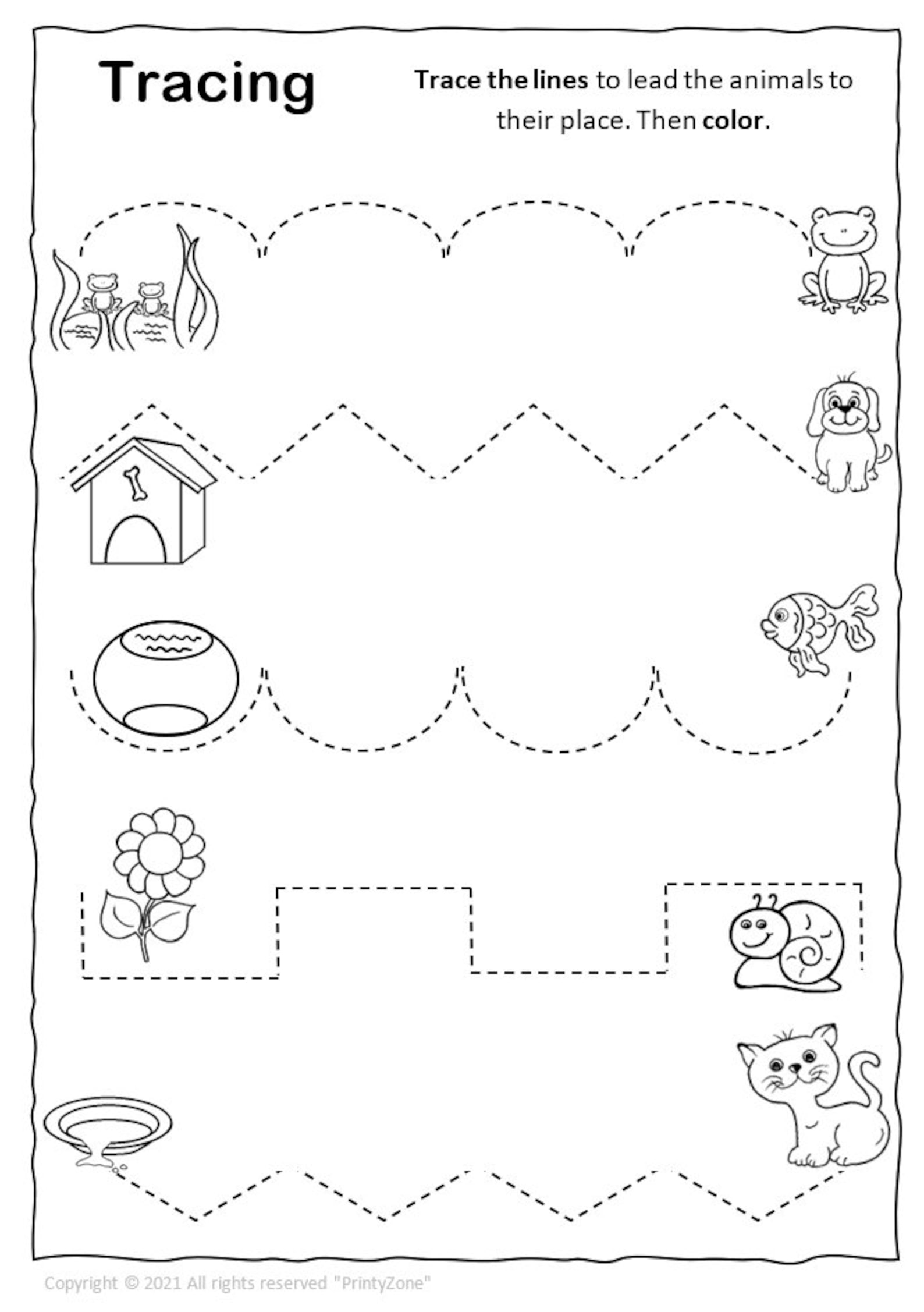
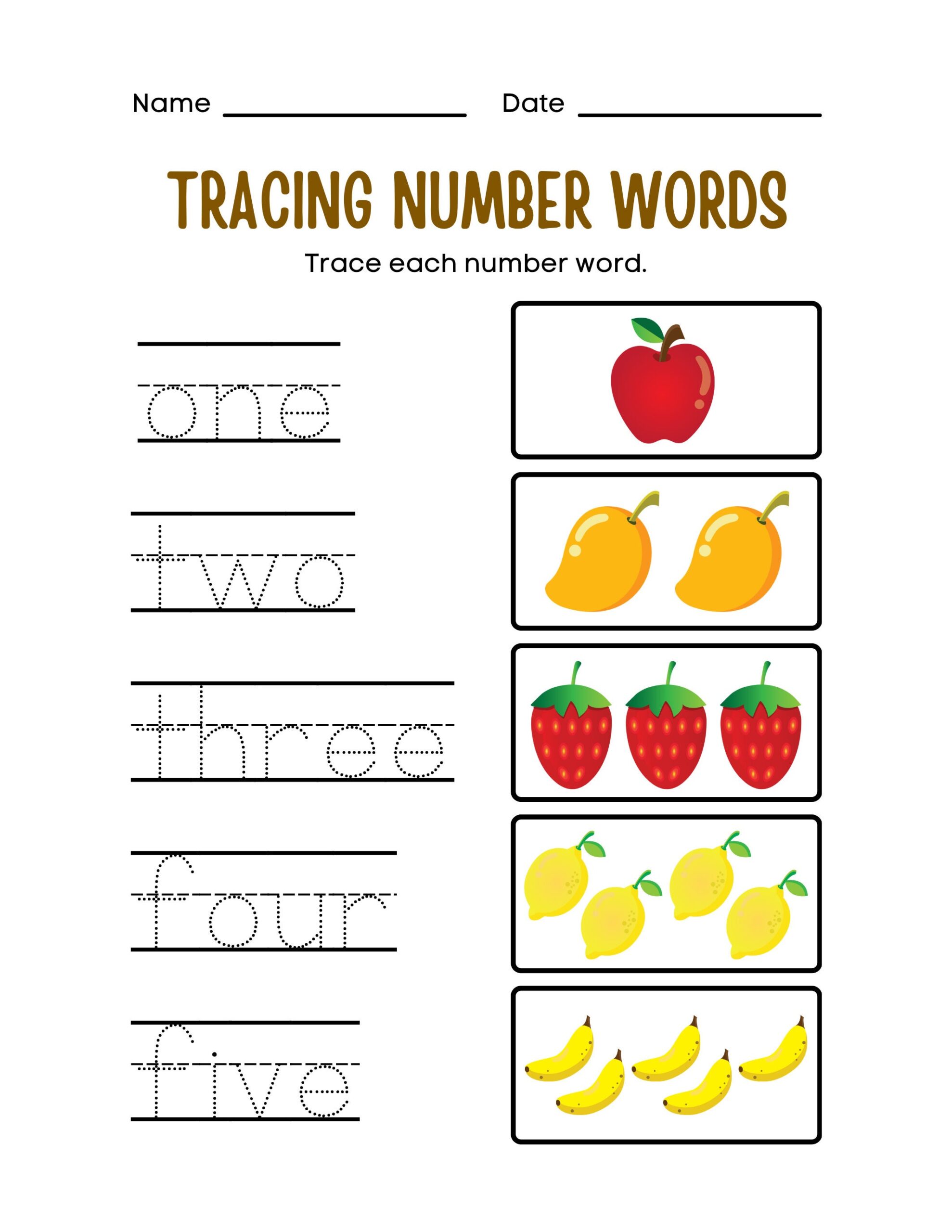
- Tracing Worksheets: Ideal for developing writing skills, these sheets allow children to trace letters, numbers, and shapes, reinforcing their understanding of basic concepts.
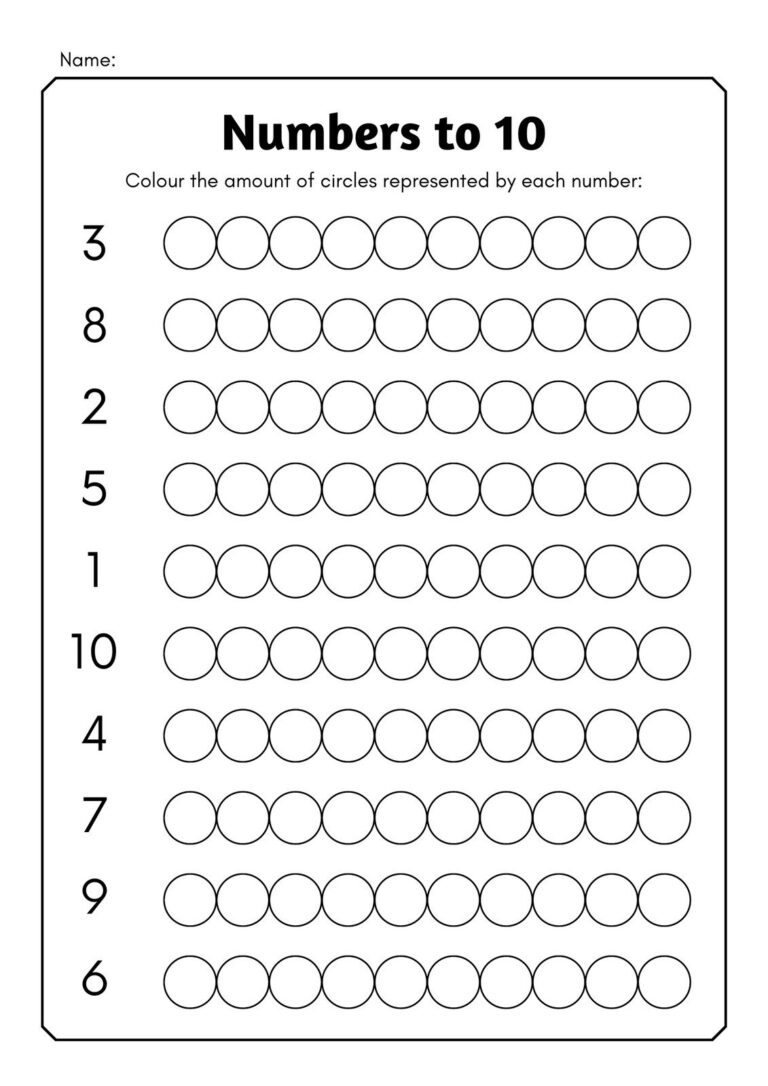
- Math Worksheets: These resources introduce foundational math skills, such as counting, addition, and subtraction, using engaging visuals and practical exercises.
- Reading Comprehension Worksheets: These help young learners connect with stories and texts, encouraging critical thinking and language development.
- Science Worksheets: Designed to spark curiosity, these worksheets might include activities related to nature, simple experiments, or basic concepts like seasons and weather.
Each type has its purpose and can be easily tailored to fit the specific needs of your classroom or home education setup.
How to Use Pre-K And Kindergarten Worksheets Effectively
Using these worksheets effectively requires a bit of planning. Here are practical tips to maximize their impact:
- Assess Skill Levels: Before distributing worksheets, assess the skill levels of your students. This will help you choose the appropriate difficulty level for each child.
- Group Activities: Consider using worksheets as part of group activities. This encourages collaboration and allows more advanced learners to assist their peers.
- Incorporate Technology: If available, use tablets or interactive whiteboards to display worksheets digitally. This can engage children who are more tech-savvy.
- Provide Instructions: Clear instructions are crucial. Ensure that children understand what they need to do before they start. This can be done verbally or with a brief demonstration.
- Create a Routine: Incorporating worksheets into a daily routine can help children expect and look forward to these activities. For example, starting each day with a short worksheet can set a positive tone.
By considering these strategies, you can create a supportive environment that enhances the learning experience.
Designing Your Own Pre-K And Kindergarten Worksheets
Sometimes, the best way to meet your students’ needs is to create your own worksheets. Here’s how to do it effectively:
- Choose a Theme: Start with a theme that resonates with your students. This could be based on seasons, holidays, or topics they are currently learning about.
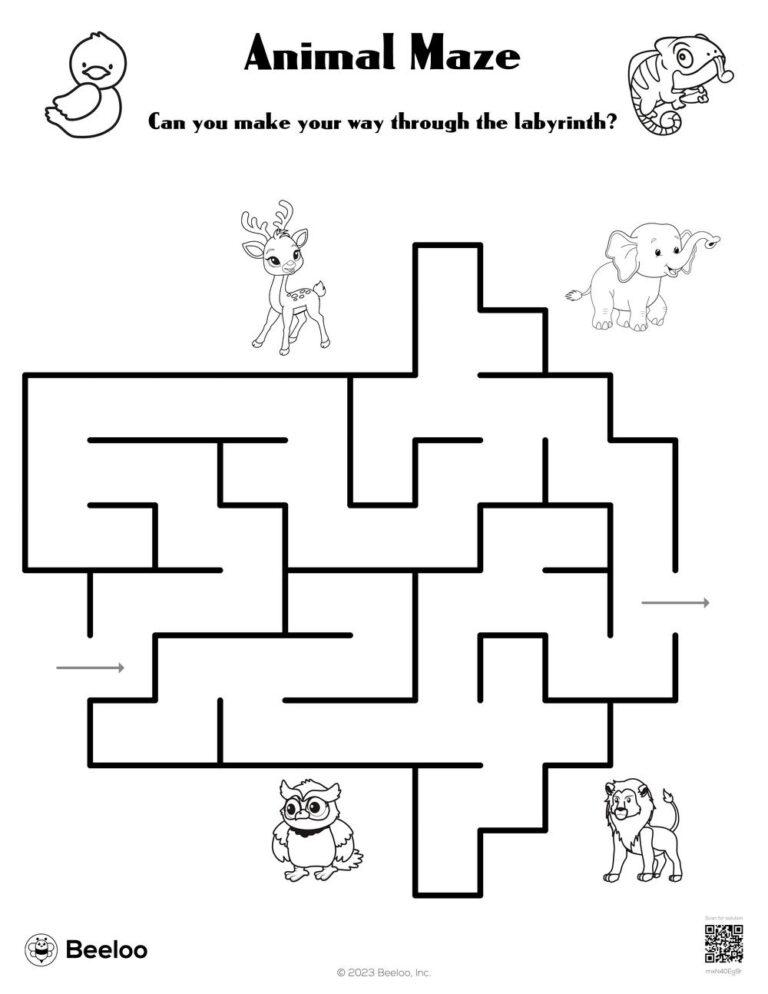
- Select Activities: Think about the skills you want to reinforce. Activities can include fill-in-the-blank exercises, matching games, or simple puzzles.
- Focus on Layout: A clear layout is essential. Ensure that the font is large and legible, and use plenty of white space to avoid overwhelming young learners.
- Use Engaging Graphics: Incorporate colorful images and illustrations to make the worksheets visually appealing. This will help capture children’s attention and keep them motivated.
- Test for Clarity: Before using a worksheet, test it out with a small group of children. Observe how they interact with it and adjust any confusing elements as needed.
Designing your own worksheets can be an enjoyable process that allows you to tailor materials specifically for your classroom.
Printing and Distributing Worksheets
Once you’ve selected or created your Pre-K And Kindergarten Worksheets, it’s time to print and distribute them. Here are some practical printing tips:
- Paper Choice: Use high-quality paper that can withstand handling by small hands. Cardstock is a great option if you plan to laminate the worksheets for durability.
- Bulk Printing: If you’re printing for an entire class, consider using a professional printing service. This can save time and ensure uniform quality.
- Double-Sided Printing: For worksheets that require multiple pages, printing double-sided can save paper and reduce clutter.
- Answer Keys: If applicable, prepare a simple answer key for yourself. This can help you quickly assess student progress without having to recheck the worksheets.
Having a solid plan for printing and distribution can streamline your preparation process and help maintain organization in your classroom.
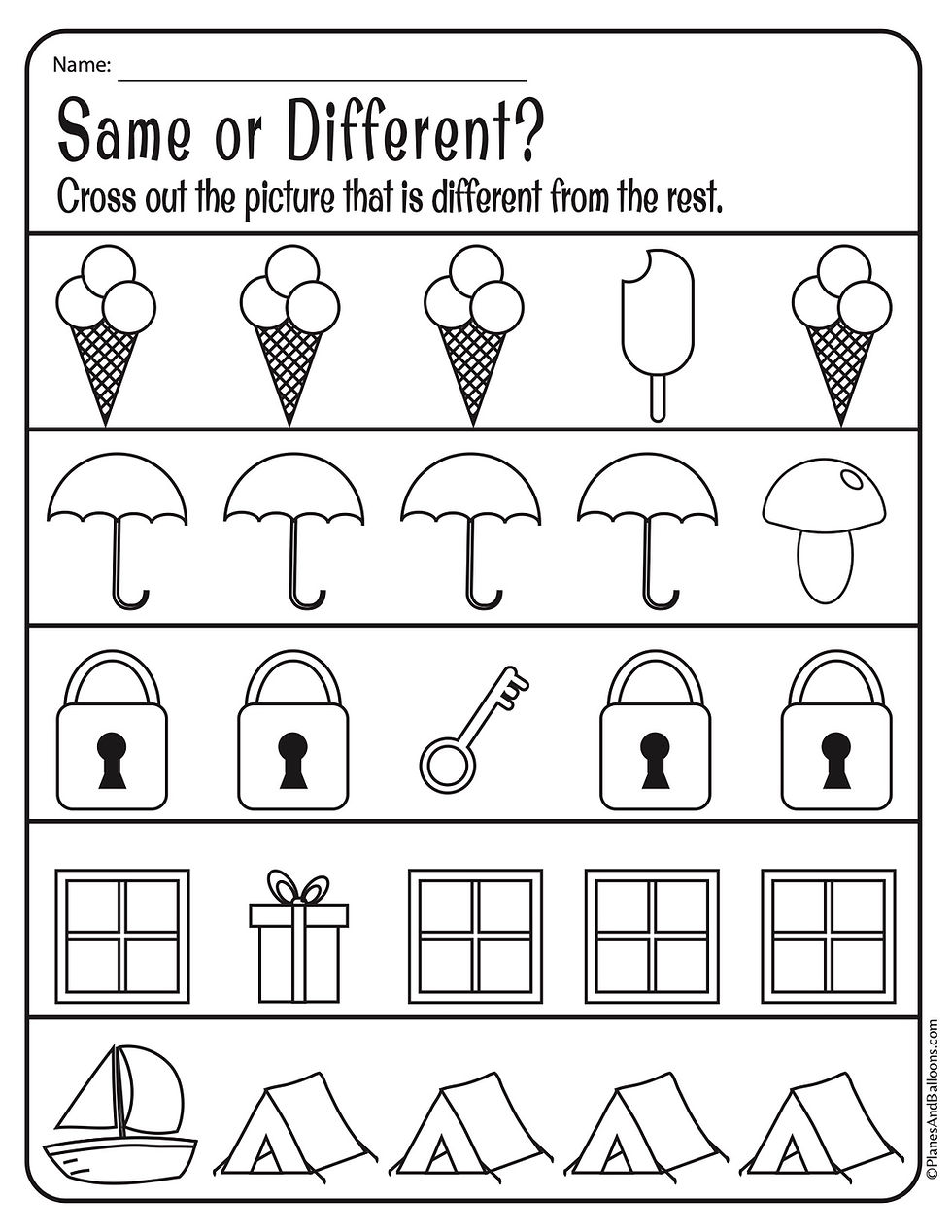
Engaging Students With Pre-K And Kindergarten Worksheets
To keep young learners engaged, consider these additional strategies:
- Incorporate Movement: For worksheets that involve physical activity, such as scavenger hunts or sorting games, encourage children to move around the classroom.
- Use Incentives: Small rewards, like stickers or extra playtime, can motivate students to complete their worksheets enthusiastically.
- Discuss Results: After completing worksheets, take time to discuss the answers as a class. This reinforces learning and fosters a sense of community.
Engagement is key to effective learning for young children. The more interactive and enjoyable the experience, the better the outcomes.