Fat And Thin Worksheets For Preschool
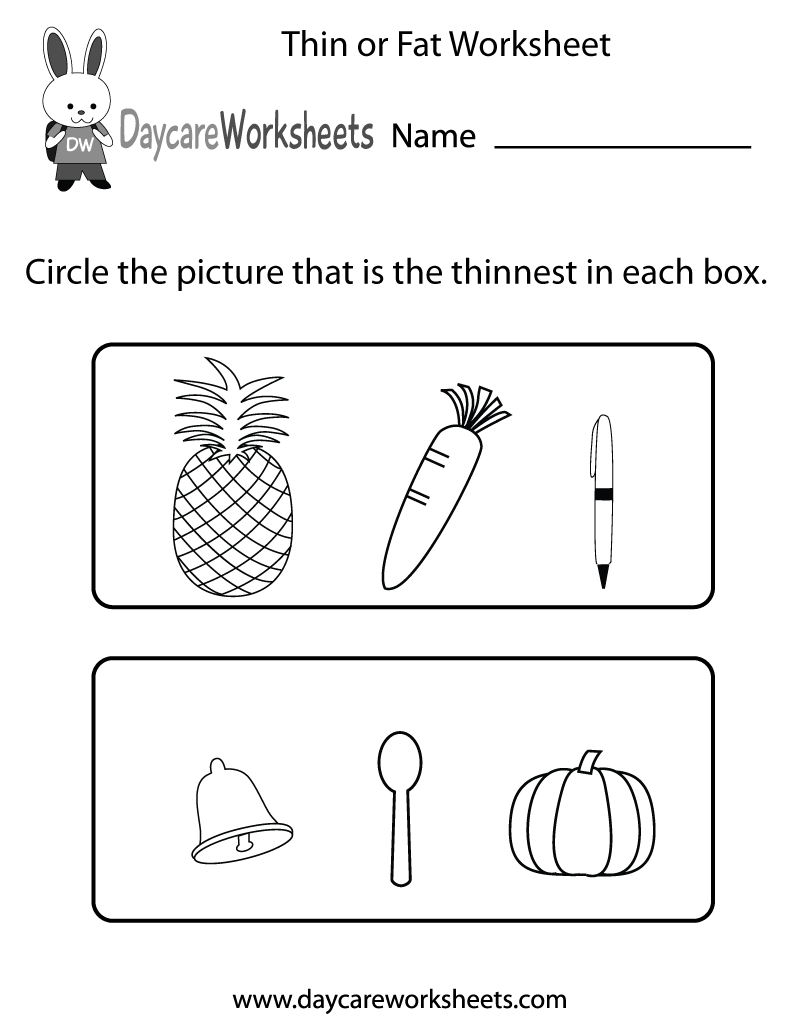
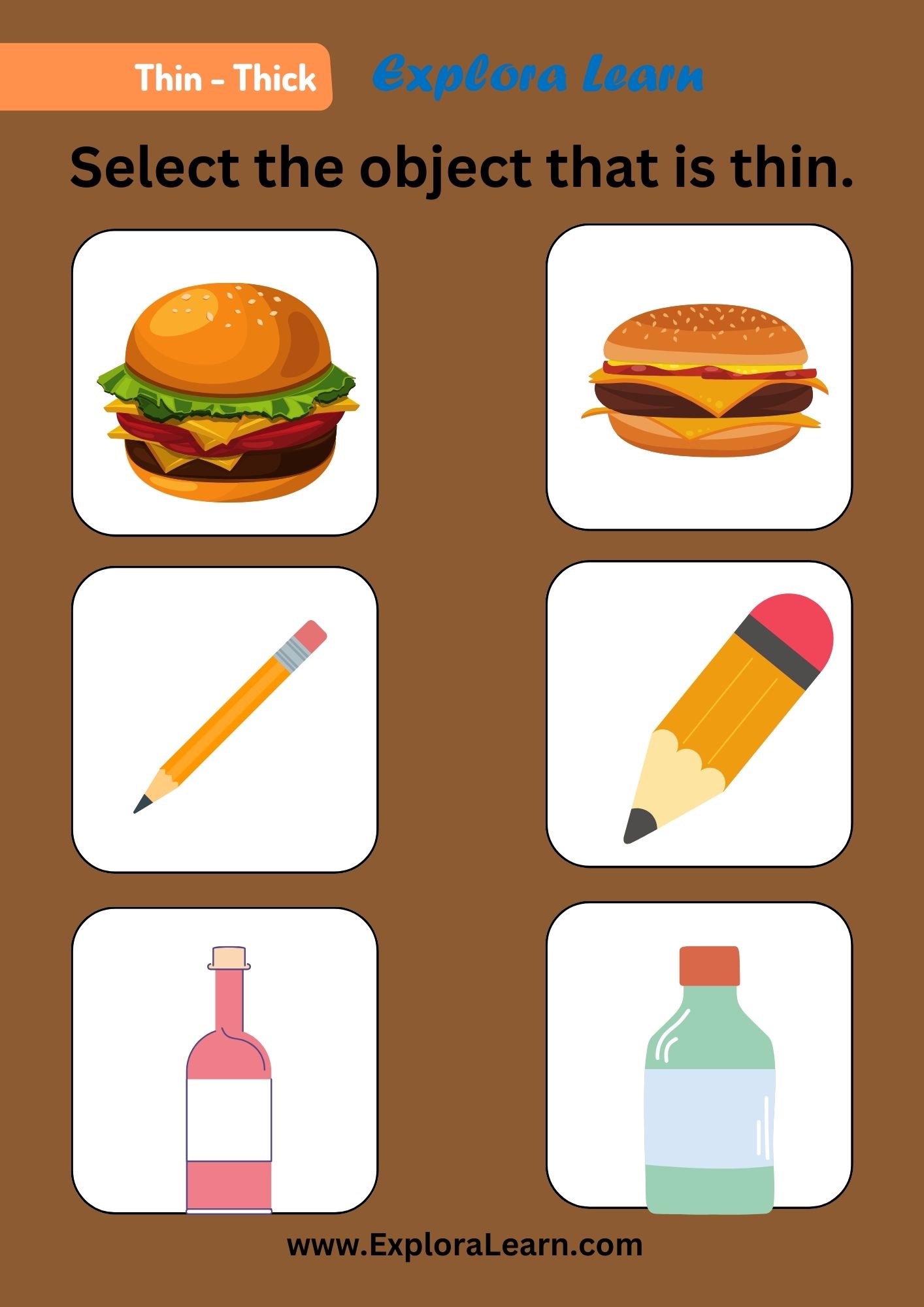
Fat and thin worksheets for preschool are fantastic tools for helping young learners grasp the concept of size differentiation. These worksheets provide a hands-on way for children to explore the characteristics of objects, animals, and even themselves, making learning about size both fun and educational. In this article, we’ll look at how to effectively use these worksheets, what to consider when choosing them, and the best practices for integrating them into your teaching routine.
Understanding the Purpose of Fat and Thin Worksheets
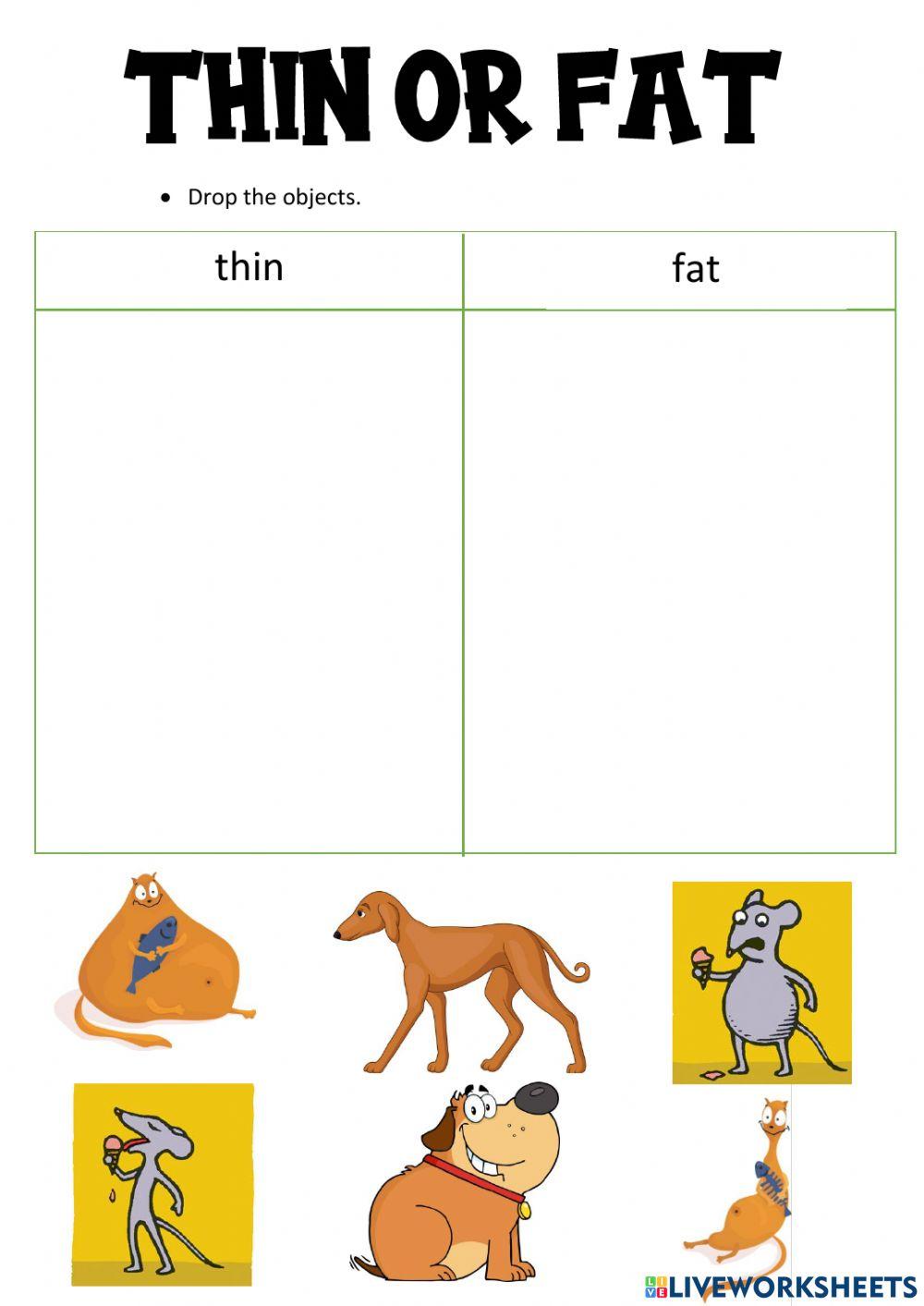
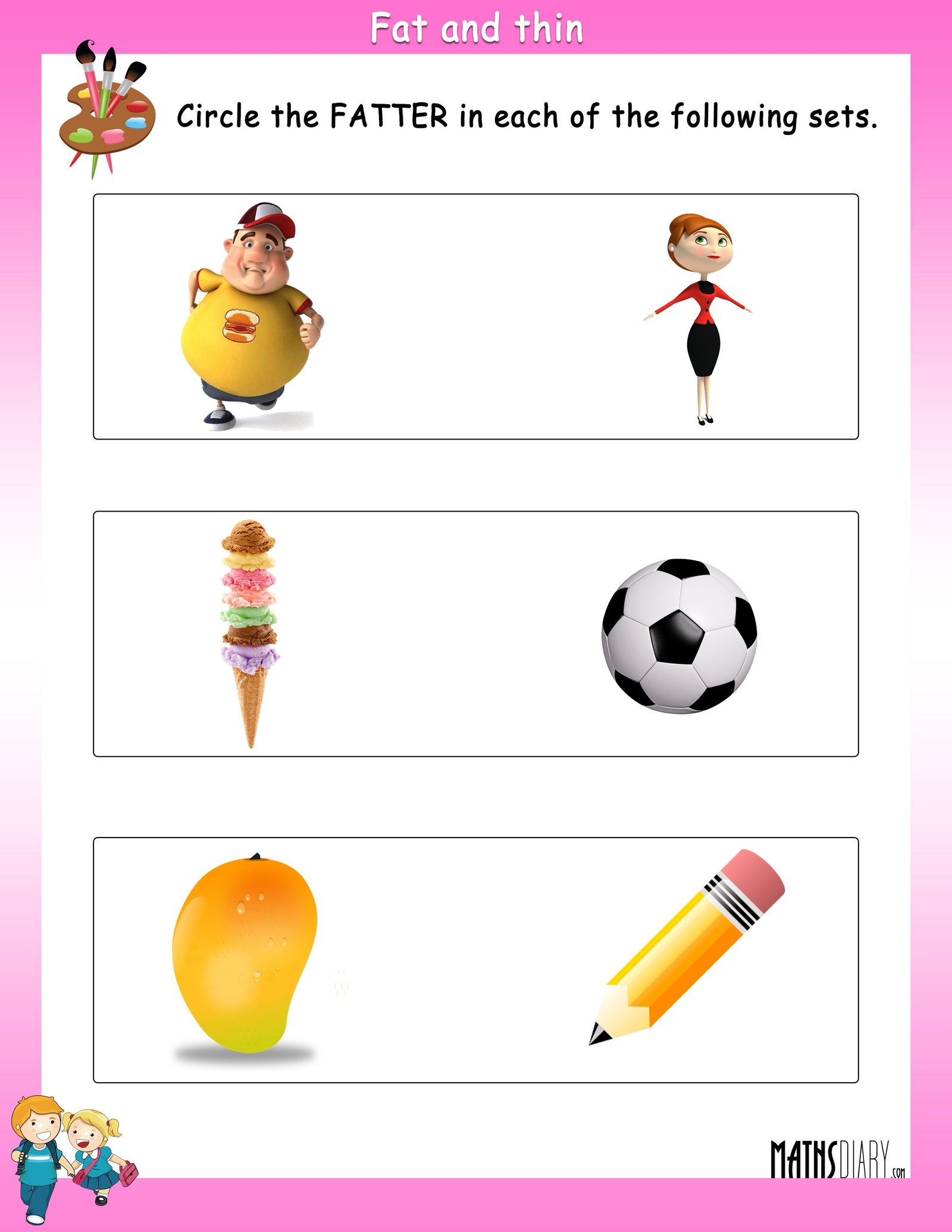
The primary goal of fat and thin worksheets is to help preschoolers identify and differentiate between various sizes. This foundational skill is crucial as it builds their observational and cognitive abilities. By visually comparing fat and thin objects, children can enhance their understanding of the world around them.
Typically, these worksheets will include images of various items, such as animals, fruits, or shapes, where one is illustrated as fat and the other as thin. For instance, you might see a fat cat next to a thin cat. This visual representation aids in reinforcing the concept through comparison, which is essential for preschool learning.
How to Use Fat and Thin Worksheets Effectively
When incorporating fat and thin worksheets into your lesson plans, it’s essential to consider how to present them effectively. Here are some practical tips:
- Print Quality: Choose high-quality paper for printing. If you plan to laminate these worksheets for repeated use, thicker cardstock works best. It holds up better and can withstand the wear and tear of frequent handling.
- Engagement Strategies: To keep preschoolers engaged, turn the activity into a game. After completing the worksheets, ask the children to find objects in the classroom that are fat or thin. This not only reinforces the lesson but also encourages active participation.
- Discussion Opportunities: After completing the worksheets, foster a discussion. Ask questions like, “Which one is bigger?” or “Can you think of something else that is fat or thin?” This encourages language development and critical thinking.
- Follow-Up Activities: Consider pairing the worksheets with hands-on activities, like sorting real objects by size. This reinforces the concept and provides a tactile learning experience.
Choosing the Right Fat and Thin Worksheets
Not all worksheets are created equal, so it’s important to select those that are age-appropriate and engaging. Here are some factors to consider:
- Visual Appeal: Look for worksheets that are colorful and attractive. Preschoolers are more likely to engage with materials that capture their attention.
- Clarity: Ensure that the images clearly represent the fat and thin concepts. Avoid overly complex designs that could confuse young learners.
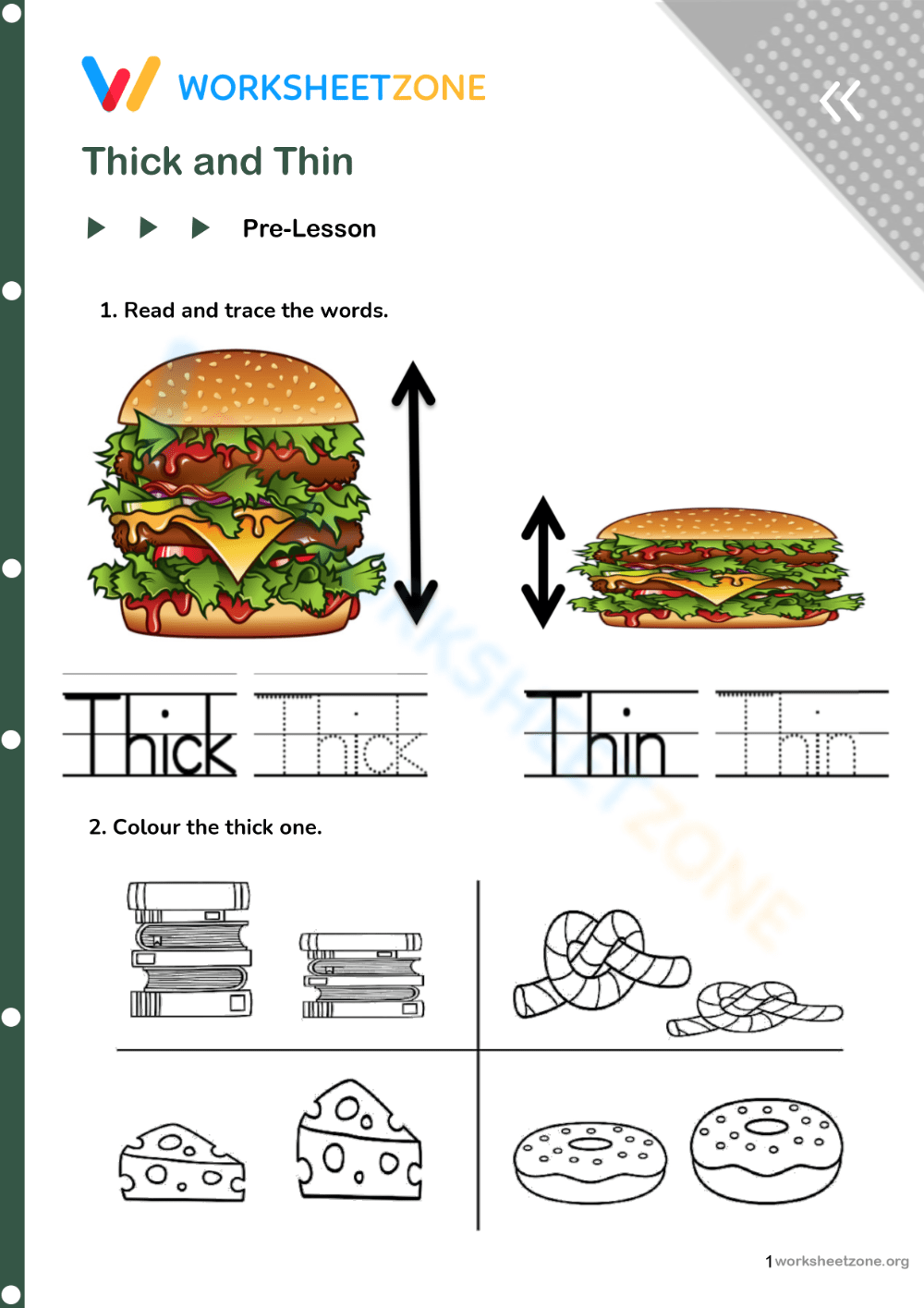
- Variety: Choose worksheets that offer a mix of activities, such as coloring, matching, and tracing. This variety keeps children interested and caters to different learning styles.
- Ease of Access: Make sure the worksheets are easy to download and print. Ideally, they should be in PDF format to avoid reformatting issues that images can sometimes have.
Integrating Worksheets Into Daily Routines
To maximize the benefits of fat and thin worksheets, integrate them into your daily preschool routine. Here’s how:
- Morning Activities: Start the day with a fat and thin worksheet as a warm-up activity. This can set a positive tone for learning right from the start.
- Theme-Based Learning: Align the worksheets with themes you’re covering in class. For instance, if you’re discussing animals, use worksheets featuring various animals in fat and thin formats.
- Assessment Tool: Use these worksheets as informal assessments to gauge children’s understanding. Observe how they complete the tasks and use this information to tailor future lessons.
Enhancing Learning With Additional Resources
While fat and thin worksheets for preschool are valuable, consider supplementing them with other resources to enrich the learning experience:
- Books: Look for storybooks that emphasize size differences. Reading these books aloud can enhance understanding and provide context for the worksheets.
- Games and Apps: Utilize educational games or apps focused on size differentiation. These interactive tools can complement the worksheets and provide additional practice.
- Real-Life Examples: Encourage children to observe size differences in their everyday lives. This could be during a walk, at the grocery store, or while playing with toys.
Fat And Thin Worksheets For Preschool Gallery