Eyes Ears Nose Mouth Worksheet Preschool
When it comes to engaging preschoolers in learning, nothing beats a well-designed worksheet that captures their attention. The Eyes Ears Nose Mouth Worksheet Preschool is a fantastic resource that not only helps children learn about their body parts but also integrates fun activities to reinforce their understanding. This particular worksheet stands out due to its vibrant illustrations and structured layout, making it easy for both children and parents to navigate.
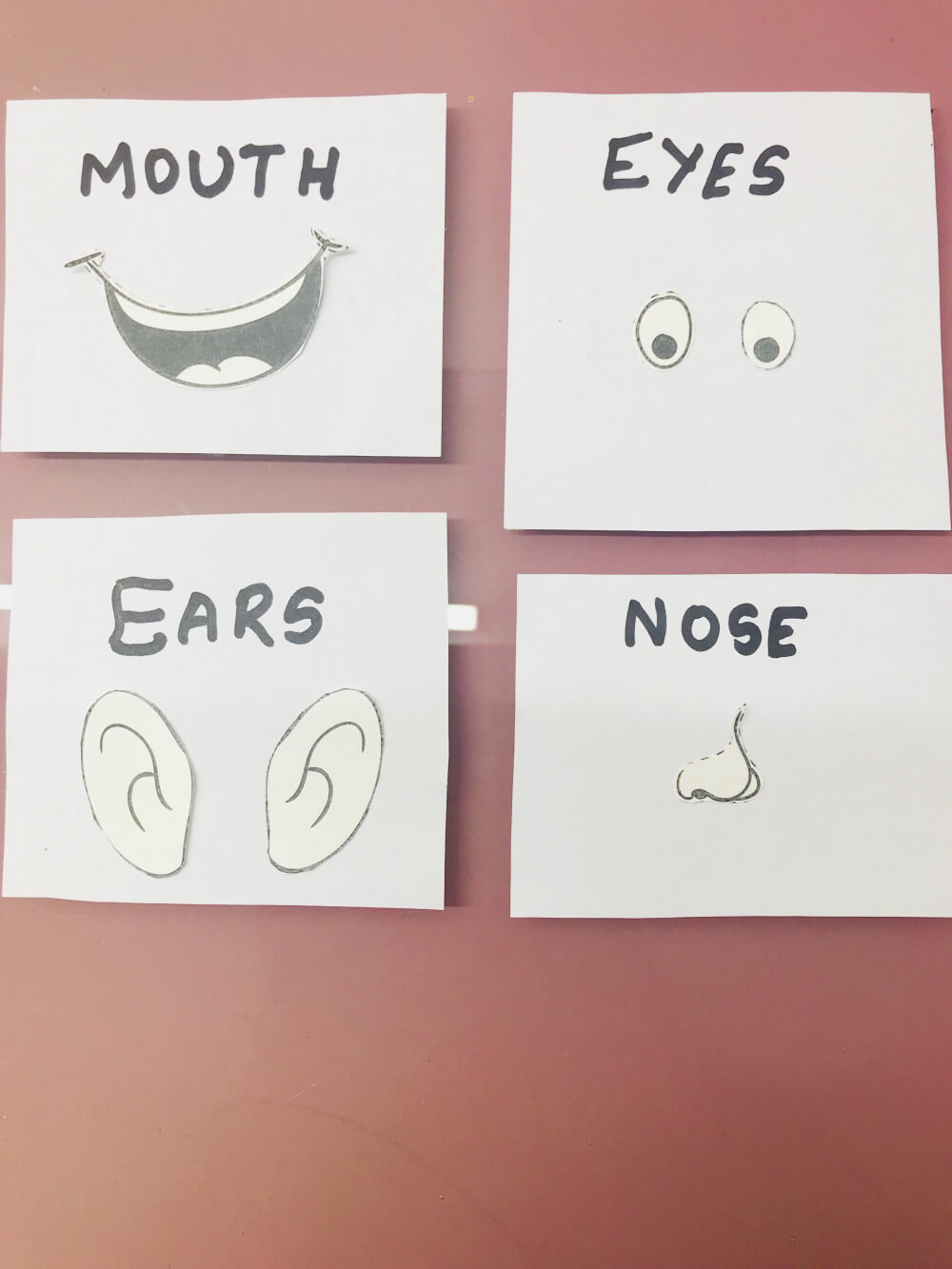
Key Features of the Eyes Ears Nose Mouth Worksheet
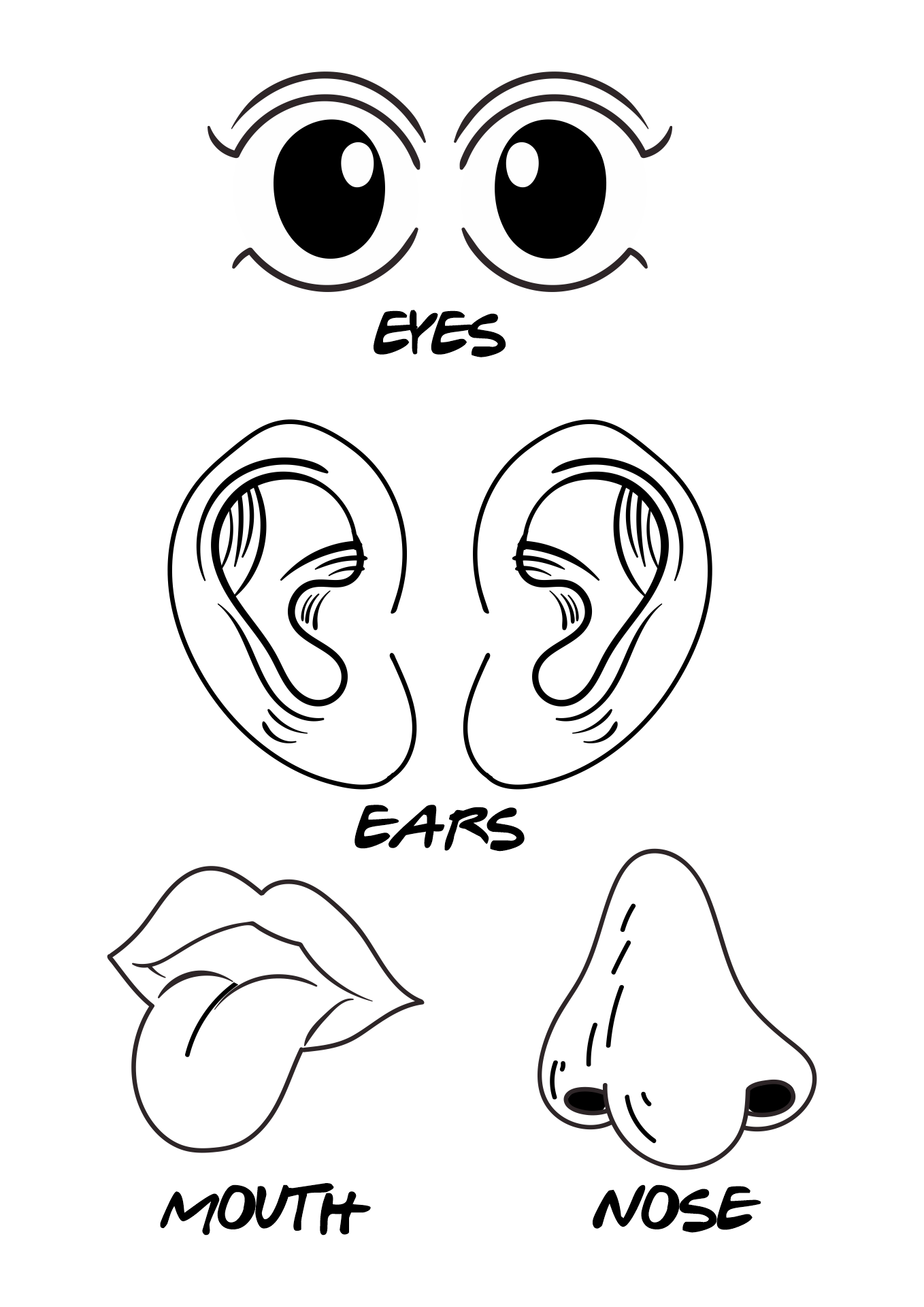
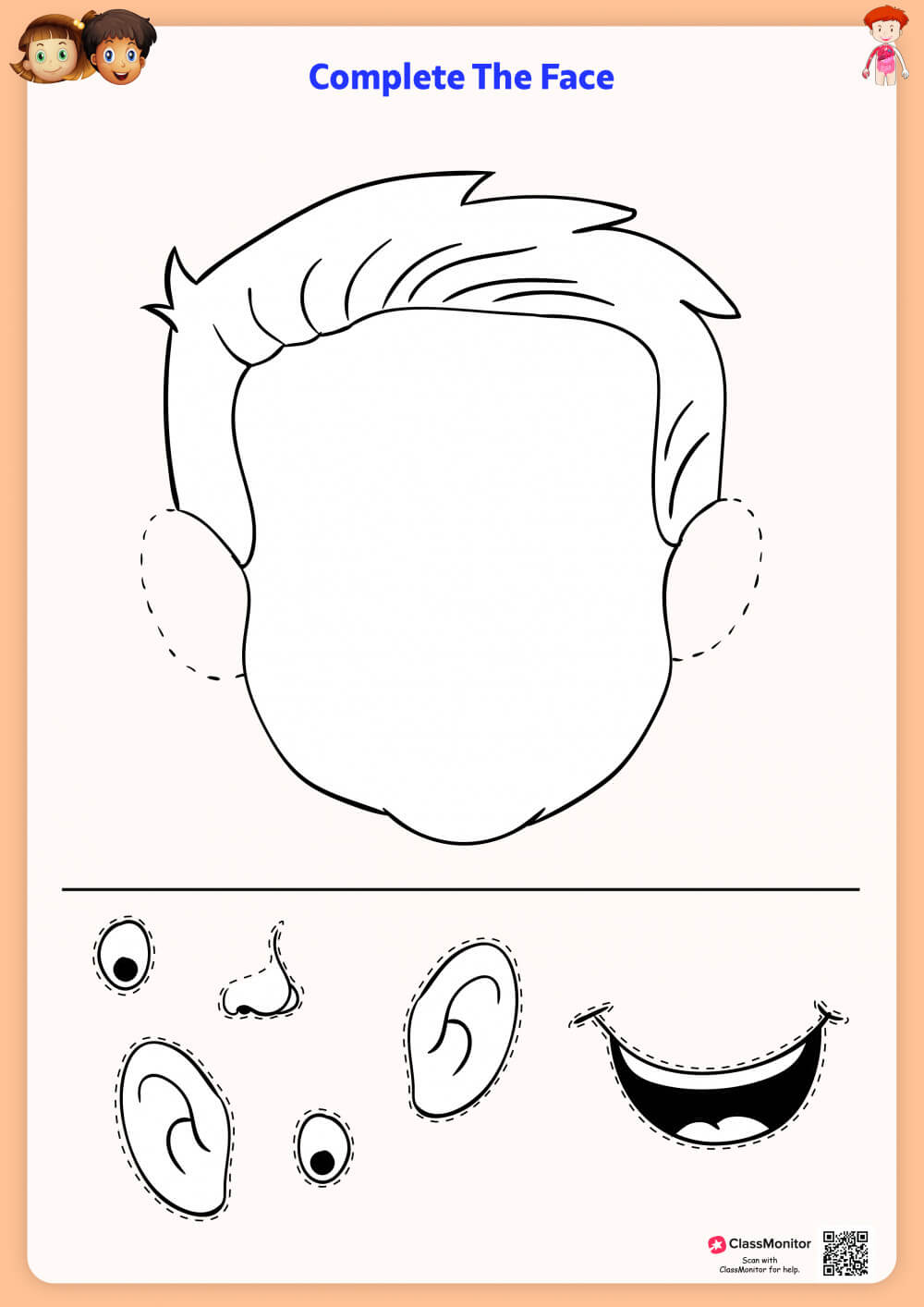
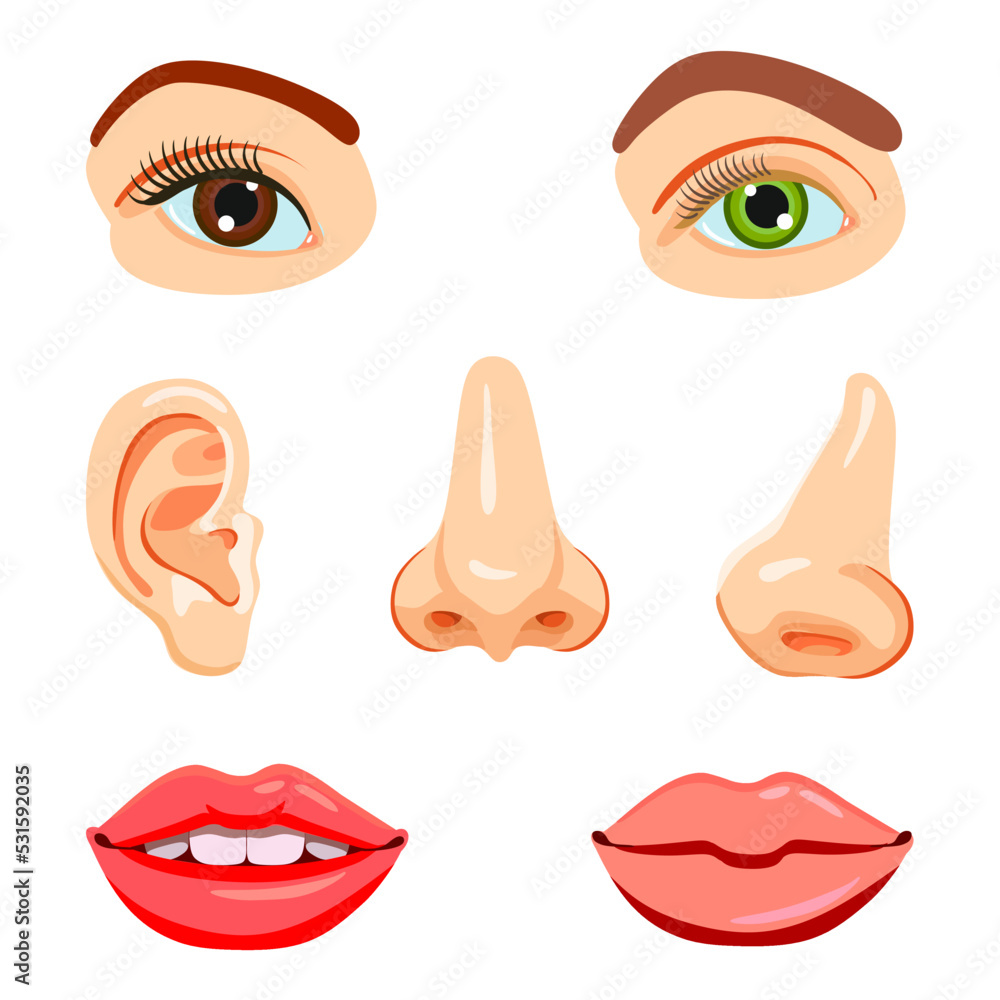
The layout of the Eyes Ears Nose Mouth Worksheet Preschool is intentionally designed to be user-friendly. It typically includes colorful images of each body part and corresponding labels, which allows children to connect words with visuals effectively. The worksheet may feature sections where children can color the images, trace the words, or even engage in simple matching activities.
- Illustrations: Bright, eye-catching images that draw children’s attention.
- Labeling: Areas for children to write the names of each body part.
- Interactive Elements: Space for coloring and tracing that encourages fine motor skills.
This combination of features not only makes learning enjoyable but also caters to different learning styles. Visual learners can benefit from the images, while kinesthetic learners can engage through writing and coloring.
How to Use the Worksheet Effectively
Using the Eyes Ears Nose Mouth Worksheet Preschool can be an enriching experience when done correctly. Here’s a practical approach for parents and educators:
- Preparation: Print the worksheet on standard letter-sized paper (8.5 x 11 inches) for easy handling. If possible, use cardstock for durability, especially if you plan to laminate it for repetitive use.
- Digital vs. Print: You can choose to fill in the worksheet digitally using a fillable PDF format or print it out for traditional hand-written activities. Digital formats can be more convenient for quick edits, while printed versions provide a tactile experience that many children enjoy.
- Step-by-Step Guidance: Walk children through each section. Start by identifying each body part verbally before they attempt to label or color. This reinforces vocabulary and helps with memory retention.
- Engagement: Encourage children to share what they know about each body part as they complete the worksheet. This not only builds their confidence but also enhances their communication skills.
- Follow-Up Activities: After completing the worksheet, consider planning additional activities. For example, you could create a simple song about body parts or have a scavenger hunt where children find items that correspond to each part, like glasses for their eyes or a hat for their head.
Benefits of the Eyes Ears Nose Mouth Worksheet
Using this worksheet offers several educational benefits:
- Vocabulary Development: Children expand their vocabulary by learning the names of body parts.
- Fine Motor Skills: Activities like coloring and tracing help develop fine motor skills essential for writing.
- Cognitive Development: Associating names with images fosters cognitive connections, which can aid in future learning.
Additionally, worksheets like this can serve as a springboard for discussions about health and hygiene, such as why we need to take care of our eyes, ears, nose, and mouth.
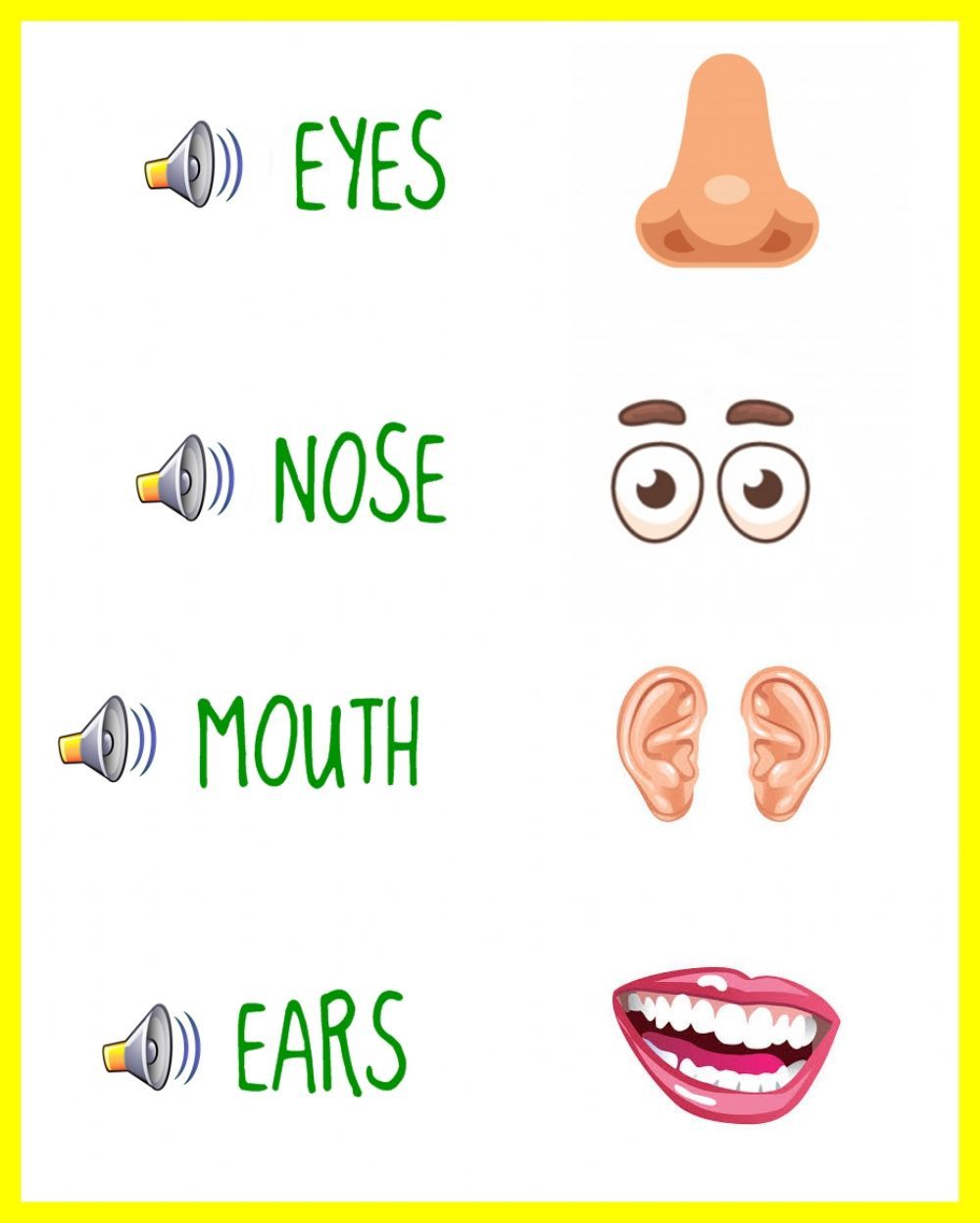
Incorporating the Worksheet Into Daily Learning
To maximize the educational impact of the Eyes Ears Nose Mouth Worksheet Preschool, consider incorporating it into daily routines. Here are some ideas:
- Morning Routine: Use the worksheet as part of a morning routine where children can identify their body parts while getting ready for the day.
- Storytime Integration: Pair the worksheet with a storybook that features characters discussing body parts or health, creating a multi-faceted learning experience.
- Group Activities: Use the worksheet in a group setting, allowing children to work together. This helps with social skills and collaborative learning.
Eyes Ears Nose Mouth Worksheet Preschool Gallery